Written by: Matthew Timmins, Founder and Managing Director, Leva Sleep
Key Takeaways
- Review sleep tracking data over 7–14 days to spot trends in deep sleep, REM, and awakenings instead of reacting to single nights.
- Connect evening habits like alcohol, caffeine, and late workouts with your sleep metrics to see which behaviors hurt your sleep quality.
- Apply specific positioning changes, such as leg elevation for deeper sleep or zero-gravity for fewer awakenings, based on what your data shows.
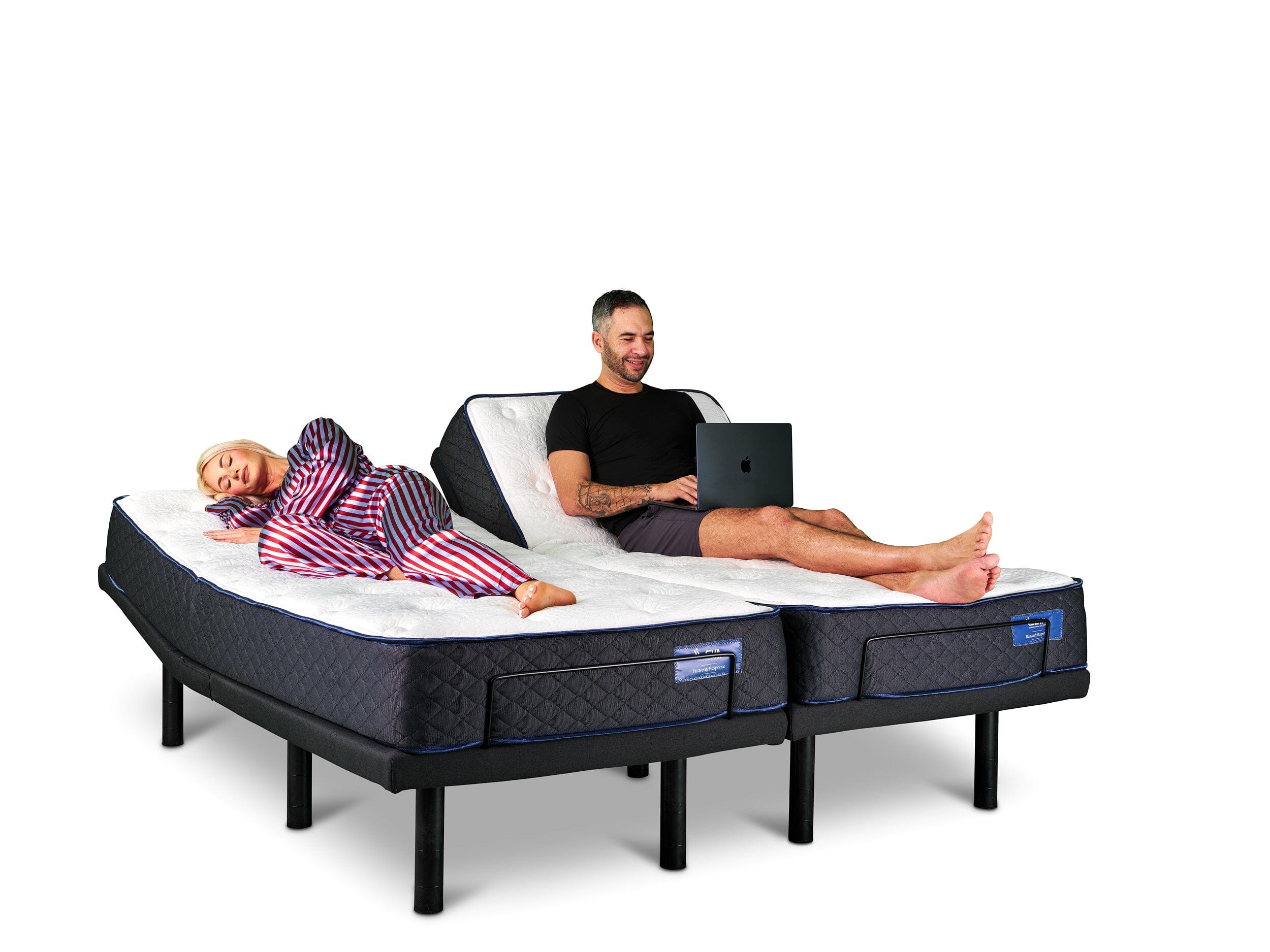
- Use split adjustable bases so each partner can choose their own position and reduce disturbances without sacrificing comfort.
- Track changes over 2–4 weeks and keep refining your setup, then explore data-driven positioning solutions at Leva Sleep in La Jolla or online.
Prerequisites for Using Sleep Data to Guide Positioning
Start by building a clear baseline. Log your sleep habits for 7–14 days using your Oura, Apple Watch, or Whoop device. Health coaches should evaluate sleep stage data over the last 7–14 days, focusing on repeating patterns and gradual shifts rather than single nights. Record evening activities, caffeine intake, alcohol use, and stress levels alongside your device metrics.
Talk with your physician before making major sleep position changes, especially if you have sleep apnea, chronic pain, or cardiovascular conditions. Once you have medical clearance and start adjusting your positioning, you can expect measurable improvements in sleep metrics within 2–4 weeks of consistent changes, although early trends may appear sooner.
Step 1: Focus on Weekly Sleep Trends, Not Single Scores
Shift your attention from individual night scores to weekly averages. Apple’s Sleep Score is most useful as a trend over 7–14 days rather than a single-night judgment. Export your data and look for patterns such as deep sleep regularly dropping below one hour or frequent awakenings during the same time window.
For deep and REM sleep, health coaches should look for repeating patterns and gradual shifts over a 7–14 day window; a single night of low deep or REM sleep should be ignored, but consistently low values over a week or more warrant investigation. Chart your sleep stages against external factors to reveal correlations that single-night analysis misses. Once you see these patterns, you can move on to identifying which specific behaviors drive them.
Step 2: Link Evening Habits to Your Sleep Metrics
Track alcohol consumption, caffeine timing, exercise, and stress levels alongside your sleep data. Evening alcohol intake can reduce deep sleep and increase night wakings, lowering deep sleep scores on consumer sleep trackers.
Caffeine consumed in the afternoon or evening often disrupts sleep because the mean half-life of caffeine in plasma of healthy individuals is about 5 hours, though it may range between 1.5 and 9.5 hours. Late intake is linked to lower deep sleep scores on trackers, especially in sensitive individuals. Capture these connections in a simple log so you can see which habits consistently change your sleep architecture.
Step 3: Use Data to Target Low Deep Sleep and REM
Most adults spend 13–23% of total sleep time in deep sleep, typically 1–2 hours for 7–8 hours of sleep. If your tracking data shows less than one hour of deep sleep on a regular basis, positioning adjustments can make a meaningful difference.
| Sleep Issue | Data Indicator | Positioning Solution | Expected Improvement |
|---|---|---|---|
| Low Deep Sleep | Less than 1 hour average | Leg elevation for circulation | Users often report deeper, more restorative sleep |
| Frequent Awakenings | 3+ interruptions nightly | Zero-gravity positioning | Users often report fewer awakenings |
| Low REM Sleep | Less than 90 minutes | Slight head elevation | More consistent REM cycles |
| Partner Disturbance | Movement-triggered awakenings | Split adjustable base | Independent positioning for each partner |
Step 4: Reduce Orthosomnia and Tracker-Related Stress
A 2024 cross-sectional study published in Brain Sciences surveyed 523 adults and found the prevalence of orthosomnia ranged from 3% to 14%, depending on the strictness of the definition. Participants identified with orthosomnia had consistently higher insomnia scores than non-cases, linking tracker-related anxiety to worse sleep quality.
Keep your focus on practical improvements instead of chasing perfect scores. Consumer sleep trackers like the Apple Watch are reasonably accurate at detecting sleep versus wake states but significantly less reliable at classifying sleep stages such as deep sleep and REM. Treat your data as a guide for positioning experiments and habit changes, not a nightly report card.
Step 5: Match Sleep Positions to Your Data Patterns
Your sleep tracking trends reveal when and why disruptions occur and point you toward targeted positioning changes. The key is matching each adjustment to the specific issue your data highlights. If your data shows frequent awakenings between 2–4 AM, slight head elevation may improve breathing and reduce disturbances. Alternatively, if you see consistently low deep sleep, leg elevation can support circulation and promote deeper sleep stages.
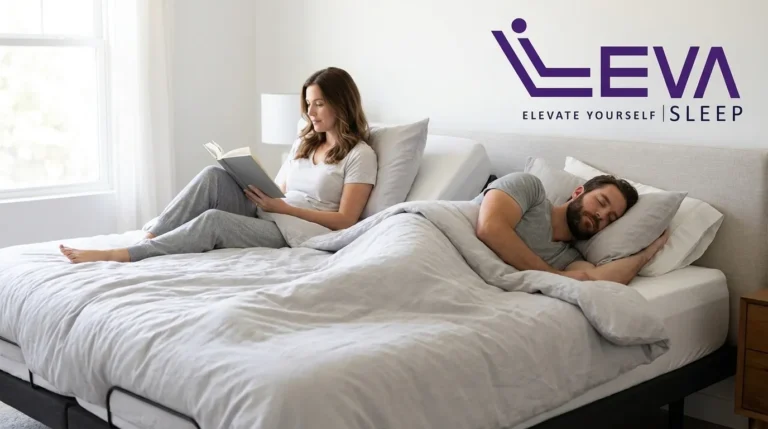
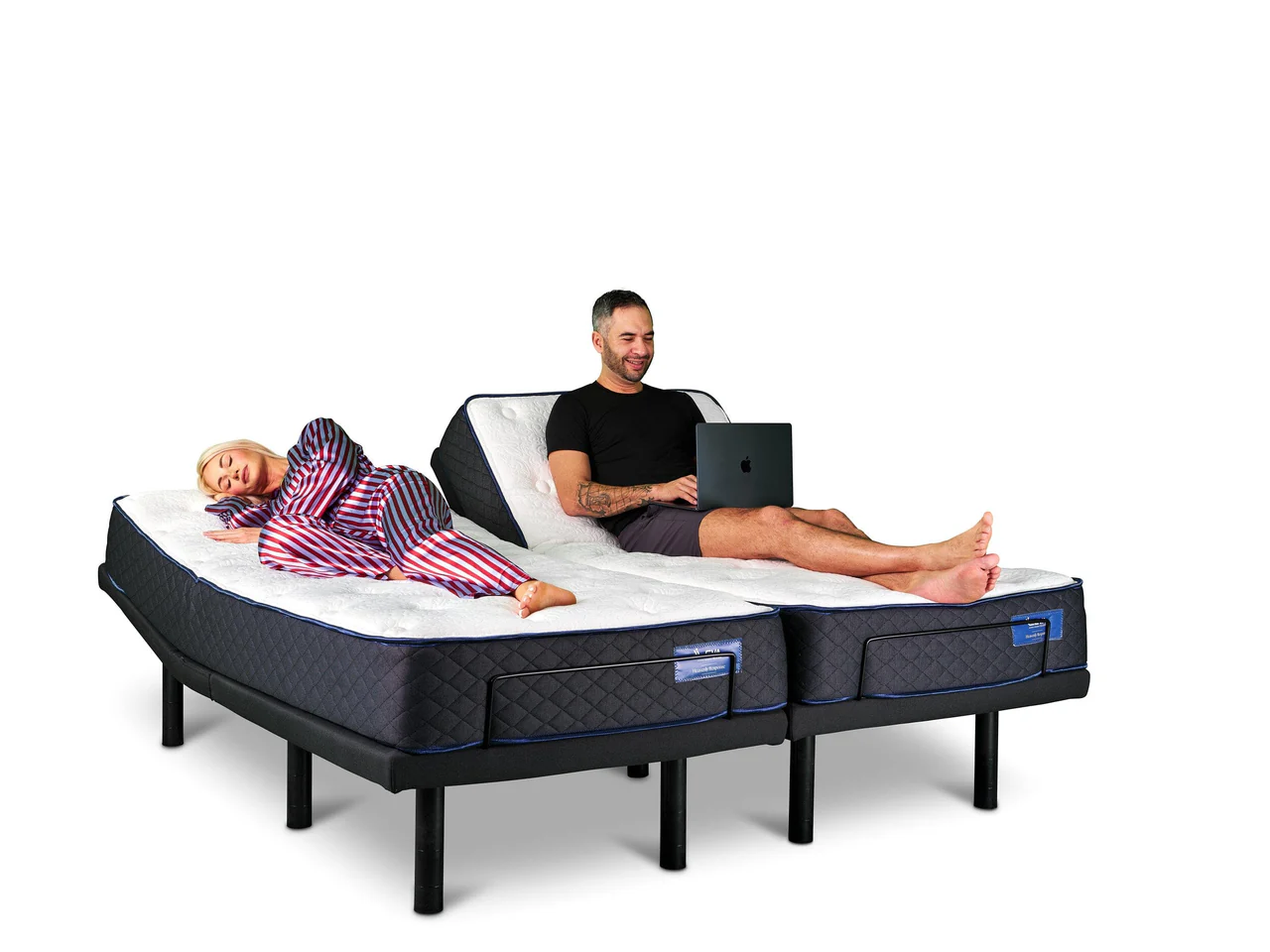
Split adjustable bases give couples a way to address individual needs without compromise. One partner can elevate for snoring reduction while the other stays flat, and each side can be controlled independently through smartphone apps. This personalized setup tackles the root causes that your tracking data uncovers for each person.
Step 6: Sync Sleep Trackers for Better Couple Sleep
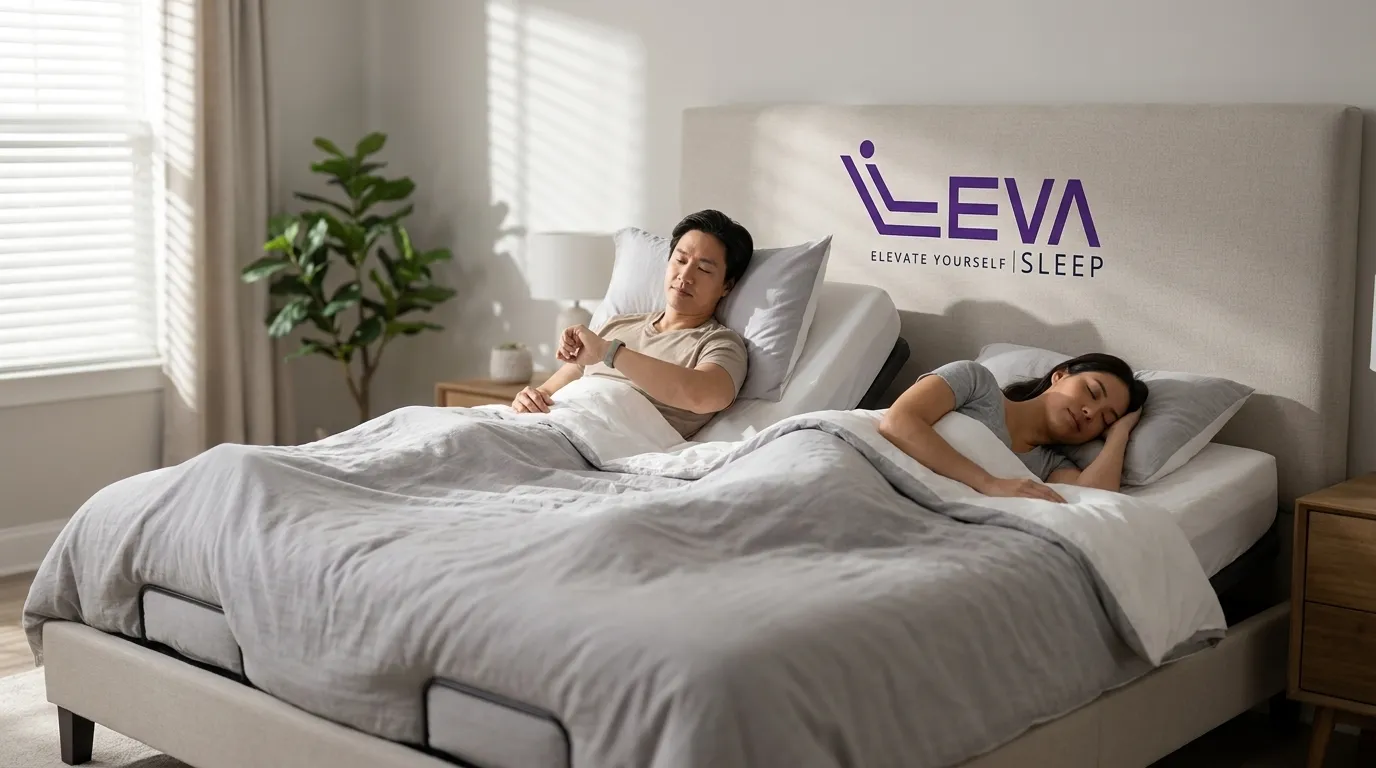
Couples using separate tracking devices can sync data to uncover shared sleep disruptions and adjust positioning for both partners. Share Oura or Apple Watch data to line up one partner’s movements with the other’s awakenings, then fine-tune bed positioning based on those patterns.
Advanced systems connect with multiple tracking devices and adjust positioning automatically using real-time data from both partners. This type of technology addresses partner-related sleep issues that habit changes alone often cannot fix.
Step 7: Measure Progress and Adjust Positioning Over Time
Monitor your sleep metrics over 14-day periods to see how well your positioning changes are working. Record baseline measurements before you adjust anything, then track changes in deep sleep duration, awakening frequency, and overall sleep efficiency.
| Measurement Period | Deep Sleep Average | Awakenings Per Night | Positioning Adjustment |
|---|---|---|---|
| Baseline Week | Example: 40 minutes | Example: 3 interruptions | Flat mattress |
| Post-Adjustment Week | Example: 65 minutes | Example: 1 interruption | Leg elevation + head tilt |
Refine your positioning based on this feedback, making small, gradual changes until you reach a pattern that supports your best sleep. Access advanced adjustable bases at Leva Sleep that respond to your tracking data and support ongoing fine-tuning.
Troubleshooting Common Sleep Data Challenges
Expect normal variance in your data and average metrics over weekly periods instead of reacting to every daily fluctuation. When partners show mismatched sleep patterns, split adjustable bases offer independent solutions without forcing either person to compromise. Begin with subtle positioning changes and slowly increase elevation based on comfort and measured improvements.
Reach out to healthcare providers if problems continue despite careful positioning changes, because underlying sleep disorders may need medical treatment alongside environmental upgrades.
Measuring Long-Term Sleep Improvements
Look for long-term success markers such as more deep sleep, fewer nighttime awakenings, and better partner satisfaction. These outcomes signal that your positioning strategy and data-informed changes are working together to support healthier sleep.
Frequently Asked Questions
Can a sleep tracker actually improve sleep quality?
Sleep trackers improve sleep when their data drives clear actions like positioning adjustments and habit changes. The devices themselves do not improve sleep, but the insights they provide can reveal specific issues that targeted solutions address. Combining tracking data with adjustable sleep positioning often increases deep sleep duration and overall sleep quality.
Is 40 minutes of deep sleep enough for adults?
No. Most adults need 1–2 hours of deep sleep per night, which represents 13–23% of total sleep time. Consistently tracking less than one hour suggests insufficient restorative sleep that may improve with better positioning. Deep sleep supports physical recovery, immune function, and memory consolidation.
How can I avoid orthosomnia from sleep tracking devices?
Keep your attention on weekly trends instead of nightly scores, and use data to guide practical changes rather than chasing perfect metrics. Remember that consumer devices have accuracy limits, especially for sleep stage classification. Turn tracking insights into positioning experiments and environmental tweaks instead of fuel for anxiety about imperfect scores.
Can adjustable beds help with sleep apnea symptoms?
Adjustable beds can provide mask-free elevation that opens airways and eases mild sleep apnea symptoms. Head elevation of 6–8 inches often improves breathing during sleep, although severe sleep apnea still requires medical treatment. Many users find that positioning adjustments complement CPAP therapy or bring relief for mild cases.
How do split adjustable beds work for couples with different sleep needs?
Split adjustable beds include independent controls for each side, so partners can customize positioning without affecting each other. One partner can elevate for snoring reduction while the other stays flat, and smartphone apps typically control each side separately. This setup reduces the compromises that push many couples toward separate beds.
Conclusion
Sleep tracking data becomes truly useful when you pair it with positioning solutions that address the real causes of poor sleep. These seven steps turn overwhelming metrics into clear, targeted changes that support healthier sleep architecture and better rest for couples.
Leva Sleep’s advanced adjustable systems supply the hardware that turns data insights into measurable improvements. With quiet motors, independent controls, and accessories designed for adjustable positioning, these systems create the personalized sleep environment your tracking data points toward. Discover how Leva Sleep’s adjustable systems turn your sleep data into deeper, more restorative rest.