Written by: Matthew Timmins, Founder and Managing Director, Leva Sleep
Key Takeaways for Couples
- Snoring often pushes couples into separate rooms. Popular mouthpieces like SnoreRx Plus, ZQuiet, VitalSleep, and Somnofit-S require nightly insertion, cleaning, and occasional mid-night removal that can restart snoring.
- Boil-and-bite MADs and living-hinge devices allow adjustable fit and varying comfort levels. They also create ongoing maintenance routines and comfort trade-offs that can strain relationships over time.
- Head-of-bed elevation between 7–15 degrees is a proven, non-invasive way to reduce positional snoring without any oral device or nightly hassle.
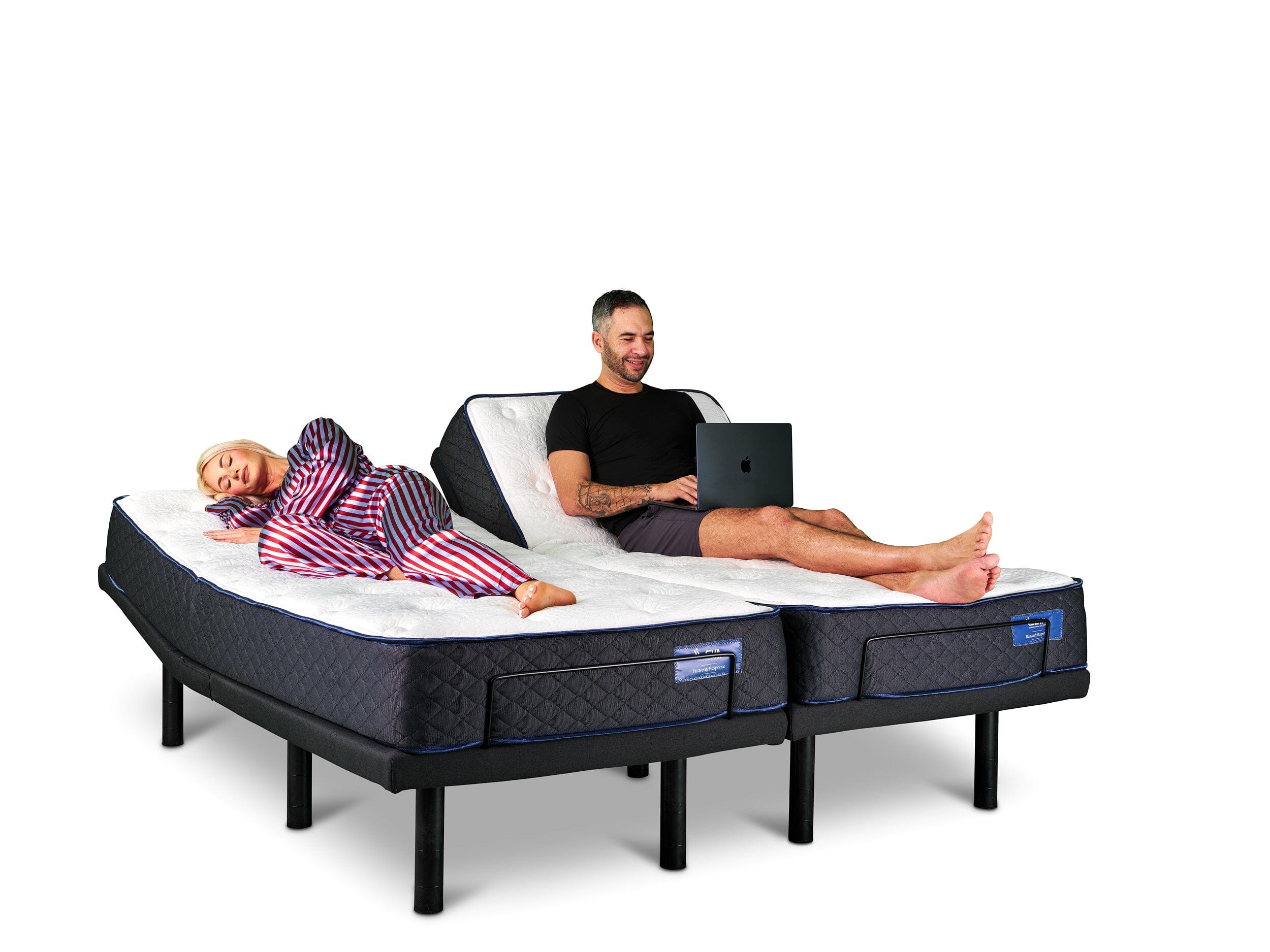
- Leva Sleep’s split adjustable bases let each partner control their side independently with whisper-quiet motors and an upcoming anti-snore mode that makes automatic micro-adjustments.
- Experience the difference for yourself by shopping Leva Sleep today and move toward quieter, more restful nights together.
1. SnoreRx Plus: Custom Fit With Mid-Night Removal Risk
The SnoreRx Plus is a boil-and-bite MAD that lets users calibrate jaw advancement in 1 mm increments. The fitting process uses hot water to soften the device, then a bite-down to create a custom impression. This procedure typically takes under 7 minutes and can be repeated if the first impression feels off. The device retails for about $99 for a single unit.
For couples, the main concern is not the fitting time but the nightly routine and comfort over months. User reviews across retail platforms frequently mention jaw soreness, excess salivation, and mid-night removal when discomfort becomes intolerable. Once a partner removes the device at 2 a.m., the snoring resumes and so does the disruption. SnoreRx Plus can work as a starting point for solo sleepers, yet couples need to consider whether the maintenance cycle and comfort trade-offs feel realistic for long-term use.
2. ZQuiet: Flexible Hinge With Bulky Feel for Some
The ZQuiet uses a living-hinge design that lets the mouth open and close more naturally during sleep. The manufacturer presents this as a comfort advantage over rigid MADs. ZQuiet comes in two sizes, and the 2-size starter kit retails for $99.95, often discounted to $49.95–$59.95. It does not require a custom boil-and-bite session, which lowers the initial effort.
For couples, the one-size-fits-most approach means fit quality can vary widely by jaw anatomy. Users with smaller mouths or dental work often report that the device feels bulky or irritates the gums. The device needs nightly cleaning with a toothbrush and mild soap. Over time, the living hinge can wear out and require replacement. For couples already juggling different bedtimes or routines, adding a nightly device-cleaning step becomes another friction point to manage.
3. VitalSleep: Fine-Tuned Adjustment With Extra Cleaning Work
The VitalSleep is a boil-and-bite MAD that uses a hex-key adjustment mechanism to fine-tune jaw advancement after the initial fit. It comes in two sizes, standard and women’s/small, with a 1-year warranty and 60-day money-back guarantee. Single-unit pricing is not listed, but bundles retail for $299.95. The adjustability helps users who need time to find their ideal jaw position.
The cleaning routine is more involved than some competitors. VitalSleep recommends daily cleaning with a denture tablet or specialized solution to limit bacterial buildup. For couples, this means the device-wearing partner adds a cleaning step to both morning and evening. Users also report that the hex-key adjustment, while precise, requires removing the device and using a small tool. That process feels inconvenient if adjustments are needed often. Couples should consider whether the snoring partner will realistically keep up this routine for years.
4. Somnofit-S: Softer Materials With High-Stakes Compliance
The Somnofit-S is a thermoplastic MAD positioned at the premium end of the over-the-counter market. It uses a dual-laminate material that aims to feel softer against the gums while still holding its shape. The device allows incremental jaw advancement adjustments and targets users who found cheaper MADs too rigid or irritating.
Despite the upgraded materials, Somnofit-S still requires nightly insertion, morning removal, and regular cleaning. Users with TMJ sensitivity or significant dental work should speak with a dentist first, because jaw advancement devices can worsen temporomandibular joint discomfort over time. For couples, the higher price raises the stakes on long-term use. If the device ends up removed mid-night or abandoned after a few weeks, the investment does not translate into lasting relief for either partner.
Snoring Relief Without Mouthguards: Elevation for Couples
Positional therapy offers a non-invasive way to manage many snoring patterns. Snoring often worsens when someone lies flat on their back because the airway narrows and soft tissue vibrates. Gently elevating the head of the bed, usually between 7 and 15 degrees, can help keep the airway more open without any device in the mouth.
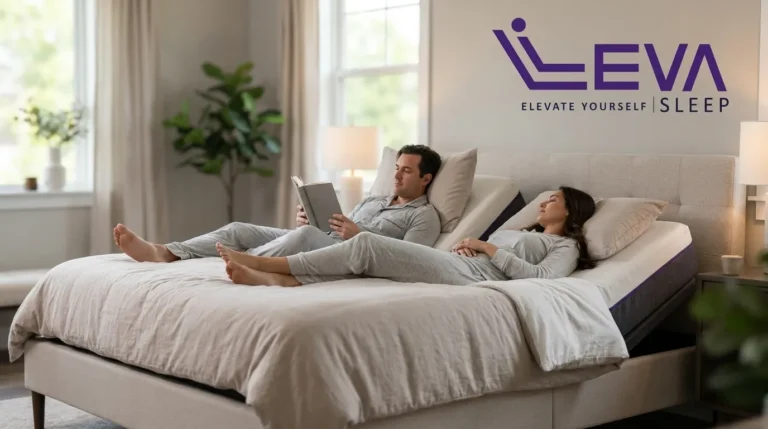
This principle sits at the center of Leva Sleep’s split adjustable bases. Rather than asking the snoring partner to insert a mouthpiece every night, the bed holds the therapeutic position automatically, which only works if adjustments do not wake the non-snoring partner. That need drives Leva’s use of whisper-quiet German motors that shift position without noticeable noise. The Leva Sleep app also lets each side of the bed move independently, so the non-snoring partner can stay flat if they prefer.
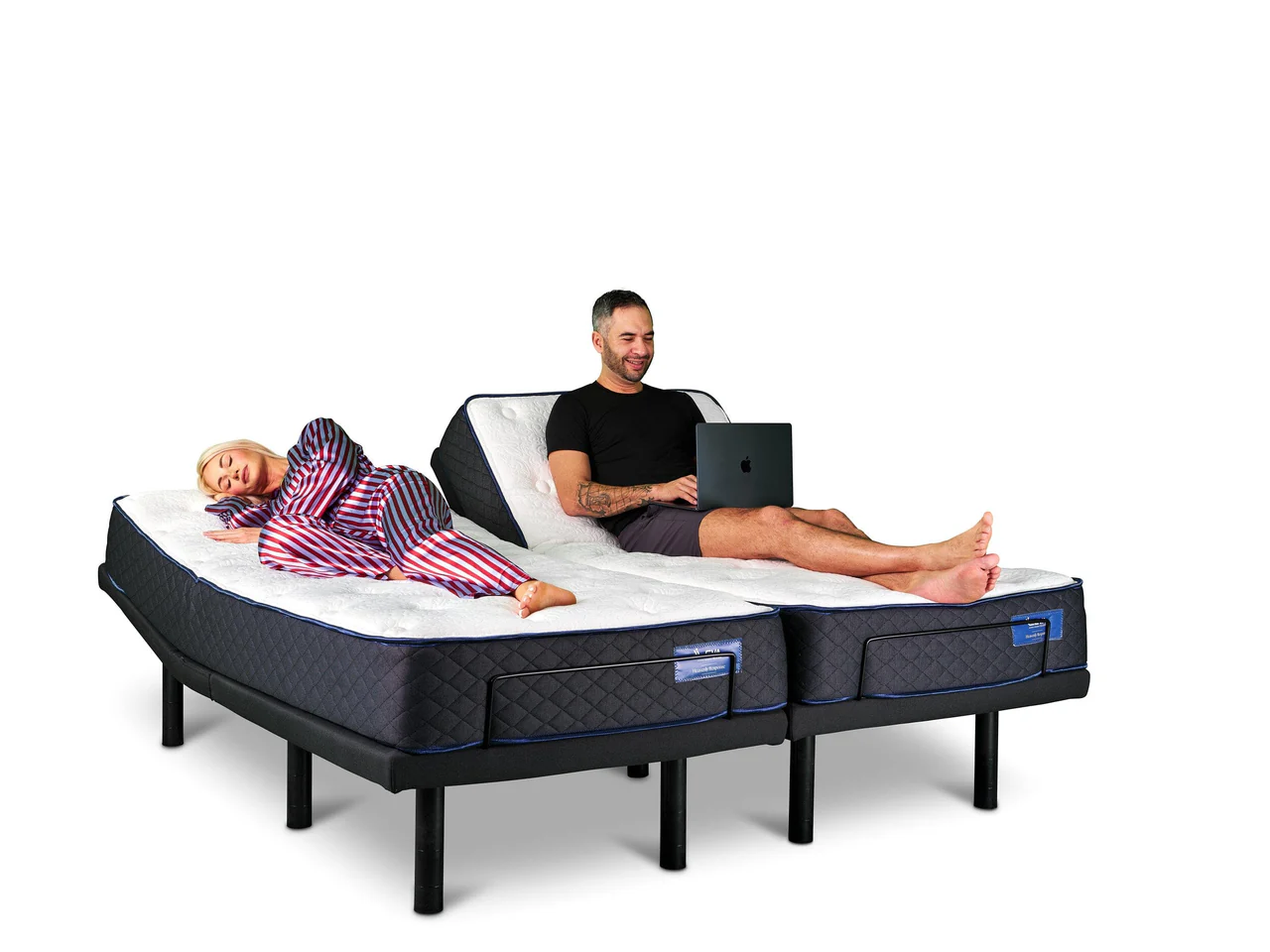
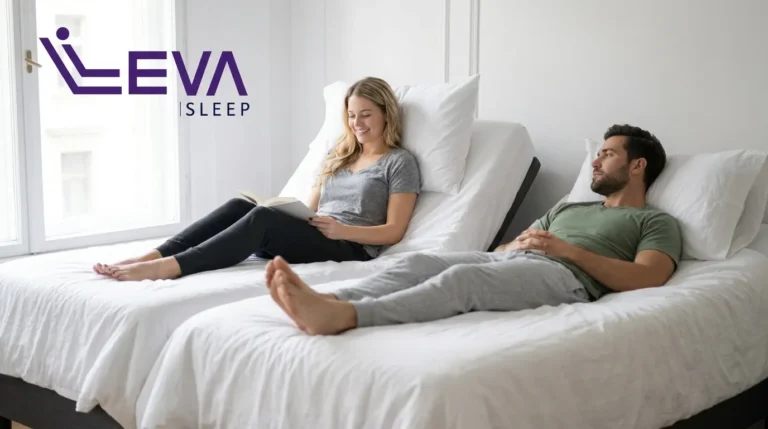
Leva’s split King and split Queen configurations matter for couples because each side operates on its own. One partner can sleep elevated while the other remains flat. Scheduled positions can be saved and recalled with a single tap. Beginning in spring 2026, Leva Sleep’s anti-snore mode will detect snoring and make micro-adjustments to the head of the bed, creating a hands-free, device-free intervention that neither partner needs to manage consciously.
Mouthpiece vs. Elevation: Couples Outcomes Compared
Couples choosing between mouthpieces and elevation usually care about four practical factors. These include nightly hassle, relationship impact, long-term cost, and medical suitability. The table below summarizes how oral mouthpieces and split adjustable bases compare on these dimensions and shows where friction often appears over months of nightly use. Device prices come from manufacturer websites, and Leva Sleep pricing reflects direct-to-consumer positioning.
| Factor | Oral Mouthpiece (MAD/TRD) | Split Adjustable Base (Leva Sleep) |
|---|---|---|
| Nightly Hassle | Insert, remove, and clean device every night, with periodic re-fitting | Position saved in app, with no nightly action required |
| Relationship Impact | Device worn by one partner only, and mid-night removal restarts snoring | Each side controlled independently, so both partners stay undisturbed |
| Long-Term Cost | $79–$149 per device, replacement every 1–2 years, plus possible dental visits for jaw pain | One-time base investment with no consumables |
| Medical Suitability | Often unsuitable for TMJ disorders, extensive dental work, or severe sleep apnea; requires dental guidance | Suitable for most adults; medical guidance recommended for diagnosed sleep apnea or post-surgical needs |
SnoreRx vs. ZQuiet for Couples
SnoreRx Plus and ZQuiet both reduce snoring through jaw advancement, yet they feel different in nightly use. SnoreRx Plus offers precise, incremental adjustment through its calibration system, which helps users who need careful fine-tuning over time. ZQuiet’s living-hinge design allows more natural mouth movement during sleep, which some users find less restrictive.
For couples, both devices share a core limitation. The snoring partner must insert a foreign object every night, and if they remove it due to discomfort, the snoring returns. Long-term compliance matters more than early comfort ratings. A device that feels acceptable in week one but sits unused by week six delivers no lasting benefit for either partner.
Transform Your Sleep With Leva Sleep
Frequently Asked Questions
Are snoring mouthpieces safe to use every night long-term?
Most over-the-counter MADs are built for nightly use, yet long-term wear can cause jaw soreness, tooth movement, or temporomandibular joint discomfort for some users. Anyone with existing TMJ issues, significant dental work, or a diagnosis of moderate-to-severe sleep apnea should consult a dentist or sleep physician before using an oral device. Head-of-bed elevation through an adjustable base avoids oral and dental risks and does not require wearing anything during sleep.
Does head-of-bed elevation actually reduce snoring?
Head-of-bed elevation can reduce the gravitational collapse of soft tissue in the throat that drives snoring in many positional snorers. These are people whose snoring becomes much worse when lying flat on their back. The level of benefit varies by anatomy and underlying cause. Leva Sleep’s adjustable bases let users test different elevation angles to find the most helpful position, and the upcoming anti-snore mode will automate real-time micro-adjustments based on acoustic detection.
Will insurance cover a snoring mouthpiece or an adjustable base?
Over-the-counter snoring mouthpieces are usually not covered by health insurance. Custom-fitted oral appliances prescribed for diagnosed obstructive sleep apnea may receive coverage under some plans, subject to deductibles and prior authorization. Adjustable bases are also rarely covered as durable medical equipment unless prescribed for a specific qualifying condition. Leva Sleep’s direct-to-consumer pricing aims to keep the investment accessible without relying on insurance reimbursement.
What is Leva Sleep’s return policy?
Leva Sleep’s return and trial policies are available directly from the company. Prospective customers can visit the La Jolla showroom to experience the adjustable bases in person before purchasing, or contact Leva Sleep online for current trial and return terms. White-glove delivery and setup is available for a fee and includes a product tutorial so customers can confirm their preferred settings before the delivery team leaves.
When should a snoring partner see a doctor instead of trying a mouthpiece or adjustable base?
Snoring that comes with gasping, choking, observed breathing pauses, excessive daytime sleepiness, or morning headaches may signal obstructive sleep apnea. This medical condition requires diagnosis by a sleep physician and may need treatment beyond positional therapy or oral devices. Anyone with these symptoms should seek a formal sleep study before buying any consumer snoring solution. Leva Sleep’s adjustable bases are designed to complement medically supervised care, not replace it.
Conclusion: Why Many Couples Prefer Elevation
Oral mouthpieces provide a relatively low-cost entry point for snoring management, yet their value for couples often fades with nightly maintenance and comfort issues. Mid-night removal quickly restores the very problem they were meant to solve. Head-of-bed elevation through a split adjustable base targets the same positional mechanics without asking either partner to wear or clean a device.
Leva Sleep’s split King and split Queen bases give each partner independent control and quiet, smooth adjustments that respect different sleep preferences. A spring 2026 anti-snore mode will further automate the process for couples who want help without extra steps. Every system includes access to white-glove delivery and setup, U.S.-made mattress options, and direct pricing that undercuts many premium competitors. Together, these elements create a couples-focused sleep system that can support better rest for both partners over the long term.
See how Leva Sleep fits your budget and bedroom, then visit the showroom or shop online today.