Written by: Matthew Timmins, Founder and Managing Director, Leva Sleep
Key Takeaways for Quieter Nights
- Snoring usually comes from positional, nasal, or structural causes. Pinpointing your main cause guides the most effective remedy.
- Simple changes like side sleeping, limiting alcohol, clearing nasal passages, and strengthening throat muscles can noticeably soften snoring.
- Head-of-bed elevation with an adjustable base uses gravity to support the airway and works best with side sleeping and nasal care.
- Consistent tracking with a snoring app and weekly tweaks reveals which remedies actually work for your body.
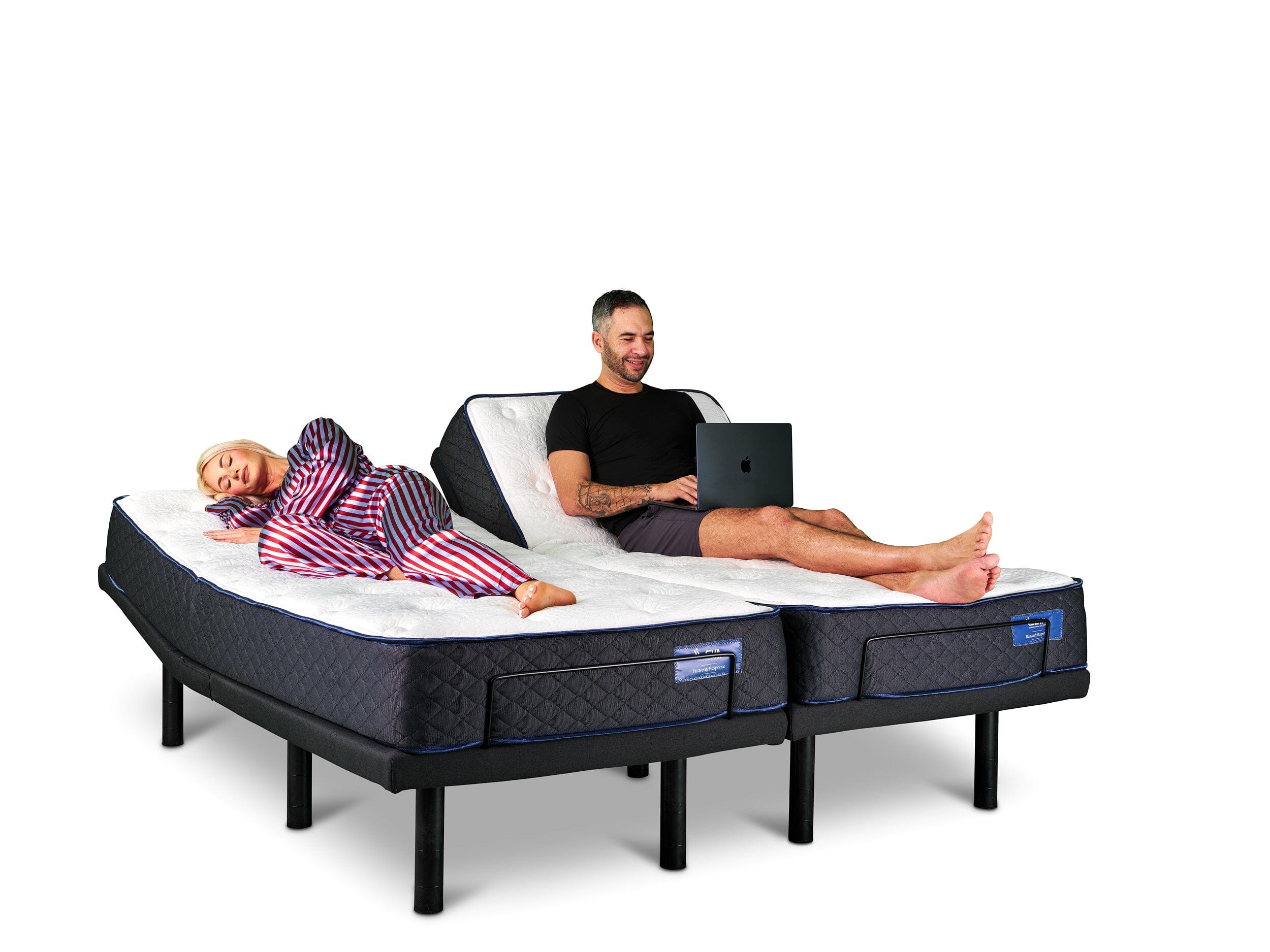
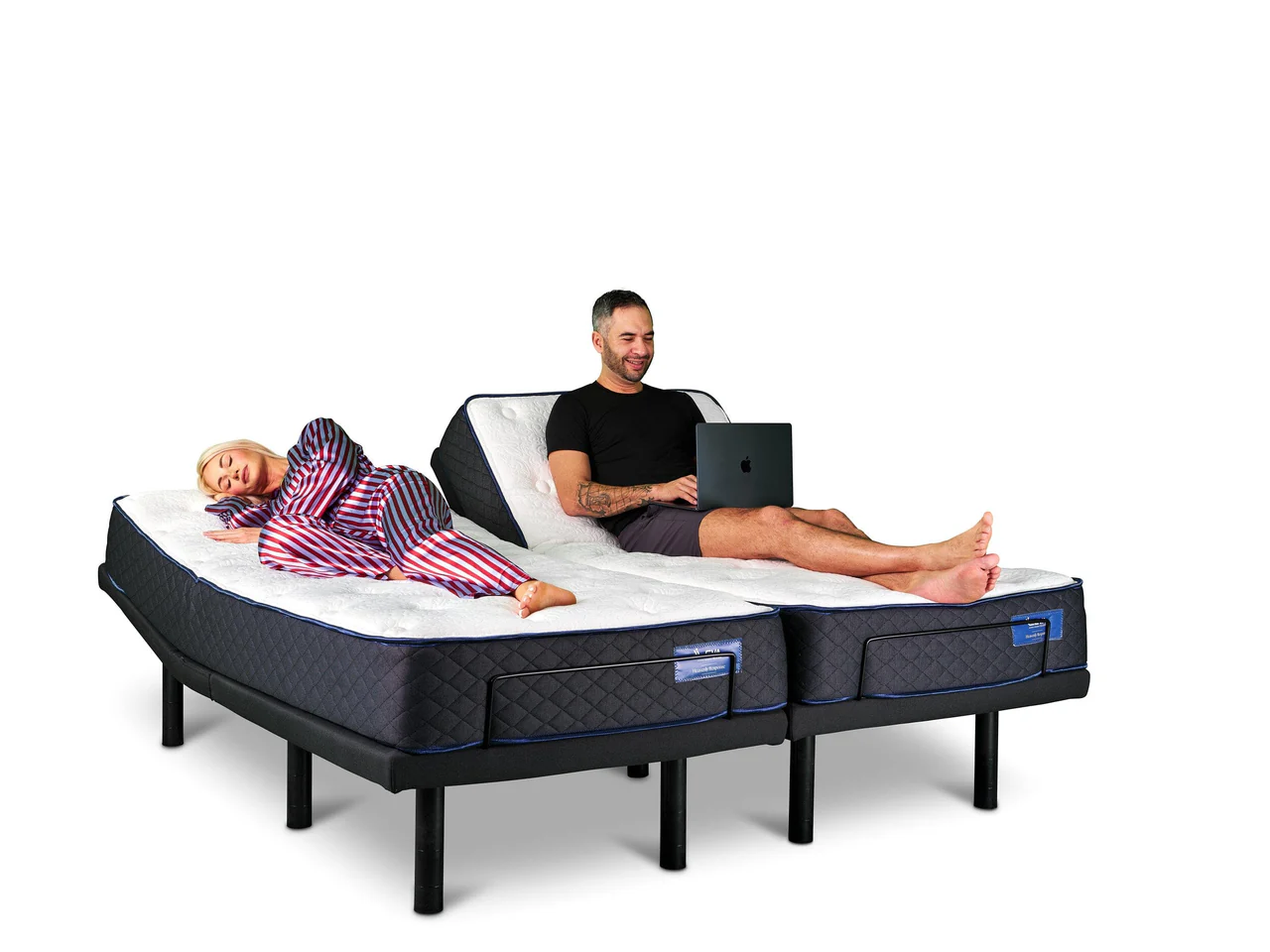
- Couples who want shared sleep without separate rooms can explore Leva Sleep’s split adjustable systems, which let each partner control head angle and firmness independently.
Know Your Snoring Type Before You Start
Start by deciding whether your snoring is positional, nasal, or structural. Positional snoring worsens on your back. Nasal snoring follows congestion or blockage. Structural snoring relates to throat anatomy. Sleep apnea evaluation is warranted when loud snoring accompanies daytime sleepiness, witnessed breathing pauses, or morning headaches. A physician consultation before making positional or device changes is strongly recommended, particularly if neck circumference exceeds 17 inches in men or 16 inches in women, which are recognized risk markers for obstructive sleep apnea.
Step 1: Lock In a Stable Side-Sleeping Position
Objective: Prevent the tongue and soft palate from collapsing into the airway, which happens most easily during back sleeping.
Instructions: Sew a tennis ball into the back of a sleep shirt or place a body pillow behind your torso to discourage rolling onto your back. This low-tech method has supported positional therapy for decades. Smart pillows now use internal sensors to detect snoring and inflate airbags that gently rotate the head to the side, automating what the tennis-ball method does manually.
Outcome: Side sleeping reduces how often the airway collapses. Consistency matters. Most people drift back to sleeping on their back within two weeks without a physical cue.
Step 2: Cut Back Alcohol and Sedatives Before Bed
Objective: Restore normal muscle tone in the throat during sleep.
Instructions: Avoid alcohol for at least three hours before bed. Sedating antihistamines and benzodiazepines relax throat muscles in a similar way. Talk with a physician before changing or stopping any prescribed sedative.
Outcome: Throat muscles keep more tone, which reduces the tissue vibration that creates snoring sound. Alcohol-related snoring often improves within the first night of making this change.
Step 3: Clear Nasal Blockages for Easier Breathing
Objective: Lower airflow resistance through the nose so your mouth can stay closed during sleep.
Instructions: Nasal strips mechanically widen the external nasal valve with spring-loaded adhesive tension, increasing nasal cross-sectional area and reducing airflow resistance in proportion to baseline nasal obstruction. Internal nasal dilators such as the Mute device can open nasal passages by up to 38% and promote nasal over mouth breathing. A saline rinse before bed clears mucus and eases congestion. The “Japanese trick for sleep apnea” mentioned in wellness circles usually means nasal breathing drills and mouth-taping routines that train the body to favor nasal breathing during sleep.
Important limitation: Nasal strips do not improve the apnea-hypopnea index in obstructive sleep apnea and benefit is more likely when snoring originates at the nasal valve rather than the throat or palate. Nasal dilators may not help if snoring starts in the throat, and some people do better combining nasal dilators with oral appliances.
Outcome: Lower nasal resistance reduces the pressure difference that drives mouth breathing and palatal flutter.
Step 4: Build Stronger Throat and Airway Muscles
Objective: Increase pharyngeal muscle tone so tissues are less likely to vibrate during sleep.
Instructions: Myofunctional therapy exercises target the tongue, soft palate, and side walls of the throat. A simple daily routine includes pressing the tongue flat against the roof of the mouth for three seconds and repeating this 20 times. Add three minutes of exaggerated vowel sounds spoken aloud. Include singing, which activates the same muscle groups. Didgeridoo playing has also been studied as an oropharyngeal exercise with measurable effects on airway tone. Consistent practice over six to eight weeks allows structural adaptation.
Outcome: Stronger throat muscles reduce the tissue laxity that allows snoring, especially in positional and mild obstructive cases. While throat exercises improve muscle tone, gravity can provide extra mechanical support.
Step 5: Elevate the Head of the Bed for Gravity Support
Objective: Use gravity to keep the tongue and soft tissues forward and away from the back wall of the airway.
Instructions: Experts recommend against simply using a taller pillow because it bends the neck, which promotes friction and permits snoring to continue. Raising the entire head of the bed works more reliably. Head-of-bed elevation can help reduce snoring. The Zero Gravity preset, which elevates both the head and legs with knees slightly above the heart, serves as an effective anti-snore position when head elevation alone is insufficient.
Adjustable bases provide precise, repeatable elevation at the touch of a button. Leva Sleep’s split adjustable systems let each partner set their own head angle, so the non-snoring partner can stay flat if they prefer. Whisper-quiet German motors keep adjustments discreet during the night.
Step 6: Use Weight Management to Ease Airway Pressure
Objective: Reduce fat deposits around the neck and upper airway that compress and narrow the breathing passage.
Instructions: Work with a physician or registered dietitian to create a caloric deficit using whole-food nutrition and regular aerobic activity. Focus on overall weight loss, since spot reduction does not occur in a targeted way. Track progress with a scale and neck circumference measurements, which are especially useful if you started above the 17-inch (men) or 16-inch (women) risk threshold noted earlier.
Outcome: A 5–10% reduction in body weight can reduce sleep apnea severity or prevent it from starting, while weight gain can increase the risk of developing obstructive sleep apnea. Weight loss often reduces snoring intensity, sometimes dramatically, because extra fat around the neck compresses the airway and causes tissues to vibrate more forcefully.
Step 7: Track Progress and Fine-Tune Your Plan
Objective: Discover which mix of remedies gives the biggest drop in snoring frequency and loudness for you.
Instructions: Use a snoring-detection app (SnoreLab, Sleep Cycle, or similar) to record baseline snoring before changing anything. Once you have that baseline, introduce one new remedy per week and compare each week’s average to your starting level. To see what drives any changes, keep a sleep log that notes alcohol intake, sleep position, nasal congestion level, and bed elevation angle alongside the app’s snoring score. If symptoms persist after eight weeks despite this structured approach, share the log with a physician.
Outcome: Systematic tracking turns guesswork into usable data. You can double down on what works and drop what does not.
Common Mistakes: Adding several remedies at once makes it impossible to know which one helps. Relying on a single pillow for elevation bends the neck and can worsen snoring. Stopping throat exercises before six weeks blocks the structural adaptation you need.
Pro Tips: Combine side-sleeping strategies with head elevation for added benefit. Use a humidifier in dry climates to calm nasal irritation. Pair wearable sleep trackers with adjustable-base apps for integrated data.
When to Seek Professional Help: A formal sleep study is recommended when loud snoring is accompanied by witnessed breathing pauses or other symptoms suggestive of OSA, to measure AHI and determine severity. Lifestyle remedies alone do not replace treatment for moderate-to-severe obstructive sleep apnea.
How to Measure Snoring Improvement
Set a two-week baseline snoring score with a detection app before starting the seven-step plan. After each weekly change, compare the new weekly average with that baseline. Partner feedback offers a useful second metric. Ask about snoring frequency, loudness, and how often snoring causes awakenings. A 30–50% reduction in snoring score within four weeks suggests that your current combination of remedies is working. A plateau or worsening pattern signals the need for physician input.
Advanced Sleep Tools and Smart Adjustments
App-controlled adjustable bases allow micro-adjustments to head elevation in one-degree increments, which lets you fine-tune comfort in ways static wedges cannot match. Temperature control through split cooling-and-heating pads addresses a common issue for couples, where one partner sleeps hot and the other sleeps cold. Wearable trackers (Oura Ring, Whoop, Garmin) export sleep-stage and heart-rate-variability data that, when reviewed with snoring app logs, highlight links between specific remedies and deeper slow-wave sleep. Leva Sleep’s systems are built to work with these data streams so the adjustable base can act as a responsive part of a broader sleep-health plan.
Frequently Asked Questions
What is grade 4 snoring and what remedies apply to it?
Clinical snoring scales typically define three grades, with grade 3 as the most severe category, meaning snoring is loud enough to be heard through closed doors and occurs every night regardless of position. At this level, the risk of underlying obstructive sleep apnea is high. Lifestyle remedies such as side sleeping, alcohol reduction, weight loss, and head-of-bed elevation still make sense as first steps. Severe snoring, however, calls for a formal sleep study to rule out moderate-to-severe sleep apnea before relying only on positional or behavioral changes. An adjustable base that provides head elevation often serves as a non-invasive complement to medical treatment at this stage.
Does head-of-bed elevation actually reduce snoring, and by how much?
Head-of-bed elevation uses gravity to keep the tongue and soft palate from collapsing into the back of the airway. Sleep specialists usually recommend 10–30 degrees of elevation, with 4–6 inches of head rise often enough to produce a measurable drop in snoring. The Zero Gravity position, where head and legs are elevated and knees sit slightly above the heart, can add benefit when head elevation alone falls short. Results vary by anatomy, snoring cause, and baseline severity. Elevation works best when paired with side sleeping and nasal clearance instead of used alone.
What is the pillow trick for sleep apnea?
The pillow trick uses a body pillow or shaped positional pillow to keep you on your side all night. Placing a firm body pillow along your back blocks rolling into a supine position, where airway collapse is most likely. A standard pillow between the knees eases hip pressure and reinforces the side-lying posture. This method represents a form of positional therapy, a behavioral treatment with a long clinical record. It works best for positional sleep apnea, where apnea events occur mainly or only during back sleeping.
Can nasal strips stop loud snoring?
Nasal strips help when snoring starts at the nasal valve, where congestion or structural narrowing limits airflow. They mechanically widen the external nasal valve and lower airflow resistance. For snoring that begins in the throat or soft palate, nasal strips usually offer little benefit. A simple test involves breathing through the nose with one nostril gently pressed closed. If airflow feels clearly restricted, nasal-valve snoring becomes more likely. As noted in Step 3, nasal strips do not treat obstructive sleep apnea itself and do not correct the apnea-hypopnea index.
How much weight loss is needed to reduce snoring?
A 5–10% reduction in body weight is associated with a meaningful drop in sleep apnea severity, which often overlaps with loud snoring. As discussed in Step 6, the 5–10% range turns into concrete numbers. For someone weighing 220 pounds, that means 11–22 pounds, which creates a clear and measurable target. The main effect comes from reducing fat around the neck and throat that narrows the upper airway. Weight loss does not erase snoring in every case, since anatomy, alcohol use, and sleep position still play roles, but it remains one of the highest-impact changes for many overweight adults.
Conclusion: A Structured Path to Quieter Sleep
Loud nighttime snoring often improves with steady, stepwise changes. Side-sleeping support, alcohol reduction, nasal clearance, throat-muscle training, head-of-bed elevation, weight management, and consistent tracking each address a specific mechanism. Used in sequence, they build on one another and can reduce snoring without masks, surgery, or separate bedrooms. For couples, a split adjustable base offers a practical long-term answer, since each partner can keep their preferred elevation and firmness while sharing the same bed every night.