
Written by: Matthew Timmins, Founder and Managing Director, Leva Sleep
Key Ways Adjustable Bases Help Your Back
- Adjustable bases relieve back pain when you use specific elevation angles in a clear sequence, not random trial and error.
- Back, side, and combination sleepers each need different starting angles to support the spine’s natural S-curve and ease disc pressure.
- Small 2-degree changes, a 7–14 day tracking window, and simple lumbar-gap tests turn an adjustable base into real pain relief.
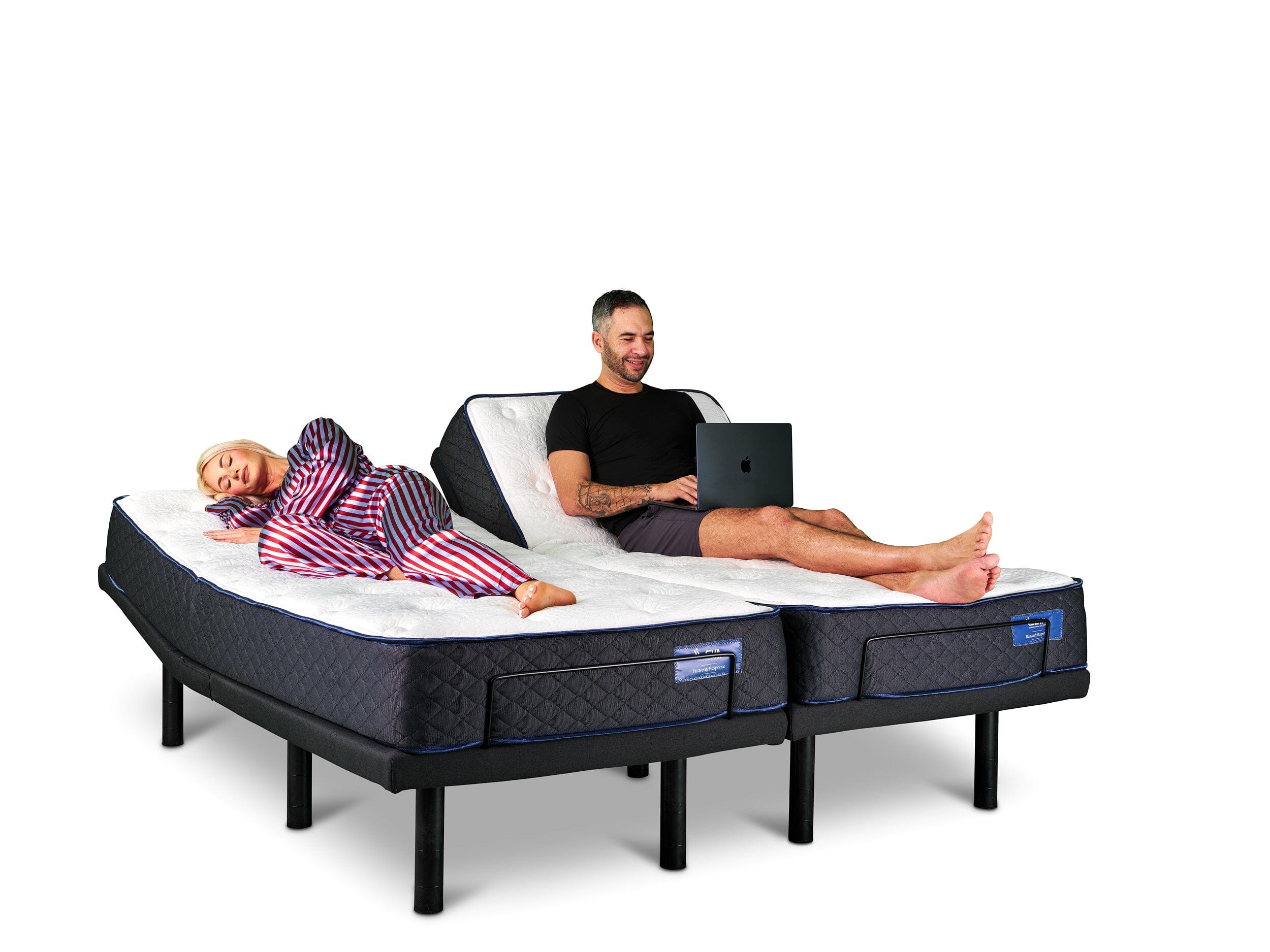
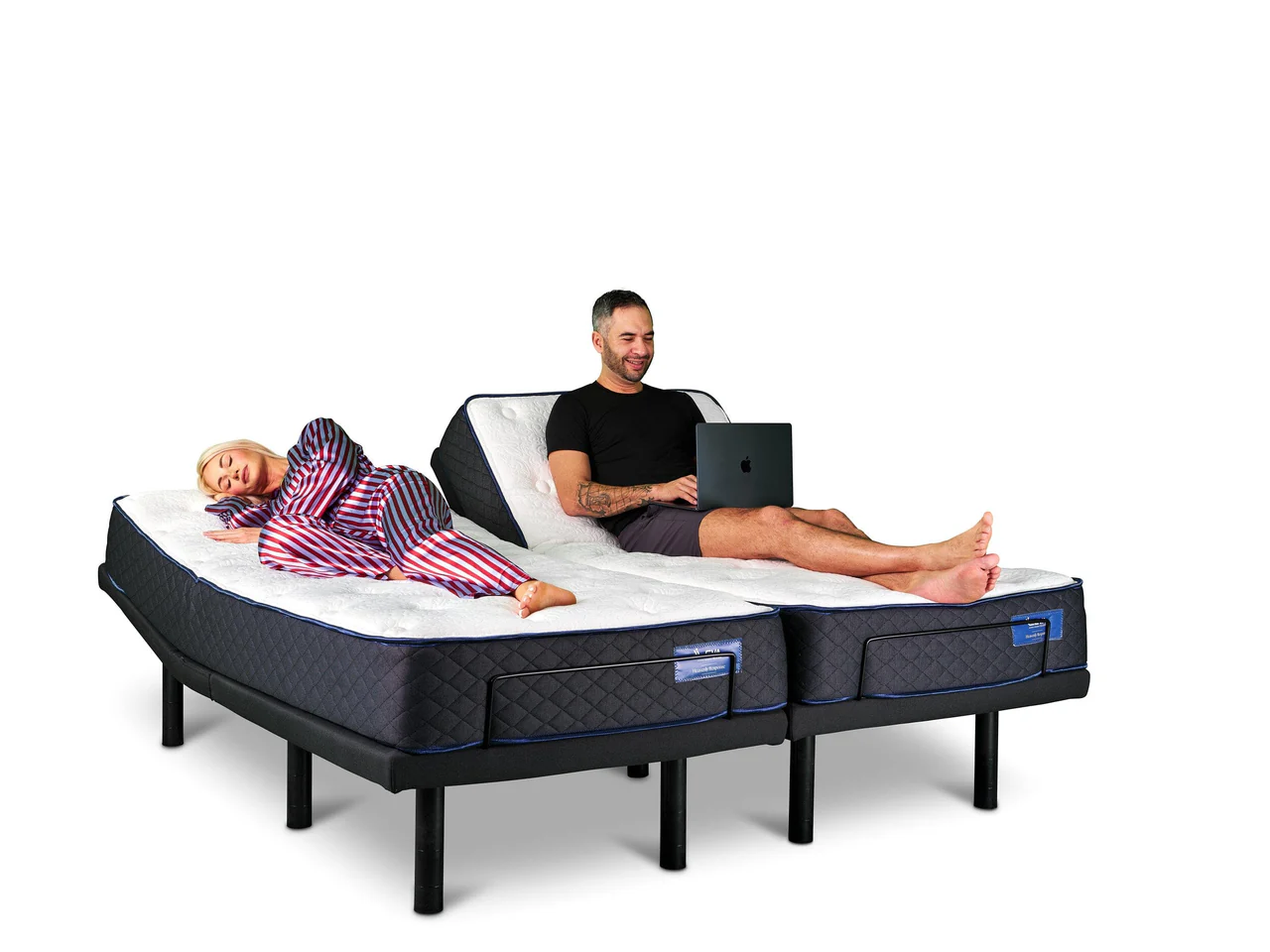
- Split bases with independent controls prevent positioning conflicts for couples and let each person dial in their own spinal alignment.
- Transform your sleep with Leva Sleep by exploring adjustable bases engineered for spinal alignment and back-pain relief.
Set Expectations Before You Adjust Your Base
Start with a clear baseline before changing any elevation angle. Know your diagnosed condition, such as lower-back strain, sciatica, or degenerative disc disease, and follow any physician or physiotherapist guidance on sleep posture. Adjustable bases address posture-related pain effectively, but when pain comes from causes beyond mattress support and positioning, an adjustable base works best as one part of a broader treatment plan.
Plan for a normal adaptation window. The general adaptation window for a new mattress is typically 30-45 days or 6-8 weeks, and shifting pressure points during this time can temporarily strain the spine. For most people, a focused 7–14 day evaluation with small angle changes shows whether a configuration helps. People with chronic back issues may feel stronger initial discomfort while their body adapts to a new sleep surface.
Step 1: Identify Your Main Sleep Position
Objective: Decide whether you are primarily a back, side, or combination sleeper, because each position follows a different elevation plan.
- Spend two nights on a flat surface and note the position you naturally return to when you wake during the night or in the morning.
- Record whether pain centers in the lumbar region, hips, or shoulders, because each pattern highlights a different pressure zone.
- If you share a bed, have your partner complete the same two-night check on their own. On a shared non-split base, raising the head or foot sections moves the entire mattress, which forces both sleepers into the same position and can create conflict when one prefers side-sleeping comfort and the other needs back-sleeping alignment. A split-king or split-queen base avoids this by giving each side independent controls.
Correct outcome: You can name your dominant sleep position and your main pain location before you touch the remote.
Step 2: Set Elevation Angles for a Neutral Spine
Objective: Choose head and leg elevations that support the spine’s natural S-curve and ease disc pressure.
On a flat mattress the midsection can sag into a hammock effect, which compresses intervertebral discs and blocks them from rehydrating overnight. Targeted elevation counters this sag and supports the spine more evenly.
- Back sleepers, starting position: Raise the head and foot sections to form a gentle V-shape. Keep the lumbar spine in contact with the mattress while avoiding an exaggerated forward tilt of the pelvis.
- Side sleepers, starting position: Use moderate elevation at the head and foot to create a soft curve that mirrors the spine’s natural S-shape and keeps hips and shoulders better aligned. Add a pillow between the knees. The adjustable base manages vertical spinal alignment, while the knee pillow keeps the hips level and reduces pelvic tilt, a combination the Canadian Chiropractic Association recommends.
- Zero-gravity position for lumbar decompression: The zero-gravity position raises the head and knees above the heart, with the torso and legs forming roughly a 120-degree angle, which spreads weight more evenly and eases spinal compression. This position mimics weightlessness, decompresses the spine, and relieves pressure on the lumbar region and coccyx, especially for people with sitting-related back pain. Most bases include a preset zero-gravity button. If yours does not, aim for about 15–20 degrees at the head with the knees raised above heart level.
- Whichever starting position you choose, change angles in 2-degree steps only and keep each change for at least two nights before adjusting again.
Correct outcome: Morning lumbar stiffness eases over 7–14 days, and you can lie flat without feeling your lower back lift away from the mattress.
Step 3: Fine-Tune Lumbar Support After Setting Angles
Once you have stable head and foot angles, focus on the small gap that often remains under the lower back. This final adjustment helps the lumbar muscles relax fully.
Objective: Remove the gap between the lumbar spine and the mattress surface so lower-back muscles can release overnight.
- Raising the knees a few degrees narrows the gap under the lumbar spine, tilts the pelvis, and lets the lower-back muscles that held you upright all day finally rest. If your base has a lumbar-support zone, turn it on at the lowest setting first.
- Slide one hand under the small of your back while lying in your chosen position. If you feel a gap larger than one hand-width, raise the knees by 2 degrees and retest.
- For sciatica, focus on leg elevation more than head elevation. Elevating the legs supports venous return to the heart, which helps clear metabolic waste and reduces swelling and inflammation in the lower back.
- Couples on a split base should adjust each side separately. Independent head and foot controls let each sleeper raise or lower their own sections without disturbing their partner.
Correct outcome: The lumbar spine rests fully on the mattress, lower-back muscles feel relaxed within about 10 minutes, and morning pain scores trend downward.
Explore Leva’s adjustable bases with precision lumbar control and whisper-quiet motors, features that make fine-tuning your spinal alignment simple for both solo sleepers and couples.
Common Adjustable-Base Mistakes That Aggravate Pain
- Skipping the adaptation window: Mild to moderate morning stiffness that fades during the day and improves each week usually reflects a normal adjustment phase. Avoid abandoning a configuration after a single night.
- Making large angle jumps: Changes greater than 2 degrees at a time can overload muscles and ligaments before they adapt, which increases soreness.
- Raising only the head: An anti-snore incline at 30–45 degrees at the head without leg elevation can raise lower-back pressure.
- Ignoring mattress compatibility: Some mattresses do not flex safely on an adjustable base. Use a mattress rated for articulating frames, or the foam or coils may resist bending and transfer stress to your spine.
- Expecting one setup to suit both partners: On a non-split base, one person’s ideal angle can place the other in a position that worsens their pain.
Pro Tips for Daily Use and Testing
- Save your ideal position as a preset in the app or remote so you can return to it quickly after getting up at night.
- When you test a new angle, adjust it at least 30 minutes before sleep so your body can settle before you judge comfort.
- Use the massage or wave function on low for 10–15 minutes before bed to ease lingering muscle tension in the lumbar area.
- Choose fitted sheets with deep pockets and strong elastic made for adjustable bases, because sheets that pop off can disrupt sleep and skew your pain scores.
Warning Signs That Need Professional Care
Back pain that persists, worsens, or appears with sharp shooting pain, numbness, tingling, weakness in the feet or ankles, or loss of bladder or bowel control can signal an underlying medical issue. Stop experimenting with angles and see a physician or physiotherapist if you notice any of these symptoms.
Measuring Whether Your Setup Works
Track results over 7–14 days using three simple measures.
- Morning pain rating: Score lower-back pain on a 0–10 scale as soon as you wake, before you get out of bed, and log the score daily.
- Nighttime awakenings: Note how many times pain wakes you and forces you to reposition. A steady drop over 7–14 days suggests the configuration helps.
- Partner feedback on split bases: Each partner tracks their own pain score and awakening count to see whether the setup helps both people or mainly one.
If your 14-day log shows no improvement in pain or awakenings, revisit your angle plan or speak with a specialist before more changes.
Work with Leva’s sleep specialists to identify the right adjustable base configuration for your specific back condition; they can also help you interpret your 7–14 day tracking data and refine your angles.
Advanced Adjustments Once You Have a Baseline
After you settle on a stable baseline configuration, add refinements that match your habits and tools.
- Sleep-tracking integration: Pair the base with a wearable sleep tracker to link specific presets with deep-sleep duration and restless-movement counts. This adds objective data to your pain ratings.
- Side-sleeper micro-adjustments: Many people spend much of the night on their side, and keeping natural spinal curvature in this position requires different support at the shoulders, waist, and hips. Side sleepers often benefit from small foot-elevation tweaks that reduce hip rotation pressure.
- Temperature regulation for couples: Couples using a split base can add separate temperature-regulating pads on each side. Thermal comfort affects muscle tension, so a partner who sleeps hot and tense may need a slightly lower elevation than they would at a neutral temperature.
Frequently Asked Questions
Is it safe to sleep in the zero-gravity position every night?
For most adults without specific contraindications, nightly zero-gravity sleep is considered safe. This position spreads body weight across the mattress, lowers lumbar disc pressure, and supports venous return. People with certain cardiovascular conditions or recent surgeries should confirm suitability with their physician before using elevated positions consistently.
How long does it take to adjust to an adjustable base with degenerative disc disease?
Users with back conditions may experience a longer or more intense initial discomfort phase beyond the standard 30–45 day adaptation window mentioned earlier. A practical plan starts at the lowest effective elevation, usually 10–15 degrees at both head and foot, then increases by 2-degree steps every two to three nights. Track morning pain scores daily. If stiffness or soreness worsens instead of improving over the first four weeks, consult a spine specialist before you continue.
Can a split adjustable base fully solve different partner needs?
A split-king or split-queen base lets each partner control their own head and foot elevation, massage level, and, on some systems, lumbar support. This setup removes the main conflict on shared bases, where one person’s preferred angle forces the other into a poor position. Remaining differences such as mattress firmness and temperature can be handled with dual-zone mattresses and individual temperature pads. No single product removes every difference, but a well-configured split base resolves most positioning conflicts without separate beds.
What mattress types work best with an adjustable base for back pain?
Mattresses built for articulating frames, usually all-foam or hybrids with pocket coils, bend with the base without forming pressure ridges at hinge points. Innerspring mattresses with tied coils resist bending and can pass mechanical stress into the lumbar region, which works against elevation benefits. When you evaluate a mattress for an adjustable base, confirm that the maker rates it for articulating frames and that the foam or coil layers are thick enough to support you at the angles you plan to use.
What should couples look for when shopping for a split adjustable base?
Focus on independent head and foot controls on each side, quiet motors that do not wake the other partner during adjustments, and a frame weight rating that covers both sleepers plus the mattress. Helpful extras include a lumbar-support zone, app-based presets so each partner can return to their ideal position quickly, and compatibility with the specific mattress on each side. A specialist retailer that carries 15 or more adjustable models usually matches couples’ differing needs better than a general furniture store with only a few options.
Leva’s adjustable base specialists carry 15–20 models and can match configurations to your specific spinal alignment needs, drawing on the selection depth described in the FAQ above.
Conclusion: Turn Your Adjustable Base Into Real Relief
Adjustable bases improve spinal alignment and reduce back pain by using precise head and leg elevation to support the spine’s S-curve, close the lumbar gap, decompress discs, and shift weight away from pressure points. A methodical protocol works best: identify your sleep position, set starting angles within the 15–20 degree head and 10–15 degree foot range, fine-tune lumbar contact in 2-degree steps, and track morning pain scores for 7–14 days. Couples with different needs benefit from a split base with independent controls, because a shared non-split base forces both sleepers into one position. Some initial discomfort during the first two to four weeks is common, but worsening pain or neurological symptoms require professional evaluation. Small, consistent changes, steady tracking, and patience with the adaptation window determine whether an adjustable base delivers measurable relief.
Work with a Leva specialist who has helped more than 25,000 customers apply this step-by-step approach to adjustable base configuration and improve how they sleep.