
Written by: Matthew Timmins, Founder and Managing Director, Leva Sleep
Key Takeaways for 80/20 Sleep and Couples
- The 80/20 sleep rule focuses on a few high-impact habits like bed positioning, environment, light, and flexible scheduling to improve rest.
- Couples face unique sleep challenges from snoring, movement, and temperature differences that traditional flat beds rarely solve without compromise.
- Split adjustable bases give each partner independent control, which reduces disruptions and supports better positioning for snoring and back pain.
- Flexible consistency, where you follow core habits about 80% of the time, works better than rigid routines, especially when life gets busy.
- Leva Sleep’s specialized split adjustable systems help couples apply this 80/20 approach; explore their split adjustable options to upgrade your shared sleep.
How the 80/20 Sleep Rule Works for Adults
The 80/20 sleep rule applies the Pareto principle to adult sleep, not baby schedules. It focuses on flexible, high-impact changes that fit real life and shifting routines.
The core concept highlights four areas where a small amount of effort drives most of your sleep improvement:
1. Bed Setup and Positioning (40% impact): Your sleep surface and your ability to adjust positions during the night.
2. Wind-Down Environment (30% impact): The conditions that help your brain and body shift into sleep mode.
3. Light and Stimulant Management (20% impact): How you handle light exposure and caffeine so your natural sleep cycles stay on track.
4. Flexible Schedule Consistency (10% impact): Keeping a steady rhythm most days while still making room for real-life demands.
This approach differs from perfectionist systems like the 5-3-3 rule that demand exact timing. The 80/20 sleep rule favors consistency in these areas over time instead of rigid routines that often collapse during stressful periods.
Why Couples Struggle with Sleep Even When They Try
For couples, applying the 80/20 rule becomes even more important because shared beds magnify small sleep issues. Despite widespread awareness of sleep’s importance, one-third of American adults get less than seven hours of sleep per night, and couples face extra challenges on top of that.
Partner disruptions create a chain reaction of sleep problems. Snoring affects both the snorer and their partner, often causing repeated awakenings. Movement from one partner searching for a comfortable position on a flat mattress disturbs the other. Temperature differences leave one person too hot while the other feels cold.
These physical differences push couples into uncomfortable compromises. Traditional flat beds force both partners to accept the same firmness level, elevation, and temperature, which rarely matches both people’s needs. Many couples end up with chronic fatigue, rising frustration, and even “sleep divorce,” where they move to separate bedrooms.
Modern life adds more pressure. Late work calls, social plans, and rotating schedules make strict sleep rules unrealistic. Many couples feel “perfection anxiety” about sleep and stress when they cannot follow ideal routines every night. That stress often makes falling and staying asleep even harder.
Step-by-Step 80/20 Blueprint for Better Sleep
The 80/20 approach focuses on flexible, high-impact changes that still work when life gets messy. Use this numbered guide to put the system into practice.
1. Establish 80% Schedule Consistency
Set a consistent wake time and protect it most days. Aim to keep that wake time about 80% of the week, even when bedtime shifts.
Give yourself room for late nights or special events without guilt. Use smart alarms and app-based reminders to support this rhythm when your evenings vary.
2. Upgrade Your Sleep Environment for Maximum Impact
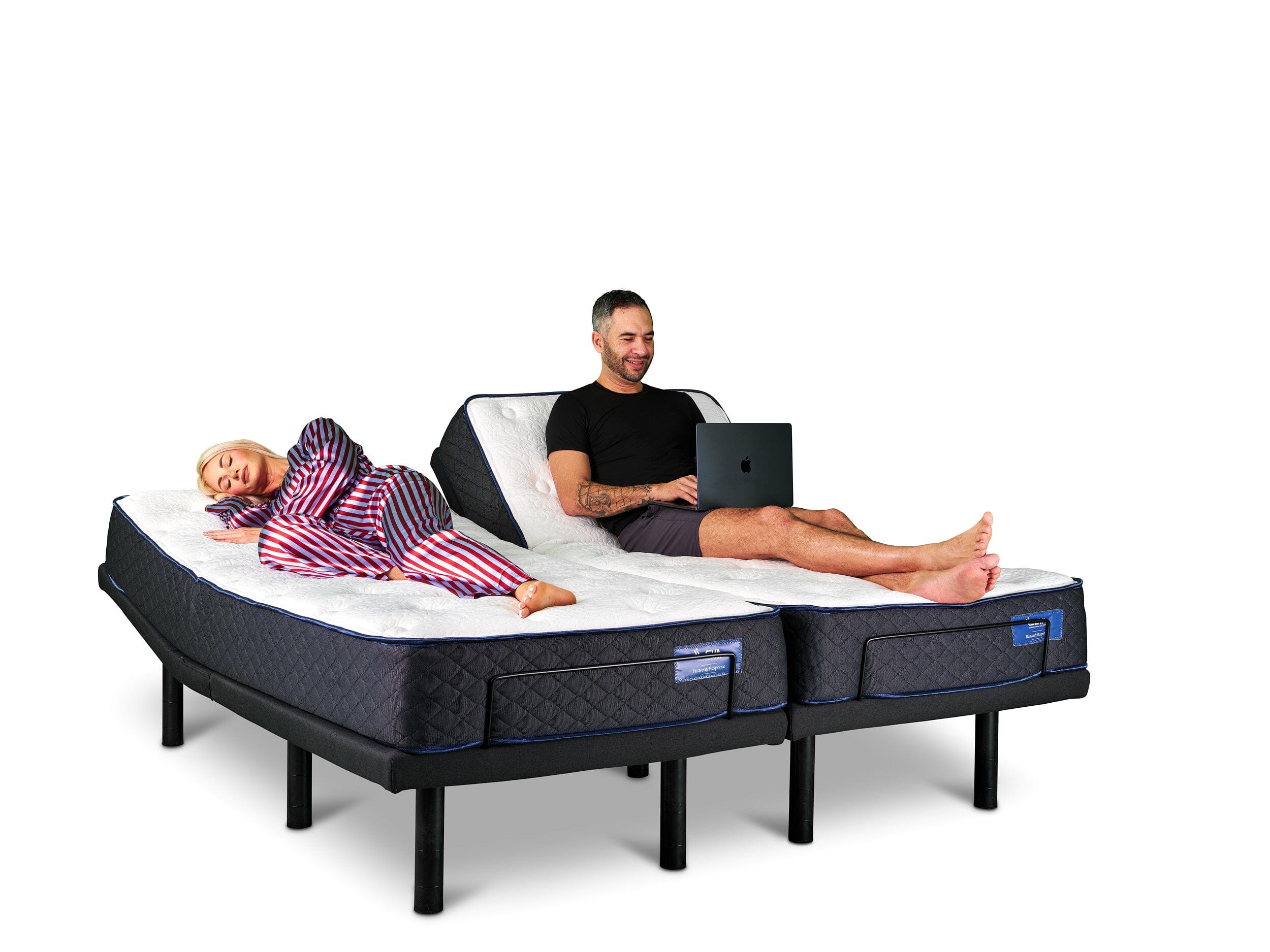
Your bed setup delivers the biggest return on effort. Split adjustable bases let each partner customize their position independently, which directly reduces many common disruptions.
Head elevation in the 15 to 30 degree range can ease snoring by helping keep airways more open. Leg elevation can reduce lower back pressure and support circulation. Quiet motors allow these adjustments without waking your partner.
For couples where one partner needs elevation for sleep apnea or back pain and the other prefers lying flat, independent controls remove the need for constant compromise. This customization extends beyond manual positioning, since advanced systems can detect snoring and make small automatic changes that reduce noise before it fully wakes either person.
3. Apply 80/20 Thinking to Caffeine and Light
Use a practical rule for stimulants instead of strict bans. Avoid coffee after 2 PM most days, while allowing exceptions when needed.
Dim lights about an hour before your usual bedtime on typical nights. Relax your standards during travel or social events so you stay consistent overall without obsessing about perfection.
4. Use Flexible Recovery Protocols After Rough Nights
Plan for off nights so they do less damage. When sleep gets cut short, use preset positions on your adjustable base that support deeper, more restorative sleep.
A slight elevation can support better breathing and deeper stages of sleep. Gentle massage functions can help release tension after stressful days so your body unwinds faster.
80/20 Sleep for Couples: Ending the Need to Compromise
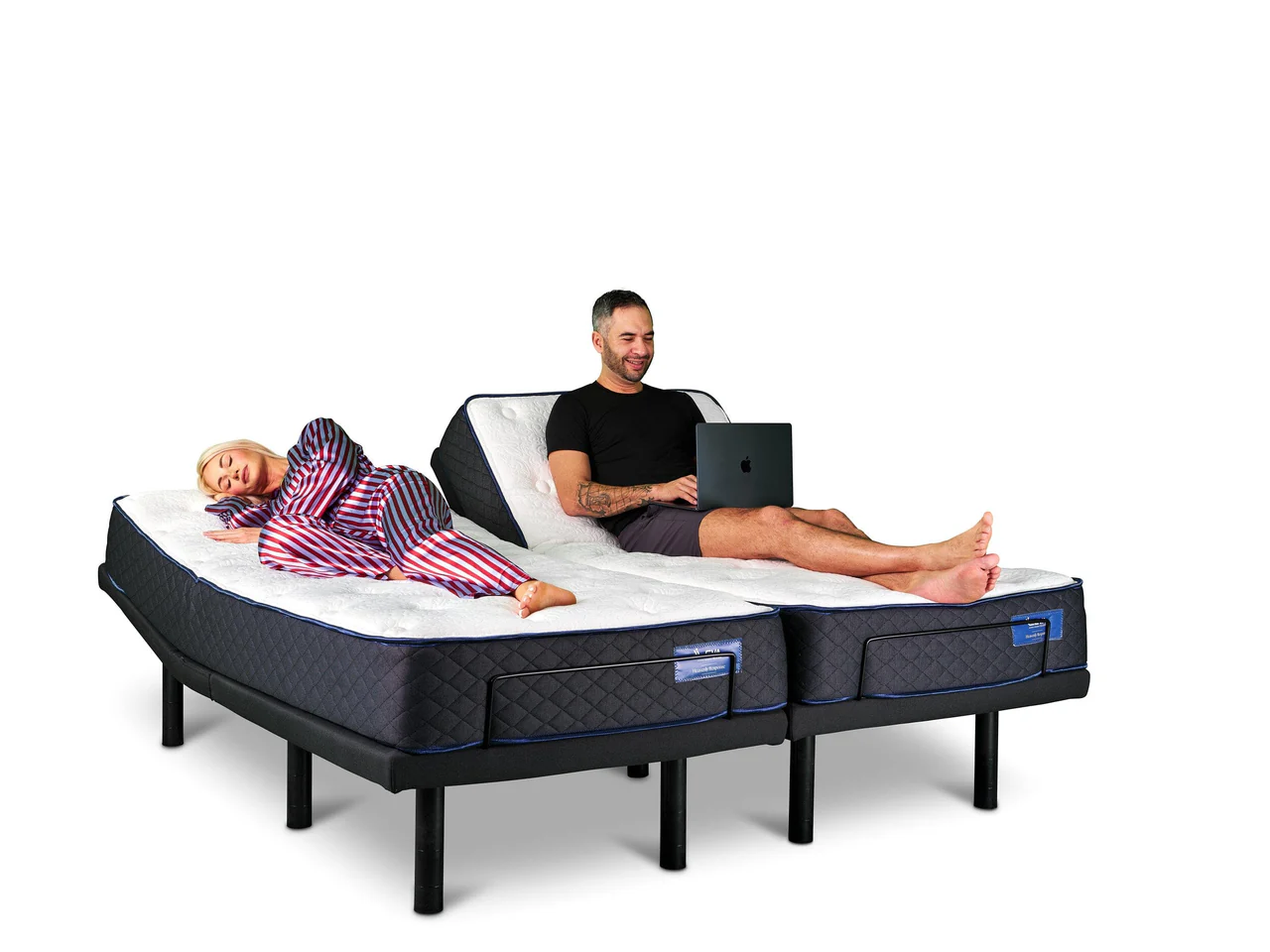
The most powerful 80/20 upgrade for couples comes from removing forced compromise with split adjustable bases. Leva Sleep specializes in Split Queen and Split King configurations that give each partner real control over their side of the bed.
One partner can sleep with head elevation to reduce snoring or manage sleep apnea, while the other stays flat. Different mattress zones or toppers on each side support individual firmness preferences. Compatible heating and cooling systems allow each person to fine-tune temperature.
This setup turns the bedroom from a negotiation zone into a space where both partners can improve their sleep at the same time. Whisper-quiet German motors keep adjustments discreet, and app-controlled presets make it easy to return to favorite positions without constant trial and error.
Split Queen options offer these benefits in a smaller footprint, which suits couples who want personalized comfort in tighter spaces. See Split Queen pricing and configurations that come in at roughly 30 to 50 percent less than comparable competitors.
Real-Life 20% Flex Scenarios and Simple Fixes
Real life rarely follows a perfect schedule, and the 80/20 sleep approach builds that flexibility in from the start.
Late Work Nights: Use recovery presets that support deeper sleep during shorter windows. Slight elevation and massage can help your body calm down and fall asleep faster.
Partner Snoring Episodes: Automatic anti-snore detection can make gradual adjustments without you needing to intervene, which often prevents full awakenings.
Travel and Schedule Changes: App-controlled systems help you recreate your usual positions in new environments. Integrated sleep tracking shows how these changes affect your rest so you can adjust with confidence.
Advanced systems that connect with wearables provide clear feedback on how your 80/20 plan is working. You can then refine your high-impact habits based on real data instead of guesswork.
Why Leva Sleep Fits the 80/20 Approach
Leva Sleep focuses on adjustable sleep systems, which makes the company well suited to support couples using the 80/20 method. With 15 to 20 adjustable models, compared to the 3 to 5 at many general retailers, Leva offers more precise options for different needs.
The company manages design, assembly, and white-glove delivery, so each part of the system works together smoothly. US-made mattresses from partners like Airloom and Helix are built for adjustable bases, and the bedding includes extra elastic and remote pockets that stay in place as positions change.
Leva’s upcoming anti-snore technology reflects this 80/20 focus by targeting one of the most common couple sleep disruptions automatically. Experience these specialized adjustable systems firsthand to see how they can support your 80/20 sleep plan.
Frequently Asked Questions
How does 80/20 sleep differ from chasing perfect sleep?
The 80/20 approach accepts that perfect conditions rarely last in real life. It focuses on a small set of habits that drive most of your sleep improvement instead of strict rules that create anxiety.
This mindset reduces pressure around bedtime and makes your routine easier to maintain for years, which usually leads to better results.
How does the 80/20 rule help with snoring?
The 80/20 approach treats positional changes as a high-impact tool for snoring. It highlights the head elevation strategy described earlier and pairs it with automatic anti-snore adjustments in advanced systems.
This focus addresses a major cause of disrupted sleep for couples without requiring flawless habits in every other area.
Is a Split Queen a smart choice for couples using 80/20 sleep?
Split Queen beds work well for couples who want independent control in a smaller room. Each partner can adjust elevation, firmness add-ons, and temperature tools on their side without affecting the other person.
This setup supports the 80/20 idea by giving each person direct control over the few changes that matter most to their sleep.
How does Leva Sleep compare to Sleep Number for this approach?
Leva Sleep focuses on adjustable systems rather than general bedding, which allows deeper expertise and more model variety. Quiet motors, anti-snore features, and tailored bedding support couples who want fine-tuned positioning.
This emphasis on full-body positioning, not just air chambers, gives more options for addressing different sleep needs on each side of the bed.
How can I track my progress with an 80/20 sleep plan?
Modern adjustable bases often connect to sleep tracking apps and wearables. These tools show changes in sleep duration, depth, and disruptions over time.
You can then see which specific changes deliver the biggest gains and adjust your routine based on clear evidence.
Conclusion: A Practical Path to Better Couple Sleep
The 80/20 rule turns sleep from a rigid checklist into a practical system built around a few powerful habits. By focusing on bed positioning, a supportive environment, and flexible consistency, couples can improve rest without chasing perfection.
Split adjustable bases act as a central tool in this system, since they remove compromise and target common disruptions with independent controls and features like anti-snore detection. Start your 80/20 sleep transformation and see how the right setup can help you both wake up more rested, more energized, and better prepared for each day.