
Written by: Matthew Timmins, Founder and Managing Director, Leva Sleep
Key Takeaways
- Head elevation using adjustable beds is the most effective long-term solution for preventing positional airway collapse and reducing snoring.
- Weight loss, side sleeping, throat exercises, avoiding alcohol and smoking, nasal treatments, oral appliances, and medical evaluation form a comprehensive seven-part strategy.
- Split adjustable beds give couples independent controls, so each partner can address snoring and comfort needs while staying in the same bed.
- Leva Sleep’s quiet systems with anti-snore technology (launching Spring 2026) deliver premium results at prices typically 30–50% below traditional retail.
- Couples can start reclaiming shared restorative sleep by exploring Leva Sleep’s split adjustable beds for personalized snoring solutions.
Why Snoring Persists and Disrupts Couples’ Sleep
Snoring results from partial airway obstruction during sleep, which causes tissue vibration and the familiar snoring sound. Primary causes include positional airway collapse when lying flat, nasal congestion, excess throat tissue from weight gain, and muscle relaxation from alcohol consumption. Research shows that sleeping position strongly affects airway openness, and lying on the back increases obstruction risk.
The consequences extend beyond the snorer. Partners experience frequent awakenings, chronic fatigue, reduced focus during the day, and growing relationship strain. Elevation therapy offers an effective non-invasive solution for many mild cases, because it preserves couple intimacy while addressing the root cause of positional airway collapse.
7 Long-Term Strategies to Reduce Snoring for Couples
1. Elevate the Head of the Bed with Adjustable Bases
Head elevation serves as the most effective long-term snoring solution for many couples. This elevation prevents gravitational airway collapse while allowing people to keep their natural sleep positions. Clinical research on positional therapy shows meaningful benefits for mild obstructive sleep apnea and positional snoring.
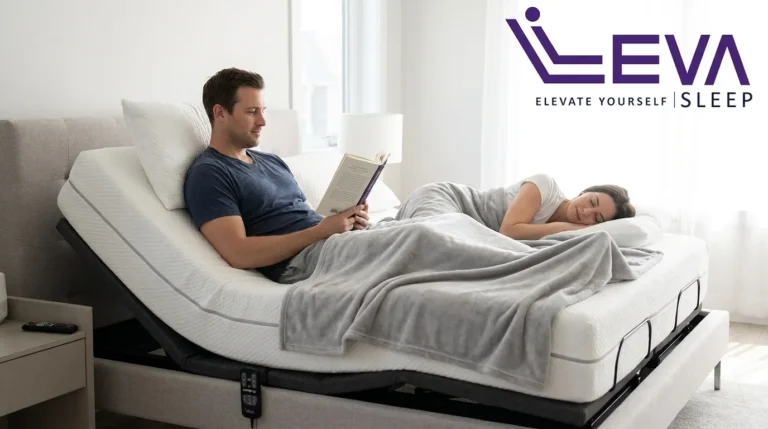
Leva Sleep’s split adjustable systems provide quiet elevation with independent controls for each partner. Customers report noticeable reductions in snoring severity and fewer nighttime disruptions. Advanced models feature anti-snore technology launching Spring 2026, which automatically detects snoring episodes and makes small adjustments to improve airway positioning throughout the night.
2. Combine Weight Loss with Side Sleeping
Excess weight contributes to snoring by increasing throat tissue and narrowing the airway. Losing weight can reduce both snoring frequency and intensity over time. Side sleeping also helps because it limits the tongue and soft palate collapse that often occurs when lying on the back.
Combining weight management with positional therapy produces stronger results than either approach alone. Adjustable beds support comfortable side sleeping while still providing the elevation benefits that help keep the airway open in any position.
3. Practice Throat and Oral Exercises
Targeted exercises strengthen throat muscles and improve airway tone. Consistent practice can reduce snoring for some people. Helpful exercises include tongue slides, soft palate stretches, and throat muscle contractions performed daily for 10–15 minutes.
These routines work best as a supportive strategy alongside elevation therapy and lifestyle changes. Over time, stronger airway muscles can make snoring episodes less frequent and less intense.
4. Avoid Alcohol and Smoking Before Bed
Alcohol relaxes throat muscles, which increases the risk of airway collapse during sleep. Smoking causes inflammation and swelling in nasal passages and throat tissues, which narrows airflow. Eliminating these substances, especially within four hours of bedtime, can significantly reduce snoring severity.
Reducing alcohol and smoking addresses the muscle relaxation and tissue irritation side of the problem. Nasal obstruction, however, often requires a different set of solutions.
5. Treat Nasal Congestion and Blockage
Chronic nasal obstruction forces mouth breathing, which raises the likelihood of snoring. Saline rinses, nasal decongestants, and allergy management can provide short-term relief and improve airflow. These approaches help manage symptoms but do not correct underlying positional airway collapse.
Many couples see the best results when they pair nasal treatments with elevation therapy. This combination supports clearer nasal breathing while also improving throat and airway alignment.
6. Use Custom Oral Appliances
Custom-fitted mandibular advancement devices reposition the jaw to help keep the airway open. Dentists or sleep specialists typically fit these devices. They often work well in combination with elevation therapy, creating a more complete airway management plan that remains compatible with adjustable sleep systems.
People who cannot tolerate CPAP masks sometimes prefer this approach. Elevation plus an oral appliance can reduce snoring and mild sleep apnea symptoms without bulky equipment.
7. Seek Medical Evaluation for Persistent Snoring
Persistent or very loud snoring may signal sleep apnea or other medical conditions that require professional assessment. Sleep studies can identify underlying disorders and guide appropriate treatment strategies, including CPAP, oral appliances, or surgical options.
The following comparison highlights how three leading solutions perform in terms of effectiveness and impact on couples.
| Solution | Efficacy Rate | Couple-Friendliness |
|---|---|---|
| Leva Adjustable Beds | Significant reduction | High, independent controls |
| Weight Loss | Significant improvement | Medium, long-term commitment |
| Throat Exercises | Reduction in snoring | High, non-disruptive |
See how Leva’s anti-snore technology transforms sleep for couples.
Best Adjustable Beds for Snoring: No-Compromise Split Systems
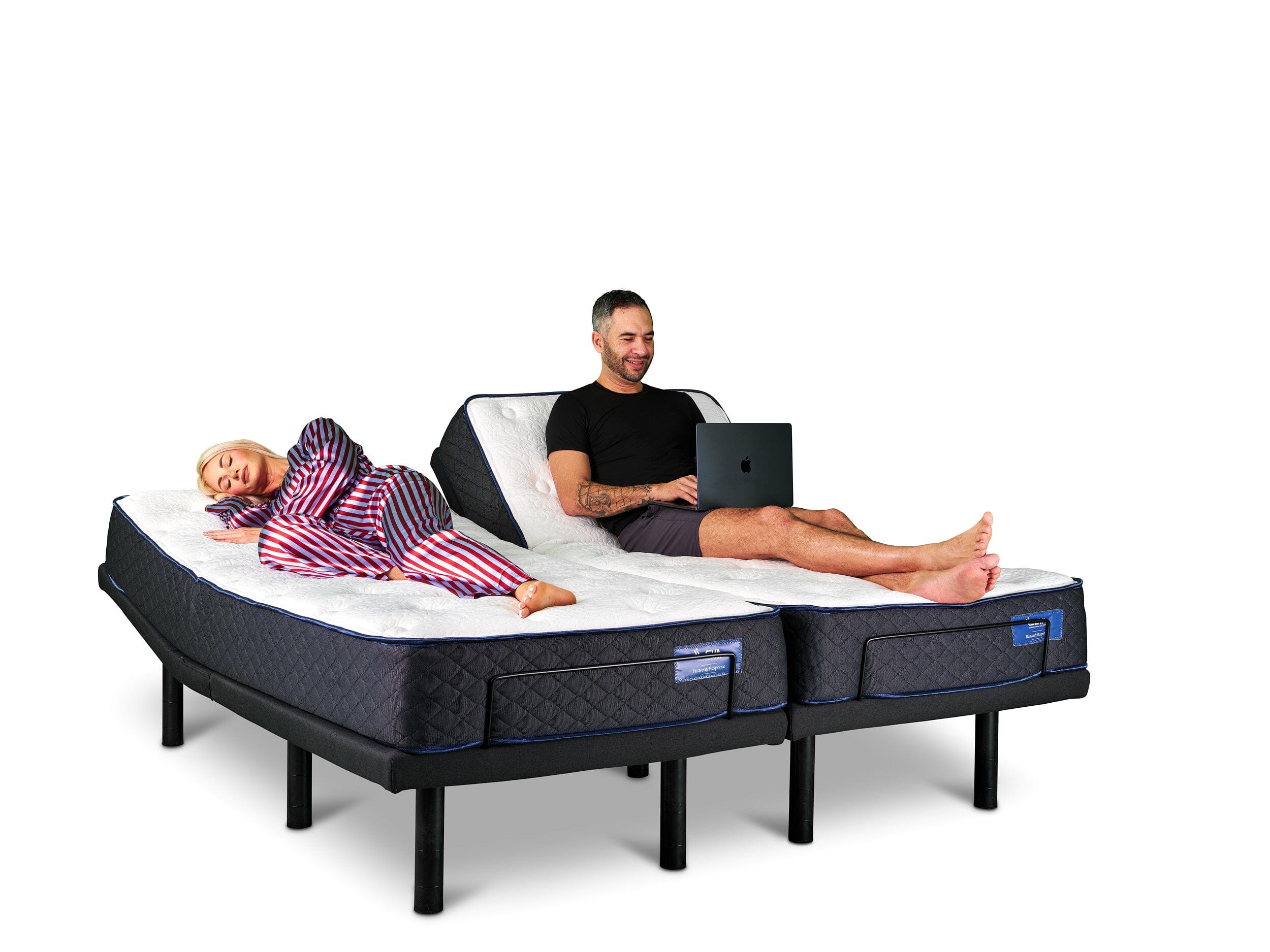
Split adjustable beds address snoring while preserving comfort and intimacy for both partners. Unlike flat mattresses or bulky CPAP setups, these systems let couples share a bed while tailoring their own sleep positions. Leva Sleep’s split queen and king configurations include independent app controls, so each partner can adjust elevation, firmness, and temperature settings.
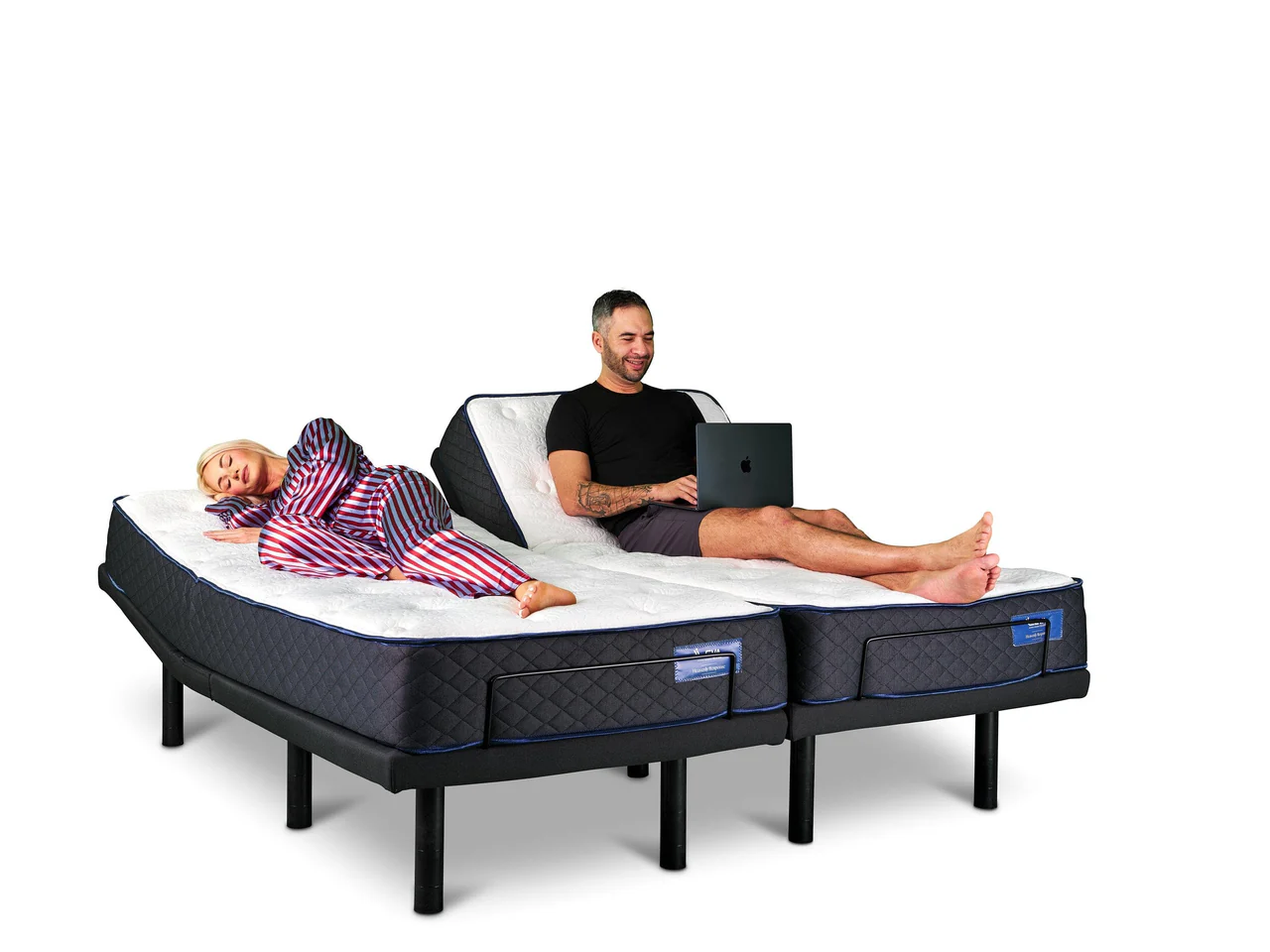
The company’s vertical integration model keeps manufacturing and assembly under direct control, which supports premium engineering at more competitive prices than traditional retail. This structure also enables pairing US-made mattresses with German precision motors for quiet, smooth operation that respects a partner’s sleep. White-glove delivery throughout Southern California completes the experience with professional setup and removal of the old bed.
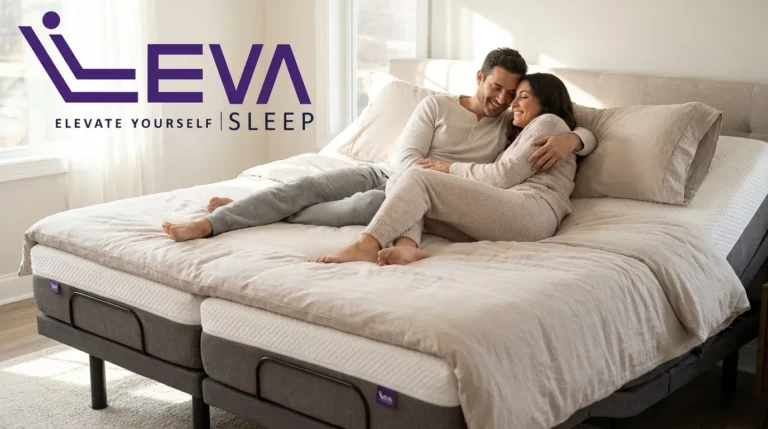
Customer testimonials frequently mention relationship improvements alongside snoring reduction. Couples avoid “sleep divorce” by maintaining shared sleeping arrangements while still addressing individual comfort and health needs through personalized positioning.
How to Choose and Use Anti-Snore Adjustable Beds
Effective anti-snore beds share several key features. Split configurations give couples independent control. Quiet motor operation prevents new sleep disruptions while solving snoring. App-based controls allow precise positioning adjustments without reaching for clunky remotes. Split queen options add another benefit by maximizing space efficiency in smaller bedrooms while still delivering full adjustability.
Proper setup starts with gradual elevation changes. Many people begin with two to three inches of lift, then increase slowly until they reach the level described earlier that best supports their breathing. Leva Sleep’s professional installation service includes personalized adjustment guidance and specialized bedding designed to move smoothly with adjustable bases.
Experience Leva’s split adjustable systems firsthand at the La Jolla showroom.
Clinical Evidence and Real-World Results for Elevation Therapy
Elevation therapy’s benefits for positional snoring rest on a clear mechanical principle. Gravity-assisted airway support helps prevent the soft tissue collapse that occurs in flat sleeping positions and produces the vibration that causes snoring sounds. Clinical studies show that modest head elevation can reduce snoring episodes in many positional snorers and improve overall sleep quality.
Leva Sleep’s track record includes partnerships with premium brands like Airloom and Tempur-Pedic, which reflects a focus on quality components and design. Customer feedback from couples using elevated and split configurations provides real-world validation of elevation therapy’s effectiveness in reducing snoring and restoring shared sleep.
FAQ: Stopping Snoring Permanently
Can adjustable beds stop snoring without CPAP machines?
Adjustable beds can address the positional component of snoring by maintaining better airway alignment through elevation. Leva Sleep’s anti-snore mode automatically adjusts positioning when snoring is detected, which supports more consistent airway openness without masks or hoses. This approach works particularly well for positional snorers and some mild sleep apnea cases.
What is the best adjustable bed configuration for couples?
Split configurations usually offer the strongest solution for couples with different comfort needs. Split queen beds save space while still providing independent controls for each side. Split king configurations provide maximum individual room and customization. Both options allow one partner to elevate for snoring reduction while the other maintains a preferred position.
Are adjustable beds noisy and disruptive?
Modern adjustable beds use German precision motors that operate at low sound levels, quieter than most household appliances. Leva Sleep’s engineering focuses on smooth, controlled movement that avoids sudden jolts or loud mechanical noise. The gradual adjustments occur slowly enough that most partners sleep through the changes.
How do split queen and split king beds compare for snoring solutions?
Split queen beds suit couples who want anti-snore benefits and independent controls in a more compact footprint. Split king configurations provide two full-size sleep surfaces with complete individual customization. Both formats deliver similar snoring reduction through elevation therapy, so the choice usually depends on bedroom size and personal space preferences.
What are the cost and warranty coverage for anti-snore adjustable beds?
Leva Sleep’s vertical integration model helps deliver premium adjustable beds at prices often 30–50% below traditional retail. Comprehensive warranties cover motors, electronics, and frame construction for long-term peace of mind. Many couples find that the investment pays off through better sleep, fewer medical visits related to poor rest, and improved relationship harmony compared with other snoring treatments.
Conclusion: Reclaim Restorative Sleep Together
Chronic snoring does not have to damage sleep quality or relationships. The seven strategies above offer practical, evidence-informed ways to reduce snoring over the long term, with elevation therapy standing out as a powerful option for couples. Leva Sleep’s specialized adjustable systems combine clinical benefits with relationship-friendly design, so partners can stay in the same bed while addressing individual needs.
Start your journey to quieter nights and better sleep with a Leva Sleep consultation.