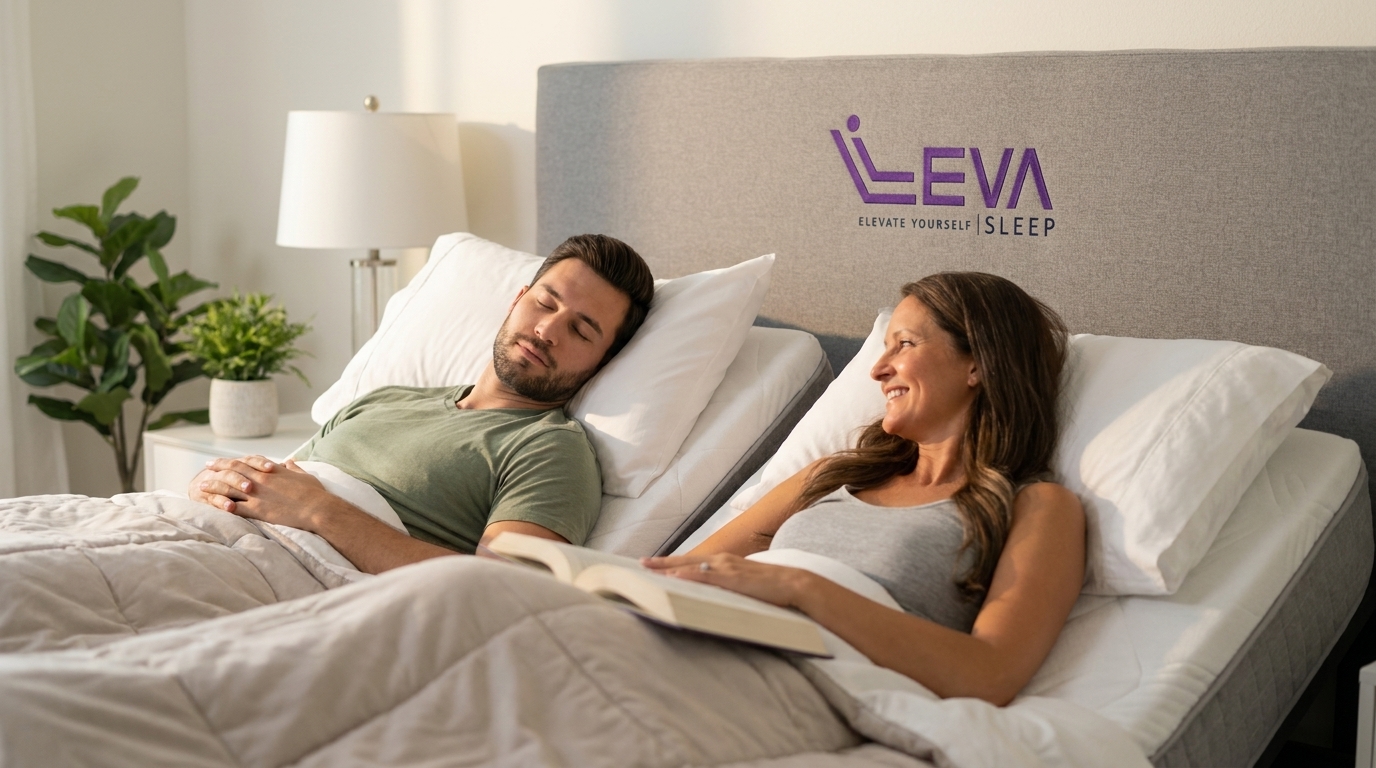
Written by: Matthew Timmins, Founder and Managing Director, Leva Sleep
Key Takeaways for Snorers and Their Partners
-
Adjustable beds with positional therapy, like Leva Sleep systems, often outperform wearable devices for couples by reducing snoring up to 50% through elevation.
-
Mandibular advancement devices (MADs) such as SnoreRx Plus and VitalSleep target jaw-related snoring but can cause jaw or tooth discomfort with nightly use.
-
Nasal solutions like Mute dilators and Breathe Right strips help congestion-based snoring, although relief is usually temporary or single-use.
-
Devices that address root causes such as tongue weakness (eXciteOSA) or mouth breathing (chin straps) work best when matched carefully to your specific snoring pattern.
-
For couples seeking sustainable shared sleep, Leva Sleep’s split adjustable beds let each partner customize their position independently and rebuild comfortable, connected sleep.
Quick Overview: Top 7 Anti-Snoring Devices Ranked
Each device below received an efficacy rating based on three factors. First, clinical evidence for its snoring type. Second, ease of nightly use and comfort. Third, suitability for couples who need both partners sleeping well. Higher scores reflect stronger results across more snoring causes with fewer side effects.
|
Device |
Category |
Efficacy Rating |
Best For |
|---|---|---|---|
|
Leva Sleep Adjustable Beds |
Positional Therapy |
9.5/10 |
Couples, Positional Snoring |
|
SnoreRx Plus |
Mandibular Advancement |
8.2/10 |
Jaw-Related Snoring |
|
Mute Nasal Dilator |
Nasal Dilation |
7.8/10 |
Nasal Congestion |
|
VitalSleep |
Custom MAD |
7.5/10 |
Moderate Jaw Snoring |
The 7 Best Anti Snoring Devices That Actually Work
These seven devices appear in order of overall impact. The list starts with solutions that help the widest range of snorers and work well for couples. As you move down, the devices become more specialized and focus on narrower snoring causes or individual use.
1. Leva Sleep Split Adjustable Beds: Best for Couples and Positional Snoring
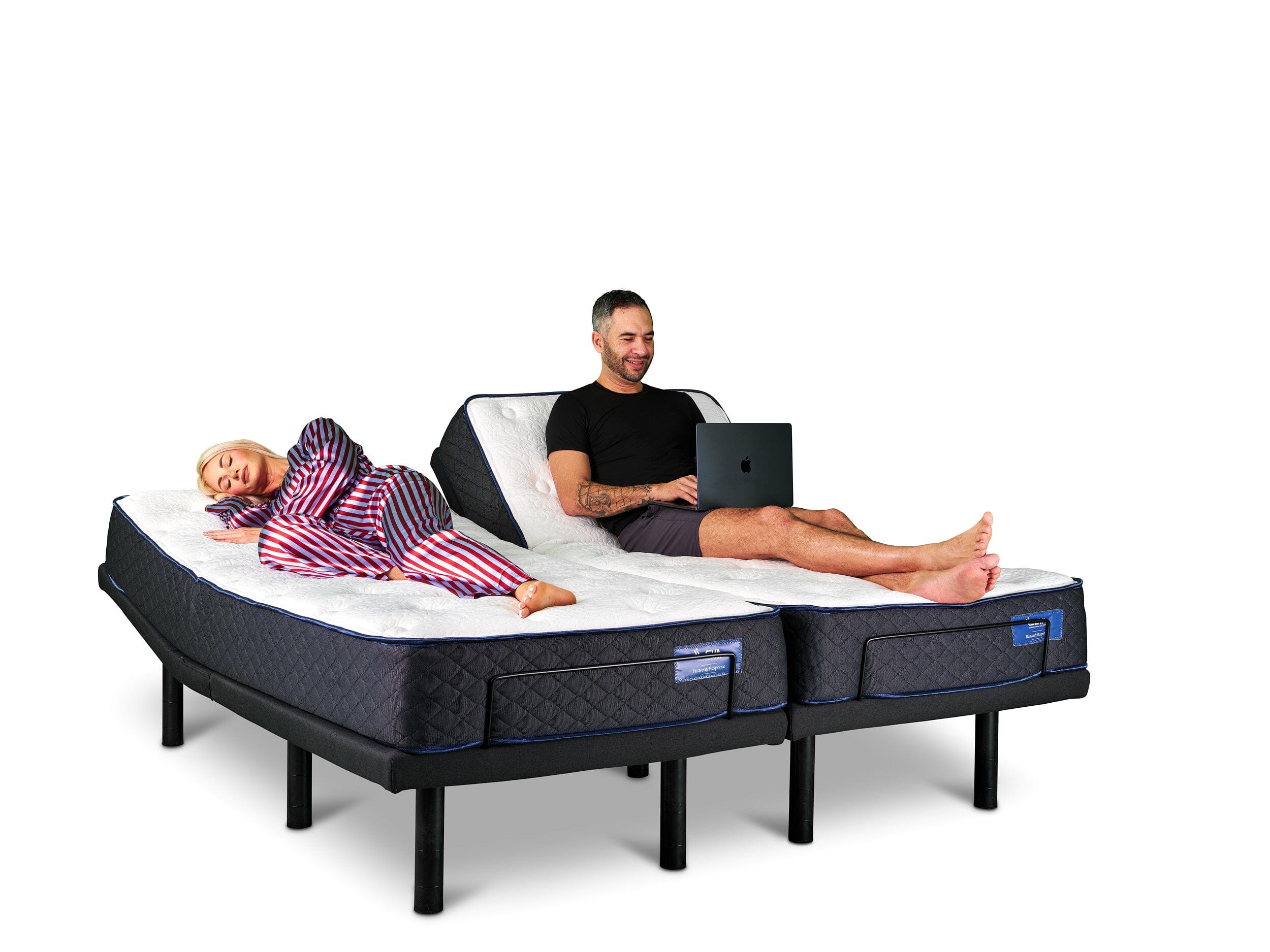
Leva Sleep’s adjustable bed systems provide a comprehensive approach to snoring reduction through positional therapy. These beds gently elevate the head and upper body, which opens the airway naturally and avoids masks or mouthpieces. The 2026 anti-snore mode adds smart detection technology that adjusts elevation automatically when it detects snoring, so support stays responsive through the night.
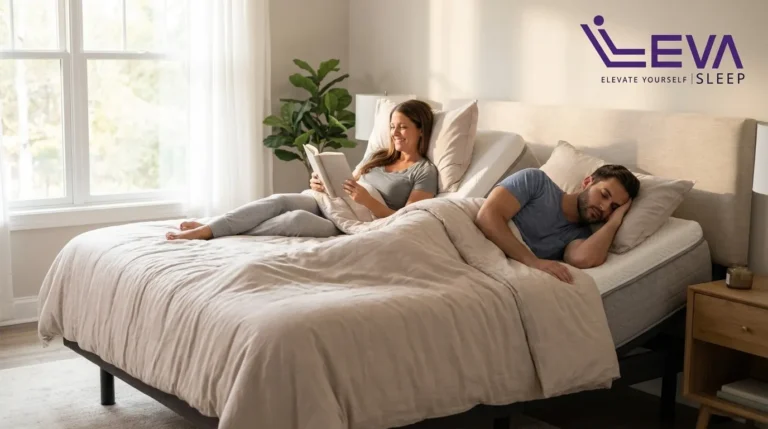
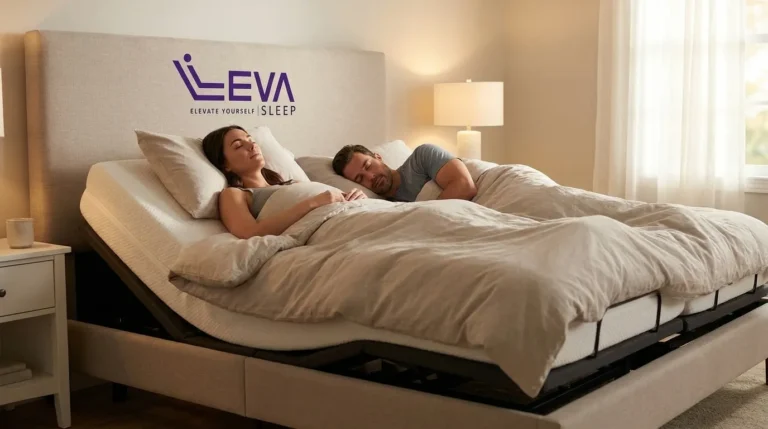
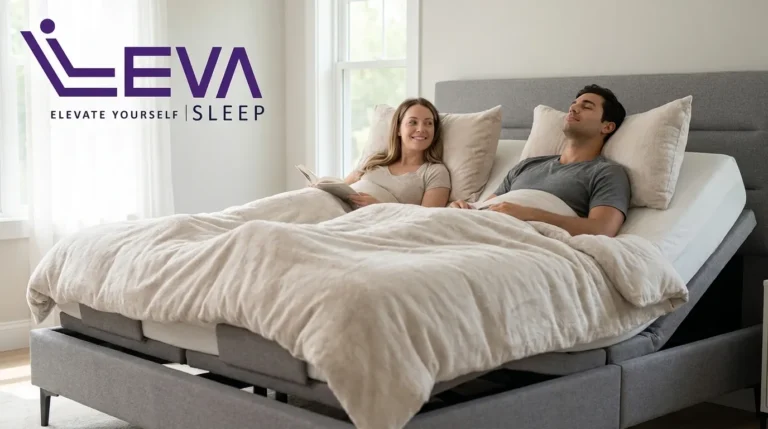
Couples often need different sleep positions, so split controls let each partner choose their own elevation and angle without affecting the other side. Whisper-quiet German motors keep these adjustments smooth and nearly silent, which protects sleep continuity. The US-made mattresses pair with the frames and flex comfortably with repeated position changes.
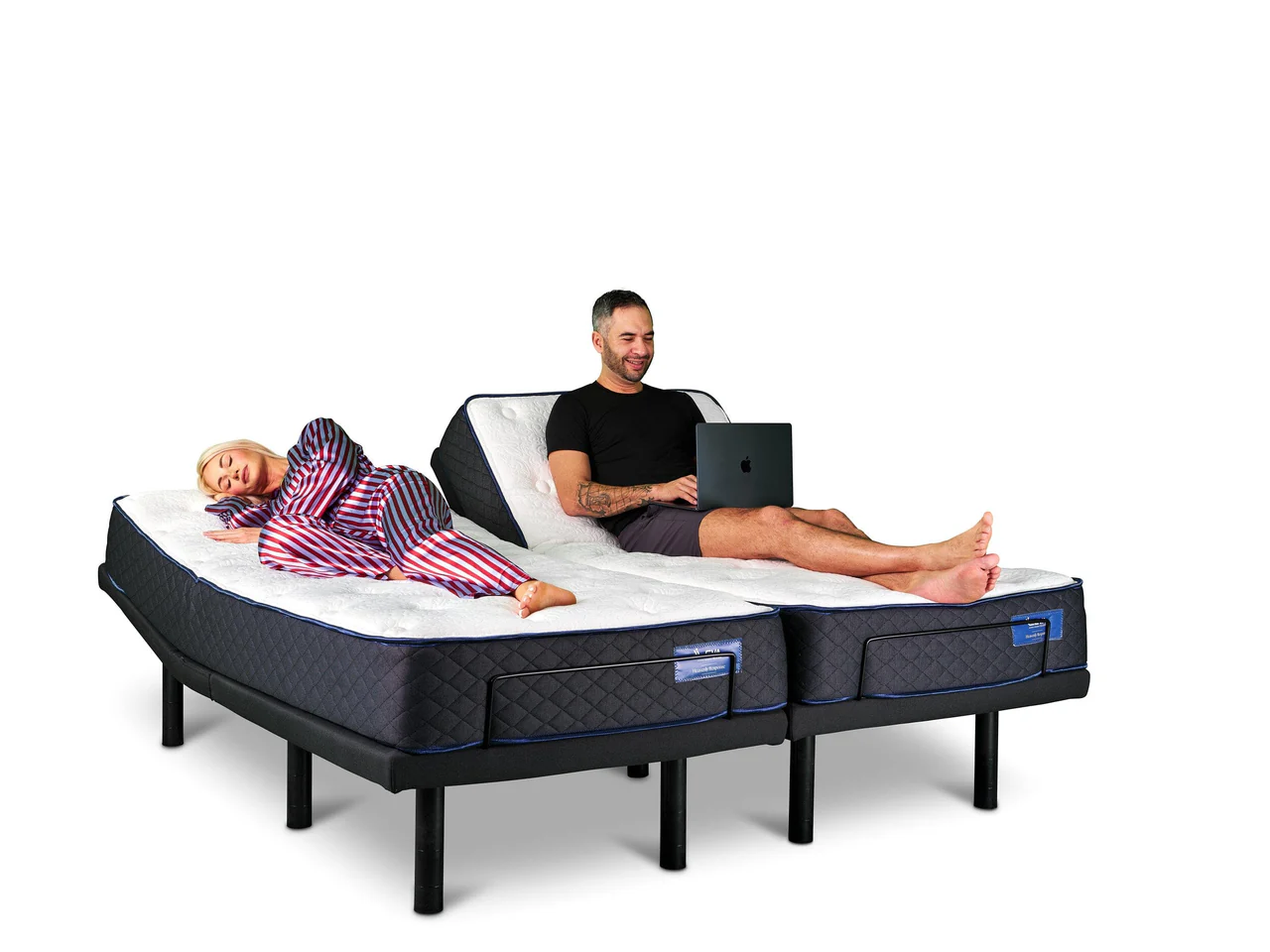
Clinical studies confirm the 50% snoring reduction mentioned earlier, with some positional snorers experiencing even greater improvement when they maintain consistent elevation. Positional therapy can reduce snoring by 50% or more for people with positional sleep apnea, and adjustable beds apply these same principles at home.
Pros: Silent operation, personalized for each partner, addresses multiple sleep issues, 30–50% cost savings compared with many luxury competitors, no daily insertion required
Cons: Higher upfront investment, requires adequate bedroom space
For couples where one partner’s snoring disrupts shared sleep, Leva’s split configuration removes the compromise that comes with a single-adjustment base. SnoreRx and similar mouthpieces can reduce snoring but may cause jaw irritation and only help one person. CPAP masks treat sleep apnea but often feel intrusive and can reduce intimacy. Adjustable beds instead improve the shared sleep environment for both partners at the same time.
2. SnoreRx Plus: Best FDA-Approved Mandibular Advancement Device
SnoreRx Plus uses a boil-and-bite fitting process that molds the device to your teeth for a custom fit. This custom molding matters because a snug fit keeps the jaw in a stable forward position through the night. The device holds the lower jaw slightly forward, which keeps the tongue and soft tissues from collapsing into the airway.
This mechanism addresses snoring that stems from jaw and tongue position rather than nasal blockage. SnoreRx Plus also carries FDA clearance, which signals that it meets specific safety and performance standards for this type of device.
Pros: FDA-cleared, customizable fit, effective for many jaw-related snorers
Cons: Requires nightly insertion, can cause jaw soreness or stiffness, not ideal when partners have different snoring causes or comfort needs
3. Mute Nasal Dilator: Best for Nasal Congestion Snoring
Mute’s internal nasal dilator widens the nasal passages from the inside, which increases airflow for people whose snoring starts with nasal congestion or narrow nasal anatomy. The device sits just inside the nostrils and gently expands them.
The medical-grade polymers feel soft and flexible, which supports comfortable wear through the night for most users. People who snore mainly when congested or during allergy season often notice quick relief when nasal airflow improves.
Pros: Targets nasal-specific snoring, soft materials, reusable with proper cleaning
Cons: Limited benefit for throat or jaw-based snoring, requires correct sizing and placement for best results
4. VitalSleep: Customizable Anti-Snoring Mouthpiece
VitalSleep offers adjustable mandibular advancement through a small hex tool that changes how far the lower jaw moves forward. This design lets users fine-tune jaw position over time instead of locking into a single setting.
That level of control helps because the ideal amount of advancement varies from person to person. Too little movement fails to open the airway, while too much can cause pain. VitalSleep aims to balance comfort with effectiveness by allowing gradual adjustments.
Pros: Adjustable advancement, custom molding, works for a range of jaw sizes
Cons: Learning curve for finding the right setting, potential tooth or bite changes with long-term use
5. Breathe Right Nasal Strips: Most Accessible Nasal Solution
Breathe Right strips use spring-like bands that stick across the nose and gently lift the nasal passages from the outside. This lift can provide fast, short-term relief for snoring tied to congestion or mild nasal obstruction.
People often choose these strips because they are easy to find in stores and require no insertion into the nose. They work for a single night and then need replacement.
Pros: Widely available, simple to apply, immediate effect for many congestion snorers
Cons: Single-use only, limited impact on moderate or severe snoring, adhesive can irritate sensitive skin
Quick fixes like nasal strips can help during colds or allergy flares, yet they rarely solve chronic snoring on their own. Adjustable beds and other long-term solutions provide more consistent snoring reduction without daily application or recurring supply costs.
The remaining two devices focus on less common but still important snoring causes such as weak tongue muscles and chronic mouth breathing.
6. eXciteOSA: FDA-Approved Tongue Neurostimulation
eXciteOSA uses mild electrical stimulation to train and strengthen tongue muscles during a 20-minute daytime session. Stronger tongue tone helps keep the airway open at night because the tongue is less likely to collapse backward.
This device holds FDA clearance for snoring and mild sleep apnea, which reflects evidence for its neuromuscular training approach. People complete the therapy while awake, so they do not need to wear anything in their mouth during sleep.
Pros: FDA-cleared, targets root muscle weakness, used only during the day
Cons: Requires daily consistency for weeks, relatively high cost, limited long-term outcome data compared with older therapies
7. Chin Strap: Basic Mouth Breathing Prevention
Anti-snoring chin straps wrap around the head and chin to keep the mouth closed during sleep. This design encourages nasal breathing and can reduce snoring for people who mainly snore when their mouth falls open.
These straps usually cost far less than custom mouthpieces or smart devices, which makes them a low-barrier experiment for some snorers.
Pros: Inexpensive, simple construction, easy to try
Cons: Often uncomfortable, can slip out of place, limited effectiveness when snoring comes from the throat or nose
For couples who want one solution that tackles several snoring causes at once, see how Leva’s split beds address all seven snoring types in one system without the bulk of masks or the discomfort of mouthpieces.
How to Choose the Best Anti Snoring Device for Your Situation
Selecting the right anti-snoring device starts with understanding what triggers your snoring. If your snoring worsens when you lie flat and improves when you sleep propped up, you likely have positional snoring that responds well to elevation therapy through adjustable beds.
If you mainly snore when congested, during allergy season, or when you notice blocked nasal breathing, nasal dilators or strips can relieve that specific obstruction. Jaw-related snoring often appears with teeth grinding, jaw tension, or a feeling that your tongue falls back when you relax, which points toward mandibular advancement devices.
Some people snore because their tongue muscles lack tone or because they habitually breathe through the mouth. Tongue training devices and chin straps focus on those patterns. For couples dealing with different snoring causes or sleep preferences, split adjustable beds like Leva’s systems give each partner individualized positioning without forcing a one-size-fits-all compromise.
Anti Snoring Devices FAQ
Is there an anti-snoring device that actually works?
Several anti-snoring devices show strong results when matched to the right snoring cause. Positional therapy through bed elevation delivers some of the most consistent outcomes for couples, and studies support the 50% or greater reduction in snoring episodes described earlier. Building on that research, Leva Sleep’s adjustable beds have helped more than 25,000 customers improve sleep through personalized elevation and smart anti-snore features.
What is the best anti-snoring device for couples?
Split adjustable beds provide the most complete solution for many couples because they address multiple snoring causes and allow independent control. Mouthpieces or nasal devices usually help only one partner and can introduce discomfort or clutter. In contrast, Leva’s split King and Queen systems let each person adjust elevation, firmness, and positioning separately while still sharing one bed frame and one bedroom aesthetic.
Which anti-snoring devices are FDA-approved?
FDA-cleared anti-snoring devices include SnoreRx Plus for mandibular advancement, eXciteOSA for tongue neurostimulation, and several CPAP-based therapies. AC-powered adjustable hospital beds are classified as FDA-regulated medical devices under 21 CFR 880.5100, and home adjustable beds draw on the same positional therapy principles that sleep specialists use in clinical settings.
How do adjustable beds compare to CPAP machines for snoring?
Adjustable beds offer a gentler, mask-free alternative for mild to moderate snoring and positional sleep apnea. CPAP machines push air into the airway at a set pressure, which can feel restrictive or noisy for some users. Elevation therapy instead works with your natural breathing by changing body position, not airflow.
Adjustable beds also support intimacy and comfort for both partners because there is no mask, hose, or headgear between you. Many couples find it easier to stick with positional therapy than with nightly CPAP use when their primary concern is snoring rather than severe sleep apnea.
What is the cost difference between anti-snoring devices?
Anti-snoring devices range widely in price, from about $10 for basic nasal strips to more than $4,000 for advanced adjustable bed systems. Lower-cost options often require frequent replacement, which adds up over time.
Adjustable beds involve a higher initial purchase but remove the ongoing expense of new mouthpieces, strips, or disposable supplies. Leva Sleep offers premium adjustable beds at roughly 30–50% less than many comparable luxury brands, which creates strong long-term value for couples who want a durable, comprehensive sleep solution.
Conclusion: Choose Snoring Solutions That Last
Mouthpieces, strips, and small devices can provide short-term relief, especially for specific snoring triggers like congestion or mild jaw issues. For many couples, though, adjustable beds deliver more durable snoring reduction and better overall sleep because they treat body position every night without extra effort.
Leva Sleep’s split adjustable systems stand out as a top choice for couples who want to reduce snoring, sleep comfortably, and protect relationship intimacy in the same step. Reclaim shared sleep with Leva Sleep: visit our La Jolla showroom or explore split bed options online.