Written by: Matthew Timmins, Founder and Managing Director, Leva Sleep
Key Takeaways
- Elevating the head of the bed 20-30° reduces esophageal acid exposure by about 28%, which helps limit nighttime reflux.
- Left-side sleeping provides stronger reflux control, with roughly 50% fewer episodes and 2.5 times faster acid clearance than the right side.
- Zero-gravity positioning (20-30° head, 25-35° knees) eases stomach pressure and supports spinal alignment, which helps people with both back pain and reflux.
- Split adjustable beds like Leva Sleep let couples choose different positions, so one partner can target reflux while the other focuses on snoring relief.
- Explore these reflux-focused positions with Leva Sleep’s split adjustable bases, and test custom setups in the La Jolla showroom or through a virtual consult.
Optimal Adjustable Bed Positions for Acid Reflux Relief
The following table compares four specific, research-informed positions and shows how each angle and body orientation targets different reflux and snoring scenarios for individuals and couples.
| Position | Angle/Height | Body Position | Leva Feature | Benefits |
|---|---|---|---|---|
| 1: Optimal Head Elevation | 20-30° head (6-8 inches) | Left side | Head preset 25° + lumbar tilt | Reduces esophageal acid exposure and lowers LES pressure |
| 2: Left-Side Incline | 20° head + 10° knees | Left side | App split: Partner B flat/anti-snore | Fewer reflux episodes |
| 3: Zero-Gravity Combo | 20-30° head elevation and 25-35° knee elevation | Semi-reclined | Zero-G preset + pillow tilt | Stomach pressure relief and spinal alignment |
| 4: Anti-Snore Reflux Hybrid | 15-25° head + auto-lift | Left/zero-G | 2026 anti-snore mode (split) | Helps couples manage both apnea and GERD |
Prerequisites and Setup Expectations
These positions work best with a quality adjustable bed system that offers independent controls for each side. Talk with your physician before using these positions if you have severe GERD, sleep apnea, or other medical conditions. As noted in the key takeaways, the 6 to 8 inch elevation range aligns with the 20-30° angles used throughout this guide.
Expect 5-10 minutes for initial Leva app setup and position customization. The technical setup finishes quickly, but your body needs time to adapt to new angles, so most users notice meaningful relief within 1-3 nights. This adaptation period makes gradual change essential, so start with lower elevations and increase in small steps as your comfort improves.
Position 1: Foundational Head Elevation for Nighttime Reflux
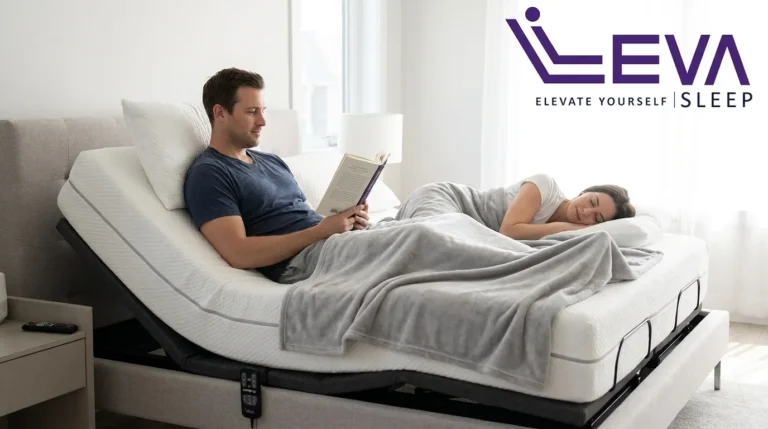
Position 1 creates a simple, reliable baseline for reflux relief by lifting your upper body while you sleep. Set your Leva app to elevate the head section to 25 degrees with a gentle 10-degree knee elevation for added comfort. Sleep on your left side to build on the natural anatomical advantage described later in this guide.
This setup keeps the esophagus higher than the stomach, so acid has a harder time moving upward. The slight knee lift helps prevent sliding toward the foot of the bed and supports a more neutral spine. Many users describe less burning in the chest and easier breathing after only a few nights in this position.
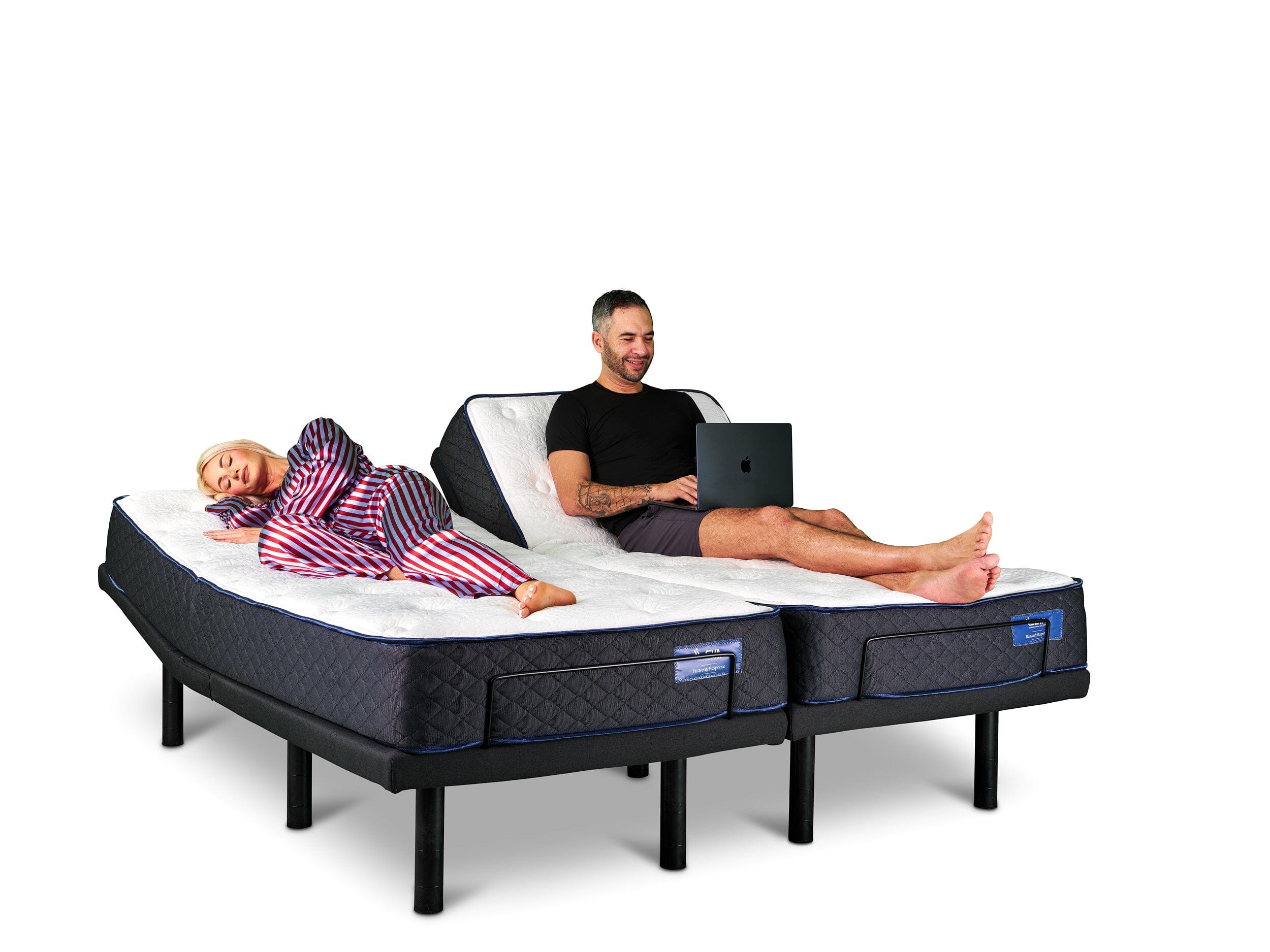
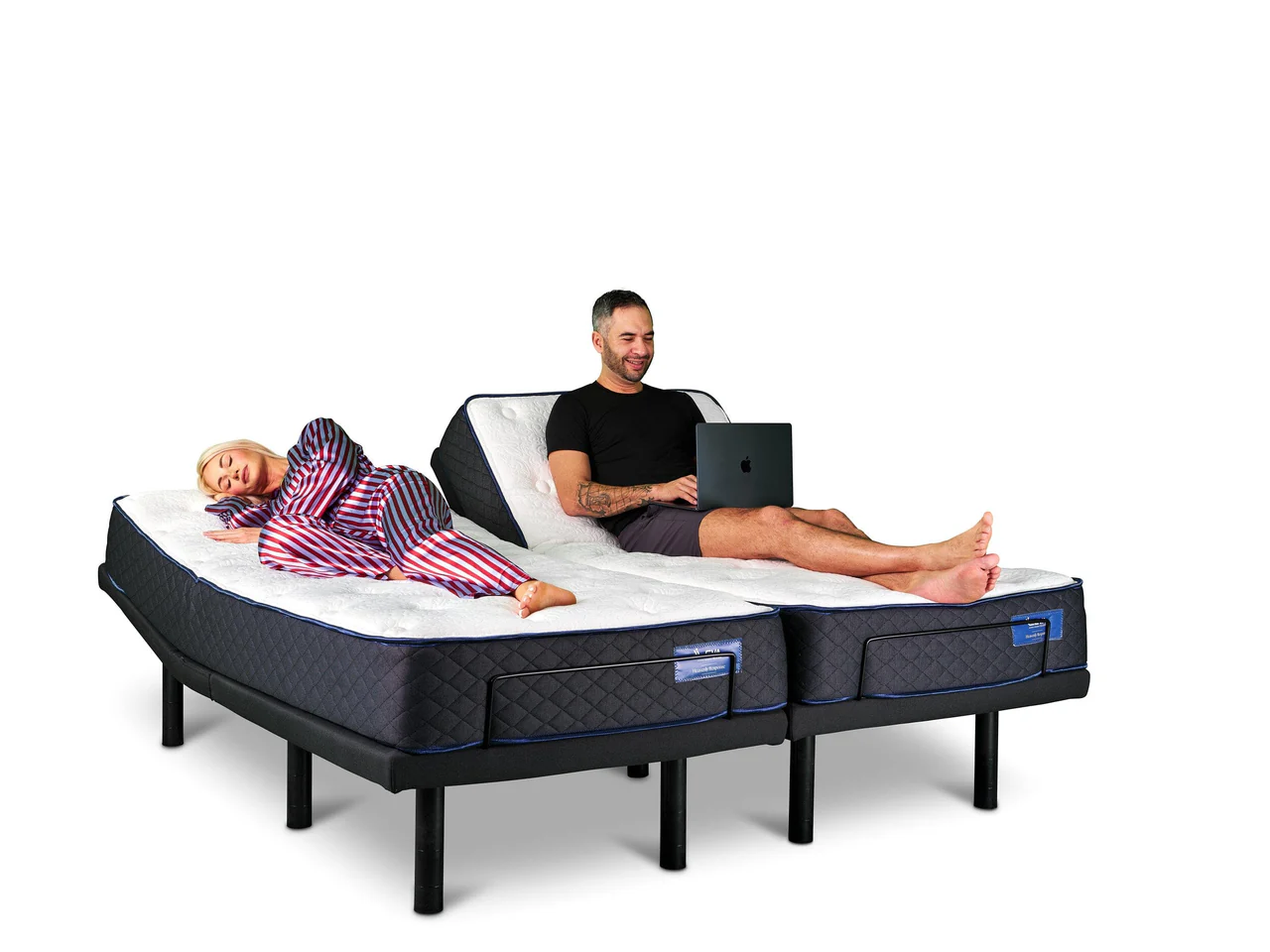
For couples, the split configuration lets your partner stay flat or choose a different preset without affecting your reflux-focused angle. Leva’s whisper-quiet German motors change positions smoothly, which helps you adjust during the night without waking your partner.
Position 2: Left-Side Incline for Stronger Reflux Control
Position 2 builds on Position 1 by pairing elevation with consistent left-side sleeping for stronger reflux control. Medical research shows that left-side sleeping keeps the stomach lower than the esophagus, which limits how easily acidic contents can move upward.
Configure your Leva system to 20 degrees of head elevation while you remain on your left side. Studies indicate 50% fewer reflux episodes on the left side compared with the right, and acid clears from the esophagus about 2.5 times faster on the left side. Together, these effects create a powerful reduction in nighttime symptoms.
This position suits couples where one partner manages reflux and the other mainly struggles with snoring. The split system lets Partner B stay flat or use an anti-snore setting without changing the reflux-focused incline on your side.
Position 3: Zero-Gravity Relief for Reflux and Back Pain
Position 3 targets people who deal with both reflux and musculoskeletal discomfort by using a zero-gravity posture. Set your Leva system to the zero-gravity preset with 20-30° head elevation and 25-35° knee elevation, and use a left-side or semi-reclined orientation when you can.
This configuration reduces pressure on the stomach and supports a more neutral spine at the same time. Upper body elevation can promote healthier spinal alignment by easing strain on the lower back and neck. The raised knees help keep you from sliding and lower stress on the lumbar region.
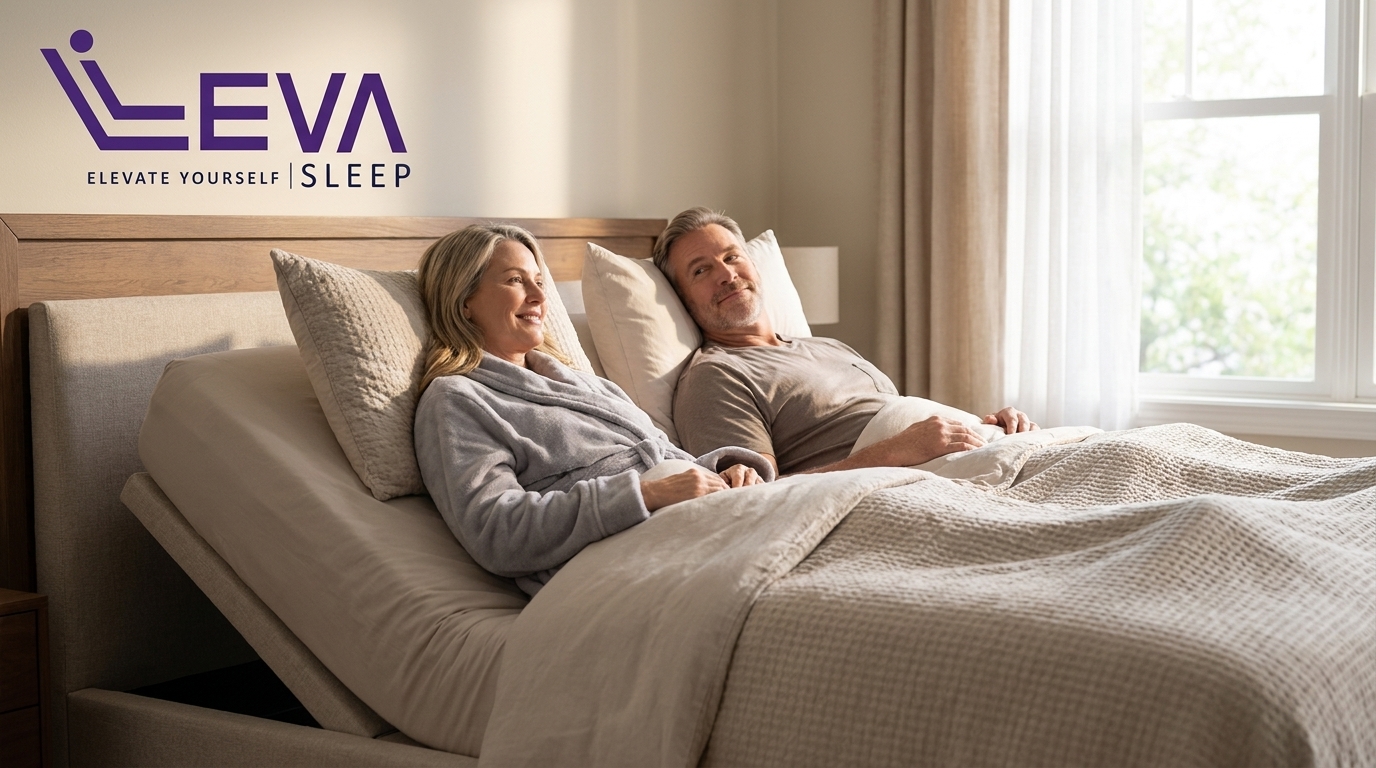
Couples with several overlapping sleep issues often rely on this position as a shared starting point. One partner can use zero-gravity for reflux and back pain, while the other adjusts angles slightly to support sleep apnea or circulation concerns.
Position 4: Split Setup for Reflux and Snoring in Couples
Position 4 focuses on couples where one partner has reflux and the other lives with snoring or sleep apnea. Configure the reflux-affected partner with 25 degrees of head elevation and left-side positioning. Set the snoring partner to 15 degrees of elevation with Leva’s 2026 anti-snore mode active.
Elevation can help manage both reflux and sleep apnea by lifting the upper body, which supports airway openness and reduces upward acid movement. The anti-snore mode reads snoring patterns and makes small automatic adjustments that ease airway blockage.
This position shows how personalized a split adjustable system can become for two different health profiles. Each partner can fine-tune angles through the app during the night, which helps balance comfort, symptom control, and shared sleep.
Troubleshooting and Safety Considerations for Reflux Positions
Keep head elevation at or below 30 degrees, because steeper angles can strain the neck and reduce comfort. Right-side sleeping often worsens acid reflux because the stomach sits higher than the esophagus, so favor left-side positions whenever possible.
Begin with modest elevation and increase over several nights so your muscles and joints adjust gradually. Use Leva’s specialized bedding with extra elastic to keep sheets secure during position changes. If neck or back discomfort increases, lower the angle and speak with your healthcare provider about safer adjustments.
Measuring Success and Tracking Your Reflux Relief
Track your progress by noting nighttime awakenings, morning throat irritation, and overall sleep quality. Many users see clear improvement within a week of consistent use of these positions. Leva’s upcoming AI sleep tracking features will add objective data on sleep quality and position effectiveness.
Keep a simple log of reflux episodes and sleep disruptions so you can see which positions match your body and schedule. Many couples find that steady use of these setups removes the need for separate bedrooms and improves both partners’ sleep quality.
Frequently Asked Questions
What is the best adjustable bed position for acid reflux?
The most effective position usually combines 20-30 degrees of head elevation with left-side sleeping. This pairing uses gravity and body anatomy together to limit how easily acid reaches the esophagus. The left-side orientation keeps the stomach lower than the esophageal opening, which offers strong protection against nighttime reflux episodes.
Is an adjustable bed good for GERD?
Yes, adjustable beds can work very well for GERD management when you use consistent elevation. Unlike wedge pillows that may create pressure points or slide out of place, adjustable beds support the whole body while holding precise angles. The ability to fine-tune positions and change them gently during the night makes adjustable bases more flexible than static wedges for long-term GERD care.
What adjustable bed positions help with sleep apnea?
For sleep apnea, raise the head 15-25 degrees to help open the airway. Leva’s anti-snore mode adds another layer of support by detecting snoring patterns and making small automatic changes that improve airflow. This combination of elevation and responsive adjustment can reduce apnea events for some users who want a non-CPAP option, though medical guidance remains essential.
How do I reduce acid reflux at night while sleeping?
Use 20-30 degrees of head elevation with left-side sleeping to reduce nighttime reflux. Avoid large meals within three hours of bedtime, and keep your adjustable bed at a steady angle throughout the night. This consistent setup creates a sleep environment where gravity works in your favor and makes upward acid movement less likely.
What is the best adjustable bed position for side sleepers with acid reflux?
Left-side sleepers usually do best with about 20 degrees of head elevation and a slight knee lift for comfort. This position builds on the left-side advantage described in Position 2 while adding the benefits of gentle incline. Avoid right-side sleeping, because that orientation can make reflux symptoms worse by allowing easier acid flow toward the esophagus.
Conclusion: Turning Reflux Relief into Shared Rest
These four evidence-based positions give couples practical ways to manage nighttime acid reflux while still sharing a bed. From simple head elevation to advanced split setups that also address snoring and apnea, Leva Sleep’s adjustable systems provide the control and independence needed for complex sleep challenges. With 30-50% cost savings compared with many premium competitors and a focus on adjustable sleep expertise, Leva supports both symptom relief and relationship harmony.