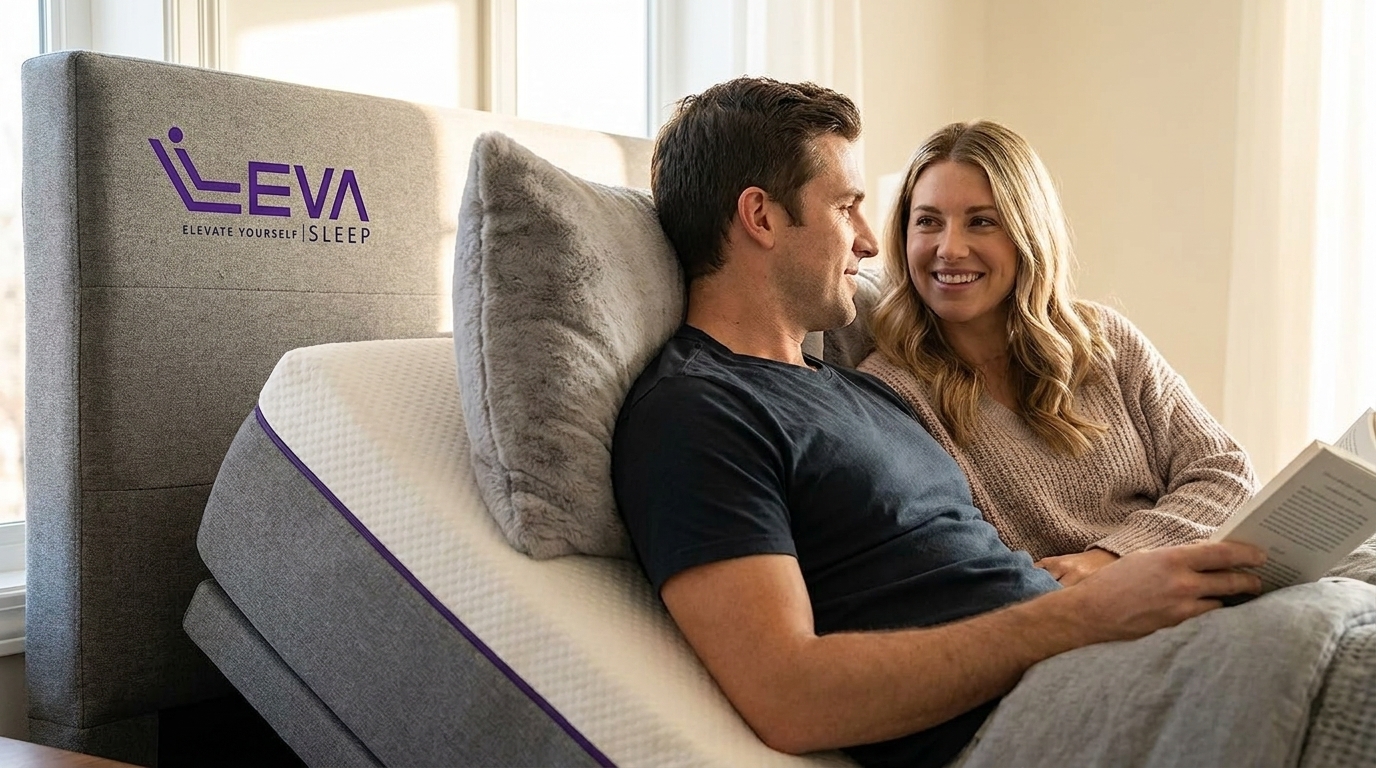
Written by: Matthew Timmins, Founder and Managing Director, Leva Sleep
Key Takeaways
-
Snoring and mild sleep apnea disrupt couples’ sleep, often pushing partners into separate bedrooms and straining relationships. Mask-free options like lifestyle changes and positional therapy can ease symptoms and help couples stay in the same bed.
-
Nine proven CPAP alternatives exist, including nasal strips, oral appliances, EPAP devices, and adjustable beds with head elevation that reduce airway obstruction.
-
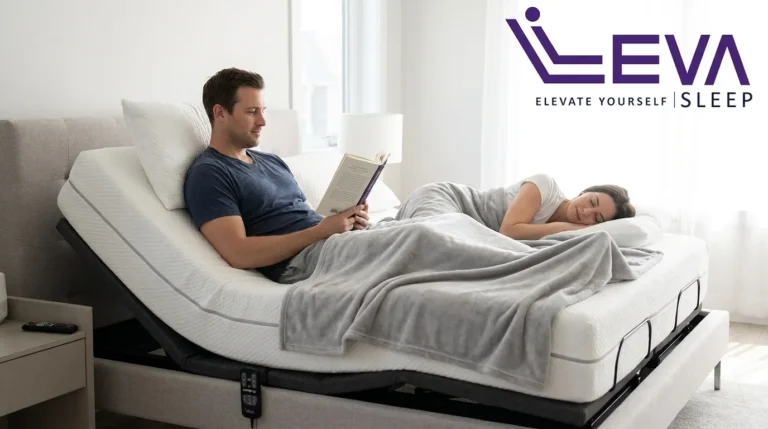
Adjustable beds with 10–30 degree head elevation use gravity to keep airways open, which can significantly cut snoring and apnea events while allowing personalized positioning.
-
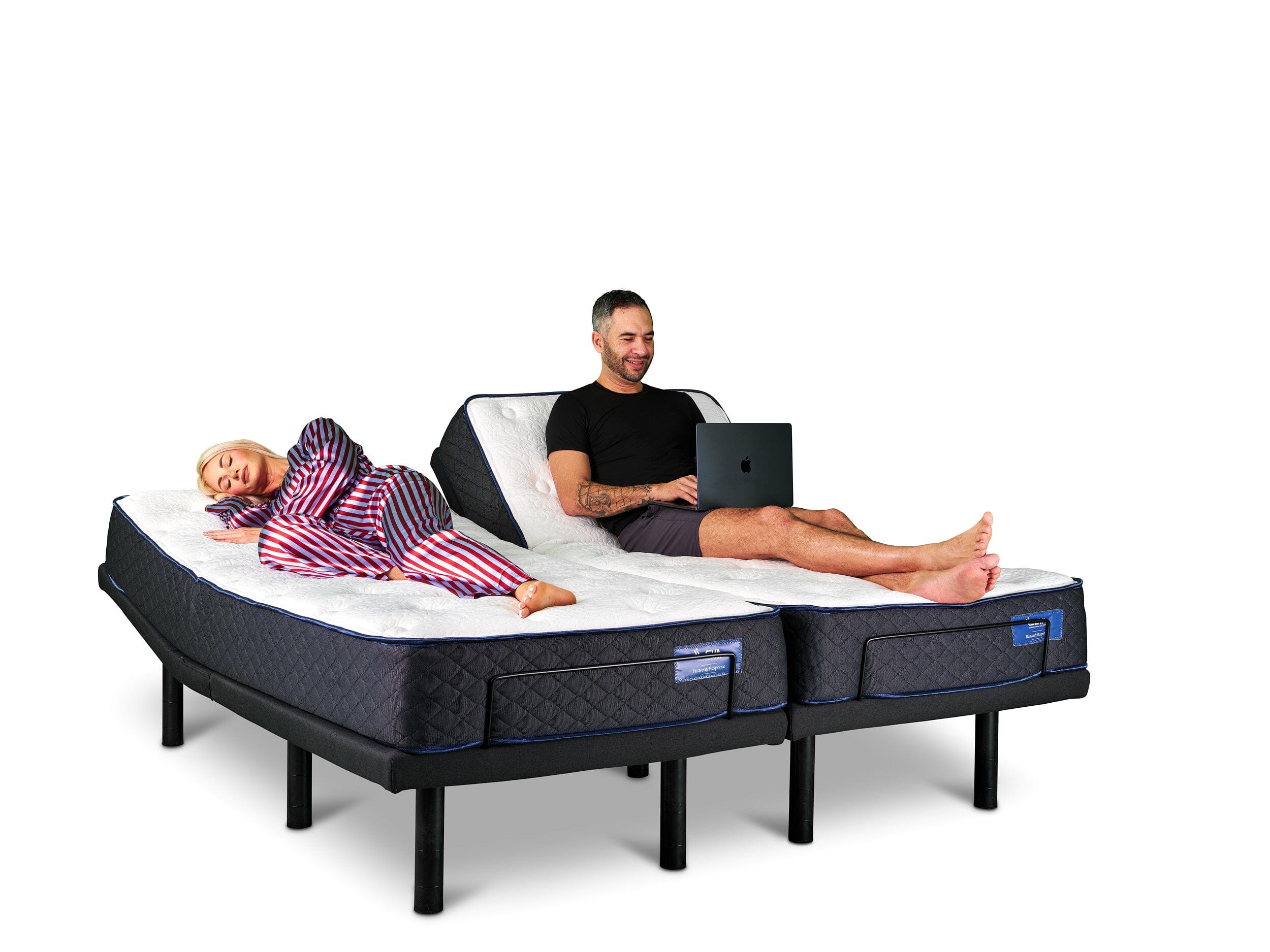
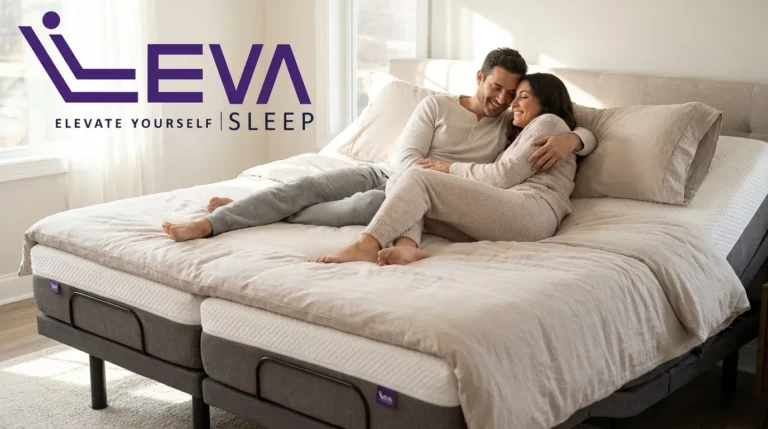
Split adjustable beds work especially well for couples, since each partner controls their own side without giving up shared comfort and closeness.
-
Experience more restful, quieter nights with Leva Sleep’s split adjustable beds by visiting the La Jolla showroom or shopping online for tailored anti-snore solutions.
How Snoring and Mild Sleep Apnea Disrupt Shared Sleep
Snoring occurs when airway tissues vibrate during sleep, often caused by airway narrowing from sleep position, weight, or anatomical factors. While light and infrequent snoring is typically harmless, primary snoring that occurs more than three nights per week can seriously disturb a bed partner’s sleep.
Mild obstructive sleep apnea is a more serious condition where breathing repeatedly stops and starts during sleep. Snoring related to untreated obstructive sleep apnea is associated with dangerous daytime drowsiness and serious health conditions, including cardiovascular issues, high blood pressure, diabetes, stroke, and depression.
How Snoring Affects Couples
Snoring and sleep apnea affect both the sleeper and their partner. Partners often experience fragmented sleep, which leads to fatigue, irritability, and growing relationship tension. Many couples resort to “sleep divorce,” or sleeping in separate rooms, to protect their rest, but this choice can reduce intimacy and emotional connection.
Couples can often treat mild sleep apnea without CPAP by using lifestyle changes and positional therapy. These mask-free options give many partners a realistic path to sleeping together comfortably again.
Top 9 CPAP Alternatives for Snoring & Mild Sleep Apnea
Several evidence-based alternatives to CPAP therapy can help manage snoring and mild sleep apnea. These options range from simple daily habit changes to advanced devices, giving individuals and couples multiple mask-free paths to better sleep.
1. Lifestyle Modifications for Better Breathing
Weight loss and sleep position changes offer the most accessible first steps for many people. Side sleeping helps prevent tongue and soft tissue collapse that narrows the airway. Even a 10 percent weight reduction can improve symptoms in some overweight individuals.
Track your sleep quality and snoring volume over several weeks to see how these changes affect your nights.
2. Nasal Strips and Dilators for Clearer Airflow
External nasal strips like Breathe Right gently lift and open nasal passages, which improves airflow for people with congestion or structural narrowing. These affordable devices mainly help with snoring rather than sleep apnea, yet they often provide quick relief without medication or significant side effects.
3. Oral Appliances for Jaw and Tongue Support
Custom-fitted dental devices like myTAP reposition the jaw and tongue to keep the airway open during sleep. Oral appliances are often preferred over CPAP therapy, so they work well for patients who cannot tolerate masks or machine noise.
4. EPAP Devices for Mask-Free Airway Support
Expiratory Positive Airway Pressure devices like Provent create gentle back-pressure during exhalation, which helps keep the airway open without a mask or machine. These small, disposable nasal devices offer a minimally invasive option for some people with mild sleep apnea.
5. Positional Therapy Devices for Side Sleeping
Vibrating devices worn on the chest or back detect when you roll onto your back and gently prompt you to return to your side. This tactile feedback helps maintain a side-sleeping position throughout the night without constant conscious effort.
6. Adjustable Beds with Head Elevation for Airway Support
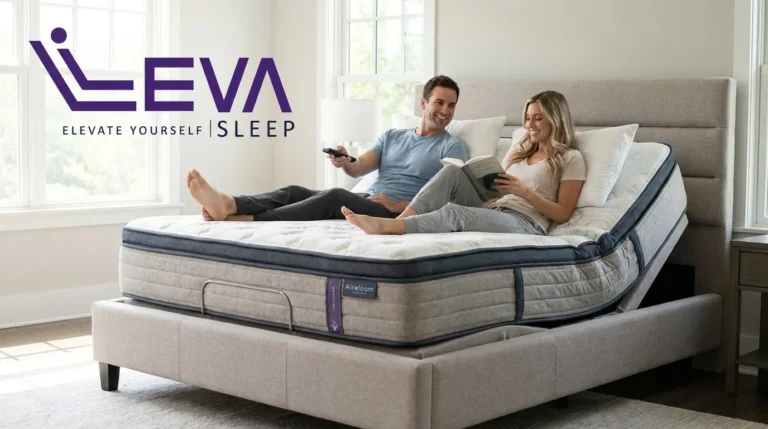
Raising the head of the bed 10–30 degrees uses gravity to help keep the airway open, which can reduce both snoring and mild sleep apnea events. Split adjustable beds let couples customize their own positions while sharing one bed, which addresses the challenge of finding a solution that works for both partners.
Track snoring frequency and sleep quality before and after using head elevation to see how much it helps.
7. eXciteOSA Therapy for Tongue Muscle Training
The FDA-approved eXciteOSA device strengthens tongue muscles through targeted electrical stimulation during waking hours. Stronger tongue muscles are less likely to collapse backward during sleep, which can lower the risk of airway blockage.
8. Inspire Therapy for Surgically Implanted Support
For carefully selected patients, Inspire therapy offers a surgical implant solution that stimulates airway muscles during sleep. This option can be highly effective for the right candidates, but it requires surgery and thorough evaluation.
9. Debunked Alternatives with Little Evidence
Several popular remedies lack strong scientific support. Anti-snoring pillows and throat sprays show minimal effectiveness in clinical studies, so they rarely provide reliable relief for snoring or sleep apnea.
Among these options, adjustable beds with split configurations give couples a comprehensive solution by combining head elevation therapy with personalized comfort settings.
Explore Leva Sleep’s 2026 anti-snore technology at the La Jolla showroom or online to see how split adjustable beds can change your shared sleep experience.
The Power of Adjustable Beds for Sleep Apnea
Head elevation through adjustable beds uses gravity to support open airways and offers a natural way to reduce sleep-disordered breathing. Leva Sleep’s split Queen and King configurations feature whisper-quiet German motors, app-controlled positioning, and specialized anti-snore modes that detect and respond to breathing changes.
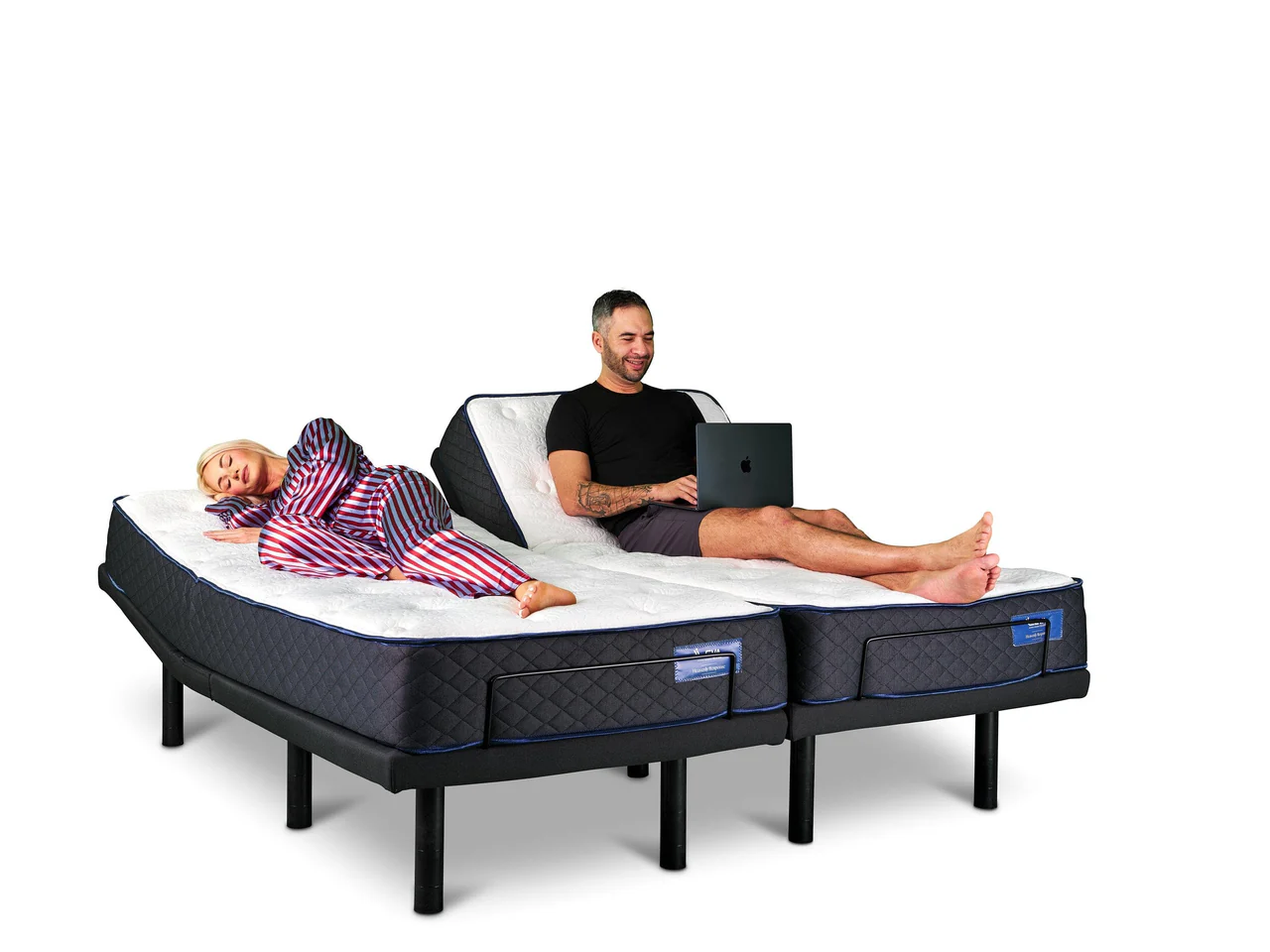
The 2026 anti-snore technology gives couples a powerful shared-sleep solution by addressing each partner’s needs without losing closeness. US-made mattresses designed for adjustable bases maintain comfort and support across a wide range of elevation angles.
How to Choose the Right Alternative for Your Situation
Choosing the right CPAP alternative starts with understanding your specific sleep issues. Schedule a comprehensive sleep study and meet with a healthcare provider to confirm the severity of your condition and identify any anatomical causes of airway obstruction.
Consider your partner’s needs and preferences as you review options, since solutions that work for individuals may not solve the unique challenges couples face when sharing a bed. Once you identify couple-friendly options, evaluate your budget for both upfront costs and ongoing expenses such as replacement parts or consumables.
Track your progress with sleep monitoring devices or apps so you can measure changes in sleep quality, snoring frequency, and daytime symptoms. Many treatments require several weeks of consistent use before you see their full benefits.
For couples seeking a complete, shared solution, Leva Sleep’s expertise in split adjustable bed systems supports proper fitting and setup for strong results.
Schedule your personalized consultation at the La Jolla showroom or online to experience expert fitting and white-glove installation.
Research and Customer Outcomes
Clinical studies consistently support head elevation as an effective tool for sleep-disordered breathing. Researchers have documented meaningful reductions in apnea-hypopnea index scores when patients sleep with their heads raised within a modest elevation range.
The earlier mention of oral appliance preference over CPAP highlights how comfort and convenience drive long-term treatment adherence. Patients tend to stick with solutions that feel natural and easy to use night after night.
Leva Sleep’s eight years of experience with more than 25,000 customers offers real-world evidence for adjustable bed benefits. Customer feedback often notes reduced snoring, better sleep quality, and improved relationship satisfaction when couples can share a bed comfortably while still addressing individual health needs.
Frequently Asked Questions
What are the best alternatives to CPAP for snoring?
Effective alternatives include adjustable beds with head elevation, oral appliances, lifestyle changes, and positional therapy devices. Adjustable beds stand out for couples because split configurations allow each partner to choose a comfortable position while still sharing the same bed. Head elevation supports easier breathing while maintaining comfort through the night.
Can adjustable beds help with sleep apnea?
Adjustable beds can significantly help with mild to moderate sleep apnea by raising the upper body and reducing airway collapse. This position supports easier airflow and can lower both apnea events and snoring. Split adjustable beds work especially well when only one partner has sleep apnea, since each side can move independently while couples stay close.
Is it possible to treat mild sleep apnea without CPAP?
Mild sleep apnea often responds well to non-CPAP treatments such as weight loss, positional therapy, oral appliances, and head elevation. Many patients find these options more comfortable and sustainable than CPAP, which can improve long-term consistency and results.
How effective is head elevation for reducing snoring?
Head elevation can meaningfully reduce snoring for many people when the upper body rests at a gentle incline. This position helps prevent the tongue and soft tissues from falling backward into the airway. Modern adjustable beds with anti-snore technology can detect snoring and make small position changes to support clearer breathing, and sleep apps can help you track your personal results.
What should couples consider when choosing sleep apnea alternatives?
Couples should focus on solutions that respect both partners’ comfort and sleep needs. Split adjustable beds perform well here by offering independent controls for each side of the bed. Also consider noise levels, ease of use, and how well the solution supports physical closeness while still addressing individual health requirements.
Conclusion: Reclaim Shared Sleep with a CPAP Alternative
CPAP alternatives for snoring and mild sleep apnea give couples real hope for mask-free solutions that protect both health and intimacy. Among the nine evidence-based options available in 2026, adjustable beds with split configurations stand out for couples by combining proven therapeutic benefits with a design that supports shared sleep.
Success depends on choosing treatments that fit both your medical needs and your relationship dynamics. Work with healthcare providers to select the right approach for your situation, and use trial periods when available to confirm comfort and effectiveness over time.
Ready to transform your sleep experience? Visit Leva Sleep’s showroom or shop online to discover how advanced adjustable bed technology can help you and your partner enjoy the restorative sleep you both deserve.