Written by: Matthew Timmins, Founder and Managing Director, Leva Sleep
Key Takeaways
-
Many people stop using CPAP masks because of discomfort and noise. Adjustable beds offer mask-free snoring relief through positional therapy.
-
Snoring often starts when the airway narrows during back-sleeping. Elevating the head 10-30 degrees helps keep the airway open.
-
Alternatives like MADs and nasal aids can cause jaw pain or only help in narrow cases. Adjustable beds support both partners at once.
-
Leva Sleep’s Split Queen and King beds include independent app controls, anti-snore auto-detection, and quiet motors for each partner’s comfort.
-
Experience uninterrupted couple sleep with Leva Sleep’s anti-snore adjustable beds, and explore personalized relief options today.
Why CPAP Often Fails and What Really Causes Snoring
CPAP therapy faces significant compliance challenges beyond simple discomfort. The pressurized air delivery system requires a consistent mask seal, which creates pressure points on the face and nose that many users cannot tolerate during extended sleep periods. Many CPAP users discontinue treatment because of mask intolerance, noise concerns, and bulky equipment design.
Primary Snoring Triggers
Snoring occurs when the airway tissues vibrate during breathing. Airway narrowing often results from tongue position, throat muscle relaxation, or nasal obstruction. Back-sleeping positions worsen airway collapse as gravity pulls soft tissues backward. Sleep apnea frequently overlaps with snoring, and complete breathing interruptions can occur alongside tissue vibration. Medical professionals increasingly recommend positional therapy and elevation as first-line interventions for mild to moderate cases. These positioning-based approaches form the foundation of adjustable bed technology.
Explore mask-free relief with Leva’s anti-snore solutions.
Top CPAP Alternatives Ranked by Ease and Effectiveness
Several alternatives can help reduce disruptive nighttime snoring. Evaluate each option based on your specific snoring triggers, ease of use, cost, and how well it supports both partners.
1. Lifestyle Modifications
Weight loss and consistent side-sleeping can reduce snoring severity for some people. These approaches require significant behavioral changes and may not correct structural airway issues. Cost: Minimal. Effectiveness: Variable, depending on underlying causes.
2. Nasal Aids and Dilators
Over-the-counter nasal strips and dilators target snoring related to nasal obstruction. External nasal dilators are projected to grow at a 7.2% CAGR during the forecast period 2025-2034 because they are non-invasive and easy to use. These products only address nasal breathing issues and do not help with throat-based snoring. Cost: $10-50 monthly. Effectiveness: Limited to nasal obstruction cases.
3. Positional Therapy Devices
Wearable devices that prevent back-sleeping can reduce positional snoring. The “pillow trick” uses multiple pillows to elevate the head, yet this setup often feels unstable and uncomfortable over a full night. These solutions address positioning but lack precision and long-term comfort.
4. Mandibular Advancement Devices (MADs)
Oral appliances achieve 84-90% compliance rates over three months, which is significantly higher than CPAP’s 50% compliance. Custom-made MADs cost $1,500–$4,500 and work by advancing the lower jaw 5-10 millimeters to open airways. However, jaw discomfort and tooth movement can affect both new and long-term users.
5. Myofunctional Therapy
Tongue and throat exercises, sometimes called “Japanese tricks,” strengthen airway muscles. These programs require consistent practice and often professional guidance. Results vary significantly between individuals.
6. Surgical Interventions
Procedures like Inspire therapy or tissue removal target severe cases. These options involve surgical risks, anesthesia, and recovery periods. Most providers reserve them for patients who do not respond to conservative treatments.
7. Adjustable Beds with Anti-Snore Technology
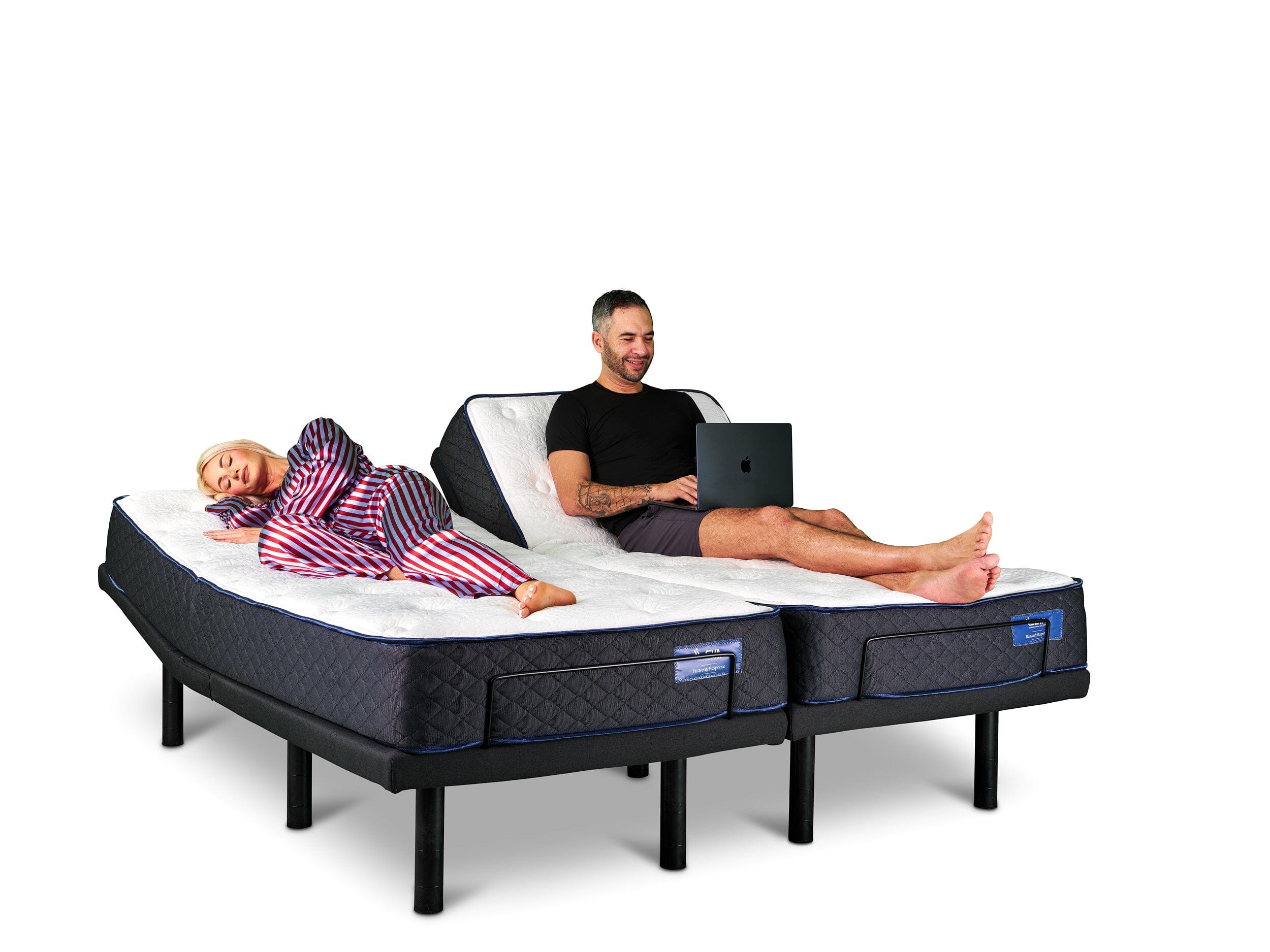
Adjustable beds provide a comprehensive solution for couples by combining positional therapy with personalized comfort settings. Unlike other alternatives, they support both partners’ needs at the same time and remove the discomfort associated with masks or oral appliances.
Why Adjustable Beds Are the Leading CPAP Alternative for Snoring
How Elevation Reduces Snoring Through Positional Therapy
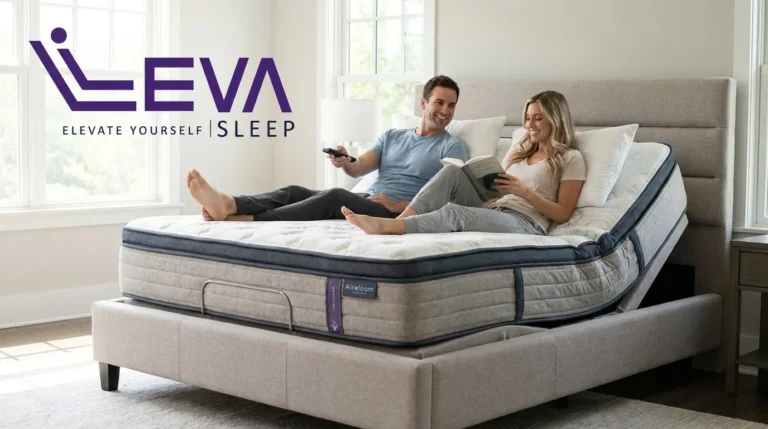
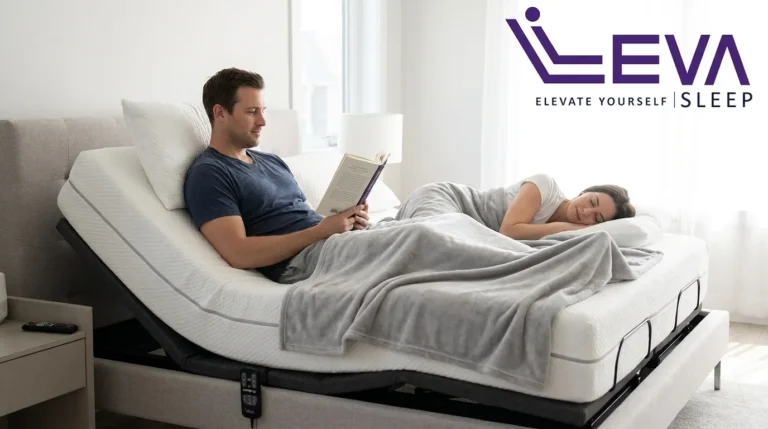
Elevating the head 10-30 degrees naturally opens airways by counteracting the gravity-induced collapse described earlier. This positioning reduces the airway narrowing that creates snoring vibrations. Leva Sleep’s 2026 anti-snore mode automatically detects snoring episodes and makes micro-adjustments to head elevation, providing real-time intervention without waking the sleeper.
Leva Sleep Adjustable Beds for Couples Who Snore
Leva Sleep focuses on Split Queen and King adjustable beds with independent app controls for each partner. This configuration allows one partner to use anti-snore positioning while the other maintains a preferred sleep position. Whisper-quiet German motors prevent sleep disruption during adjustments, and lumbar support plus pillow tilt features create a tailored comfort setup.
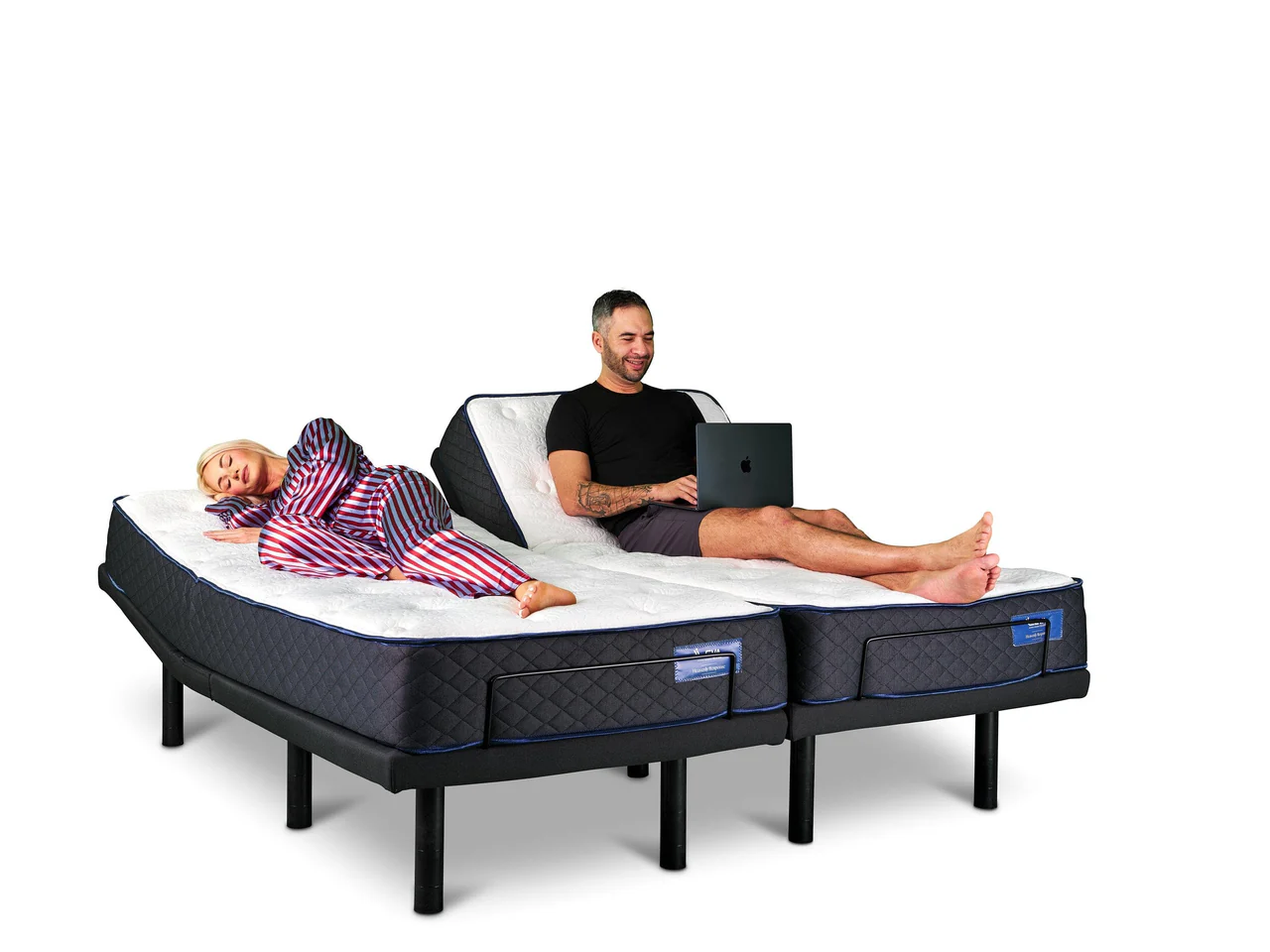
Leva’s systems cost 30-50% less than comparable competitors while offering advanced features such as integrated heating and cooling pads and AI-powered sleep tracking. With over 25,000 customers served across 8 years, Leva has built deep expertise in couple-compatible sleep solutions. Unlike basic adjustable beds from general retailers, Leva designs mattresses and accessories specifically for adjustable base performance.
Explore how independent controls let both partners sleep comfortably.
Leva Sleep Compared to Other Snoring Solutions
|
Feature |
Leva Sleep |
CPAP |
MADs |
Basic Adjustables |
|---|---|---|---|---|
|
Mask/Oral Device Required |
No |
Yes |
No |
|
|
Couple Split Controls |
Independent app control |
N/A |
N/A |
Limited or none |
|
Anti-Snore Technology |
Auto-detect and adjust (2026) |
Pressurized air |
Jaw positioning |
Basic elevation |
|
Cost (Queen) |
$1,000+ ongoing |
$499+ |
Leva’s vertical integration supports premium features at competitive pricing, and its specialized focus helps customers configure systems for snoring reduction and couple compatibility.
Step-by-Step Buyer Roadmap for an Anti-Snore Adjustable Bed
Start by consulting your healthcare provider about whether positional therapy suits your specific snoring pattern. Once you confirm that this approach fits your needs, measure your bedroom space to ensure a proper fit for Split Queen or King configurations, since these larger sizes are essential for split controls and require adequate room.
Next, test head elevation comfort using stacked pillows for several nights to see how your body responds to sleeping at an incline. After confirming both medical suitability and physical comfort, plan a budget of $2,000-5,000 for a complete Leva system that includes the base, mattress, and specialized bedding accessories.
FAQ: CPAP Alternatives for Snoring
What is the best alternative to CPAP for snoring?
Adjustable beds with anti-snore positioning offer the most effective mask-free alternative to CPAP for snoring reduction. Leva Sleep’s systems combine head elevation with features such as automatic snoring detection and micro-adjustments. These capabilities support the snoring partner and protect couple compatibility through split controls.
Does positional therapy actually work for snoring?
Positional therapy effectively reduces snoring for many people by preventing airway collapse. Elevating the head 10-30 degrees opens airways naturally and reduces the tissue vibration that creates snoring sounds. This approach works particularly well for positional snorers who experience worse symptoms when sleeping flat on their backs.
Are there anti-snore beds designed specifically for couples?
Leva Sleep specializes in Split Queen and King adjustable beds that allow independent positioning for each partner. One side can use anti-snore elevation while the other maintains preferred comfort settings. This setup addresses snoring issues while helping couples avoid separate sleeping arrangements.
Is there a maskless CPAP alternative?
No device replicates CPAP’s pressurized air delivery without a mask. However, adjustable beds provide effective airway support through positioning. Leva’s elevation therapy opens airways naturally without masks, tubes, or oral appliances, which makes it a comfortable long-term solution for many couples.
What is the pillow trick for sleep apnea?
The pillow trick involves stacking multiple pillows to elevate the head and reduce airway collapse. This basic form of positional therapy can help some people. Adjustable beds provide more precise and stable elevation along with features such as anti-snore detection and partner-independent controls for better long-term results.
Conclusion and Next Steps for Better Couple Sleep
Adjustable beds offer a comprehensive CPAP alternative for couples dealing with disruptive snoring. Leva Sleep’s specialized systems combine proven positional therapy with advanced anti-snore technology and couple-compatible split controls, which support both medical needs and relationship harmony.
End disruptive nights and restore peaceful sleep for both partners. Schedule a showroom visit in La Jolla or browse complete systems online.