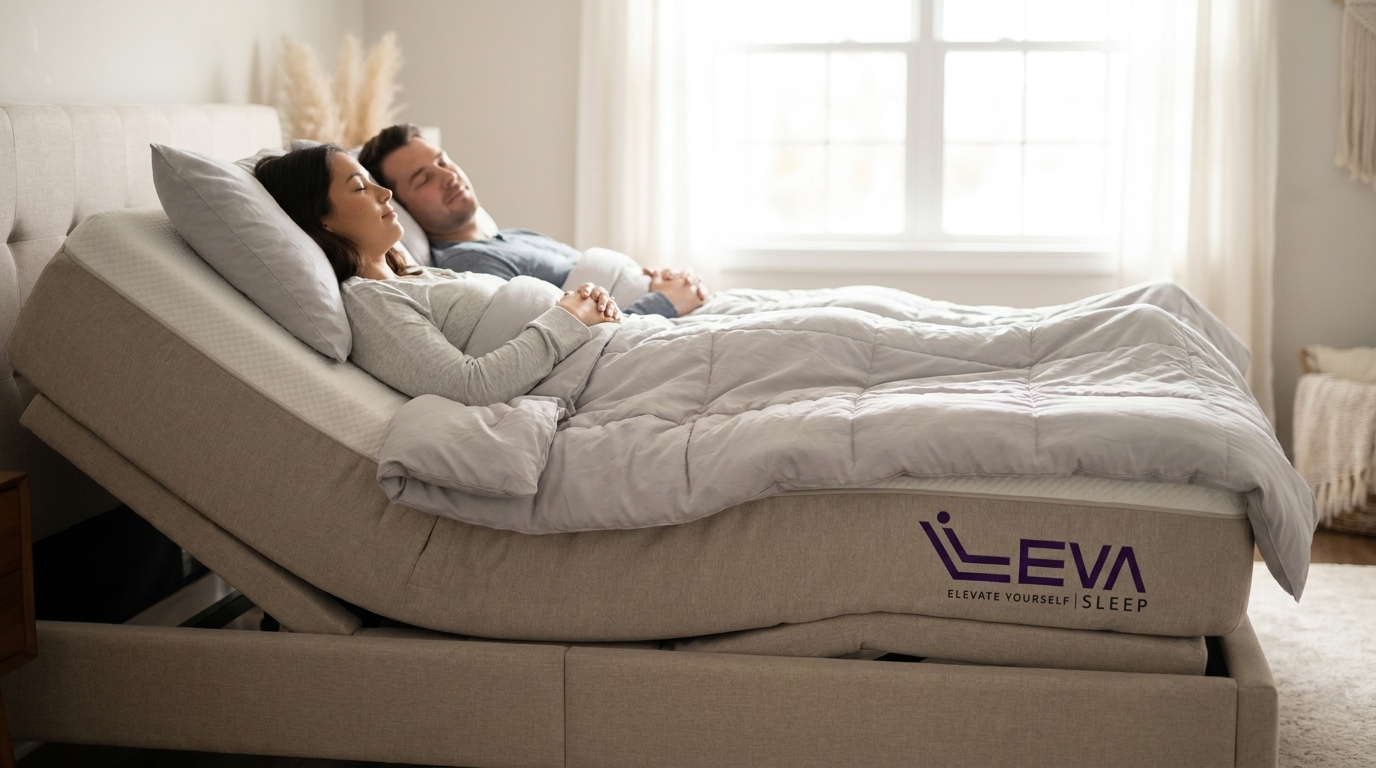
Written by: Matthew Timmins, Founder and Managing Director, Leva Sleep
Key Takeaways for Couples Losing Sleep to Snoring
- Split adjustable beds are the top anti-snoring solution for couples, offering independent elevation to open airways and reduce snoring vibrations.
- Anti-snore mouthpieces and nasal devices provide individual relief but lack couple customization and long-term effectiveness for shared beds.
- Positional pillows, CPAP alternatives, smart wearables, and wedge pillows offer limited benefits compared to adjustable beds’ precise positioning.
- Leva Sleep’s split bases feature quiet motors, app controls, and upcoming 2026 anti-snore AI mode, trusted by 25,000 couples.
- Couples can reclaim shared sleep without disruptions by exploring Leva Sleep’s split adjustable beds for proven snoring relief.
Top 7 Anti-Snoring Devices That Really Work for Couples
Couples have several device options that can reduce snoring and protect shared sleep.
The following devices represent the most effective solutions for couples dealing with snoring issues:
- Split Adjustable Beds (Leva Sleep)
- Anti-Snore Mouthpieces
- Nasal Devices
- Positional Pillows
- CPAP Alternatives
- Smart Wearables
- Wedge Pillows
The comparison below highlights how these options differ for couples, focusing on partner comfort, cost, clinical support, and ideal use cases.
Comparison of Top Anti-Snoring Devices for Couples
| Device Type | Couple Effectiveness Factors | Cost Range | Key Evidence | Best For |
|---|---|---|---|---|
| Split Adjustable Beds | High: Independent adjustment preserves couple comfort | $2,000-$8,000 | Positional therapy opens airways | Long-term couples solution |
| Anti-Snore Mouthpieces | Moderate: Individual use only | $50-$200 | Effective for occasional and frequent snorers | Individual use, mild cases |
| Nasal Strips/Dilators | Low: Nasal congestion only | $10-$50 | Limited and mixed results | Nasal congestion only |
| Positional Pillows | Moderate: Limited adjustability | $28-$150 | Elevation reduces airway collapse | Mild positional snoring |
1. Split Adjustable Beds: Most Complete Anti-Snoring Setup for Couples
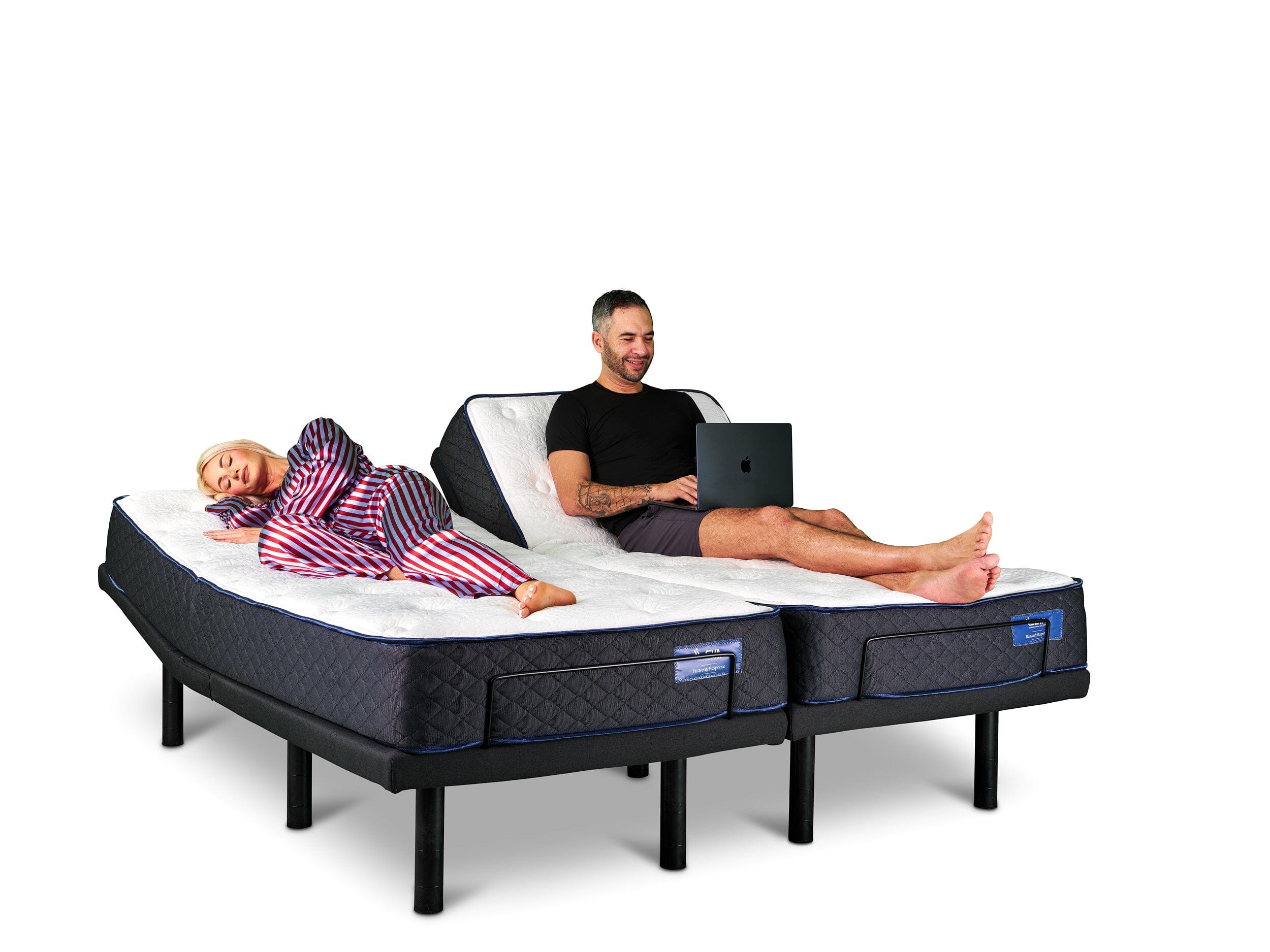
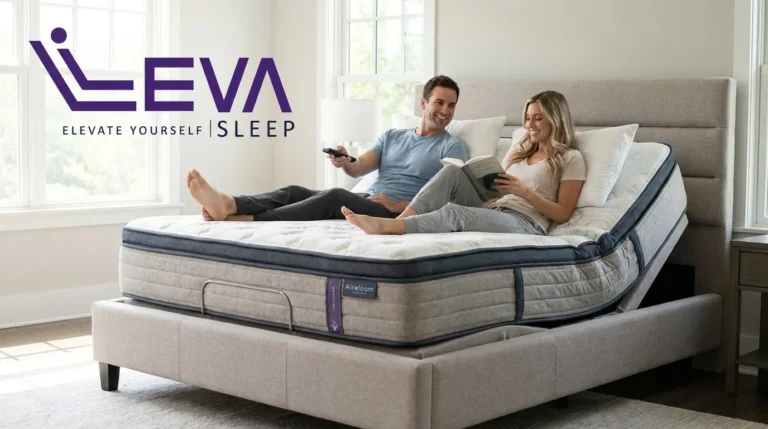
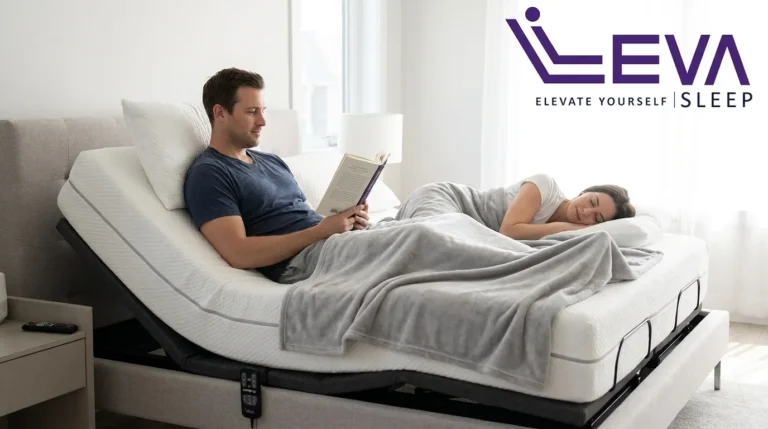
Split adjustable beds provide the most complete long-term solution for couples dealing with loud or chronic snoring. These systems address positional snoring by allowing precise elevation of the head and upper body, which opens airways and reduces the tissue vibrations that create snoring sounds. Unlike temporary devices, adjustable beds create a permanent sleep environment that each partner can tailor to their own comfort and support needs.
This customization works because the underlying science of elevation therapy is well-established in sleep medicine. When the head is elevated 30 to 45 degrees, gravity helps prevent the tongue and soft tissues from collapsing backward into the airway. This position keeps the breathing passage more open throughout the night and often cuts down snoring episodes for many users.
Leva Sleep’s split adjustable bases build on this science with independent app controls for each side of the bed, whisper-quiet German motors, and an upcoming 2026 anti-snore mode that detects snoring and makes small automatic adjustments. These advanced features reflect years of focused development and feedback from thousands of couples, allowing Leva to offer split Queen and King configurations at 30 to 50 percent less cost than many comparable competitors.
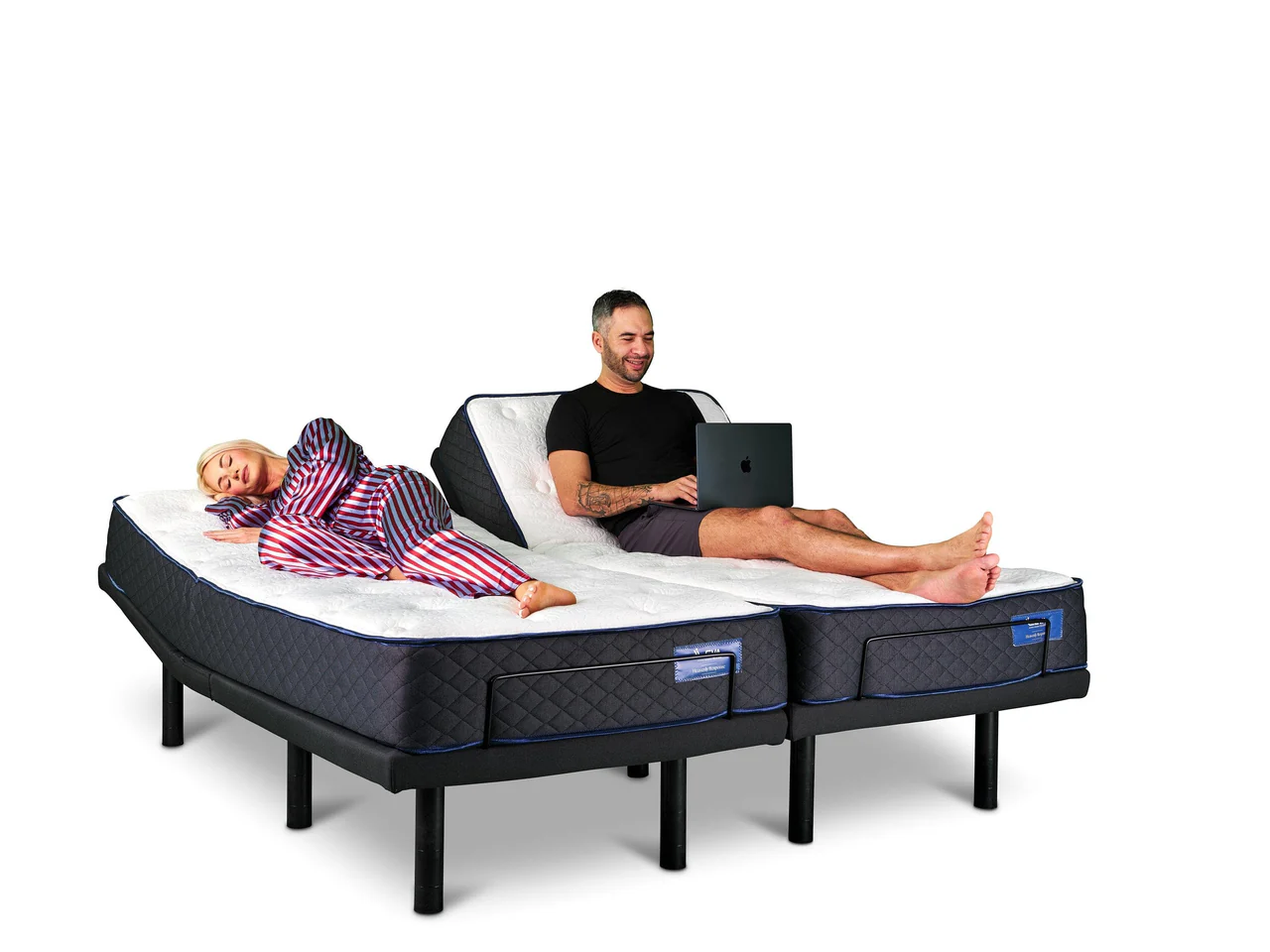
Couples can experience these split systems in person and feel how elevation changes snoring patterns by visiting Leva’s La Jolla showroom.
2. Anti-Snore Mouthpieces: Individual Devices with Couple Tradeoffs
Some couples consider mouthpieces first because they cost less upfront and target the snorer directly. Mandibular advancement devices (MADs) hold the lower jaw and tongue forward to open the airway, while tongue-retaining devices (TRDs) use suction to prevent tongue fallback. These devices can work well for individual snorers but create challenges when two people share a bed.
The SnoreRx Plus, rated as best overall at $99.99, offers 1 millimeter adjustability and boil-and-bite customization. The Somnofit-S Anti-Snore Mouth Guard+ at $149.99 provides a more comfortable fit for many users with flexible straps for jaw positioning.
Mouthpieces can reduce snoring for the wearer, yet they do not improve partner comfort or allow shared sleep customization. Many users report jaw soreness or general discomfort during long-term use, which can reduce consistency. These drawbacks, combined with the lack of couple-focused features, often make mouthpieces a short-term or backup option rather than a primary couples solution.
3. Nasal Devices: Targeted Help for Congestion-Related Snoring
Couples sometimes try nasal devices when snoring seems linked to allergies or congestion. Nasal strips are a simple, drug-free option that externally pull the nostrils open to widen nasal passages and improve airflow, but they are ineffective for snoring due to throat or airway obstruction. Research shows limited and mixed results on their overall snoring impact.
Internal nasal dilators create a stronger effect than external strips by physically holding the airway open from inside the nostrils. These products still only address nasal-related snoring and cannot help with the more common positional snoring that occurs when throat tissues collapse during sleep.
For couples, nasal devices usually provide minimal benefit because they work only for congestion-related snoring and offer no way to adjust comfort or positioning for both partners.
4. Positional Pillows: Entry-Level Elevation for Mild Snoring
Positional pillows give couples a low-cost way to test whether elevation helps snoring. Specialized pillows designed to maintain proper head and neck alignment can provide moderate relief for mild positional snoring. These pillows work by keeping the head slightly elevated and the airway in a more open position through the night.
Traditional pillows, even specialty designs, cannot match the precise, adjustable elevation that more severe snoring often requires. They also lack split customization when partners have different comfort preferences or snoring severity levels.
Positional pillows often serve as an affordable starting point, yet many couples with chronic, loud snoring eventually move to adjustable beds when pillow-based elevation no longer feels sufficient.
5. CPAP Alternatives: Effective but Often Disruptive for Couples
CPAP machines remain the standard treatment for sleep apnea and very severe snoring. These systems maintain constant air pressure to keep airways open and can be life-changing for medical cases. At the same time, CPAP therapy often creates challenges for couples, including mask discomfort, machine noise, and physical barriers that reduce closeness in bed.
The Apnea Sciences ApneaRx Sleep Apnea Mouthpiece costs $199 and serves as a portable CPAP alternative for mouth breathers who want to avoid masks. It still requires individual fitting and does not change the shared sleep environment or partner comfort.
Many couples eventually look for more couple-friendly options that maintain airway support while feeling less intrusive, which often leads them toward elevation-based solutions like split adjustable beds.
6. Smart Wearables: Helpful Tracking Without Direct Treatment
Smart wearables and sleep tracking devices help couples understand when snoring happens and how severe it becomes. These tools monitor snoring patterns and sleep quality, then present data that can guide treatment choices. They do not, however, treat the underlying airway issues that cause snoring.
For couples, wearables work best as companions to other anti-snoring solutions. They can show whether a new device, such as an adjustable bed or mouthpiece, actually reduces snoring over time, but they rarely provide immediate relief on their own.
7. Wedge Pillows: Simple One-Piece Elevation
Foam wedge pillows give the upper body a fixed incline that can reduce snoring by keeping the airway more open. These products rely on the same basic elevation principle as adjustable beds and appeal to couples who want a simple, low-cost trial of raised sleeping.
Wedge pillows still fall short for long-term couple use because they lack precise adjustability, split customization, and advanced comfort features. Many users find that wedges shift during sleep or feel uncomfortable over several hours, which reduces nightly use and long-term success.
FAQ: Best Ways to Handle Loud Snoring for Couples
Do adjustable beds actually stop snoring?
Yes, adjustable beds can significantly reduce snoring by elevating the head and upper body to prevent airway collapse. This elevation principle keeps airways more open throughout the night. Leva Sleep’s upcoming AI-enhanced anti-snore mode will automatically detect snoring and make micro-adjustments to maintain effective positioning.
What’s the best anti-snoring device for heavy snorers in relationships?
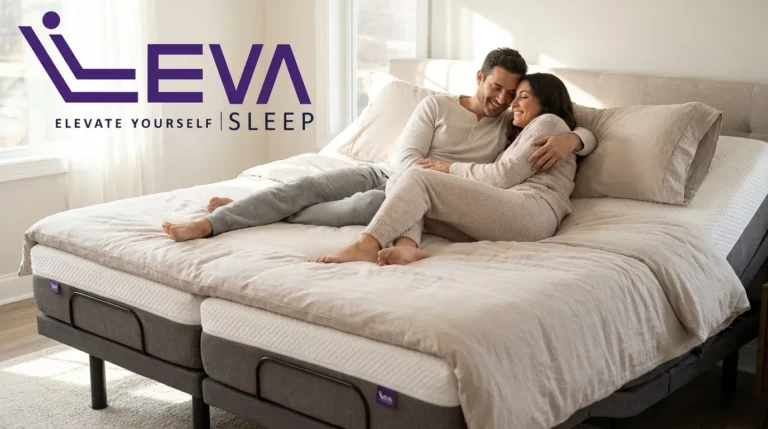
Split adjustable beds outperform mouthpieces and other devices for heavy snorers in relationships because they address the root cause through positioning while allowing both partners to customize their sleep environment. Unlike individual devices that only help the snorer, adjustable beds improve comfort for both partners and support the intimacy of shared sleeping.
Should couples choose split or single adjustable beds?
Split adjustable beds work better for most couples because they allow independent control of elevation, firmness, and positioning for each partner. This flexibility ensures that anti-snoring positioning for one person does not reduce the other partner’s comfort, which makes consistent nightly use more likely.
How does Leva Sleep compare to Sleep Number for snoring?
Leva Sleep focuses specifically on adjustable bed systems with advanced anti-snoring features, whisper-quiet motors, and comprehensive sleep positioning options. While Sleep Number centers mainly on firmness adjustment, Leva provides 15 to 20 different adjustable models compared to the 3 to 5 typically found at general retailers, along with specialized expertise in positional therapy for snoring.
When should couples see a doctor about snoring?
Couples should consult a healthcare provider if snoring includes breathing interruptions, gasping, or choking sounds that may signal sleep apnea. Many cases of positional snoring still respond well to elevation therapy through adjustable beds, which can offer a non-invasive option alongside medical guidance.
Reclaim Shared Sleep with Leva Split Adjustable Beds
Split adjustable beds stand out as the strongest choice for couples who want to stop loud snoring while still sharing a bed comfortably. Unlike short-term gadgets that treat symptoms, adjustable bases create a stable sleep setup that addresses positional snoring through precise elevation and airway support.
Leva Sleep’s proven track record, including $50 million in sales, shows how many couples have already improved their nights with these systems. The San Diego-based company’s La Jolla showroom offers hands-on testing of advanced split bases, and white-glove delivery helps couples get set up quickly at home.