
Written by: Matthew Timmins, Founder and Managing Director, Leva Sleep
Key Takeaways
-
Chronic back pain disrupts couples’ sleep through motion transfer and mismatched positioning needs on shared beds.
-
Nectar’s 2026 adjustable beds offer basic split king/queen elevation but have heat retention, limited lumbar support, and motion bleed-through.
-
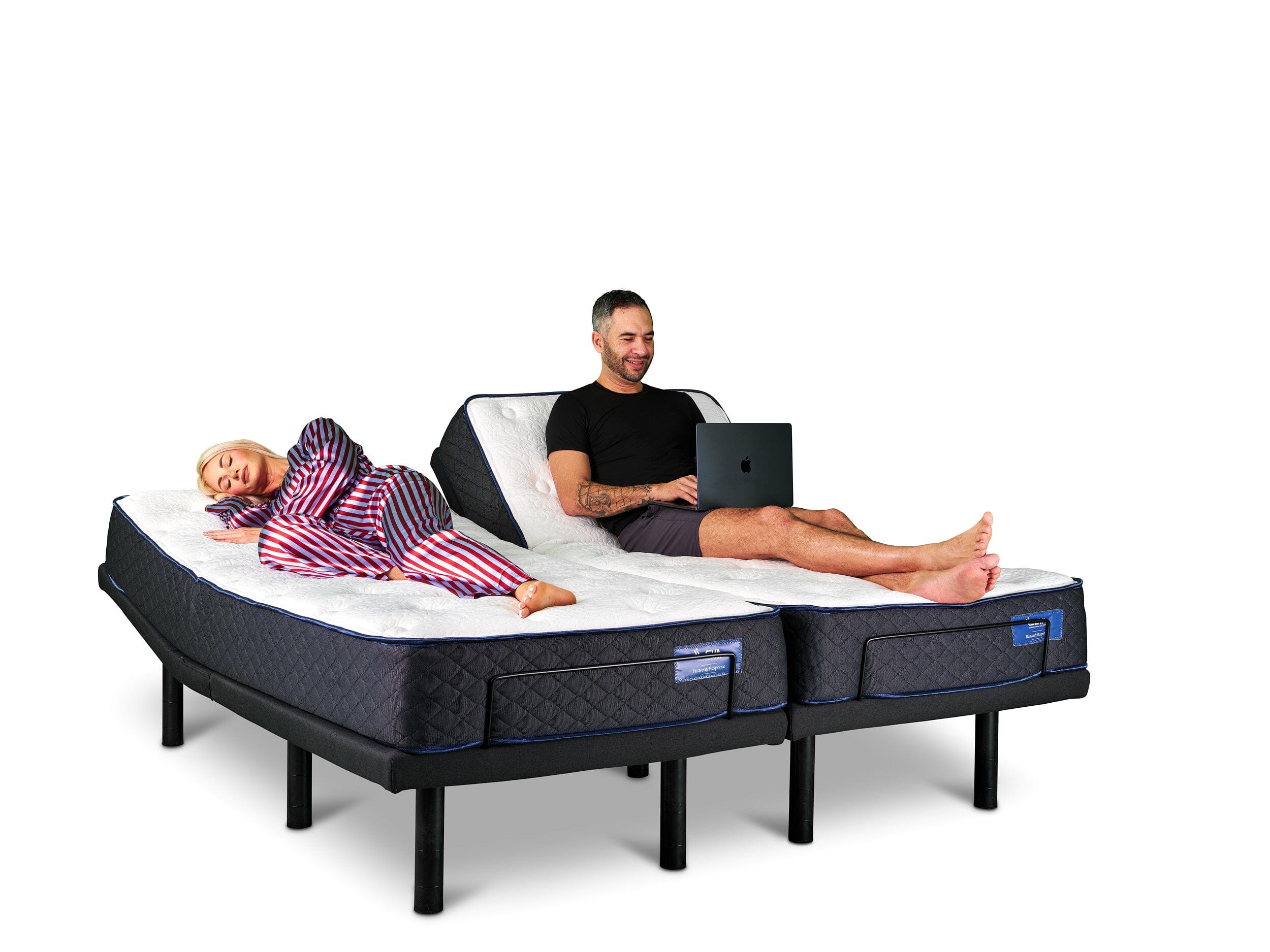
Split adjustable beds give each partner independent positioning, which supports different back pain relief needs like zero-gravity elevation.
-
Leva Sleep surpasses Nectar with quiet German motors, targeted lumbar support, anti-snore technology, and strong motion isolation for couples.
-
Split adjustable beds with specialized features like lumbar support and anti-snore technology provide better relief for couples than basic elevation-only systems.
How Back Pain Disrupts Couples on Adjustable Beds
Back pain in shared beds affects both partners, not just the person in pain. Lumbar pressure points, poor spinal alignment, and heat retention from memory foam can increase inflammation and discomfort throughout the night. When one partner shifts or repositions due to pain, that movement often transfers across the bed and interrupts the other partner’s sleep cycle.
The Couple Dynamic in Back Pain Management
Many couples have different firmness preferences. One partner may need softer pressure relief, while the other relies on firmer support for proper spinal alignment. This mismatch becomes more pronounced once back pain enters the picture. Additionally, snoring, which often worsens with poor positioning, can push the non-snoring partner toward separate sleeping arrangements.
Beyond snoring, proper positioning plays a central role in back pain management. Medical professionals frequently recommend zero-gravity positioning for relief, where the head and legs are slightly elevated to reduce pressure on the lumbar spine. Foam mattresses can support head and foot elevation and create a weightless feel in the zero-gravity position, which often helps chronic back pain. However, effective positioning requires more than basic adjustability. Couples need precise, independent control for each side of the bed.
Nectar Adjustable Bed Reviews 2026: Split King/Queen for Back Pain Couples
Nectar’s 2026 adjustable bed lineup includes split king configurations designed for couples with different sleep needs. The system offers zero-gravity positioning, memory foam pressure relief, and independent elevation controls for head and foot sections. A closer look at the specific features shows a mix of benefits and clear limitations for back pain relief.
|
Feature |
Pros |
Cons |
|---|---|---|
|
Memory Foam Comfort |
Initial pressure relief, conforms to body |
|
|
Split Configuration |
Independent head/foot elevation |
Limited lumbar-specific adjustability |
|
Zero-Gravity Mode |
Reduces spinal pressure |
Basic positioning without micro-adjustments |
|
Motion Isolation |
Memory foam reduces transfer |
User reports of “bleed-through” between sides |
Nectar Split King Motion Isolation User Experiences
Nectar promotes strong motion isolation, yet real-world user experiences show limits in split configurations. The connection point between split sections can still transmit movement between sides. This becomes especially frustrating when one partner frequently adjusts positions at night because of back pain.
Does Nectar Fix Back Pain?
Nectar’s memory foam offers initial comfort and pressure point relief, which can feel encouraging during the first weeks. That early comfort hides structural limits, since foam mattresses lack edge support compared to coil designs and often feel warmer than other options. As mentioned earlier, heat retention becomes particularly problematic when combined with progressive sagging. For chronic back pain sufferers, the lack of targeted lumbar support and this combination of issues can reduce long-term effectiveness.
Why Does My Back Hurt on Nectar?
Common complaints include progressive sagging in memory foam over time, which leads to poor spinal alignment. This alignment problem is compounded by heat retention, which can increase inflammation in already sensitive areas. The lack of zoned support then worsens the situation by failing to relieve the specific pressure points that contribute to back pain.
Nectar vs. Premium Split Adjustable Beds for Back Pain
|
Feature |
Nectar |
Leva Sleep |
Winner |
|---|---|---|---|
|
Motion Isolation |
Good with some bleed-through |
Complete independence per side |
Leva Sleep |
|
Motor Quality |
Standard motors |
Quiet German motors |
Leva Sleep |
|
Specialized Features |
Basic elevation controls |
Lumbar support, anti-snore mode |
Leva Sleep |
|
Price Point |
Mid-range |
Leva Sleep |
This comparison highlights clear gaps in Nectar’s support for couples with back pain. Nectar delivers basic split functionality, yet it lacks the specialized features needed for chronic pain relief and true partner compatibility. After reviewing these differences, couples who need targeted support often look for systems that provide deeper customization and more reliable motion control.
Leva Sleep: Purpose-Built Relief for Back-Pain Couples
Leva Sleep directly addresses the limits found in many traditional adjustable beds through eight years of specialized engineering focused on couples’ sleep challenges. The system includes truly independent split controls, targeted lumbar support for the lower back, and anti-snore technology launching in spring 2026 that detects snoring and makes small, automatic adjustments.
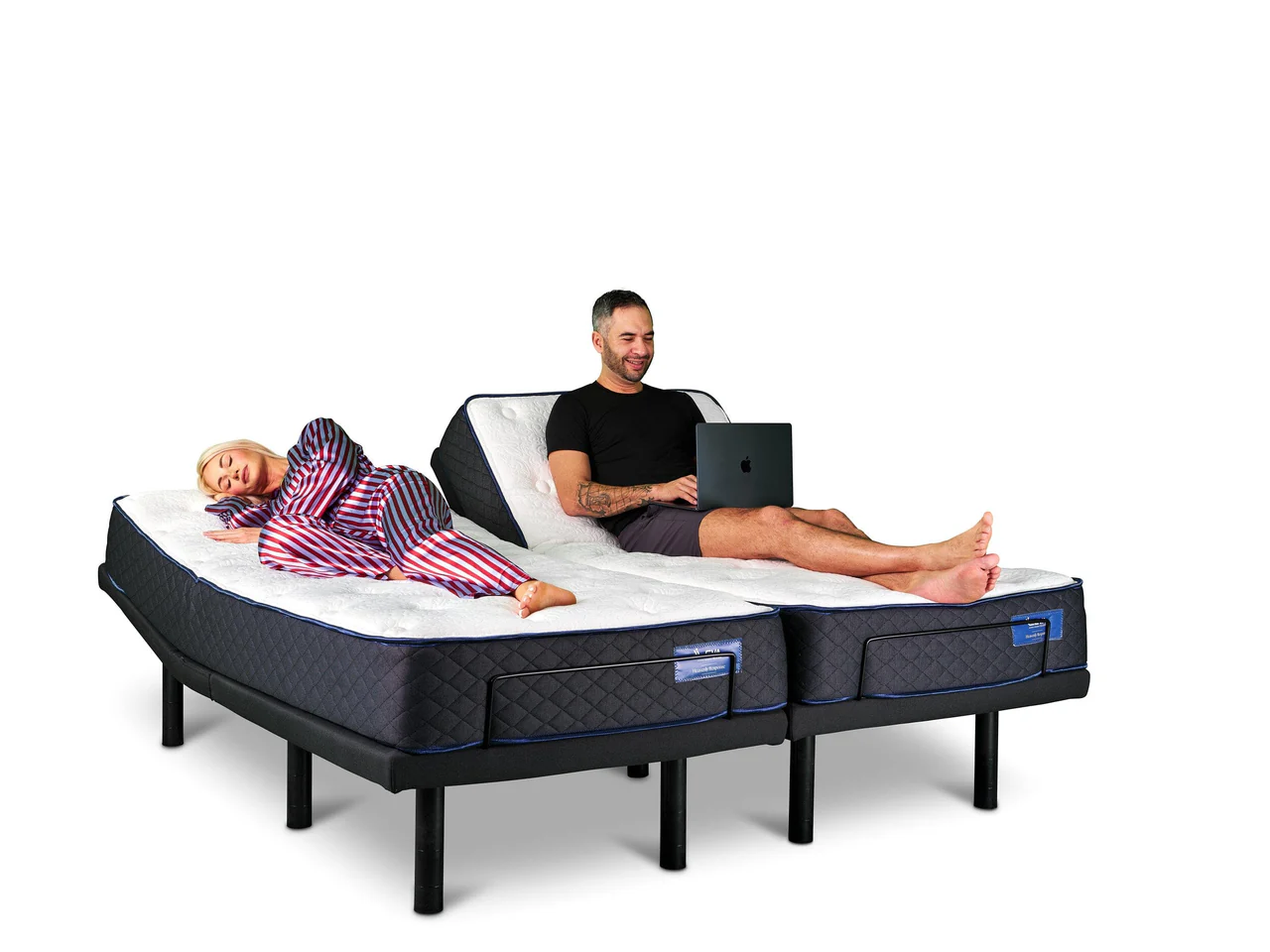
Quiet German motors reduce the disruptive noise common in basic adjustable beds. App-based controls give each partner precise customization without waking the other. Leva’s mattresses are designed specifically for adjustable bases and tackle edge support and temperature concerns that often appear in standard memory foam systems.
Customer testimonials frequently describe a dramatic change in sleep quality. The phrase “Back pain gone, sleep together” reflects the experience of couples who found relief after switching from traditional adjustable beds. With over 25,000 customers served, this specialized expertise shows measurable results for couples managing complex back pain needs.
Unlike Nectar’s generalist approach, this focused experience, combined with white-glove delivery and setup, gives couples a complete solution instead of a compromise.
How to Choose an Adjustable Bed for Back Pain
Shoppers who live with back pain should prioritize adjustable beds that offer independent split controls, quiet operation, and features like lumbar support. Testing motion isolation between split sections helps reveal how well each side stays stable when a partner moves. Couples should also review how the mattress materials handle temperature and support over time.
For partners sharing a bed, completely independent positioning often matters as much as comfort. Healthcare providers can recommend elevation angles that match specific back conditions. Leva Sleep’s La Jolla showroom offers hands-on testing of split configurations so couples can feel the difference that specialized adjustable bed design provides.
FAQ: Nectar Adjustable Beds for Couples with Back Pain
Are Nectar beds good for bad backs?
Nectar beds provide initial pressure relief through memory foam contouring, yet long-term back pain support is limited by heat retention, progressive sagging, and lack of targeted lumbar support. The basic elevation controls can improve positioning, but they do not fully address the spinal alignment needs of chronic back pain sufferers.
How does Nectar compare to Leva for split adjustable beds?
Nectar offers basic split functionality with standard elevation controls. Leva provides specialized features that include independent lumbar support, anti-snore technology, quiet motors, and app-based precision controls. This specialized expertise leads to stronger motion isolation and better partner compatibility.
Does elevation help back pain in adjustable beds?
Proper elevation can significantly reduce back pain by supporting neutral spinal alignment and lowering pressure on lumbar vertebrae. The zero-gravity position, where the head and legs are slightly elevated, helps distribute weight more evenly and often provides meaningful relief for chronic back pain sufferers.
What makes split adjustable beds better for couples with back pain?
Split adjustable beds let each partner choose a position that supports their pain relief without sacrificing the other person’s comfort. This matters when one partner needs elevation for back pain while the other prefers a flat surface, or when each person requires a different firmness level for healthy spinal alignment.
Why do some couples experience motion transfer in split adjustable beds?
Motion transfer in split beds often comes from weak separation between sides or lower-quality motors that create vibration. Premium systems like Leva’s use independent bases with quiet motors to reduce transfer, while basic models may include shared connection points that pass movement between partners.
Conclusion & Next Steps
Nectar adjustable beds provide basic elevation features but do not fully address the complex needs of couples living with chronic back pain. Heat buildup, limited lumbar support, motion transfer, and simple controls can create ongoing challenges instead of lasting relief.
Leva Sleep’s specialized split adjustable beds deliver targeted relief, independent customization, and partner compatibility that many back pain couples need. Features such as lumbar support, anti-snore technology, and quiet operation focus on the specific problems that generic adjustable beds often leave unresolved.
Transform your sleep with Leva Sleep by visiting the La Jolla showroom or shopping online today. Specialized adjustable bed engineering can provide the Nectar adjustable bed back pain relief you have been seeking, backed by eight years of focused development.