
Written by: Matthew Timmins, Founder and Managing Director, Leva Sleep
Key Takeaways
- Keep a consistent sleep schedule and follow the 10-3-2-1-0 rule to align your circadian rhythm and fall asleep faster naturally.
- Use grounding tools like the 3-3-3 rule, 4-7-8 breathing, and progressive muscle relaxation to calm racing thoughts and release tension.
- Get morning sunlight, use supportive elevation, and keep your bedroom cool and dark to maintain deep sleep through the night.
- Limit evening caffeine and liquids, enjoy herbal teas, move your body daily, and eat magnesium-rich foods to reduce disruptions and improve sleep quality.
- Combine these natural methods with adjustable sleep systems that personalize comfort so couples can sleep well together without sacrificing individual needs.
Your 15 Natural Sleep Hacks at a Glance
Use this list as your roadmap for better sleep. Methods 1–7 help you fall asleep faster. Methods 8–15 focus on staying asleep and waking up refreshed. Start with the techniques that match your biggest challenge, then layer in more over time.
- 1. Consistent Sleep Schedule
- 2. 10-3-2-1-0 Rule
- 3. 3-3-3 Rule for Insomnia
- 4. Japanese Trick/Military Method
- 5. 4-7-8 Breathing
- 6. Progressive Muscle Relaxation
- 7. Warm Shower Ritual
- 8. Morning Sunlight Exposure
- 9. Optimal Elevation Positioning
- 10. Herbal Teas (Chamomile/Valerian)
- 11. Cool, Dark Bedroom
- 12. Limit Evening Liquids/Caffeine
- 13. Daily Exercise
- 14. Magnesium-Rich Foods
- 15. White Noise/Blackout
15 Best Natural Ways to Fall Asleep Fast and Stay Asleep All Night – Science-Backed Guide
Fall Asleep Fast with These 7 Nighttime Habits
1. Consistent Sleep Schedule
Going to bed and waking up at the same time every day trains your circadian rhythm and makes falling asleep feel easier. Your internal clock starts releasing melatonin on a predictable schedule and prepares your body for rest.
Couples with different schedules can choose a compromise bedtime that still feels realistic. Even a shared 30-minute window helps align sleep cycles. Going to bed together does not mean both partners must fall asleep at once, because one person can read or unwind quietly while the other drifts off.
2. 10-3-2-1-0 Rule for No Screens
The 10-3-2-1-0 rule gives your evening a clear structure that supports sleep. Avoid caffeine 10 hours before bed, finish food 3 hours before, stop work 2 hours before, and turn off screens 1 hour before. Aim for zero snooze-button hits in the morning so your wake time stays consistent.
Couples can turn this into a shared wind-down routine with conversation, reading, stretching, or light prep for the next day. If one partner occasionally needs to work late, they can still keep lights low and use quiet, non-disruptive activities while the other partner rests.
3. 3-3-3 Rule for Insomnia
The 3-3-3 rule gives your mind something calm and concrete to focus on when you cannot sleep. Notice 3 things you can see, then 3 sounds you can hear, then gently move 3 parts of your body. This sequence grounds your attention in the present moment and activates your parasympathetic nervous system.
Use this method during middle-of-the-night awakenings or when your thoughts start to spiral. Small, slow movements and a slight position change often deepen the sense of relief and help your body ease back toward sleep.
4. Japanese Trick to Sleep Instantly (Military Method)
The military method walks your body through a full release of tension in a set order. Relax your face muscles, drop your shoulders, soften your arms, breathe deeply to relax your chest, then release your legs. This sequence teaches your body how to shift from alert to drowsy on command.
The technique works best when you already feel physically supported and comfortable. Many couples practice it together as a short pre-sleep ritual, with each person settling into a position that keeps their spine neutral and pressure points cushioned.
5. 4-7-8 Breathing Technique
The 4-7-8 pattern slows your system and signals that it is safe to rest. Inhale through your nose for 4 counts, hold for 7, then exhale slowly for 8. The long exhale activates the vagus nerve, lowers heart rate, and gently reduces blood pressure.
Practice this while lying in your usual sleep position so your body links the pattern with bedtime. Couples dealing with snoring often see extra benefit when the snoring partner uses slight head elevation during these exercises, because more open airways support calmer breathing all night.
Partner snoring making it hard to relax with your breathing practice? Explore anti-snore positioning solutions that complement these natural techniques.
6. Progressive Muscle Relaxation
Progressive muscle relaxation teaches your body the difference between tension and ease. Start at your toes, gently tense a muscle group for about 5 seconds, then release and notice the contrast. Move slowly up your body until you reach your face and scalp.
This step-by-step scan helps you find hidden tight spots that keep you wired at night. Many couples enjoy doing this together as lights-out approaches, since a calm, supported body makes it easier for both partners to fall asleep and stay asleep.
7. Pre-Bed Warm Shower
A warm shower in the evening helps your body cool down afterward, which mimics the natural temperature drop that signals sleep. The shift from warm water to cooler air tells your brain that night is starting.
Follow your shower with a bedroom setup that supports continued cooling, such as breathable bedding and a comfortable room temperature. When both partners feel physically relaxed and not overheated, it becomes much easier to drift off at the same time.
Stay Asleep Deep with These 8 Day-and-Night Strategies
8. Morning Sunlight for Circadian Reset
Bright light soon after waking anchors your body clock and improves sleep quality that night. Aim for sunlight within 30 minutes of getting up, or use bright indoor light when natural light is limited.
Couples can build a simple morning ritual like a short walk, coffee by a sunny window, or breakfast near natural light. Stronger circadian rhythms reduce random awakenings and help both partners feel sleepy at a similar time each night.
9. Optimal Elevation Positioning for Alignment
Gentle elevation of your head and legs supports circulation, eases joint pressure, and keeps your spine aligned. This reduces the tossing and turning that breaks up deep sleep.
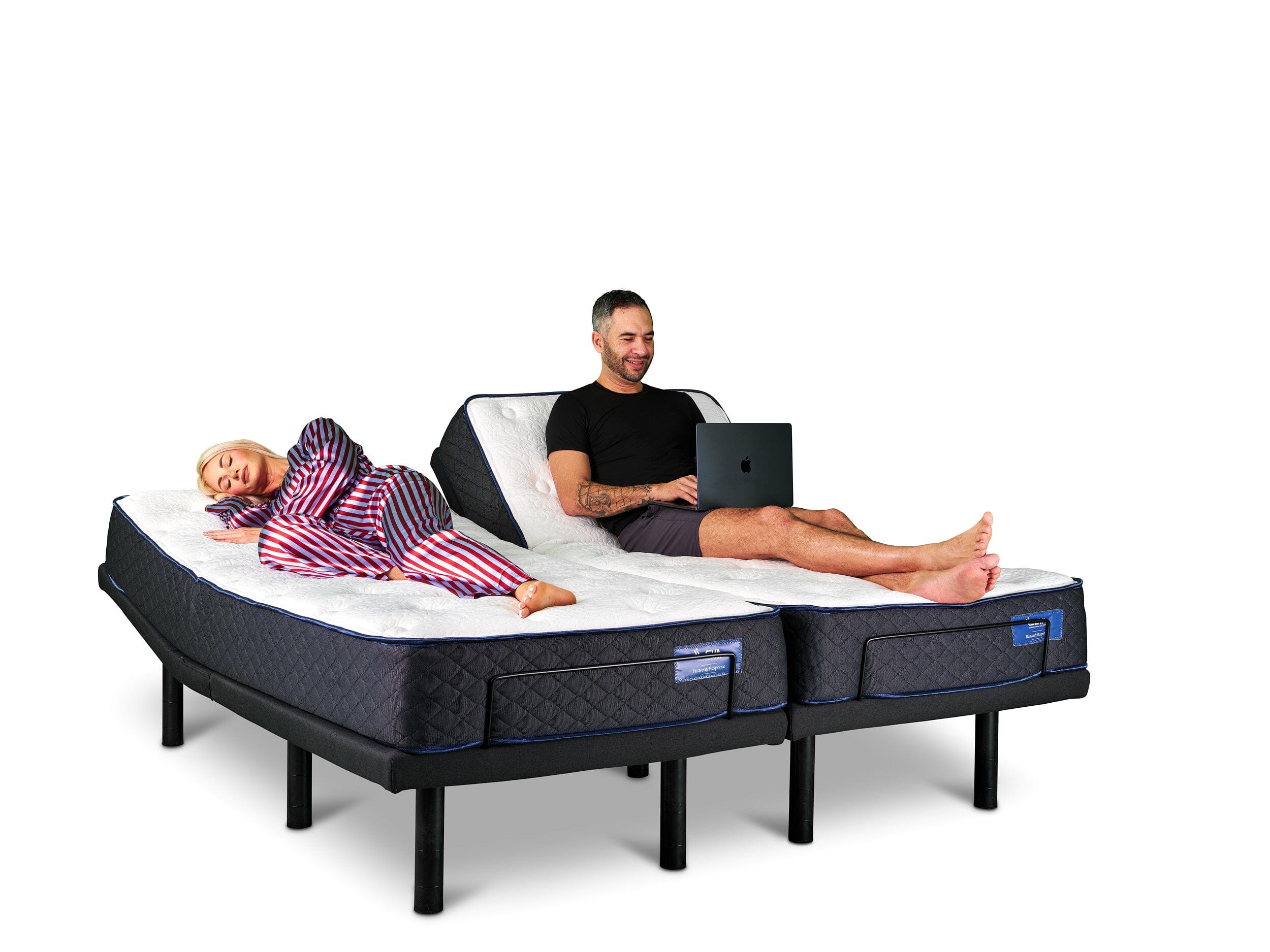
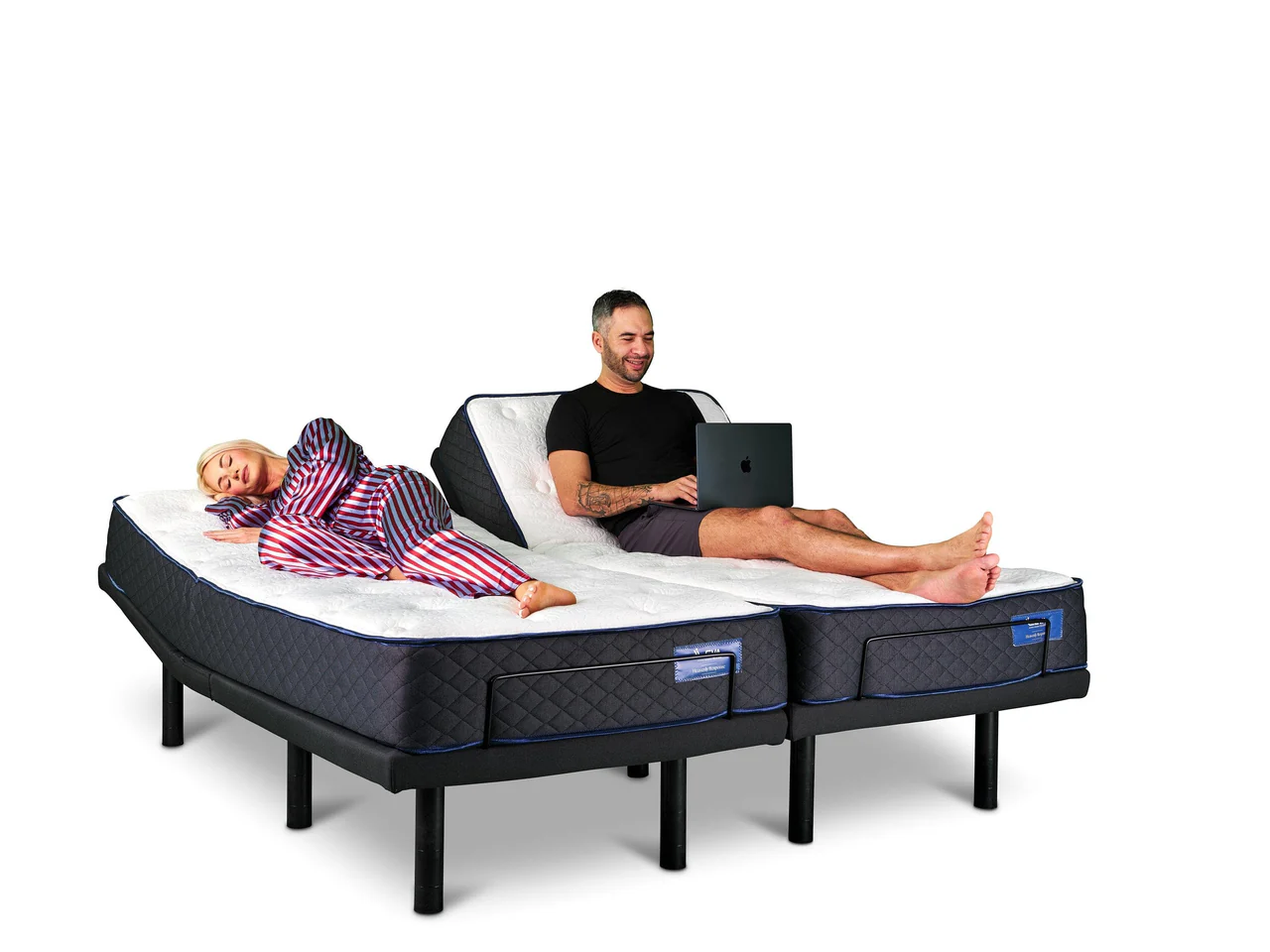
Partners often need different angles based on body type, snoring, reflux, or circulation issues. Individual control over elevation lets each person find a position that feels good all night without forcing the other to adjust.
10. Herbal Teas like Chamomile/Valerian
Chamomile tea contains apigenin, which binds to GABA-A receptors and encourages relaxation. Research on chamomile shows mixed results, with modest effects on how quickly people fall asleep.
Controlled trials show non-significant trends toward shorter sleep latency and less wake time after sleep onset. That means the tea may help a little, but the effect is not dramatic. For many couples, the real benefit comes from a shared, screen-free wind-down ritual that tells the brain it is time for bed.
Want to pair that calming tea with better physical support? See how in-person sleep consultations can fine-tune your nighttime setup.
11. Cool, Dark, Quiet Bedroom
A cool, dark, quiet room protects your sleep cycles from constant interruptions. A temperature between 60 and 70°F supports your body’s natural nighttime cooling, while darkness boosts melatonin and low noise keeps you from waking repeatedly.
Partners rarely share identical temperature and noise preferences, so flexible solutions help. Layered bedding, breathable fabrics, and small adjustments to thermostat settings allow both people to stay comfortable without constant wake-ups.
12. Limit Evening Liquids and Caffeine
Cutting back on fluids 2–3 hours before bed reduces bathroom trips that break up your sleep. Fewer awakenings mean more time in deep, restorative stages.
Caffeine needs even more distance from bedtime. Avoid it after about 2 PM so stimulation does not linger into the night. Caffeine can stay in your system for 6–8 hours, quietly reducing sleep depth even when you no longer feel wired.
Couples can support each other by choosing earlier coffee times and lighter evening drinks. When both partners follow similar timing, one person’s late latte is less likely to keep the other awake.
13. Daily Moderate Exercise
Regular movement during the day helps you fall asleep faster and reach deeper stages of sleep. Exercise lowers stress hormones, supports mood, and strengthens your circadian rhythm.
Finish workouts at least 3–4 hours before bed so your body has time to cool down and relax. Shared walks, classes, or home workouts give couples a double benefit, improving both sleep quality and connection.
14. Magnesium-Rich Foods and Supplements
Magnesium plays a key role in muscle relaxation and nervous system balance, which supports better sleep. Almonds, spinach, pumpkin seeds, and other magnesium-rich foods can gently boost your intake.
Evening meals that include these foods may ease nighttime tension and reduce restlessness. When both partners feel physically looser and less achy, they tend to move less in bed and wake each other less often.
15. White Noise and Blackout Solutions
White noise and blackout tools protect your sleep from light and sound that you cannot fully control. A steady sound backdrop masks traffic, neighbors, or hallway noise, while blackout curtains or eye masks block light that interferes with melatonin.
Partners often differ in how sensitive they are to light and sound. Flexible options like individual eye masks, separate white noise levels, or small bedside machines let each person dial in the environment that feels most restful.
Got Sleep Questions? Quick Answers
What is the 3-3-3 rule for insomnia?
The 3-3-3 rule is a simple grounding tool for nights when you cannot fall asleep or wake up and feel wired. You name 3 things you can see, then 3 sounds you can hear, then gently move 3 parts of your body. This sequence pulls attention away from racing thoughts and toward physical sensations, which activates your parasympathetic nervous system and supports sleep readiness.
Does elevating your head help you stay asleep?
Yes, slight head elevation often improves sleep quality for many people. It can open airways to reduce snoring, ease acid reflux, and support better circulation. These changes reduce the small disruptions that cause frequent awakenings and fragmented rest.
When each partner can choose their own elevation, one person can sleep slightly raised while the other stays flat. That flexibility helps couples manage different medical needs without sleeping in separate rooms.
What is the best natural solution for couples dealing with snoring?
The most effective natural approach combines smart positioning with a calm sleep environment. Elevating the head about 6–8 degrees helps open airways, while side sleeping reduces airway collapse. Proper spinal alignment also keeps muscles from relaxing in a way that worsens snoring.
Couples often see the best results when the snoring partner adjusts position and both partners keep the bedroom cool, dark, and quiet. This combination supports deeper, more continuous sleep for both people.
How does sleep positioning compare to melatonin for staying asleep?
Melatonin mainly helps you fall asleep by signaling that night has started. Positioning works differently, because it targets the physical discomforts that wake you up later. Neutral spinal alignment, reduced pressure points, and open airways keep your body comfortable through the night.
Position changes also work immediately and can be adjusted at any time. Unlike supplements, they do not require precise timing and do not carry side effects for most people.
When should couples consider adjustable sleep systems?
Adjustable systems become helpful when partners have different comfort needs or medical issues that respond to specific positions. Joint pain, reflux, sleep apnea, and circulation problems are common reasons to explore more flexible setups.
These systems make sense when poor sleep starts to affect daily energy, health, or relationship harmony. Many couples choose them when they want to keep sharing a bed while still honoring individual sleep needs.
Reclaim Deep, Shared Sleep Tonight
Restful sleep grows from consistent routines paired with physical support that matches how your body naturally rests. Research confirms that adequate sleep duration and quality strongly influence daily function and long-term health. Choose two or three techniques from this guide to try tonight, then add more as they become second nature.
Couples often sleep best when they combine natural strategies with personalized positioning that respects both partners. More than 25,000 customers have found that this mix creates a stable foundation for better health, energy, and connection.
Ready to upgrade how you sleep together? Start your better-sleep plan with an in-store visit or by exploring adjustable options online.