Written by: Matthew Timmins, Founder and Managing Director, Leva Sleep
Key Takeaways for Couples’ Sleep
- Alcohol disrupts REM sleep and triggers frequent awakenings, which creates restless movement, next-day fatigue, and strain between partners.
- Weekend sleep catch-up disrupts circadian rhythms and couples’ schedules, so partners miss shared routines and never fully recover.
- Chronic short sleep quietly harms cognition, mood, and health, even when you feel “fine,” which weakens patience and empathy at home.
- Snoring often signals airway problems linked to apnea, fragmenting sleep for both partners and increasing the risk of sleep divorce.
- Leva Sleep’s adjustable bases with split configurations, quiet motors, and 2026 anti-snore tech address these issues for couples—explore how these features work together.
Myth #1: Alcohol Helps You Sleep
The Myth: A nightcap before bed improves sleep quality and helps you fall asleep faster.
The Truth: While alcohol may initially make you drowsy, it significantly disrupts sleep architecture throughout the night. Alcohol reduces REM sleep, the critical stage for memory consolidation and emotional regulation, and it often causes frequent awakenings during the second half of the night as your body metabolizes the alcohol.
How It Hurts Couples: Alcohol-induced sleep fragmentation leads to restless movement, increased bathroom trips, and disrupted breathing patterns that disturb both partners. This constant disruption prevents deep, restorative sleep, which explains why the resulting fatigue and mood changes strain relationships and reduce intimacy.
Leva Sleep Solution: Adjustable bases with gentle elevation can improve circulation and comfort during alcohol recovery periods. The whisper-quiet motors allow position changes without waking your partner, and the anti-snore mode (launching spring 2026) targets breathing disruptions that alcohol can worsen.
Myth #2: You Can Catch Up on Sleep on Weekends
The Myth: Sleeping in on weekends compensates for weekday sleep debt and resets your energy levels.
The Truth: Weekend sleep-ins disrupt circadian rhythms and create social jet lag. This shift makes it harder to fall asleep Sunday night and keeps the cycle of sleep deprivation going. The cognitive and metabolic benefits of consistent sleep do not return fully through weekend oversleeping.
How It Hurts Couples: Irregular sleep schedules create mismatched bedtimes and wake times. Couples lose shared morning coffee, evening conversations, and other small rituals that strengthen connection. One partner’s weekend sleep-in can also disrupt the other partner’s schedule and cause frustration.
Leva Sleep Solution: The Leva Sleep app supports consistent sleep schedules with programmable wake-up routines and gentle vibrating alarms that avoid waking your partner. Split configurations let each person follow their ideal schedule while still sharing a bed.
Myth #3: You Can Function Fine on Less Sleep
The Myth: Feeling functional during the day means you are getting enough sleep, no matter how many hours you log.
The Truth: Chronic sleep restriction impairs cognitive performance, immune function, and emotional regulation even when people report feeling alert. The body adapts to ongoing sleep loss by masking obvious fatigue, yet the hidden health and performance consequences keep building.
How It Hurts Couples: Sleep-deprived partners often feel more irritable and less patient. Reduced empathy and impaired decision-making affect communication, conflict resolution, and shared responsibilities. Both partners feel the impact when one person’s lack of sleep drains emotional availability at home.
Leva Sleep Solution: AI-powered sleep tracking measures actual sleep quality instead of relying on how rested you think you feel. The system then uses this data to fine-tune sleep duration and positioning for both partners through personalized adjustments.
Myth #4: The Snooze Button Extends Rest
The Myth: Hitting snooze gives you extra rest and makes waking up easier.
The Truth: Using a snooze alarm prolongs sleep inertia compared to a single alarm after morning awakening. Sleep inertia is the groggy feeling that usually lasts anywhere from 15 to 60 minutes after waking. The fragmented sleep between alarms does not provide meaningful rest and disrupts natural wake cycles.
How It Hurts Couples: Repeated alarms interrupt both partners’ sleep. This pattern creates resentment and morning grogginess, which then affects the entire day’s mood, interactions, and productivity.
Leva Sleep Solution: Leva’s gentle vibrating wake-up feature gradually increases intensity to wake one partner while letting the other stay asleep. Programmable positioning can slightly elevate the head before wake time to support a smoother, more natural awakening.
Myth #5: Stay in Bed If You Can’t Sleep
The Myth: Lying in bed awake works better than getting up, and you should try to force sleep.
The Truth: Staying in bed while awake creates negative sleep associations and reinforces insomnia patterns. Sleep specialists usually recommend leaving the bedroom after about 20 minutes of wakefulness to protect the bed’s association with sleep.
How It Hurts Couples: Tossing and turning disrupts both partners’ sleep. The anxiety and frustration that build while you try to force sleep can spill over into the relationship and create ongoing sleep-related tension.
Leva Sleep Solution: Subtle position changes can create new comfort and help sleep arrive more naturally without leaving the bed. The split configuration lets one partner adjust for comfort while the other remains undisturbed.
The following table summarizes how these common myths compare to scientific evidence and shows how each one affects couples differently.
Sleep Myth Comparison: Facts vs. Fiction
| Common Myth | Scientific Fact | Impact on Couples | Leva Sleep Solution |
|---|---|---|---|
| Alcohol improves sleep | Reduces REM sleep | Increased movement and awakenings | Anti-snore positioning and quiet adjustments |
| Weekend sleep catch-up works | Disrupts circadian rhythms | Mismatched sleep schedules | App-controlled consistent wake routines |
| Snoring is harmless | Linked to sleep apnea | Sleep disruption for both partners | Automatic head elevation and anti-snore detection |
| Snooze extends rest | Increases sleep inertia duration | Multiple alarm disruptions | Gentle vibrating wake-up for one partner |
Myth #6: Snoring Is Harmless
Snoring’s Hidden Impact on Health and Relationships
The Myth: Snoring is just a minor annoyance that does not affect health or sleep quality.
The Truth: Snoring often indicates airway obstruction and is associated with sleep apnea. Even without a formal apnea diagnosis, snoring fragments sleep for both the snorer and their partner, which reduces sleep efficiency and daytime cognitive performance.
Leva Sleep Solution: The anti-snore mode uses advanced sensors to detect snoring and then automatically adjusts head elevation to open the airway. This approach targets the mechanical cause of snoring instead of simply masking the sound.
Myth #7: Screen Time Before Bed Is Fine
How Evening Screens Delay Sleep
The Myth: Modern screens do not significantly affect sleep, especially when you use blue light filters.
The Truth: Screen exposure within two hours of bedtime suppresses melatonin production. This delay in melatonin makes it harder to fall asleep and reduces overall sleep quality, even when blue light filters are active.
Leva Sleep Solution: Programmable bedtime routines in the Leva app can gradually dim integrated lighting and move the bed into relaxing positions. These cues support a natural wind-down that makes it easier to put devices aside.
Myth #8: Naps Always Ruin Nighttime Sleep
The Truth: Strategic naps of 20–30 minutes before 3 PM can improve alertness without harming nighttime sleep. Timing and duration matter more than the simple act of napping.
Leva Sleep Solution: Elevated napping positions can support circulation and comfort during short rest periods. The built-in timer feature helps you keep naps within the ideal window.
Myth #9: Everyone Needs Exactly 8 Hours
The Truth: Most adults need between 7 and 9 hours of sleep, with individual differences based on genetics, age, and health. Sleep quality and how you feel during the day matter more than hitting a single number.
Leva Sleep Solution: Split configurations let each partner tailor their own sleep duration and quality. One person can wind down earlier or stay in bed longer without disturbing the other.
Myth #10: Flat Beds Are Best for Spinal Health
The Truth: Slight elevation can improve spinal alignment and reduce pressure points, especially for side sleepers and people with lower back pain.
Leva Sleep Solution: Precise lumbar support and adjustable positioning create spinal alignment that flat beds cannot match. This support reduces pressure points and can improve circulation for both partners.
Why Adjustable Sleep Systems from Leva Sleep Support Couples
Traditional flat beds rarely solve the complex sleep challenges couples face. Adjustable sleep systems offer personalized positioning that addresses individual health needs, comfort preferences, and sleep disorders at the same time.
Leva Sleep has spent eight years refining adjustable sleep solutions for more than 25,000 customers. With 15–20 different models, including unique Split Queen and Split King configurations, Leva provides focused expertise that general mattress retailers do not offer. The 2026 anti-snore technology launch continues this focus on solving couples’ most common sleep disruptions.
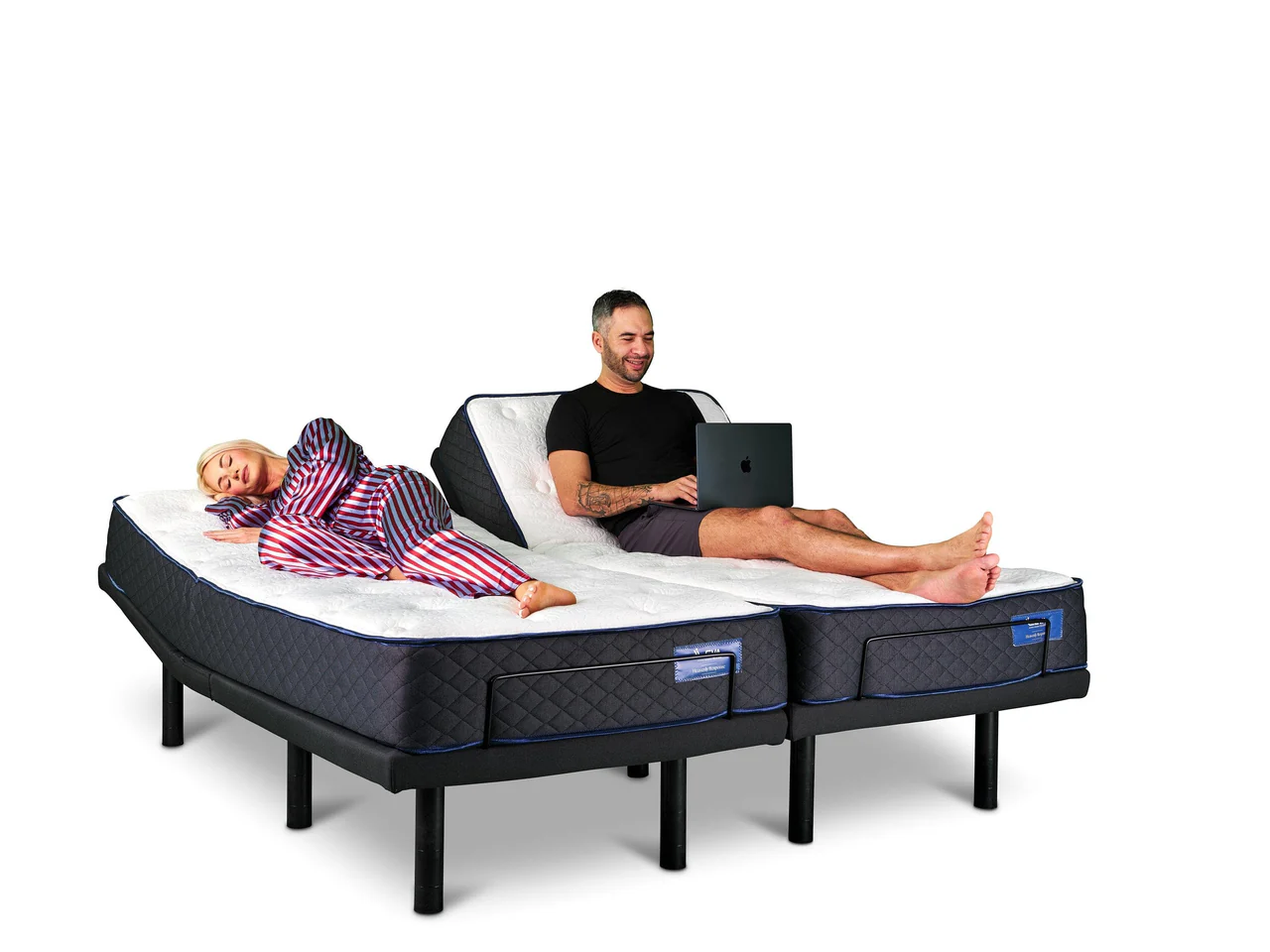
Unlike basic adjustable beds sold as simple add-ons, Leva’s systems combine whisper-quiet German motors, precision engineering, and accessories designed specifically for adjustable bases. American-made mattresses and local assembly support consistent quality while delivering luxury features at 30–50% less than many comparable competitors.
Visit the La Jolla showroom or explore Leva Sleep online to experience how a purpose-built adjustable system can change the way you and your partner sleep.
Frequently Asked Questions
Can adjustable beds really fix snoring problems?
Adjustable beds can significantly reduce snoring by elevating the head and opening the airway naturally. Leva Sleep’s anti-snore technology, launching in spring 2026, builds on this by automatically detecting snoring and making micro-adjustments throughout the night. This method addresses the mechanical cause of snoring instead of relying only on masks or other devices. Many couples find that proper positioning removes the need for separate bedrooms due to snoring.
How do split adjustable bases help couples with different sleep needs?
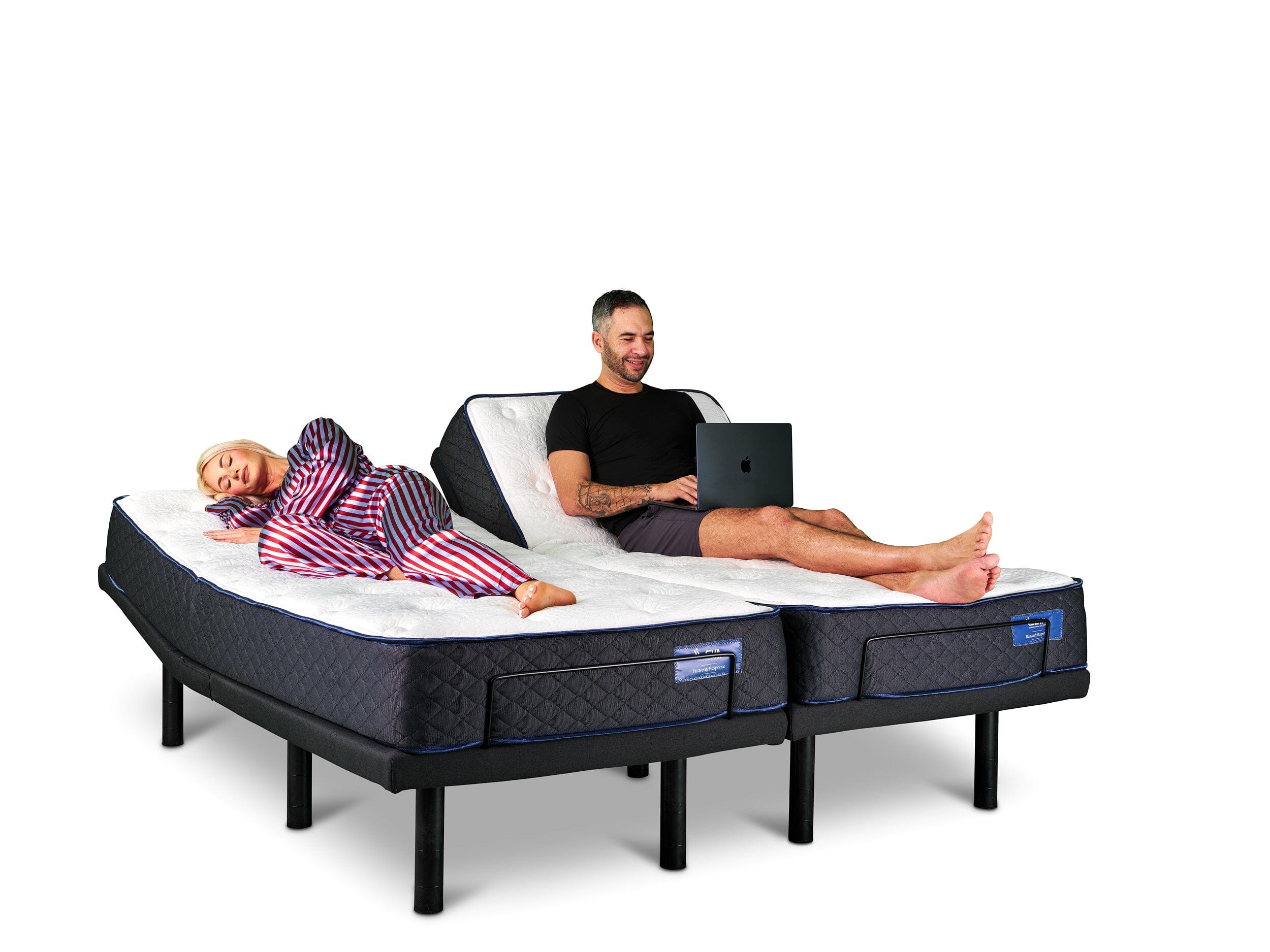
Split adjustable bases give each partner full control of their side of the bed while preserving the closeness of sharing one mattress surface. Each side can use different elevation angles, massage settings, and compatible temperature accessories. One partner can raise their head for acid reflux while the other stays flat, or each person can choose a different comfort position without compromise. Whisper-quiet motors keep adjustments from waking the other partner.
Is Leva’s anti-snore technology available now?
Leva Sleep’s advanced anti-snore detection and automatic adjustment technology will launch in spring 2026. Current Leva systems already support manual positioning that can reduce snoring through head elevation. The upcoming technology will add automatic detection and micro-adjustments throughout the night, which represents a major step forward in addressing one of couples’ most common sleep complaints.
Why choose Leva Sleep over other adjustable bed companies?
Leva Sleep focuses solely on adjustable sleep systems, which creates deeper expertise than general mattress or furniture retailers. As discussed earlier, Leva designs systems specifically for couples, including unique Split Queen options and couple-focused features. This specialization supports better guidance in the showroom and more tailored solutions for partners with different sleep needs.
Do I need special bedding for adjustable beds?
Adjustable beds work best with bedding designed to move smoothly with the base. Leva Sleep creates all bedding accessories specifically for adjustable systems, including fitted sheets with extra elastic to prevent slipping, duvets with separation clips, and mattress protectors that flex with movement. Regular bedding often pops off the corners and reduces comfort during position changes.
Conclusion: Stop Letting Myths Steal Your Sleep
Sleep myths quietly erode couples’ rest, health, and connection. Misunderstandings about alcohol, weekend catch-up sleep, snoring, and flat beds can push partners toward chronic fatigue and even sleep divorce.
Leva Sleep’s adjustable systems address these root causes with precision engineering, couple-focused design, and upcoming anti-snore detection. Every feature aims to help partners sleep better together instead of adapting to a one-position flat bed.
Start your sleep transformation with a personalized Leva Sleep consultation and see how better positioning can support your rest, health, and relationship.