
Written by: Matthew Timmins, Founder and Managing Director, Leva Sleep
Key Takeaways for Restful, Shared Sleep
- Frequent nighttime awakenings disrupt millions of couples and often push partners toward sleep divorce due to snoring, movement, and pain.
- Major triggers include sleep apnea, physical discomfort from flat beds, partner-related disruptions, and hormonal changes such as menopause.
- A structured 12-step plan starts with basic sleep hygiene and progresses to split adjustable beds that support elevation and snoring relief.
- Leva Sleep split systems give each partner independent controls, quiet motors, and upcoming AI anti-snore technology tailored to couples.
- Thousands of customers now sleep through the night; see how Leva’s split systems solve these issues.
Why You Keep Waking Up Multiple Times a Night
Frequent nighttime awakenings usually trace back to specific medical or environmental causes that you can identify and address. Common medical drivers include obstructive sleep apnea, insomnia, nocturia, restless legs syndrome, and REM sleep behavior disorder.
How Physical Discomfort and Pain Break Your Sleep
Chronic back, hip, shoulder, and knee pain often force your body to shift positions throughout the night, which causes repeated awakenings. Flat mattresses intensify these problems by creating pressure points and poor spinal alignment, especially for side sleepers and people with arthritis or fibromyalgia.
How Your Partner’s Sleep Habits Disrupt Your Night
About 31.2% of adults wake up at least three nights per week, often because of partner snoring, movement, or different temperature preferences. Roughly 30 million people in the United States have sleep apnea, but only about 6 million are diagnosed, which leads to loud, untreated snoring that disturbs both partners.
Medical and Hormonal Shifts That Fragment Sleep
Perimenopause and menopause cause major physiological sleep disruptions through night sweats, hot flashes, and hormonal shifts. Early cortisol spikes around 1-3 a.m., often tied to stress or circadian rhythm disruptions, can also trigger frequent awakenings.
Why Waking Up 5-6 Times a Night Is Not Normal
Waking up 5-6 times per night goes beyond normal sleep fragmentation and usually signals an underlying sleep disorder. As noted earlier, frequent awakenings affect nearly one-third of adults, but this level of disruption often reflects insomnia or sleep-maintenance problems. Sleep-disordered breathing is the most underdiagnosed cause of sleep-maintenance insomnia, with breathing disruptions triggering dozens of partial arousals per night.
Core Strategies That Help You Stay Asleep
Evidence-based sleep hygiene habits create a stable foundation for deeper, more continuous sleep.
- Sleep-friendly environment: Keep bedroom temperature between 60-67°F, block light, and reduce noise as much as possible.
- Predictable routine: Build a 30-60 minute wind-down period before bed that you follow consistently.
- Stress management: Use cognitive behavioral therapy techniques, relaxation exercises, or meditation to calm your mind.
- Screen limits: Avoid electronic devices for 2-3 hours before bed or use blue light filters when screens are unavoidable.
- Exercise timing: Finish vigorous exercise at least 4 hours before bedtime so your body has time to settle.
- Light evening meals: Eat your last meal about 3 hours before sleep to reduce digestive discomfort and reflux.
The 12-Step Guide to Stop Waking Up Multiple Times a Night
This stepwise plan starts with free lifestyle changes and progresses to premium sleep systems for stubborn sleep problems.
Steps 1-3: Build a Stable Sleep Foundation
1. Consistent Schedule: Go to bed and wake up at the same time every day, including weekends, to stabilize your circadian rhythm. This regular timing prepares your body to respond better to the next environmental changes.
2. Bedroom Optimization: Once your schedule feels steady, adjust your sleep environment by setting the temperature to 60-67°F, using blackout curtains, and reducing noise or adding white noise. These environmental cues work with your schedule to signal that it is time for sleep.
3. Caffeine and Fluid Management: Support your schedule and environment by stopping caffeine after 2 PM, which keeps it at least 4 hours away from bedtime for most people. Limit fluids 2-3 hours before bed to cut down on bathroom trips and nocturia-related awakenings.
Steps 4-6: Adjust Daily Behaviors That Disrupt Sleep
4. Stress Management: Practice progressive muscle relaxation, deep breathing, or cognitive behavioral therapy for insomnia (CBT-I) to reduce nighttime worry and tension.
5. Screen Hygiene: Keep your bedroom device-free when possible, and use blue light filters on essential electronics to protect melatonin production.
6. Exercise Timing: Complete moderate to vigorous exercise at least 4 hours before bedtime so your nervous system has time to wind down.
Steps 7-9: Target Specific Sleep Disruptors
7. Diet Modifications: Avoid large meals, spicy foods, and alcohol within 3 hours of bedtime, since they can trigger reflux, hot flashes, and fragmented sleep.
8. Address Medical Issues: Elevate your head 6-8 inches to ease sleep apnea symptoms, acid reflux, and snoring. Adjustable beds become especially valuable at this stage because they allow precise, repeatable elevation.
9. Partner Accommodation: Use white noise machines, earplugs, or separate sleep surfaces while still protecting intimacy and connection.
Steps 10-12: Invest in Premium Sleep Solutions
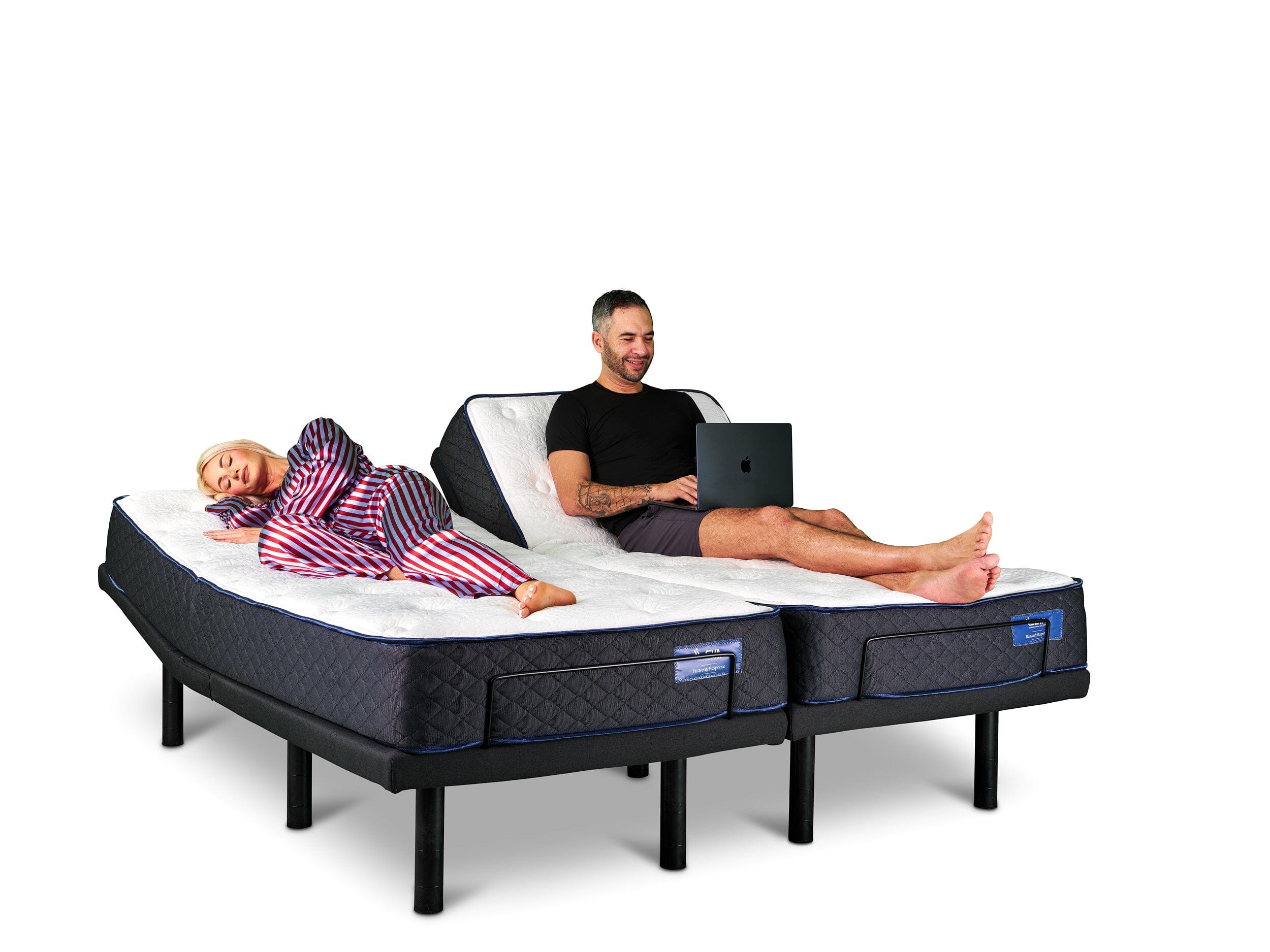
10. Split Adjustable Base: Leva Sleep Split Queen and King systems give each partner independent elevation control, which helps with snoring, pain, and personal comfort preferences at the same time.
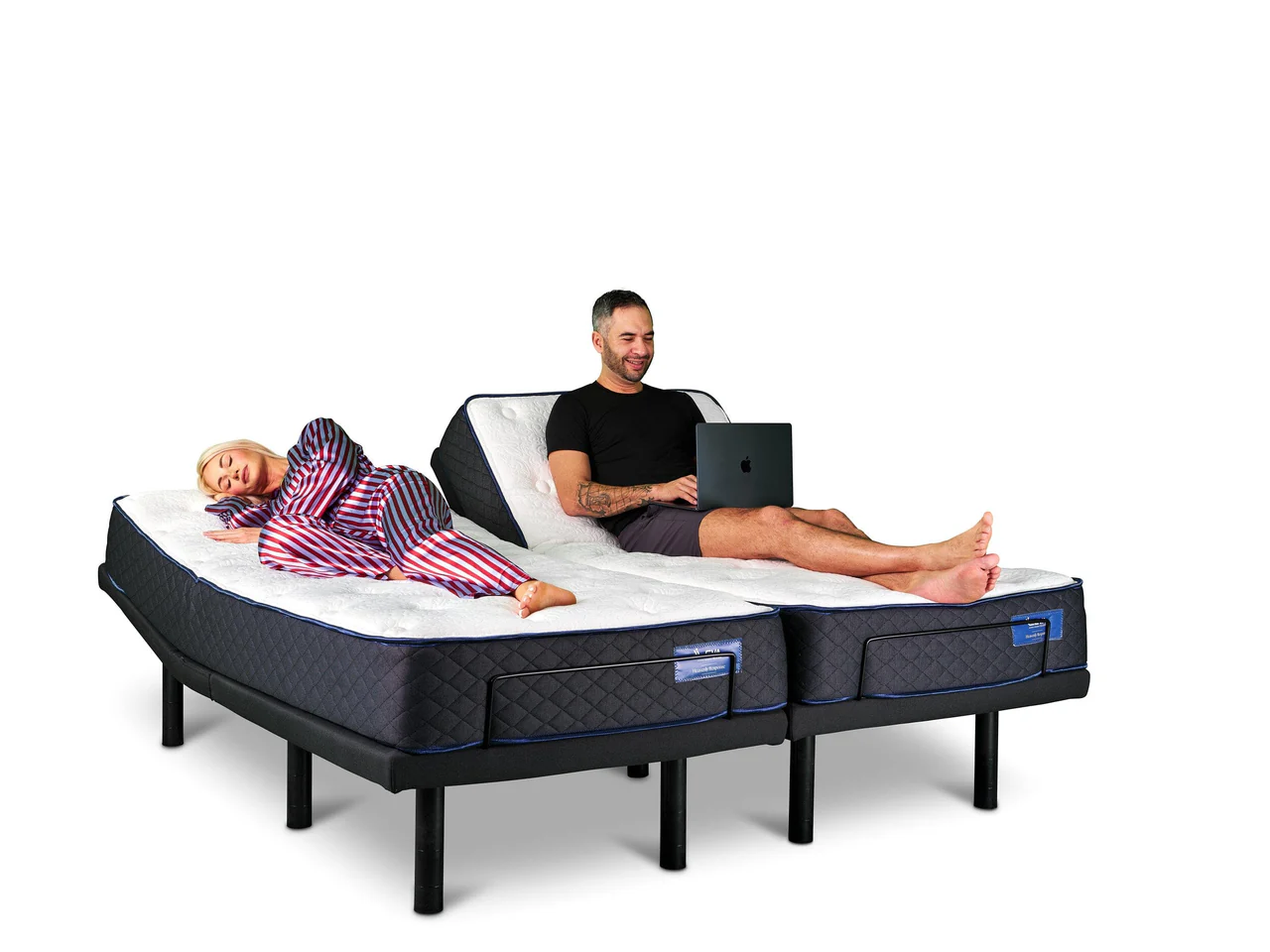
11. Advanced Features: Take advantage of whisper-quiet German motors, lumbar support, pillow tilt, and the upcoming anti-snore mode, planned for Spring 2026, that detects snoring and makes gentle micro-adjustments.
12. Complete Sleep System: Combine adjustable bases with mattresses and bedding designed for elevation, including fitted sheets with extra elastic and duvet clips that keep everything in place.
| Feature | Flat Bed | Basic Adjustable | Leva Split System |
|---|---|---|---|
| Independent Controls | None | Limited | Independent app-based control for each side |
| Motor Noise | N/A | 40-60 dB | Low-noise German-engineered motors |
| Anti-Snore Technology | None | Manual adjustment | AI-based snore detection and auto-adjustment (2026) |
| Cost Savings | Baseline | Retail markup | Direct-to-consumer pricing at 30-50% less than many competitors |
Browse Leva’s complete range of adjustable bases and compare models that fit your bedroom.
Evidence and Real Stories From Leva Sleep Users
Research demonstrates that sleep hygiene education significantly improves sleep quality, with participants showing better Pittsburgh Sleep Quality Index scores and less daytime sleepiness. Elevation therapy also helps many people with sleep apnea and acid reflux sleep more comfortably.
Thousands of Leva Sleep customers report dramatic improvements in sleep quality after moving from flat beds to split adjustable systems. Many couples who were considering separate bedrooms now share a bed again, because each partner can choose a personal sleep position without sacrificing comfort or support.
Frequently Asked Questions About Nighttime Awakenings
When should I see a doctor about frequent nighttime awakenings?
See a healthcare provider if you wake up more than 3 times per night for several weeks, notice gasping or choking, feel severe daytime fatigue, or develop morning headaches. These signs can point to sleep apnea or other serious sleep disorders that need medical evaluation.
Do adjustable beds really help with snoring?
Adjustable beds often reduce snoring by elevating the head of the bed 6-8 inches, which helps open the airway. Leva Sleep’s upcoming anti-snore mode will detect snoring patterns and make subtle, automatic adjustments that aim to reduce noise for both partners.
What is the difference between Split Queen and Split King adjustable beds?
Split Queen measures 60″ x 80″ total, or 30″ per side, which suits smaller bedrooms while preserving independent controls. Split King measures 76″ x 80″ total, or 38″ per side, and offers more individual space. Both sizes include the same advanced features and customization options.
Can adjustable beds help with restless leg syndrome and chronic pain?
Adjustable beds can ease restless leg syndrome symptoms and chronic pain by improving circulation and reducing pressure points. The ability to elevate legs and fine-tune lumbar support promotes better spinal alignment and less strain on joints.
How do split adjustable beds work for couples with different sleep preferences?
Split systems give each partner completely independent controls, so one person can elevate for snoring or pain relief while the other stays flat. Temperature settings, massage features, and positioning can all be customized through smartphone apps, which helps both partners create their own ideal sleep environment.
Your Path to Unbroken Sleep With Leva
Frequent nighttime awakenings can improve when you follow a clear, step-by-step plan that addresses both habits and hardware. By applying these 12 progressive steps, from basic sleep hygiene through advanced split adjustable systems, many couples reclaim deep rest and protect their relationship.
Leva Sleep focuses on adjustable sleep solutions that support personalized, uninterrupted sleep for both partners. Visit Leva’s La Jolla showroom or explore the full adjustable collection online.