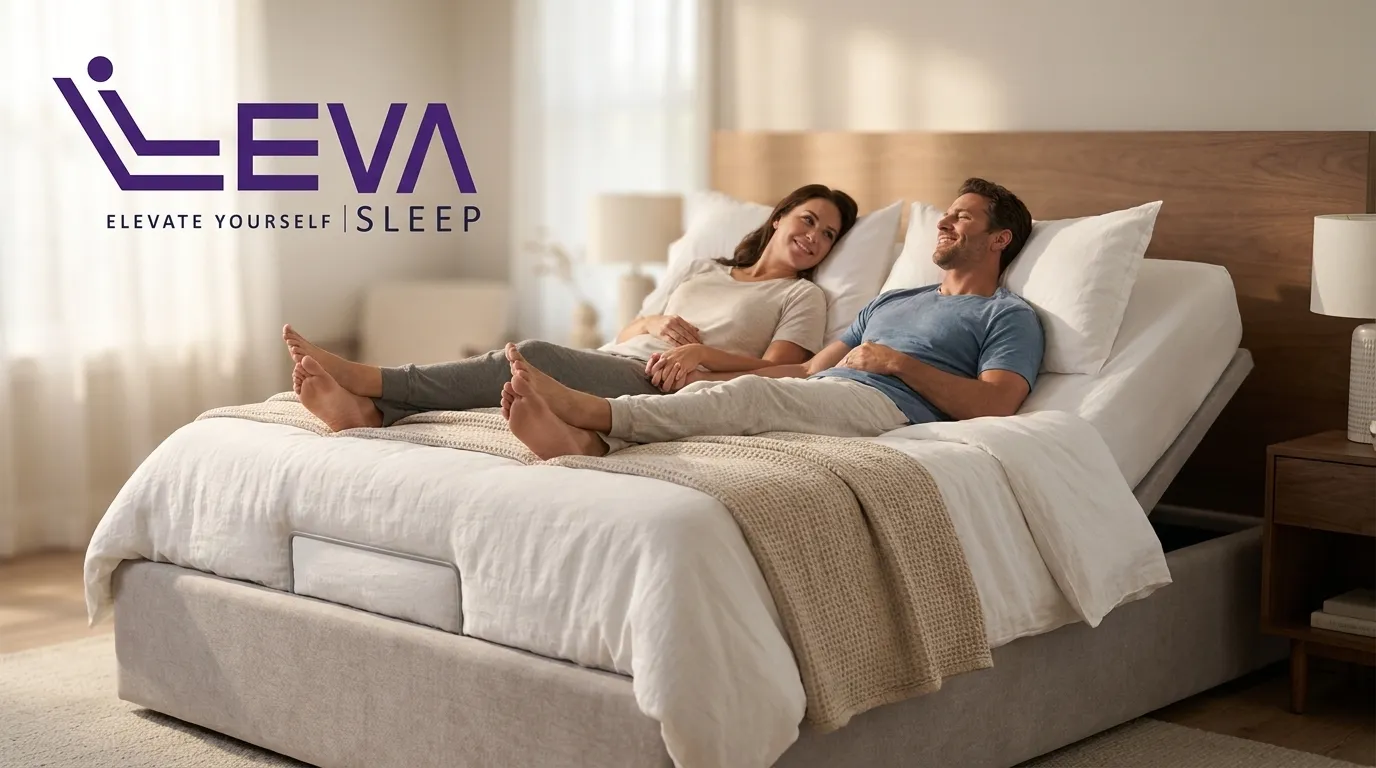
Written by: Matthew Timmins, Founder and Managing Director, Leva Sleep
Key Takeaways
- Flat-bed sleeping compresses spinal discs and tightens hip flexors, which worsens lower back pain, morning stiffness, and sleep disruption.
- Zero-gravity position, developed from NASA research, elevates head and legs to a consistent hip angle for spinal decompression and neutral alignment.
- Core benefits include muscle relaxation, better circulation, reduced inflammation, and measurable pain relief for issues like sciatica and disc herniations.
- Leva Sleep’s adjustable beds provide precise, app-controlled zero-gravity positioning with lumbar support and quiet motors for reliable nightly relief.
- Experience meaningful back pain relief by transforming your sleep with Leva Sleep through their precision-engineered adjustable systems.
The Problem: How Flat Mattresses Aggravate Lower Back Pain
Traditional flat mattresses keep your spine in positions that increase pressure on your lower back all night. When you lie flat, your hip flexors tighten and pull on your lumbar spine, which compresses your discs. This position also concentrates your body weight on pressure points at your hips and shoulders, which reduces circulation and increases inflammation in nearby tissues.
Prolonged compression from flat sleeping can worsen conditions like sciatica, spinal stenosis, and disc herniation. Many people toss and turn through the night as their body searches for relief. This constant movement disrupts sleep cycles and blocks the deep, restorative sleep your body needs to heal from daily stress.
The Solution: Zero Gravity Sleeping for Spinal Relief
NASA engineers determined that a body position with the torso reclined to roughly 128 degrees and knees bent above heart level distributes pressure evenly across the body and reduces cardiovascular strain. This research created the foundation for what we now call the zero-gravity sleeping position.
In the zero-gravity position, your legs rise above heart level with knees slightly bent, and your hips rest at roughly a 128-degree angle. This setup promotes spinal decompression and neutral alignment. Your spine maintains its natural curves while gravitational forces that normally compress discs and joints during flat sleeping are reduced.
How Zero Gravity Relieves Lower Back Pain: Four Key Mechanisms
The zero-gravity position eases lower back pain through four key mechanisms that work together to reduce discomfort and support healing.
Spinal Decompression and Pressure Relief
The zero-gravity position achieves spinal decompression by opening the lumbar spine and reducing disc pressure, providing relief for people with sciatica, spinal stenosis, or chronic lower back pain. This position reduces pressure on compressed spinal discs, particularly benefiting individuals with disc herniations or chronic lumbar strain.
Muscle Relaxation and Tension Relief
Zero-gravity sleep helps relax muscles that contribute to lower back tension and pain, which reduces nighttime discomfort and morning stiffness. At this optimal angle, tight hip flexors can finally release and reduce the pulling force on your lumbar spine.
Improved Circulation and Reduced Inflammation
Leva Sleep’s zero-gravity position raises both the head and feet to boost circulation, ease spinal pressure, and improve blood flow, reducing spinal and joint stress. Sleeping with legs raised supports better venous return and can lower inflammation throughout the body.
Quantifiable Pain Reduction
Zero-gravity sleep shows clear benefits for managing chronic lower back pain and improving daily function.
Pros and Cons of Sleeping in the Zero Gravity Position
The zero-gravity position offers strong advantages for lower back pain relief, along with a few practical considerations. Key benefits include noticeable pain reduction, deeper sleep, and better circulation. Many people report less back pain after only a few nights, and comfort usually increases as the body adapts.
Zero-gravity sleep often involves an adjustment period while your body gets used to the elevated position. This unfamiliar angle can require practical changes, such as updating your bedding setup to stay comfortable and supported. More importantly, people with certain medical conditions, such as severe GERD, should speak with a healthcare professional before trying this position, because elevation can affect those conditions differently than back pain.
Leva Sleep’s adjustable systems ease many of these concerns with precise customization. You can gradually shift into your ideal position over time instead of making a sudden change.
Practical Setup: DIY Positioning vs. Leva Adjustable Beds
Pillows and bolsters can mimic parts of the zero-gravity position, but this DIY method has clear limits. Pillow stacks shift during the night, which breaks the angles needed for consistent spinal alignment. Maintaining a stable hip angle near 128 degrees and steady head elevation usually requires more structured support than standard pillows can deliver.
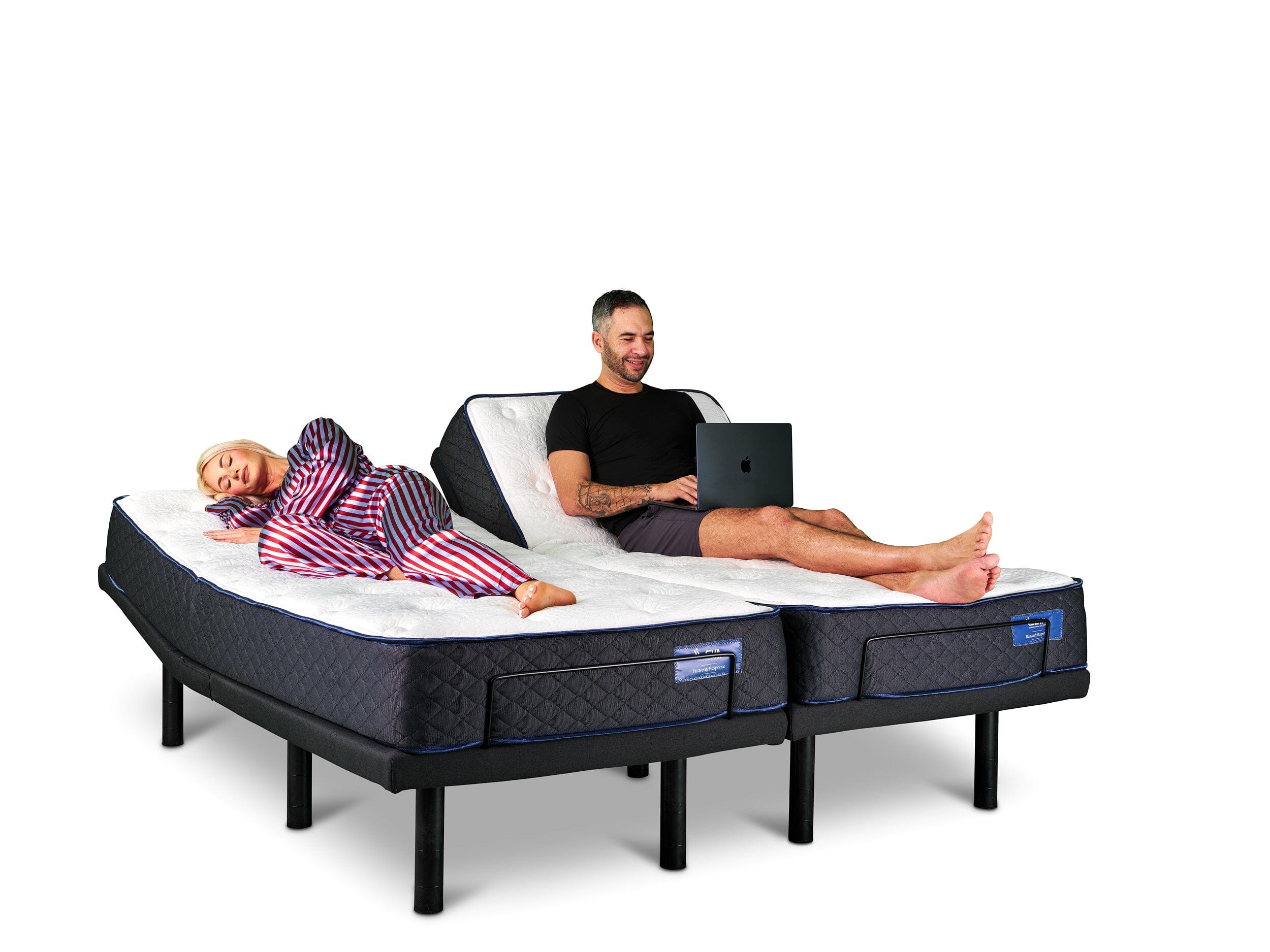
Adjustable beds provide consistent, precise positioning all night. Leva Sleep’s adjustable systems offer whisper-quiet motors and app-controlled presets that maintain optimal positioning without disruption. The split-base design lets couples personalize their own positions while still sharing one bed.
Leva’s systems add features like lumbar control for focused lower back support and pillow tilt motors for fine head adjustments. Experience these precision features at Leva Sleep by visiting the La Jolla showroom or exploring their adjustable beds online to feel how engineered support can change your nightly pain levels.
All-Night Zero Gravity and Side Sleeping Adjustments
Maintaining the zero-gravity position throughout the night delivers steady benefits for lower back pain relief. Continuous spinal decompression and improved circulation work during each sleep cycle to reduce inflammation and support healing.
Side sleepers can adapt zero gravity by placing a pillow between the knees to keep hip alignment while still using elevated head and foot positions. The goal is to preserve your spine’s natural curves while you enjoy the decompression that elevation provides.
Innerspring mattresses do not work well with adjustable bases for zero-gravity sleep, while memory foam or latex mattresses are compatible. A compatible mattress flexes with the base adjustments while still giving proper support.
Why Leva Sleep Excels at Zero Gravity Solutions for Back Pain
Leva Sleep brings over eight years of experience and 25,000 satisfied customers to adjustable sleep systems. Their US-made mattresses are built to pair with adjustable bases, which supports comfort and alignment in every position.
Leva’s split Queen and King bases give each partner independent control, with whisper-quiet German motors, app-based positioning, and advanced features like lumbar control and pillow tilt. The anti-snore mode detects snoring and makes small adjustments that support easier breathing.
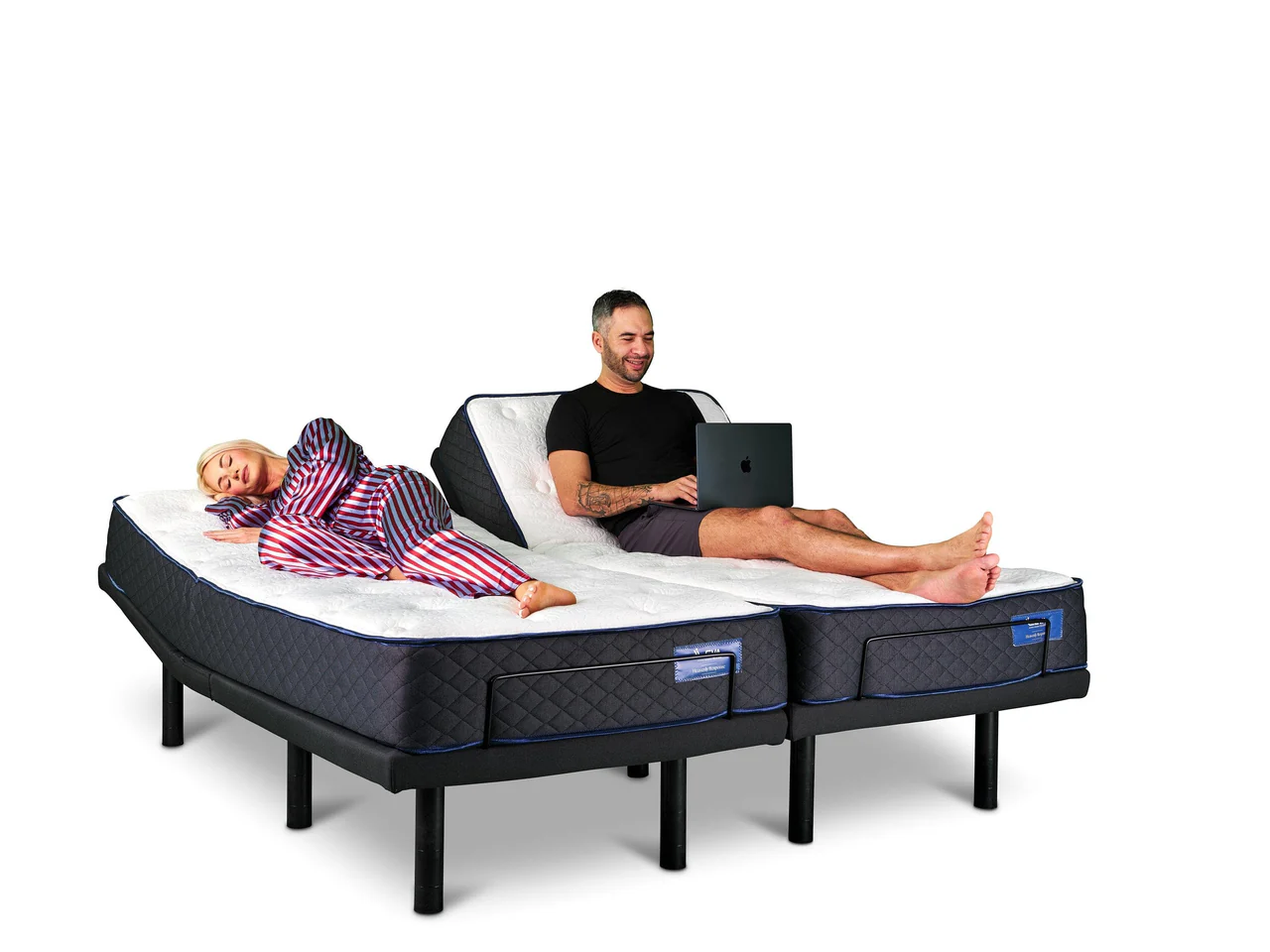
Compared to brands like Ghostbed and Saatva, Leva offers higher motor quality, more precise controls, and focused expertise in adjustable systems at roughly 30–50% less cost than similar luxury options. Their white-glove delivery includes professional setup and personal adjustments so you start with a dialed-in position from day one.
Customer reviews frequently mention major improvements in morning pain and overall sleep quality. This blend of technology, expertise, and couple-friendly design makes Leva a strong choice for addressing lower back pain with zero-gravity sleeping.
Frequently Asked Questions
Is the zero gravity bed position good for lower back pain?
Yes, the zero-gravity position works very well for many people with lower back pain. Elevating your head and legs to create a hip angle near 128 degrees decompresses your spine, reduces disc pressure, and relaxes tight hip flexors that strain your lower back. The position spreads your body weight more evenly, which reduces pressure points that trigger pain during sleep.
Should you sleep all night in the zero gravity position?
Sleeping all night in the zero-gravity position is safe and helpful for most people with lower back pain. Ongoing spinal decompression and better circulation continue through each sleep stage, which can lower inflammation and support healing. Most users adapt within one to two weeks and notice clear improvements in morning stiffness and pain.
Can side sleepers use the zero gravity position?
Side sleepers can use a modified zero-gravity position with small adjustments. Proper spinal alignment remains the priority while you benefit from elevated head and foot positions. A pillow between your knees keeps your hips aligned, and the adjustable base provides the lift needed for decompression. Many side sleepers move comfortably between side and back sleeping while staying close to a zero-gravity setup.
What is the best angle for lower back pain relief in zero gravity?
The most effective zero-gravity position usually involves elevating your head about 20–30 degrees and raising your legs so your knees rest above heart level. This setup creates a hip angle close to 128 degrees, which supports spinal decompression while staying comfortable for long periods. Adjustable beds let you fine-tune these angles to match your body and comfort preferences.
How long does it take to see results from zero gravity sleeping?
Most people feel some back pain relief within the first three nights of zero-gravity sleep. Full adaptation and maximum benefit usually develop over one to two weeks of steady use. During this time, your body adjusts to the new position, and ongoing decompression begins to ease long-standing tension and inflammation patterns.
Conclusion: Start Your Zero Gravity Journey with Leva Sleep
Zero-gravity sleeping provides a research-backed way to ease chronic lower back pain by decompressing your spine, improving circulation, and supporting healthy alignment all night. Its ability to reduce morning stiffness and deliver lasting pain relief makes it a powerful option for anyone struggling with back pain from flat-bed sleeping.
Begin your path to pain-free, restorative sleep with Leva Sleep by visiting the La Jolla showroom or shopping their adjustable systems online. Experience how zero-gravity sleeping can relieve lower back pain through Leva’s precision-engineered solutions designed for couples who want deeper, more comfortable rest.