
Written by: Matthew Timmins, Founder and Managing Director, Leva Sleep
Key Takeaways for Back Pain and Adjustable Beds
- Adjustable beds support chronic back pain relief by creating zero-gravity positioning, reducing spinal pressure, and improving circulation through targeted elevation.
- Sleep Number beds offer customizable firmness but often develop air chamber sagging, motor noise, and inconsistent support that can aggravate pain.
- Leva Sleep focuses on pain relief with whisper-quiet German motors, precise app-controlled lumbar adjustments, and split bases tailored for couples.
- Doctors frequently recommend adjustable beds for back pain management, especially split configurations when partners have different orthopedic needs.
- Upgrade to Leva Sleep adjustable beds for more consistent back pain relief, quieter operation, and specialized solutions at accessible prices.
How Adjustable Beds Support Chronic Back Pain Relief
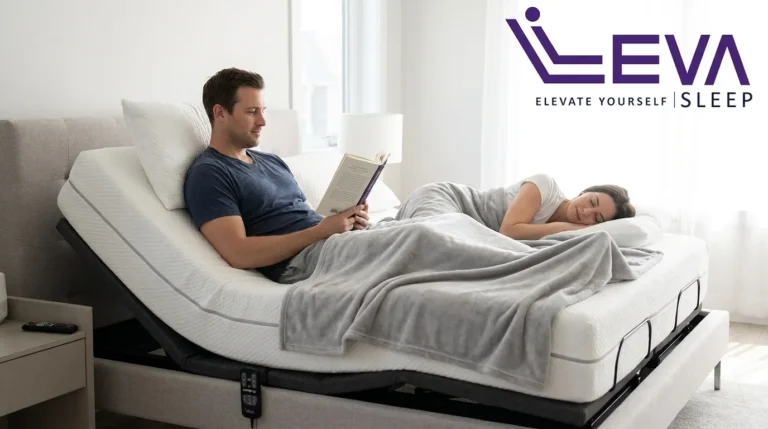
Adjustable beds help manage chronic back pain by improving spinal positioning and reducing pressure on sensitive areas. Elevating the upper body and legs can take load off the pelvis and lower back, which often reduces morning stiffness.
Orthopedic physical therapists often recommend zero-gravity positioning on adjustable beds for lower back pain. This position takes pressure off the backbone and improves circulation for many patients. Here are five key benefits doctors cite:
- Reduces spinal pressure through 10-15° elevation of head and legs
- Improves circulation by elevating extremities above heart level
- Allows custom firmness adjustments for fluctuating pain levels
- Supports zero-gravity positioning for more neutral spinal alignment
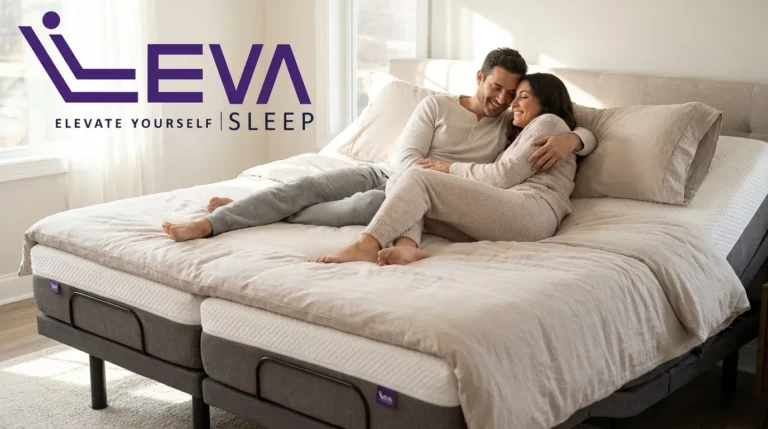
- Enables split configurations for couples with different needs
Many people with chronic pain conditions value precise firmness adjustments because support needs often change with pain intensity from day to day.
Sleep Number Beds for Back Pain: Pros, Cons and User Feedback
Sleep Number beds use a 1–100 firmness scale with dual air chambers that allow each side to be independently adjusted via remote or app, which can work well for couples. The system combines adjustable air support with positional changes for a personalized feel.
Personalization and dual-side adjustability count as clear advantages. However, real-world user experiences reveal several drawbacks. Sleep Foundation experts note that airbed mattresses are somewhat prone to mechanical issues but, when properly maintained, often last at least eight years. Common complaints from users include air chamber leaks that cause sagging, noisy motors that disrupt sleep, and high replacement or repair costs.
People who still want to test Sleep Number settings for different pain types and sleep positions can use the following ranges as a starting point:
| Pain Type/Position | Firmness (1-100) | Elevation (°) |
|---|---|---|
| Lower back/Back sleeper | 65-75 | 10-15 |
| Hips/Side sleeper | 50-60 | 5-10 |
| General chronic pain | 60-70 | 10-12 |
The firmness feel at the same Sleep Number setting depends on the model's comfort layers, so the same setting may feel different across models. While these customization options sound promising on paper, real-world performance reveals significant limitations for chronic pain.
Key Downsides of Sleep Number for Chronic Back Pain Sufferers
Sleep Number beds present several challenges for people who live with chronic pain. Many brands' adjustable air mattresses advertised as multi-chamber actually provide only one air chamber per side, which limits targeted support for the lumbar region, shoulders, and hips.
Air chamber failures often create the “hammock effect,” where sagging in the midsection causes unnatural spinal curvature, morning stiffness, and increased back pain. Motor noise can wake partners when one person adjusts the bed at night. Limited lumbar precision also prevents targeted relief for specific pain points.
Sealed all-in-one smart beds like Sleep Number offer limited long-term adaptability compared to modular systems, because component failures require reliance on the manufacturer's service network. That structure can increase both downtime and long-term ownership costs.
Why Leva Sleep Adjustable Beds Fit Chronic Back Pain Needs Better
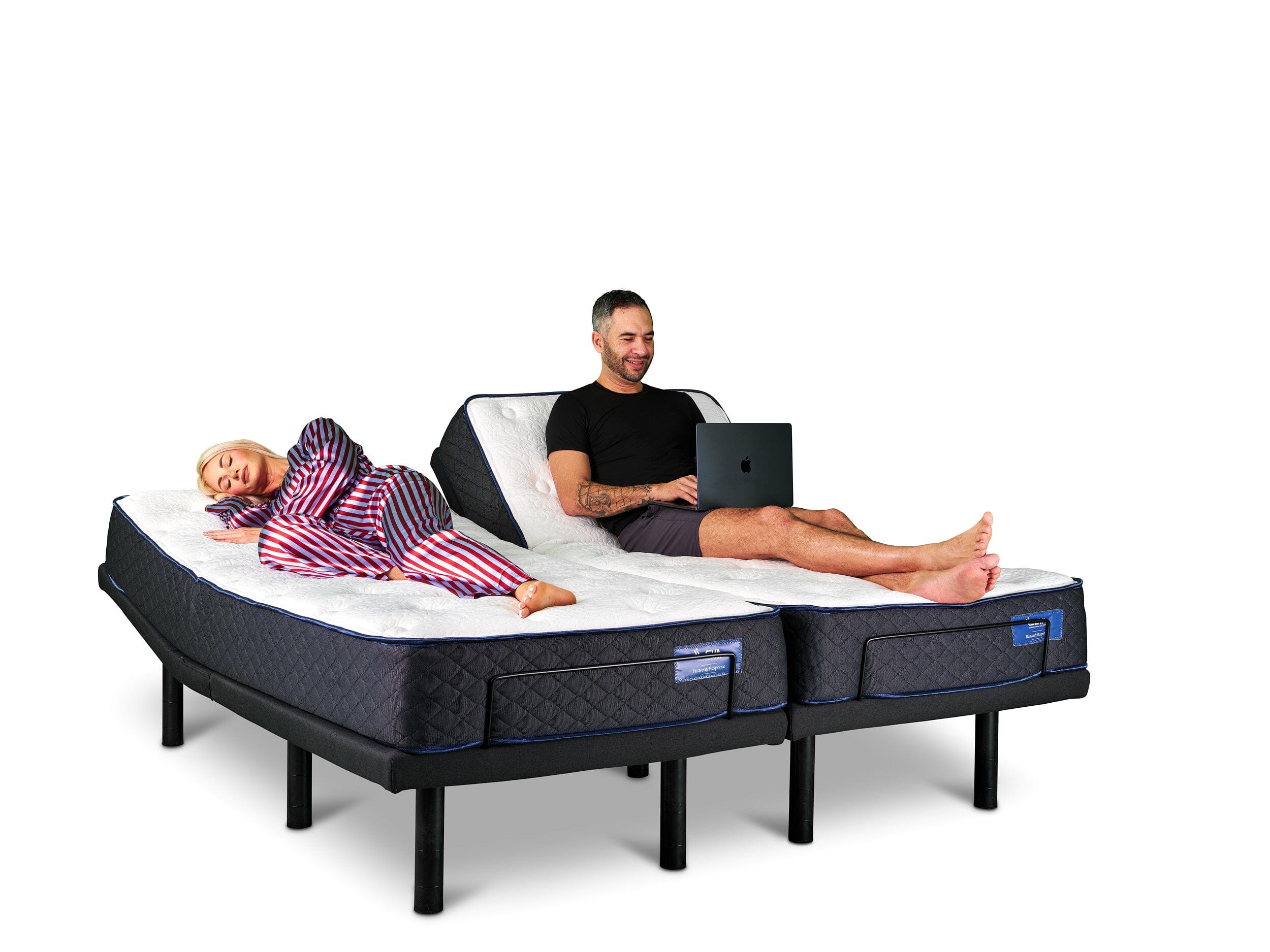
Leva Sleep focuses on solving these pain points through specialized engineering for pain relief and couple compatibility. The company's split adjustable bases use whisper-quiet German motors that operate under 30 decibels, which helps prevent sleep disruption when partners change positions.
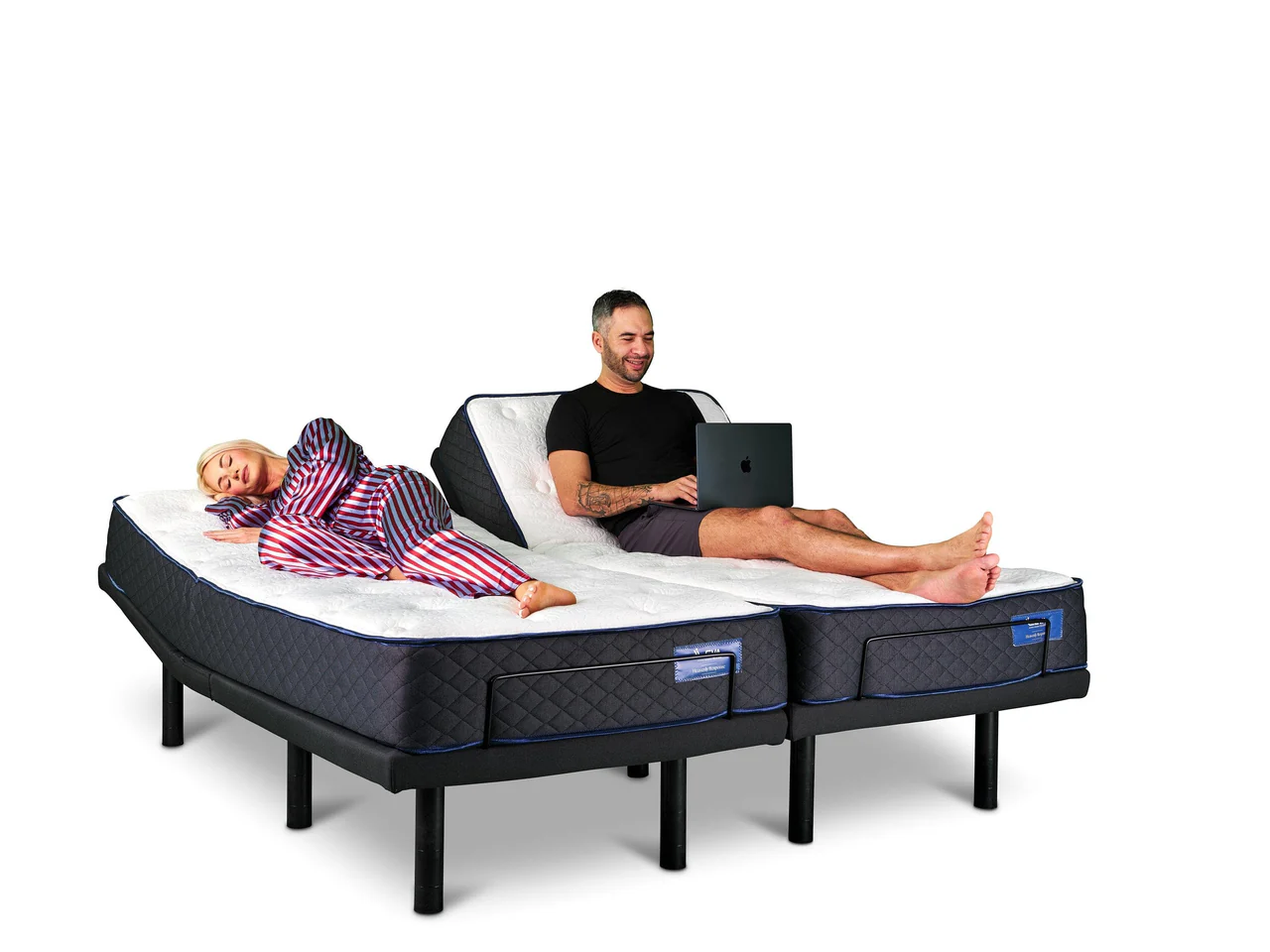
Key advantages include precise lumbar control through app-based adjustments, pillow tilt motors for head positioning, and upcoming anti-snore technology that automatically adjusts elevation. For couples where one partner needs lumbar support while the other prefers a flatter position, Leva's split bases deliver the independent control experts recommend for different comfort or medical needs without the compromise that can worsen pain over time.
The following comparison highlights how Leva Sleep's engineering choices directly address Sleep Number's most common pain points for chronic back pain sufferers:
| Feature | Sleep Number | Leva Sleep | Winner |
|---|---|---|---|
| Motor Noise | Loud operation | <30dB German motors | Leva |
| Lumbar Control | Basic adjustment | App-controlled precision | Leva |
| Price (Queen) | $1,599-$5,499+ | More affordable | Leva |
| Customer Base | Mass market | 25,000+ served | Leva |
Leva Sleep's vertical integration supports premium features at lower prices while maintaining deep expertise in adjustable sleep systems. Experience these features firsthand at Leva Sleep's La Jolla showroom or explore the full collection online.
Real-World Scenarios: How Leva Sleep Helps Different Back Pain Cases
These technical advantages translate into practical benefits across different living situations. Consider three common situations that show how Leva's features address specific pain management needs.
A solo sleeper with lower back pain benefits from Leva's precise lumbar elevation and firmness control through the mobile app, which reduces trial-and-error when searching for a comfortable position. When couples face the dual challenge of one partner's chronic pain and snoring, split bases with independent controls and anti-snore positioning allow both partners to sleep comfortably without compromise.
For people recovering from surgery who need specific elevation angles, Leva's German motors provide the required precision quietly and smoothly. That combination supports healing while protecting sleep quality.
Practical Buying Checklist for Adjustable Beds and Back Pain
Shoppers evaluating adjustable beds for chronic back pain should look at trial periods, maintenance requirements, and delivery services. Leva Sleep offers white-glove delivery throughout San Diego, including professional setup and old bed removal, which simplifies the transition.
Key evaluation criteria include identifying your primary pain type, defining your ideal positioning needs, clarifying partner compatibility requirements, and setting expectations for long-term durability. Find the right adjustable base for your needs by browsing Leva Sleep's options or scheduling an in-person consultation.
Frequently Asked Questions
What Sleep Number setting works best for lower back pain?
Many people testing Sleep Number settings for lower back pain start with firmness between 65-75 on the scale, combined with 10-15 degrees of head elevation. Back sleepers often need firmer support, while side sleepers may prefer slightly softer settings around 50-60. Adjust gradually until you find a balance between support and pressure relief that maintains spinal alignment through the night.
Can Sleep Number beds actually cause back pain?
Sleep Number beds can worsen back pain when air chambers develop leaks or lose pressure, which creates uneven support and the “hammock effect.” This sagging forces the spine into unnatural curves, particularly in the lumbar region. Inconsistent firmness from mechanical issues can also disrupt sleep quality and increase morning stiffness.
What's the best bed for chronic back pain?
Beds that combine adjustable positioning with consistent support tend to work best for chronic back pain. Leva Sleep's split adjustable bases stand out because they offer precise lumbar control, quiet operation, and specialized mattresses designed for adjustability. Unlike traditional air beds, they maintain stable support while still allowing customization for different pain types and sleep positions.
Do doctors recommend adjustable beds for back pain?
Many orthopedic specialists and sleep doctors recommend adjustable beds for chronic back pain management. These beds can help conditions that require specific positioning, such as spinal stenosis or post-surgical recovery. Doctors usually emphasize that adjustable beds support broader pain management plans rather than serving as standalone cures.
How does Leva Sleep compare to Sleep Number for back pain?
Leva Sleep offers strong advantages for back pain through quieter motors, more precise lumbar control, and focused expertise in adjustable sleep systems. While Sleep Number centers its approach on air chamber technology, Leva emphasizes full-system integration with app-controlled positioning, anti-snore features, and mattresses designed specifically for adjustable bases. Many shoppers see better pain relief at roughly 30-50% lower cost.
Conclusion: Choosing an Adjustable Bed for Lasting Back Pain Relief
Sleep Number adjustable beds provide some back pain benefits through customizable firmness and positioning, yet mechanical limitations and noise often frustrate chronic pain sufferers. Leva Sleep's specialized approach delivers more consistent relief through precise lumbar control, quiet operation, and couple-focused design.
People who want lasting relief and better partner harmony should prioritize systems engineered specifically for pain management and shared sleep. Explore Leva Sleep's adjustable solutions or book a consultation to discuss your back pain needs.