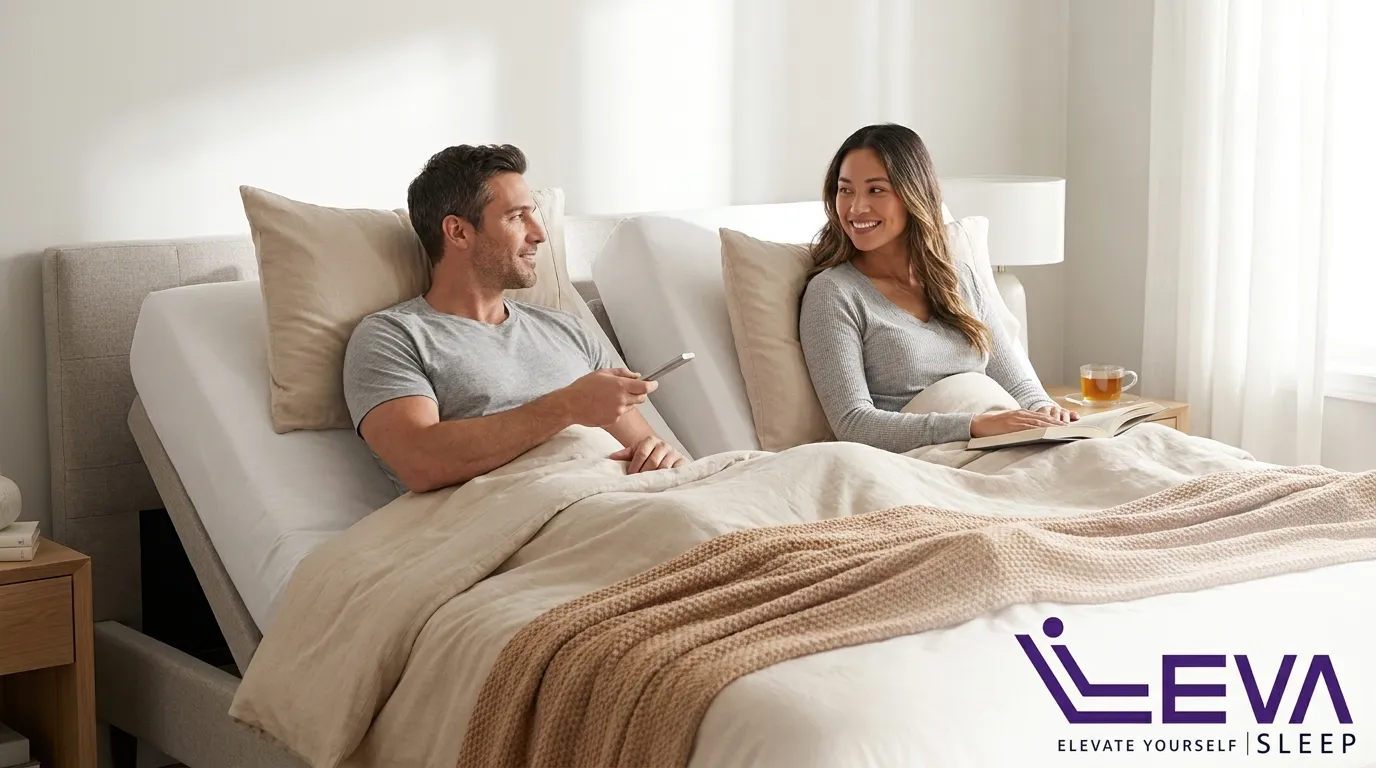
Written by: Matthew Timmins, Founder and Managing Director, Leva Sleep
Key Takeaways for Choosing a Smart Bed System
- Contactless sleep tracking with under-mattress ballistocardiography or IMU sensors delivers the highest consumer-grade accuracy for heart rate, breathing, and movement.
- Split adjustable bases with independent elevation, firmness, and temperature per side remove nightly compromises for couples with different sleep needs.
- PSG-validated sensor technology, anti-snore automation, quiet motors, and no mandatory subscription distinguish engineering-led systems from marketing-driven options.
- Leva Sleep offers true Split Queen and Split King configurations, 2026 AI anti-snore mode, US-made mattresses, and in-house white-glove delivery at 30–50% below comparable luxury brands.
- Configure your split system and schedule white-glove delivery at Leva Sleep.
How Smart Bed Choices Shape Health and Relationship Quality
Couples exploring smart beds usually face chronic pain, snoring or mild sleep apnea, clashing firmness or temperature preferences, or constant partner disturbance. These issues build over time and erode health and connection. Poor sleep is associated with higher cardiovascular risk, cognitive decline, and relationship strain. Choosing a system that tracks inaccurately, automates only one side, or adds motor noise can intensify the very problems it was meant to solve. The following criteria help you focus on systems designed to solve these issues instead of compounding them.
Eight Criteria for Reliable Non-Wearable Sleep Tracking
Eight objective criteria separate a well-engineered split adjustable system from a basic mattress paired with an app. Evaluate every option against all eight before you commit.
1. Tracking accuracy vs. polysomnography. The gold standard for sleep measurement is in-lab polysomnography. A 2023 systematic review and meta-analysis in Sensors (Basel) by Zhai H et al. assessed multiple contactless consumer devices against polysomnography and actigraphy. Ask each vendor whether their specific sensor hardware has independent, peer-reviewed validation instead of relying on internal white papers.
2. Split personalization. True split systems provide independent elevation, firmness, and automation on each side of the bed. Single-surface smart beds cannot deliver this level of per-partner control.
3. Temperature automation. Research cited in the Global Wellness Institute’s 2026 Sleep Initiative Trends report, drawing on Environmental Research and Sleep Medicine Reviews, shows that bedroom and surface temperature directly affect sleep duration, fragmentation, and time in deeper stages.
4. Anti-snore automation. Check whether the system detects snoring through sound or respiratory signals and whether it adjusts head elevation automatically or requires manual input during the night.
5. Noise and motion isolation. Motor noise and cross-mattress vibration appear frequently in forum complaints about adjustable bases. Quiet motors and independent frames reduce disruption.
6. Durability and maintenance cost. After-sales service and warranty costs are rising as electronics become more complex. Confirm warranty terms, in-home service availability, and parts coverage before purchase.
7. Aesthetics and bedroom integration. Clinical-looking frames can undermine a calming bedroom. Evaluate finish quality, profile height, and how the system integrates with your existing furniture.
8. Subscription realities. Several systems lock advanced tracking features behind recurring fees. Apply a five-year total cost calculation instead of focusing only on sticker price.
Neutral Overview of Four Leading Smart Bed Approaches
Eight Sleep Pod. This system is a temperature-regulating smart mattress cover with per-side thermal control and an app-based sleep score. It suits performance-focused individuals who already own a mattress and want tracking and cooling without changing their base. A subscription is required for full feature access. The Pod does not include an adjustable base.
Sleep Number 360. This air-chamber mattress uses embedded ballistocardiography sensors. A 2022 Sensors (Basel) study evaluated Sleep Number’s sleep tracking technology against polysomnography. Split configurations are available, and the adjustable base is sold separately. A subscription is required for ongoing SleepIQ data history.
Tempur-Pedic Adjustable Hybrids. These pair premium foam and hybrid mattresses with Ergo adjustable bases. They have strong pressure-relief credentials. Tracking features play a secondary role compared with Eight Sleep or Sleep Number. White-glove delivery is available through select retailers.
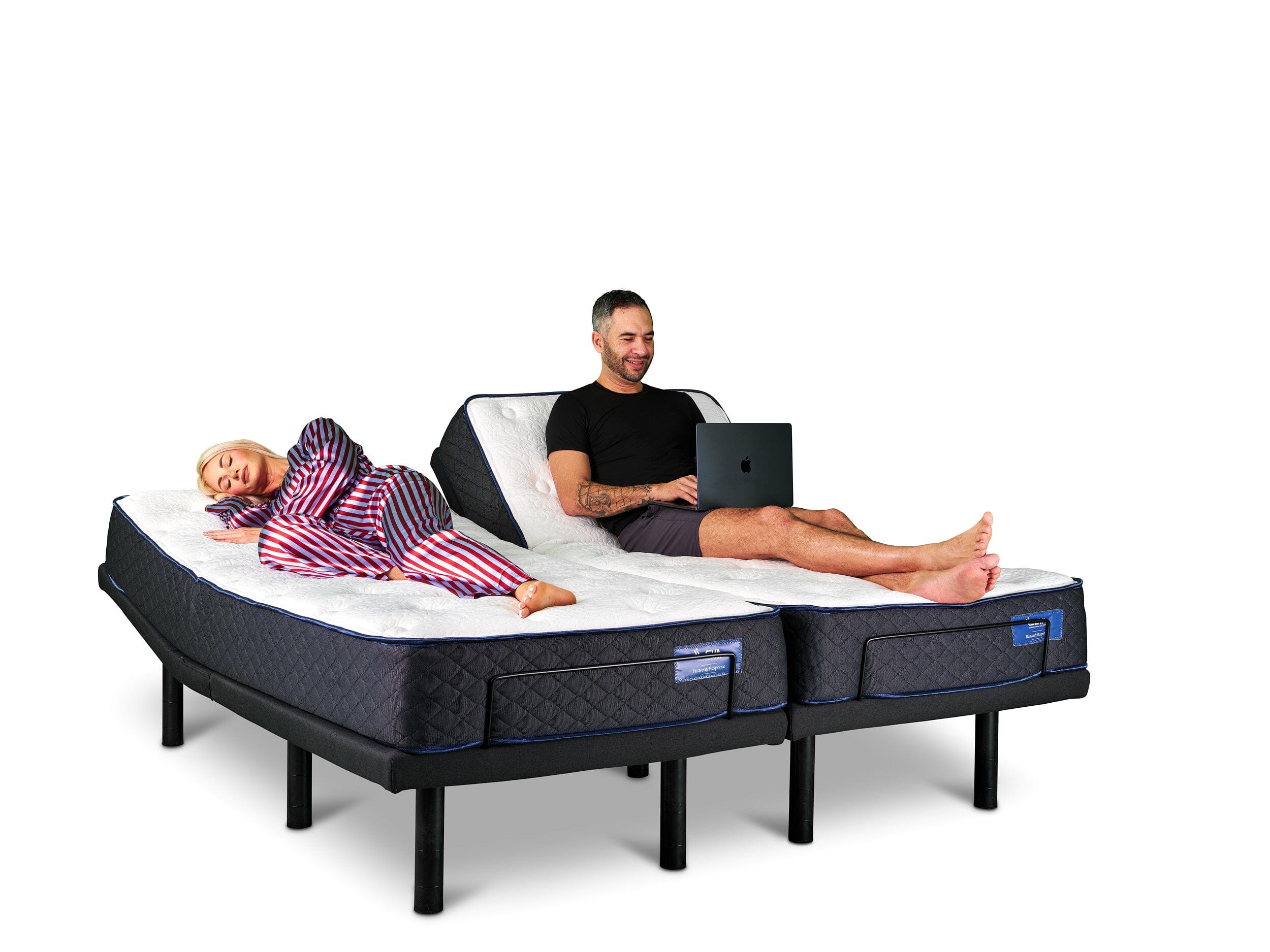
Leva Sleep Split Adjustable Systems. These Split Queen and Split King bases provide independent elevation, lumbar control, pillow tilt, whisper-quiet German motors, and app control on each side. AI-powered sleep tracking and a 2026 anti-snore mode that detects snoring and makes micro-adjustments to head elevation come built in. Mattresses are made in the United States. White-glove delivery and setup are available, and core functionality does not require a subscription.
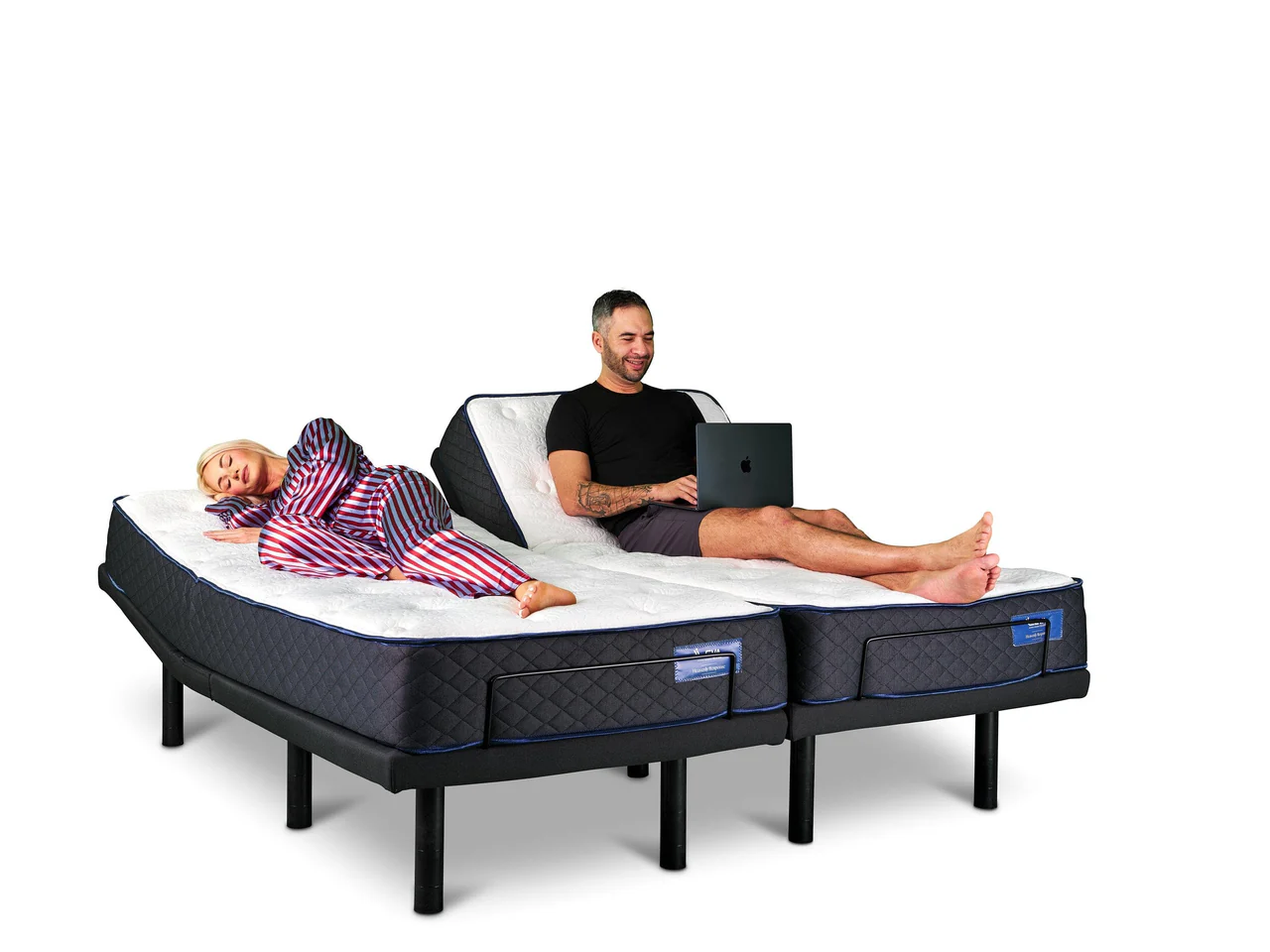
Compare these features in person at the La Jolla showroom or configure your Leva Sleep system online.
Tracking Accuracy and Independent Validation
| System | Sensor Type | Validated Against PSG? | Independent Peer-Reviewed Study |
|---|---|---|---|
| Eight Sleep Pod | Thermal + piezoelectric | Not publicly available | No independent PSG validation located |
| Sleep Number 360 | Ballistocardiography | Yes | 2022 Sensors (Basel) |
| Tempur-Pedic / Ergo | Varies by base partner | Not publicly available | No independent PSG validation located |
| Leva Sleep | AI sensor array (under-mattress) | Sensor class validated | 2026 Scientific Reports (Chokalingam K et al.), 2026 Sensors (Basel) (Mejía S et al.) |
Note: PSG validation of a sensor class does not guarantee identical accuracy in a specific consumer product. Confirm with each vendor that their exact hardware, not just a generic sensor type, has independent validation.
Adjustability and Couple Compatibility in Daily Life
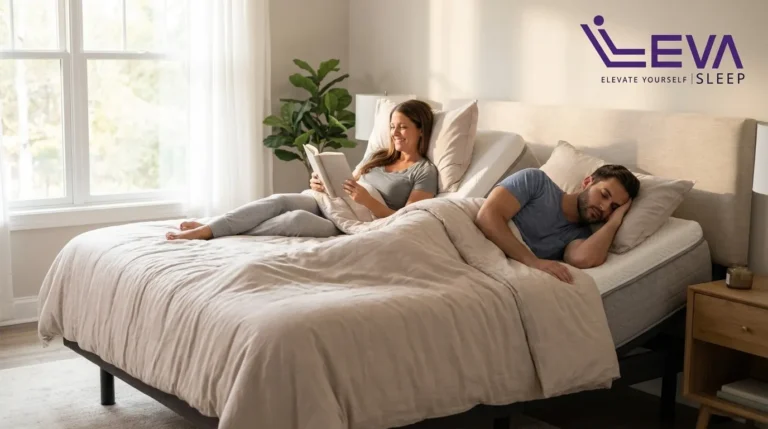
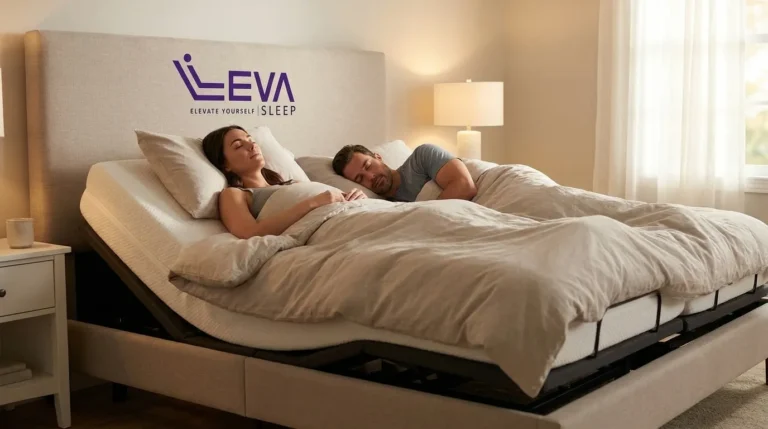
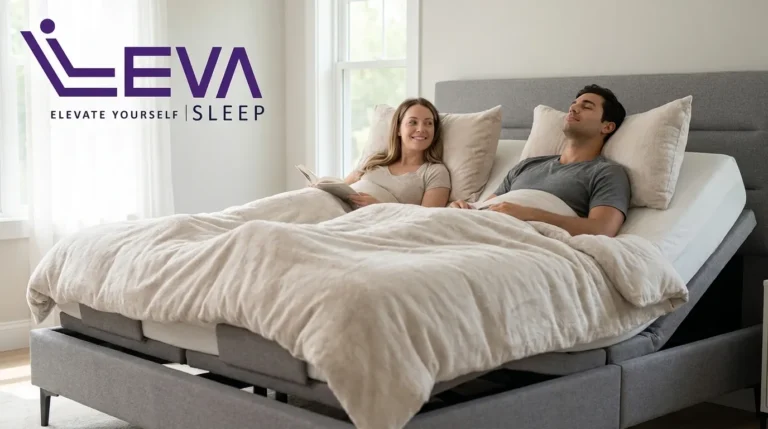
Eight Sleep and Tempur-Pedic adjustable hybrids offer per-side temperature or firmness in some setups, but neither centers split adjustability as a core design constraint. Sleep Number provides split options, yet the air-chamber system requires periodic recalibration. Leva Sleep’s Split Queen, which is rare in the U.S. market, and Split King bases deliver fully independent elevation, lumbar support, and pillow tilt per side through the app. For couples with different spinal support needs or medical positioning requirements, a true split base is the only layout that avoids nightly compromise.
Temperature Control and Anti-Snore Automation
AI systems that analyze physiological signals and adjust temperature, mattress support, or other environmental factors to promote deeper sleep are a highlighted 2026 wellness trend, with sensors in smart sleep surfaces monitoring breathing, heart rate, and movement throughout the night. Eight Sleep leads on active water-based thermal regulation per side. Sleep Number offers limited temperature response. Leva Sleep integrates a heating and cooling pad with per-side control alongside its anti-snore mode, which detects snoring through respiratory pattern analysis and makes automatic micro-adjustments to head elevation, addressing airway obstruction without a CPAP mask. A 2025 Scientific Reports study by Siyahjani F et al. validated a smart bed system against polysomnography for detecting sleep-disordered breathing, including obstructive and central sleep apnea, showing that under-mattress sensors can reliably identify the respiratory events targeted by anti-snore automation.
Noise, Motion Isolation, and Everyday Comfort
The forum complaints referenced earlier show up clearly in daily use. Leva Sleep uses whisper-quiet German motors engineered for low sound and minimal vibration. Split configurations further reduce cross-mattress motion transfer because each side rests on an independent base. Eight Sleep’s Pod cover lacks a motorized base, so motion isolation depends entirely on the underlying mattress. Sleep Number’s air-chamber inflation cycles create audible noise that some users find disruptive at night.
Delivery Experience, Service, and Long-Term Value
Smart beds function as integrated systems of motors, sensors, and firmware. Repair and after-sales service costs in the smart-bed market are rising with increasing product complexity. Leva Sleep’s in-house white-glove delivery covers bedroom setup, leg-height adjustment, a product walkthrough, and removal of the existing bed. This level of service matters because an incorrectly assembled adjustable base can disrupt sensor calibration. Eight Sleep and Sleep Number typically rely on third-party logistics for delivery. Tempur-Pedic white-glove availability depends on the retailer.
Accuracy Caveats, Wearable Cross-Checks, and Data Pitfalls
The National Sleep Foundation’s March 2026 position statement finds that consumer sleep technology can help users track patterns and engage with sleep health, but results vary widely by device. The statement stresses that these tools do not replace clinical evaluation when sleep disorders are suspected and that privacy and data governance deserve close attention. It also highlights orthosomnia, an excessive focus on perfect sleep metrics that can increase anxiety and worsen sleep. The Global Wellness Institute’s 2026 Sleep Initiative Trends report reinforces that no consumer device matches laboratory polysomnography precision and that clinical diagnosis cannot be replaced by any bed-based tracker. Cross-check smart bed data against a validated wearable from time to time, and consult a sleep physician if you suspect apnea, insomnia, or excessive daytime sleepiness.
Real-World Scenarios Where Split Systems Help
Chronic back or hip pain. Independent lumbar control and leg elevation on a split base let each partner find a neutral spinal position without waking the other.
Snoring partner. The anti-snore automation described earlier removes the need for manual head adjustments during the night and supports a clearer airway.
Differing firmness and temperature needs. Split bases with per-side thermal pads remove one of the most common sources of nightly conflict for couples.
Post-surgery recovery. Precise head and foot elevation support medical positioning while preserving a furniture-quality look.
Athletic recovery and performance. AI sleep tracking provides long-term recovery data that you can compare with wearable HRV metrics.
Find the split configuration that fits your specific health, comfort, and recovery needs at Leva Sleep.
Total Value and Five-Year Cost Comparison
Smart beds command a clear price premium. Luxury residential smart bed systems range from $5,000 to $15,000 or more. Leva Sleep’s direct-to-consumer, locally assembled model comes in roughly 30–50% below comparable competitors by removing retail markup. Applying the five-year cost lens from the evaluation criteria, Eight Sleep and Sleep Number both gate data features behind recurring fees. Leva Sleep’s core functionality remains available without a subscription. Confirm firmware updates, sensor recalibration policies, and motor warranties in writing before you buy.
Guided Framework for Matching Systems to Needs
Use this criteria map to match each system architecture to your household’s primary priorities.
| Primary Need | Eight Sleep Pod | Sleep Number 360 | Tempur-Pedic Adjustable | Leva Sleep Split |
|---|---|---|---|---|
| True split adjustability | No | Partial | Partial | Yes (Split Queen & King) |
| PSG-validated sensor class | Not located | Yes (2022) | Not located | Yes (2026) |
| Automated anti-snore positioning | No | Limited | No | Yes (2026 AI mode) |
| No mandatory subscription | No | No | Yes | Yes |
| In-house white-glove delivery | No | No | Varies | Yes |
| US-made mattress options | No | No | Partial | Yes |
Frequently Asked Questions
How accurate is smart bed sleep tracking compared to a wearable or a sleep lab?
Clinical sleep labs using the gold standard referenced earlier provide the most precise measurements. Under-mattress and in-mattress ballistocardiography and IMU sensors have independent validation against polysomnography for heart rate, respiratory rate, and sleep/wake detection, but no consumer device matches lab-grade precision for sleep stages. Wearables that use optical heart rate sensors sit in the middle, more accurate than most smartphone apps yet often less accurate than validated under-mattress sensors for breathing metrics. Cross-referencing smart bed data with a wearable gives a fuller picture than relying on either alone.
What are the real downsides of smart beds?
The main downsides involve cost, complexity, and orthosomnia risk. At the luxury tier pricing mentioned earlier, several systems add annual subscription fees for full data access. Electronic components such as motors, sensors, and firmware introduce failure points that traditional beds do not have, and after-sales service costs are rising across the industry. The National Sleep Foundation’s 2026 position statement specifically highlights orthosomnia, where intense focus on sleep metrics increases anxiety and harms sleep quality. Data privacy adds another concern because sleep data contains sensitive health information.
Is a split adjustable base better than a single smart mattress for couples?
For couples with meaningfully different firmness, elevation, or temperature needs, a true split base is the only layout that removes nightly compromise without resorting to separate beds. A single smart mattress, even with per-side temperature control, cannot elevate one partner’s head for anti-snore positioning while keeping the other side flat. Split bases also cut cross-mattress motion transfer because each side rests on an independent mechanical frame.
Can a smart bed replace a CPAP machine for sleep apnea?
No consumer smart bed is FDA-cleared to diagnose or treat obstructive sleep apnea, and the National Sleep Foundation’s 2026 position statement clearly states that consumer sleep technology data cannot replace clinical evaluation when sleep disorders are suspected. Adjustable head elevation can reduce snoring and mild airway obstruction by repositioning the upper airway. Moderate-to-severe sleep apnea still requires evaluation and treatment by a sleep physician. Leva Sleep’s anti-snore mode aims to reduce snoring and support airway openness; it is not a medical device and does not replace prescribed therapy.
How long do smart bed systems typically last, and what maintenance is required?
Mattress lifespans depend on materials. High-density foam and hybrid pocket coil mattresses typically perform well for 8–12 years with normal use. Adjustable base motors and electronics usually have shorter warranty windows, commonly 1–5 years depending on manufacturer. Firmware updates are needed periodically to maintain sensor accuracy and app compatibility. Confirm that the manufacturer offers in-home service instead of requiring you to ship components. Leva Sleep’s in-house service model and local assembly aim to reduce the logistics burden of maintenance over the system’s lifespan.
Conclusion: Choosing a Smart Bed That Supports Health and Connection
Eight Sleep leads on active thermal regulation for performance-focused individuals who do not need a new base. Sleep Number offers a long track record of PSG-validated in-bed sensing. Tempur-Pedic adjustable hybrids provide premium pressure relief with less emphasis on tracking. Leva Sleep’s split adjustable systems are the only option in this comparison that combine true per-side independence, PSG-validated sensor class technology, 2026 AI anti-snore automation, US-made mattress options, no mandatory subscription, and in-house white-glove delivery at roughly 30–50% below comparable luxury competitors. For couples managing snoring, chronic pain, or conflicting sleep preferences who want to stay in the same bed, that combination addresses the root problem instead of layering an app onto an unchanged sleep surface.
Experience the Leva Sleep difference with a visit to the La Jolla showroom or explore the full split collection online at Leva Sleep.