Written by: Matthew Timmins, Founder and Managing Director, Leva Sleep
Key Takeaways for Snoring Couples
- Bed partners of snorers can lose up to an hour of sleep nightly, so fast nasal fixes help couples stay in the same bed.
- Work through a clear sequence: external nasal strips, internal dilators, saline irrigation, then humidifier plus side-sleeping, testing each for several nights.
- Track awakenings and morning energy for seven days to see whether nasal remedies actually improve sleep for both partners.
- If nasal remedies still fail after two weeks, move to gentle head elevation with a split adjustable base to target throat-based snoring.
- Leva Sleep offers whisper-quiet split adjustable systems with independent controls for each partner, so you can explore couple-friendly configurations on their site or in the La Jolla showroom.
4-Step Starter Stack You Can Try Tonight
This four-step plan tackles the most common nasal causes of snoring, starting with the least invasive and least expensive options. Test each step for two to three nights before moving on so you can see what actually helps.
- Apply an external nasal strip to the bridge of the nose before bed. This is the simplest option and targets nasal valve narrowing at the surface. Success criterion: the partner notices fewer audible snoring episodes by the second night.
- Insert an internal nasal dilator if strips produce no change after several nights. Internal dilators widen the nasal valve from the inside and can help when strips are not strong enough. Success criterion: the snorer feels easier nasal breathing when lying down.
- Perform saline nasal irrigation 30 minutes before bed to clear mucus and allergens. This step focuses on congestion and inflammation that narrow the airway. Success criterion: noticeably less nasal stuffiness at lights-out.
- Run a bedroom humidifier and shift to side-sleeping. This combination supports nasal work by reducing dryness and limiting throat collapse. Success criterion: the partner hears a clear drop in snoring loudness within one week.
Keep a simple 7-day sleep log that records awakenings and morning energy for both partners. If two or more steps show no improvement after consistent use, move to the positional escalation section that follows.
Nasal Snoring Remedy Comparison Table
This table compares four nasal-focused remedies across airflow improvement, approximate nightly cost, and how disruptive they are to a partner at bedtime. Airflow improvement reflects published clinical findings, nightly cost is an approximate retail estimate, and partner disruption refers to the application process only.
| Remedy | Airflow Improvement | Approx. Nightly Cost (USD) | Partner Disruption at Application |
|---|---|---|---|
| External nasal strips (e.g., Breathe Right) | Reduces snoring frequency in nasal-obstruction-driven snoring; effect scales with baseline nasal resistance | $0.30–$0.60 per strip | Applied in under 10 seconds, with no sound or movement |
| Internal nasal dilators | May provide more direct mechanical widening of the nasal valve than external strips; evidence base smaller | $0.10–$0.30 (reusable) | Self-inserted, no partner involvement |
| Saline nasal irrigation | Clears mucus and allergen load; required before steroid sprays to maximize tissue contact | $0.05–$0.15 per rinse | Performed in the bathroom, so no bed disruption |
| Bedroom humidifier + side-sleeping | Side-sleeping reduces throat-based airway collapse that nasal devices cannot address | $0.02–$0.05 (electricity) | Humidifier runs quietly; side-sleeping may require an adjustment period |
Test External Nasal Strips First
External nasal strips are FDA 510(k)-cleared for temporary relief of nasal congestion and reduction of snoring, so they make a practical first step in a nasal snoring plan.
Placement drives results. Position the strip across the widest part of the nose bridge, not on the tip. Place the adhesive tabs just above the nostrils so the spring action pulls the nasal sidewalls outward. Apply to clean, dry skin because oils or moisturizers weaken the adhesive and reduce the lifting effect.
Evaluate strips over three consecutive nights and track:
- Number of audible snoring episodes per night, as reported by the partner
- The snorer’s sense of nasal ease when lying on their back
- Any skin irritation where the adhesive sits
A randomized controlled trial in chronic-rhinitis patients found that external nasal strips reduced snoring frequency, which supports their use for nasal-obstruction-driven snoring. If three nights show no partner-noticed change, the snoring source likely sits deeper than the nose. Internal dilators or positional therapy become the next logical steps, with internal dilators usually tried first.
Move to Internal Nasal Dilators
Internal nasal dilators make sense when strips do not help or when manually spreading the nostrils with a finger clearly improves airflow. Clinicians often recommend nasal dilators when manual nostril opening eases breathing, especially with nasal valve collapse or mild septal deviation.
Use these criteria when testing internal dilators:
- Perform a manual-nostril test; if breathing improves when the nostrils are gently widened, internal dilation is likely to help.
- Choose a soft silicone model that fits securely but still feels comfortable after 20 minutes of wear.
- Wear the dilator for five consecutive nights and compare partner-noticed snoring frequency with the strip baseline.
A meta-analysis of nasal dilators confirmed they do not meaningfully improve the apnea-hypopnea index in obstructive sleep apnea patients. If a partner notices gasping, choking, or breathing pauses, a physician should evaluate for OSA before continuing with self-directed nasal therapy.
Saline Irrigation and Allergy Control at Night
Chronic congestion from allergies or rhinitis narrows the nasal airway and can amplify snoring. Saline irrigation tackles this problem by flushing allergens and mucus before bed.
ENT specialists recommend a simple sequence. Clean the nose with salt water first, then use any steroid spray at the correct angle, and avoid sniffing hard so the spray stays on nasal tissues longer.
Follow these steps for a pre-sleep nasal routine:
- Do a saline rinse with a neti pot or squeeze bottle 30–45 minutes before bed.
- If a doctor has prescribed a steroid nasal spray, apply it after the rinse, not before.
- Lower bedroom allergens by encasing pillows and the mattress, washing bedding weekly in hot water, and keeping pets out of the bedroom.
- For confirmed dust mite allergy, discuss immunotherapy with an allergist as a longer-term option instead of endless spray use.
Pair saline irrigation with whichever nasal device, strip or dilator, gave partial relief. This combination targets both structural narrowing and inflammatory swelling at the same time.
Layer in Humidifier Support and Side-Sleeping
Dry air thickens nasal secretions and increases friction in the airway, so a humidifier can support your nasal work. Set a bedroom humidifier to around 40–50 percent relative humidity to reduce dryness and complement strips or dilators.
Alcohol within three hours of bedtime relaxes throat muscles and worsens snoring, even when nasal airflow is good. Moving alcohol earlier in the evening or skipping it during testing nights removes a variable that can hide the true effect of nasal remedies.
Side-sleeping reduces collapse of the soft palate and tongue base that occurs more often on the back. Many people snore more on their back and less on their side, which addresses throat friction and some apnea-related collapse that nasal devices cannot fix. Place a body pillow behind the back to discourage rolling onto the spine. Sewing a tennis ball into the back of a sleep shirt offers a low-cost positional reminder.
When Nasal Fixes Aren’t Enough
Nasal strips usually help less when snoring starts deeper in the throat or relates to sleep apnea. When a full nasal plan that includes strips, dilators, saline, a humidifier, and side-sleeping still fails after two weeks, the snoring source likely extends beyond the nose. At that point, positional head elevation becomes the next logical step.
Effective head elevation uses a wedge pillow or raises the entire head of the bed, since a higher standard pillow bends the neck and can keep snoring going. Raising the head of the bed by about 7–10 degrees shifts soft tissue forward and reduces gravitational collapse in the upper airway.
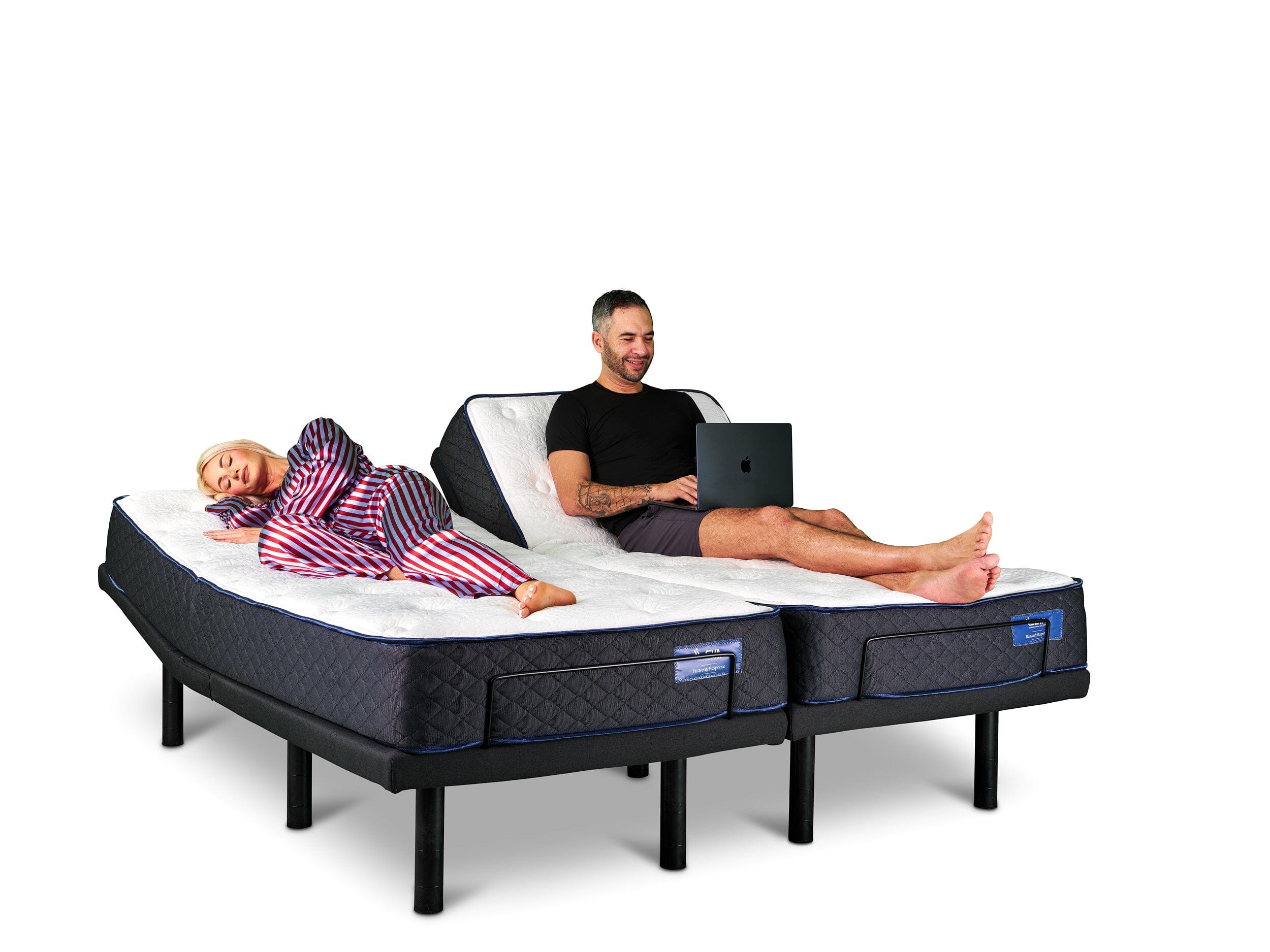
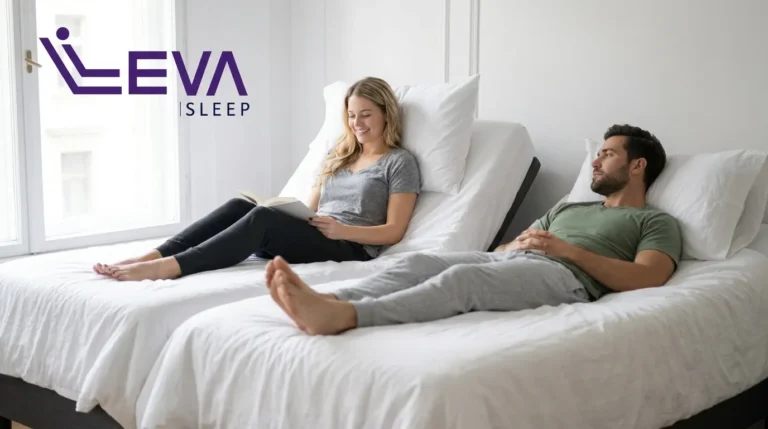
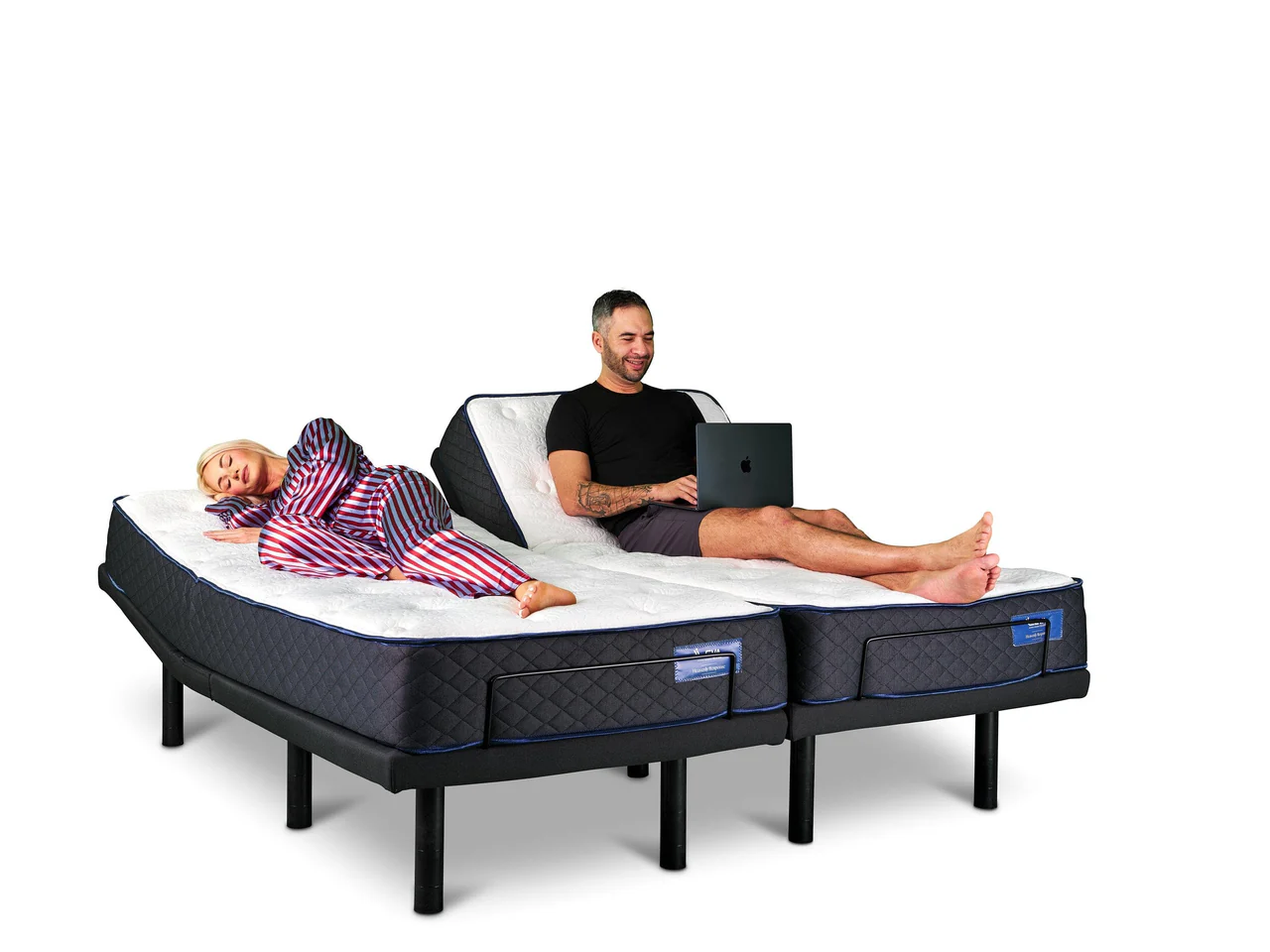
Leva Sleep’s split adjustable systems provide this elevation without separate beds or CPAP masks for many couples. Each side of the bed moves independently, so the non-snoring partner can stay flat while the snorer elevates. Whisper-quiet German motors change positions smoothly so adjustments do not wake either person. Leva Sleep’s anti-snore mode uses acoustic detection to sense snoring and then makes small automatic head adjustments, which removes the need for manual nudging during the night. Their bedding is designed for adjustable bases, with deep-pocket fitted sheets and duvet clips that keep everything in place when each side sits at a different angle.
Couple Decision Tree for Next Steps
Use the scenarios below to choose a practical next step that fits your situation as a couple.
“The snoring is deafening, and I need relief tonight.”
Start with Step 1 of the starter stack, the external nasal strip, and pair it with white noise or a fan for the non-snoring partner. Partners of heavy snorers are more likely to feel tired and drowsy during the day, so immediate sound management for the listener matters alongside treatment for the snorer.
“I want a sleep aid so I stop noticing the snoring.”
Sedative sleep aids do not reduce snoring and can relax airway muscles even more. Focus on the nasal protocol first, then consider positional elevation. If the non-snoring partner still struggles, a split adjustable base lets each person choose their own position without relying on medication.
“We are close to a sleep divorce.”
Chronic sleep disruption is associated with increased conflict, lower relationship satisfaction, and reduced patience between partners. A split adjustable system offers a structural alternative to separate rooms. Both partners stay in the same bed, yet each controls their own position, which removes much of the nightly compromise that pushes couples toward sleeping apart.
“The snoring only happens when my partner sleeps on their back.”
Positional snoring often responds to side-sleeping aids and mild head elevation. A split adjustable base lets the snoring partner maintain a slight head lift while staying on their side, without changing the other partner’s flat position.
Troubleshooting Common Snoring Fix Mistakes
Several common mistakes can make nasal snoring remedies look ineffective, so correct these issues before deciding a remedy has failed.
- Improper strip placement: Strips placed too high on the bridge or too low on the tip do not engage the nasal valve. Reposition them to the widest part of the nose.
- Over-reliance on decongestant sprays: Topical decongestant sprays such as oxymetazoline cause rebound congestion after about three days and worsen obstruction over time. Use saline rinses and prescribed steroid sprays for ongoing management instead.
- Testing too many changes at once: Switching strips, dilators, and sleep position in the same night makes it impossible to see which change helps. Test one new variable at a time for two to three nights.
- Ignoring alcohol timing: Alcohol within three hours of bed relaxes throat muscles and can cancel out the benefit of nasal devices. Keep alcohol consistent or avoid it while evaluating any remedy.
- Using a standard pillow for elevation: A higher pillow bends the neck forward and narrows the airway. Use a wedge pillow or an adjustable bed for true head elevation.
Measuring Success Checklist for Couples
Objective tracking helps you avoid giving up on helpful remedies and highlights true failures that need escalation. Use this 7-day framework together.
- Nightly awakenings: The non-snoring partner records how many times they wake from snoring each night. A drop of about 50 percent or more over seven days signals meaningful progress.
- Morning energy rating: Both partners rate morning energy on a 1–10 scale each day. Rising scores for the listener confirm less sleep disruption.
- Snoring loudness estimate: The non-snoring partner rates loudness on a 1–5 scale. Consistent ratings of 2 or below suggest the current remedy is adequate.
- Sleep onset time: The non-snoring partner notes how long it takes to fall asleep. Faster sleep onset often reflects less anxiety about upcoming snoring.
- Escalation trigger: If nightly awakenings stay above three after two full weeks of the nasal protocol, move to positional therapy with a split adjustable base.
Frequently Asked Questions
Are nasal strips safe to use every night long-term?
External nasal strips are FDA 510(k)-cleared devices for temporary relief of nasal congestion and snoring reduction, and they do not cause systemic side effects. Long-term nightly use is generally safe for most adults, although some people develop skin irritation or adhesive sensitivity at the application site. If irritation appears, switch to a hypoallergenic strip or alternate with an internal dilator to reduce skin contact. Nasal strips manage symptoms rather than the root cause, so persistent snoring despite consistent use should prompt an ENT or sleep physician visit to check for issues such as a deviated septum or obstructive sleep apnea.
When should a snoring partner see a doctor instead of trying home remedies?
Home nasal remedies work best for snoring tied to congestion, mild nasal valve narrowing, or position. A doctor visit becomes important when anyone notices breathing pauses or gasping during sleep, when snoring continues despite two weeks of nasal and positional work, or when the snorer has excessive daytime sleepiness, morning headaches, or high blood pressure. These signs can point to obstructive sleep apnea, which requires a sleep study and medical treatment. Nasal strips and dilators do not improve the apnea-hypopnea index in OSA and cannot replace CPAP or other prescribed therapies.
Can a split adjustable base be used alongside a CPAP machine?
Yes, a split adjustable base works well with CPAP. Mild head elevation, usually 7 to 10 degrees, can support CPAP therapy and may lower the pressure needed to keep the airway open, although any pressure changes should be guided by the prescribing physician. Independent controls let the CPAP user elevate their side while the other partner stays flat. Leva Sleep’s bases use whisper-quiet motors so position changes do not disturb a sleeping partner, which helps when a CPAP user needs to reposition during the night.
How is a split adjustable base different from two separate beds pushed together?
A split adjustable base in a Split King or Split Queen configuration uses two independent bases inside one shared frame, so each partner controls elevation, massage, and position through an app or remote. Unlike two separate beds, a split system uses either one shared mattress or two tightly fitted mattresses within a single frame, which keeps physical closeness and avoids the gap and wobble of pushed-together beds. Leva Sleep designs fitted sheets with deep pockets and extra elastic, plus duvet clips, specifically for split setups so bedding stays put when each side moves independently.
What is the difference between snoring caused by nasal obstruction and snoring caused by the throat?
Nasal snoring starts when restricted nasal airflow forces mouth breathing and creates vibration in the soft palate and uvula. It often relates to congestion, allergies, a deviated septum, or nasal valve collapse and tends to respond to strips, dilators, saline irrigation, and allergen control. Throat-based snoring comes from vibration of the soft palate, uvula, or tongue base when throat muscles relax, and it worsens with back-sleeping, alcohol, and excess soft tissue. Nasal devices do not treat throat-based snoring. Side-sleeping, head elevation, and, for obstructive sleep apnea, CPAP or mandibular advancement devices are more appropriate. Many people have a mix of nasal and throat causes, which is why this guide moves from nasal remedies to positional therapy instead of treating them as either-or.
Conclusion: A Clear Path from Nasal Fixes to Positional Relief
A structured escalation works best for nasal snoring in couples: start with external strips, then move to internal dilators, add saline irrigation and allergy control, and finish with humidifier support plus side-sleeping. Each step stays low-cost and low-risk and can be measured with a simple 7-day log that tracks awakenings and morning energy for both partners.
When two weeks of consistent nasal work still leave too many awakenings, the snoring source likely extends beyond the nose. At that stage, gentle head elevation with a split adjustable base becomes the logical next move. This approach keeps both partners in the same bed, avoids masks for many users, and gives each person full control over their position. The relationship impact described earlier, including higher conflict and lower satisfaction from chronic sleep disruption, often eases when the structural cause of snoring is addressed without sacrificing closeness.
Leva Sleep focuses on split adjustable systems for couples, with Split King and Split Queen options, independent app-controlled settings, quiet motors, and bedding tailored to adjustable bases. With more than 25,000 customers and eight years of experience in adjustable sleep, Leva offers targeted solutions for couples dealing with snoring, different comfort needs, and a shared goal of staying in one bed.