Written by: Matthew Timmins, Founder and Managing Director, Leva Sleep
Key Takeaways for Chronic Snorers and Their Partners
- Oropharyngeal exercises can reduce snoring frequency and loudness by 36–59% after three months of consistent daily practice in mild-to-moderate cases.
- Results depend on ongoing practice, so benefits fade when sessions are skipped and exercises do not create a permanent cure.
- Exercises alone do not resolve severe OSA or structural airway issues such as a deviated septum or enlarged tonsils.
- After 90 days of consistent training, reassess progress. If snoring still disrupts sleep, consider positional therapy with head elevation as the next evidence-based step.
- For couples seeking a passive, mask-free solution that keeps both partners in the same bed, explore adjustable positioning systems that provide structural airway support without daily effort or compromise.
The Problem: How Chronic Snoring Strains Relationships
Chronic snoring disrupts sleep, drains patience, and strains intimacy for both partners. The non-snoring partner often carries the heaviest load, with repeated awakenings, fragmented sleep cycles, and mounting fatigue that affects mood, performance, and long-term health. Many couples eventually feel forced to choose between staying in the same bed and getting enough rest, which can lead to a “sleep divorce” where one partner moves to another room as a last resort.
Frustration grows when quick fixes fail. Nasal strips, positional pillows, and over-the-counter sprays rarely create lasting change for chronic snorers. Oropharyngeal exercises offer a more evidence-based option. Clear expectations about what these exercises can and cannot deliver help couples decide whether a three-month regimen makes sense.
Can Snoring Be 100% Cured?
No intervention documented in peer-reviewed literature eliminates chronic snoring with 100% certainty across all patients. Research shows that many trials did not consistently measure snoring reduction, and those that did often used short follow-up periods of two to three months, which cannot confirm long-term durability. Skipping exercise sessions causes loss of effect, so gains depend on maintenance rather than a once-and-done cure. Structural causes such as a deviated septum or enlarged tonsils require medical or surgical evaluation and represent a key failure point for exercises alone.
For cases without these structural barriers, a specific class of targeted exercises has shown consistent, measurable benefits.
How to Stop a Chronic Snorer with Targeted Exercises
Oropharyngeal exercises, also called myofunctional therapy, are the most evidence-supported non-invasive first-line option for adults with primary snoring or mild-to-moderate obstructive sleep apnea. These drills strengthen the soft palate, tongue, and pharyngeal muscles, which reduces the tissue laxity that allows the airway to vibrate during sleep.
The time commitment is meaningful. Clinical trials consistently use a minimum dose of about ten minutes of daily targeted practice for at least three months before measurable reductions in snoring frequency and loudness appear. Adherence to oropharyngeal muscle training often declines over time in postoperative OSA patients, which highlights how challenging long-term consistency can be in everyday life.
Most Effective Exercises for Sleep Apnea and Snoring
The five exercises most consistently cited across 2019–2026 randomized trials and network meta-analyses target the tongue, soft palate, lateral pharyngeal walls, and jaw muscles. Review each exercise’s form cues, set and rep targets, and frequency recommendations from published protocols before starting.
| Exercise | Form Cues | Sets / Reps | Frequency |
|---|---|---|---|
| Tongue slide | Press tongue tip firmly against upper front teeth, then slide backward along the palate to the soft palate | 3 sets × 20 reps | Daily; at least once, ideally twice per day |
| Soft-palate elevation | Say “aah” continuously while watching the uvula lift, then hold the elevation for 2–3 seconds per rep | 3 sets × 15 reps | Daily; reviewed RCTs used 2–3 sessions per day of 8–20 minutes |
| Tongue press | Suck the entire tongue flat against the roof of the mouth and hold for 3 seconds | 3 sets × 20 reps | Daily |
| Lateral tongue push | Push the tongue firmly against the inside of one cheek while resisting with a finger on the outside, then alternate sides | 3 sets × 10 reps per side | Daily; about 10 minutes, three times daily over 8–12 weeks |
| Chin tuck with jaw resistance | Place a fist under the chin, open the mouth against resistance without letting the head tilt back, and hold for 3 seconds | 3 sets × 10 reps | Daily |
What Permanently Stops Snoring?
No single conservative intervention permanently eliminates snoring for all chronic cases. Oropharyngeal exercises produce measurable effects for mild-to-moderate snoring and OSA, but the structural limitations discussed earlier, including deviated septum, enlarged tonsils, and severe apnea, remain beyond their scope. A June 2026 study published in Mitochondrion by Umeå University researchers found that snoring vibrations impair mitochondrial function in upper airway muscle cells, which creates a progressive cycle of tissue damage that exercises alone may not fully reverse in advanced cases.
OSA red flags that require medical evaluation before relying on exercises include:
- Witnessed breathing pauses or gasping during sleep
- Waking unrefreshed despite seven or more hours in bed
- Excessive daytime sleepiness, including drowsiness while driving
- Morning headaches or dry mouth
- Difficult-to-control blood pressure or blood sugar
Snoring is one of the most common symptoms of OSA, yet most people who snore do not have OSA. Professional screening is therefore the appropriate first step when any of these symptoms appear alongside habitual snoring.
When Exercises Aren’t Enough: The 90-Day Checkpoint
A structured 90-day reassessment gives chronic snorers a clear decision point after completing a consistent exercise protocol. Use the following timeline to track progress and plan next steps:
- Weeks 1–4: Establish a daily exercise habit and track baseline snoring with a smartphone app such as SnoreLab.
- Weeks 5–8: Expect early reductions in snoring frequency if adherence is consistent, and monitor for any OSA red flags.
- Week 12 reassessment: Compare app-measured snoring intensity to baseline. If reduction is less than 30% or red flags are present, schedule a sleep medicine consultation.
- Post-90 days: If snoring still disrupts sleep, add positional therapy, especially head elevation, as the next evidence-supported mechanical step.
For couples, the 90-day window also functions as a relationship checkpoint, a moment to assess whether snoring has improved and whether the daily exercise burden feels sustainable. Persistent snoring at this stage signals that exercises alone are insufficient and that a structural solution that avoids masks and separate bedrooms becomes the rational next step.
Comparing Snoring Solutions for Real-World Use
To understand how exercises, positional therapy, and CPAP differ in everyday effort and partner impact, review the comparison below. All effectiveness figures come from cited peer-reviewed sources. Direct numerical comparison across categories is limited because studies use different outcome measures, so the table describes each category’s documented range rather than ranking them on a single scale.
| Solution Category | Documented Effectiveness | Daily Effort / Noise / Aesthetics | Partner Compatibility |
|---|---|---|---|
| Oropharyngeal exercises alone | 36% reduction in snoring frequency and 59% reduction in loudness after 3 months in mild-to-moderate cases; not effective for severe OSA or structural airway issues | About 10 minutes per day; silent; no visible equipment | No direct benefit to partner; outcomes depend entirely on the snorer’s adherence |
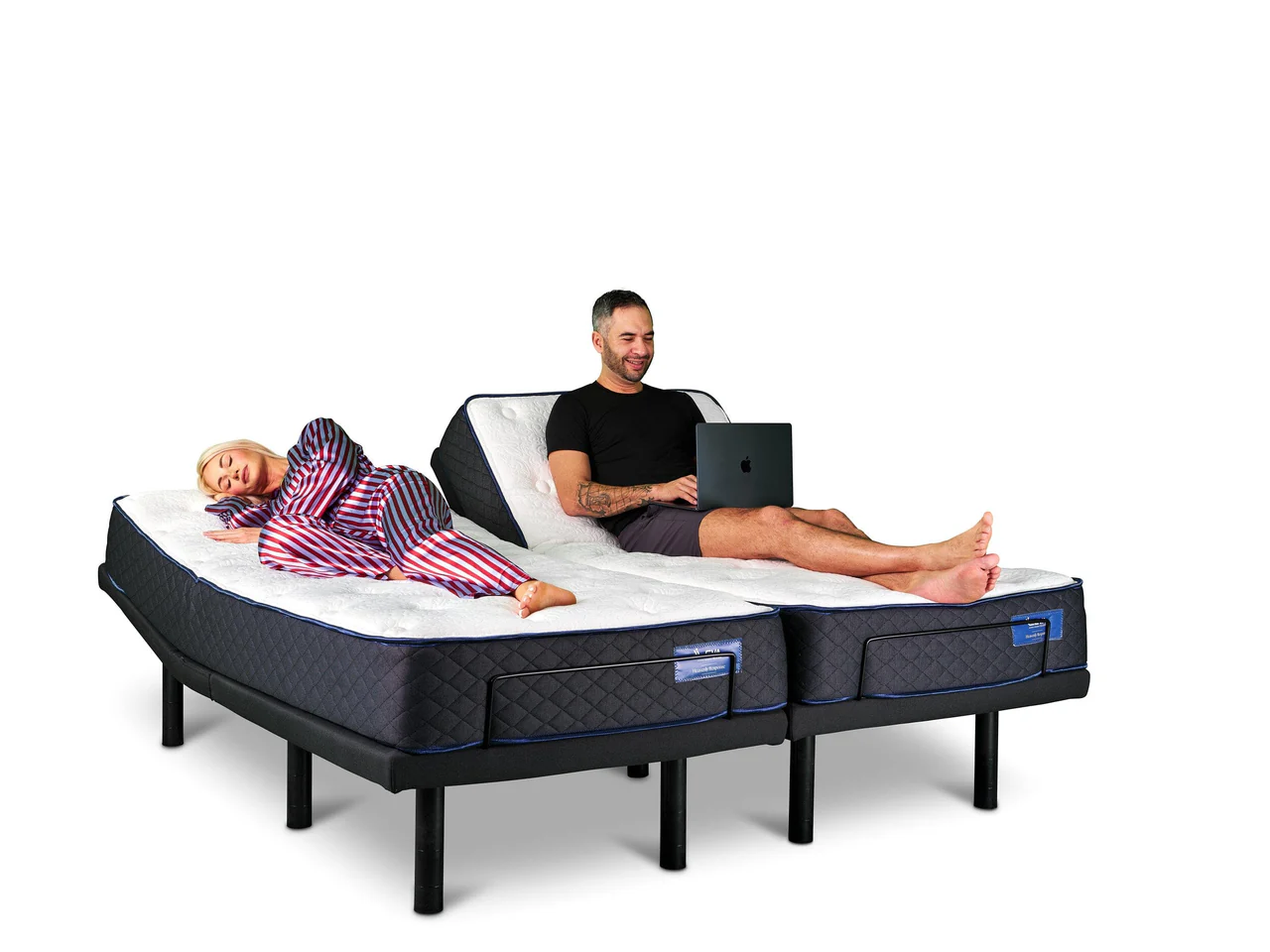
| Exercise + adjustable head elevation (positional therapy) | Exercises provide documented snoring reduction. Combined interventions show distinct, outcome-specific effects in OSA management, and elevation opens the airway mechanically, independent of muscle tone. | About 10 minutes per day of exercise; elevation remains passive and silent once set; furniture-quality aesthetics available | Split adjustable bases allow independent elevation for each partner so both can share the same bed comfortably. |
| CPAP therapy | First-line treatment for moderate-to-severe OSA according to MSD Manual clinical guidelines; highest efficacy for confirmed OSA | Requires nightly mask wear, machine noise, regular cleaning, and visible medical equipment | Combining CPAP with oropharyngeal exercises can improve nightly adherence, but mask appearance and noise can affect partner comfort. |
Compare Leva Sleep’s split adjustable systems and partner-compatible configurations to see how positional therapy can fit into your bedroom setup.
Practical Criteria for Choosing a Snoring Solution
Before committing to a specific approach, review these factors to see which solution fits your household.
- Medical clearance: Rule out moderate-to-severe OSA with a sleep study before relying on exercises or positional therapy alone. Snoring with daytime sleepiness or breathing pauses warrants evaluation by a sleep medicine specialist.
- Room layout and bed size: Split Queen and Split King configurations need adequate room width, so measure carefully before purchasing an adjustable base.
- Partner preferences: Confirm that both partners feel comfortable with head elevation. Independent split controls allow each side to use a different position.
- Budget: Adjustable sleep systems require a higher upfront investment than exercise apps. Weigh that cost against years of disrupted sleep and the health risks of untreated snoring.
- Adherence history: If previous exercise programs have failed because consistency slipped, a passive mechanical solution such as positional therapy removes the adherence variable.
Frequently Asked Questions
How long do oropharyngeal exercises take to work?
Most clinical trials measure outcomes after three months of daily practice. Some people notice early changes in snoring within the first four to eight weeks. The deeper muscle remodeling that supports lasting reductions in snoring frequency and loudness requires steady daily effort across the full three-month window. Because the muscle remodeling reverses without ongoing practice, consistency is the primary determinant of outcome.
Do snoring exercises work for everyone?
No. Oropharyngeal exercises work best for adults with primary snoring or mild-to-moderate obstructive sleep apnea. They do not resolve severe OSA, central sleep apnea, which stems from neurological control issues, or snoring caused by structural anatomy such as a deviated septum or enlarged tonsils. Adults with these conditions need medical or surgical evaluation before using exercises as a main strategy.
What are the warning signs that snoring is actually sleep apnea?
Key red flags include witnessed breathing pauses or gasping during sleep, waking unrefreshed despite adequate time in bed, and excessive daytime sleepiness, including drowsiness while driving. Morning headaches, dry mouth on waking, and difficult-to-control blood pressure or blood sugar also raise concern. Any combination of these symptoms with loud habitual snoring calls for a formal sleep study rather than self-management with exercises alone.
Can a couple stay in the same bed if one partner snores chronically?
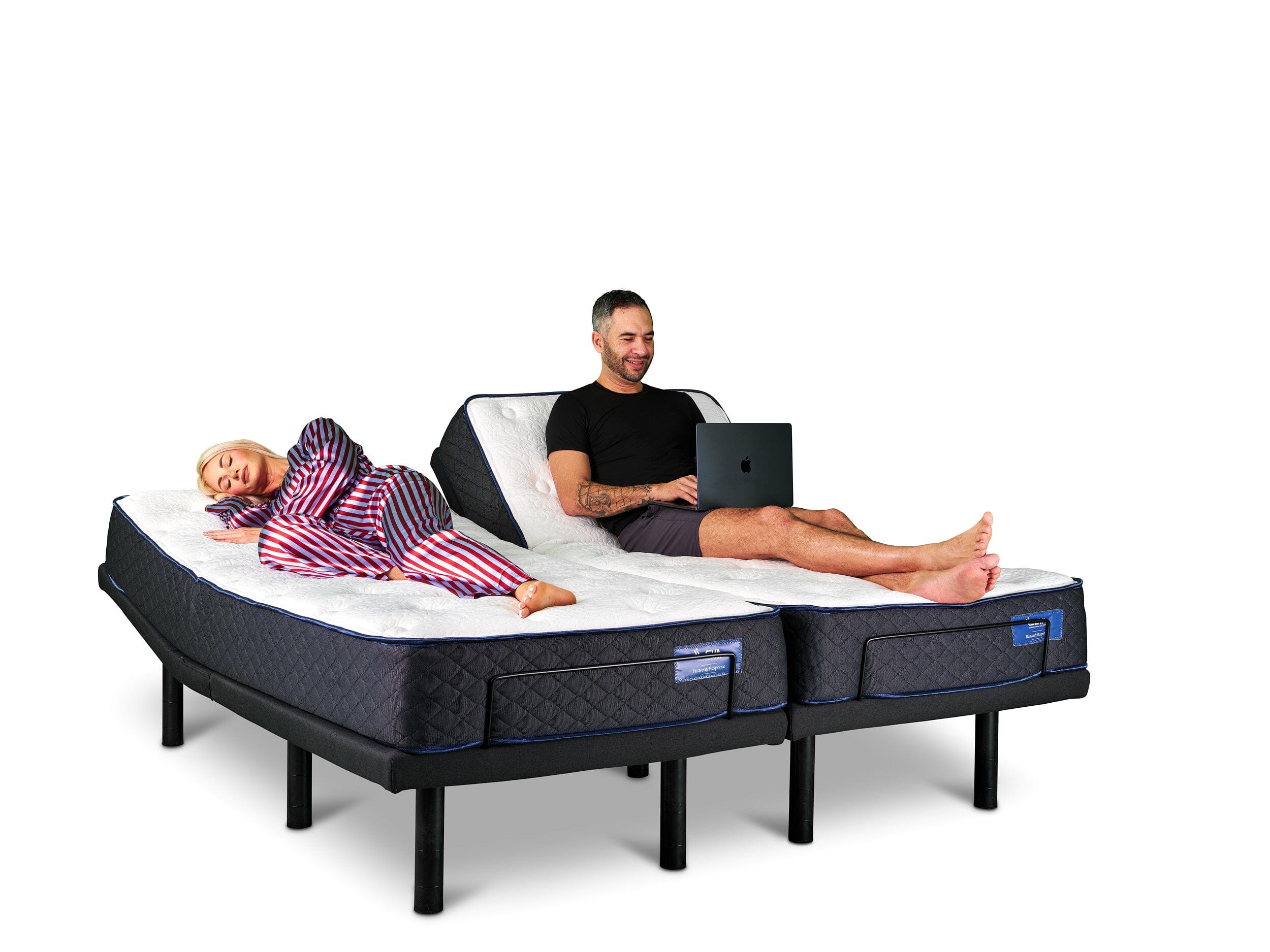
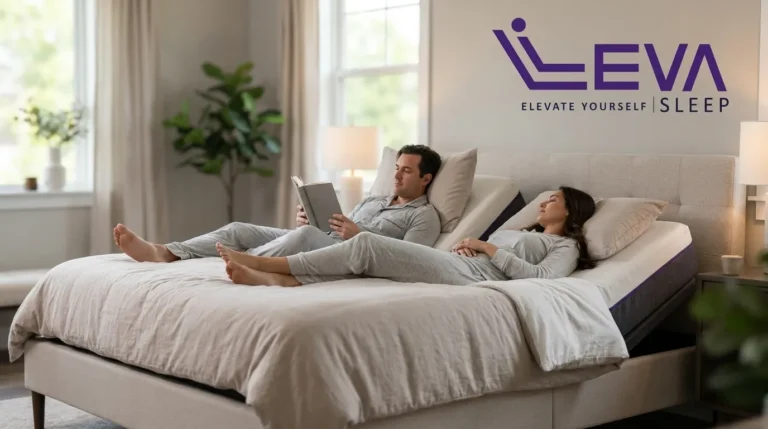
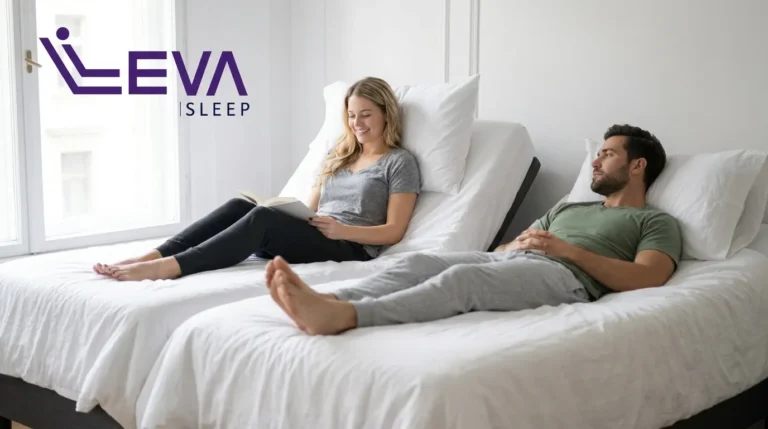
Many couples can stay in the same bed when they use the right sleep system. Split adjustable bases allow the snoring partner’s head to be elevated independently, which opens the airway mechanically, while the non-snoring partner keeps a preferred flat or custom position. This setup addresses the structural component of snoring without masks, separate rooms, or major comfort compromises for either partner.
Is head elevation a proven approach for reducing snoring?
Elevating the head of the bed is a clinically recognized positional intervention for snoring and mild sleep apnea. It reduces the gravitational collapse of soft tissue into the airway that worsens when lying flat on the back. Adjustable bases that offer precise, quiet head elevation, especially split configurations with independent controls, provide this benefit passively throughout the night without requiring the snorer to hold a specific body position.
Conclusion: Building a Sustainable Plan for Shared Sleep
Oropharyngeal exercises offer a legitimate, evidence-supported first step for chronic snorers who can commit to three months of daily practice. The reductions documented in the three-month trials, including up to 59% in loudness, are achievable for mild-to-moderate cases, yet results depend on ongoing maintenance and do not address structural airway problems or confirmed moderate-to-severe OSA. The 90-day mark serves as a practical reassessment point. If snoring still disrupts sleep after a consistent exercise protocol, positional therapy through an adjustable sleep system becomes the next mechanical step, working passively and quietly while allowing couples to stay in the same bed.
Leva Sleep’s adjustable positioning systems are designed for this scenario, with split configurations, independent controls, whisper-quiet motors, and furniture-quality design that blends into most bedrooms. More than 25,000 customers and eight years of specialized adjustable-base experience support each system. Consult a sleep medicine professional to rule out OSA, then decide whether a Leva Sleep system fits your household’s needs. Visit the La Jolla showroom or shop online to explore Leva Sleep’s adjustable positioning systems.