
Written by: Matthew Timmins, Founder and Managing Director, Leva Sleep
Key Takeaways
- Three reliable fixes close the gap between split king mattresses while keeping each side adjustable: a bed bridge with connector strap, a king-size topper with deep-pocket sheets, and non-slip pads with frame bolting.
- Measure the gap and confirm whether the bases move independently before buying anything. A typical split king shows a 2–4 inch gap that widens when each side articulates at different angles.
- Each method changes how cuddling feels. A king topper creates the most unified surface, a bed bridge fills the dip for easier rolling, and non-slip pads keep the gap from widening but leave the seam in place.
- DIY fixes involve trade-offs in setup time and durability. Pairing a foam bridge with a connector strap helps the bridge last longer and still allows independent motion on adjustable bases.
- Couples who want a more integrated approach from day one can explore Leva Sleep’s Split King adjustable systems at Leva Sleep, which are engineered to reduce gap issues from the start.
Fixing the Gap in a Split King Adjustable Bed
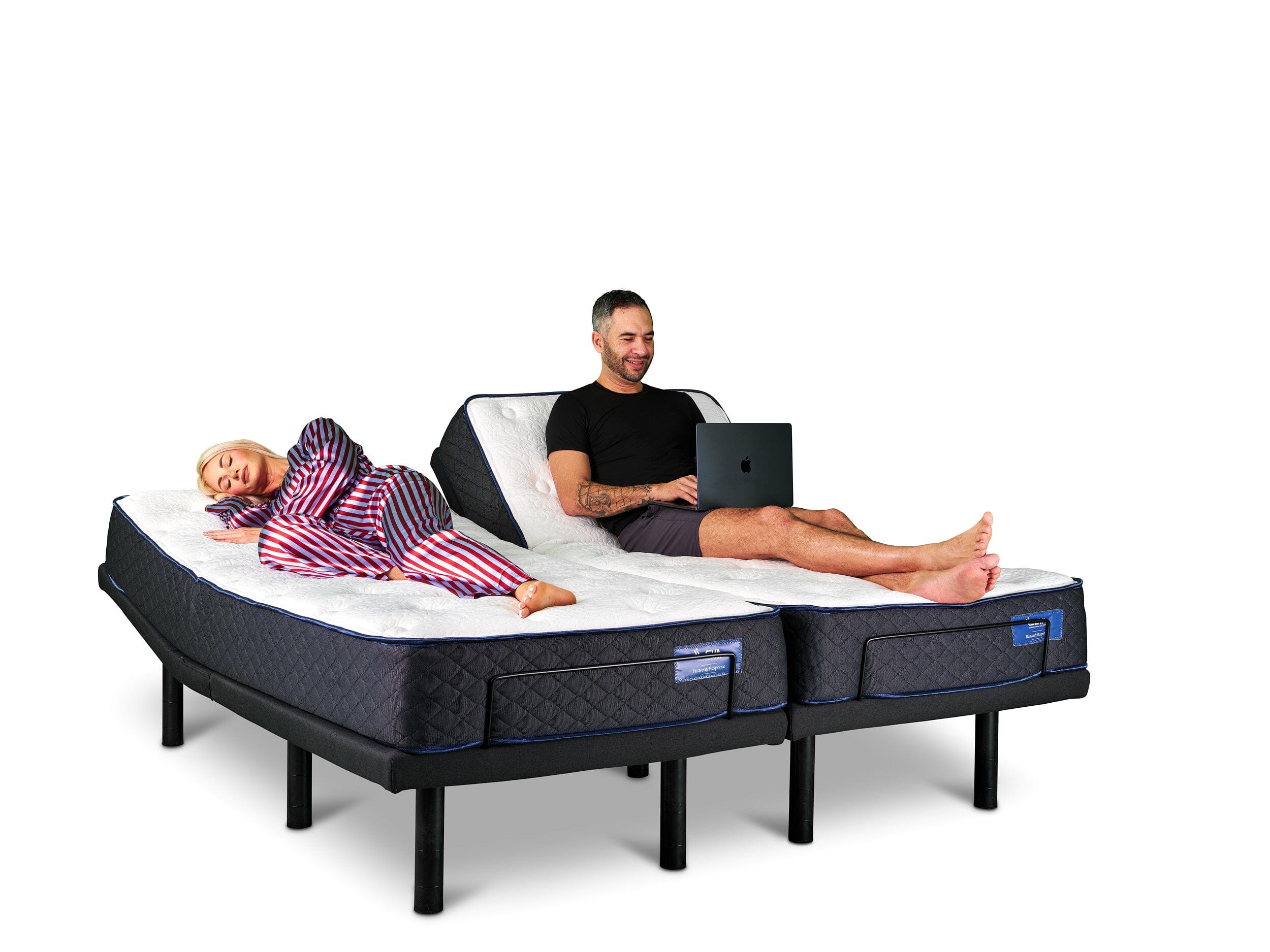
The center gap in a split king setup is described by industry professionals as the biggest complaint about split king mattresses, and the frustration is understandable. When one partner raises their head to read and the other stays flat, the two Twin XL bases drift apart and widen a gap that already measures 2–4 inches under normal conditions. Effective fixes start with two quick checks before you buy any products.
- Measure the gap and confirm base independence. With both sides flat and aligned, measure the center gap from edge to edge. A split king typically shows a gap of 2-4 inches between mattresses at rest, and that space grows when the bases sit at different angles. Note whether your bases share a single frame or sit on two separate platforms, because each setup calls for a slightly different fix.
- Install a bridge without restricting motion. A foam bed bridge, typically 75 to 78 inches long, 10 to 12 inches wide, and 3 inches thick, lays across the seam under the fitted sheet. Quality foam bridges use a wedge section that extends into the gap and tapers gradually to prevent sagging or raised ridges. Confirm the bridge stops before the mattress edge where the hinge articulates. If it extends too far, trim or reposition it before you sleep on it.
Bridge shifting when the base elevates can quickly undo your efforts. Foam wedge gap fillers commonly pop out when the headrest is raised on adjustable split king beds, which makes them unreliable during independent adjustment. If this happens, pair the bridge with a mattress connector strap that clamps both mattresses from underneath. A horizontal connector with adjustable straps and buckles can let each side move independently for head elevation, foot elevation, and zero-gravity positions while keeping the mattresses locked together.
Cuddling Comfort on a Split King
Most couples describe cuddling on a split king as possible but not natural when the center gap remains exposed. The physical separation changes the experience from “sharing a bed” to “sleeping in adjacent beds,” which can affect both comfort and connection.
Each gap-closure method changes closeness in a specific way.
- Bed bridge: Fills the depression so partners can roll toward the center without dropping into a gap. Cuddling feels more natural, although the seam often stays faintly noticeable through the sheets until the bridge compresses fully under body weight.
- King topper: Creates the most unified surface feel and makes the center seam nearly imperceptible. On a split king adjustable base with independently moving sides, a full-width topper can form a subtle ridge where the two bases meet. Many couples who value closeness more than steep independent inclines accept this trade-off.
- Non-slip pads plus connector strap: Keep the gap from widening but do not fill the existing space. Cuddling improves because the mattresses stay aligned, yet the center seam still exists.
Objective tracking over two to four weeks shows whether your chosen fix truly works.
- Keep a short sleep log that notes whether either partner woke because of gap discomfort.
- Rate weekly comfort at the center seam on a simple 1–5 scale, and have both partners score it separately.
- Record whether spontaneous cuddling increased, decreased, or stayed the same after you installed the fix.
These simple measures give you clear data to decide whether you need a more permanent solution. A study of couples found that sleeping in separate rooms was associated with significantly lower well-being, including reduced happiness, life satisfaction, and fulfillment, which highlights why closing the gap matters for more than just physical comfort.
Three Ways to Keep a Split King from Separating
Three primary methods target different causes of separation. Match them to your base type, budget, and how often each side moves independently.
Method 1: Bed Bridge with Connector Strap
- Remove all bedding and align both Twin XL mattresses so their inner edges touch evenly.
- Slide the connector strap fabric beneath both mattresses, centered on the seam. Clip the buckles and tighten until the mattresses feel snug, and avoid over-tightening, which can deform foam cores and damage mattress edges.
- Lay the foam bridge across the seam on top of the mattresses, wedge side facing down into the gap.
- Cover each side with a Twin XL fitted sheet, then add a king flat sheet on top to soften awareness of the seam.
- Test both independent and synced base positions to confirm the bridge clears all hinge points without catching.
Compatibility note: A connector like the Bedbinder Deluxe works on split king adjustable bases, platform beds, box springs, different mattress heights, and all mattress types including foam, spring, latex, and hybrid. Foam wedge gap fillers compress within weeks under body weight and typically require periodic replacement. Using a strap with the bridge helps maintain alignment and extends the useful life of the foam.
Method 2: King Topper with Deep-Pocket Sheets
- Select a topper rated specifically for adjustable bases. A thickness of 2–3 inches offers the best balance of flex and cushioning for adjustable beds. Toppers thicker than 3–4 inches carry a higher risk of creasing at steep incline angles.
- Center the topper over both mattresses so the overhang matches on each side.
- Anchor the topper with elastic corner straps or choose a model with a built-in skirt. Toppers without elastic anchoring corners tend to migrate toward the foot of the bed after repeated base movements.
- Cover each Twin XL side with deep-pocket fitted sheets at least 15 inches deep, then add a king flat sheet.
- Test independent head elevation at the angles each partner uses most often to confirm the topper flexes smoothly without bunching.
Compatibility note: Extreme angles may cause a king topper to bunch, so this method works best for couples who prefer moderate inclines instead of steep reading or anti-reflux positions.
Method 3: Non-Slip Pads with Frame Bolting
- Lift each mattress and place non-slip silicone or rubber grip pads across the base surface. Non-slip pads should cover the entire bottom surface of both mattresses rather than just corners to maintain grip on adjustable bases.
- If the bases share a common frame, use the frame’s built-in connector hardware or add aftermarket locking brackets to bolt the two base units together at both the head and the foot.
- Attach a sturdy headboard directly to the frame. A headboard attached directly to the bed frame creates a fixed point that prevents mattresses from shifting upward while allowing independent side movement.
- Replace the bedding and test both sides through their full range of motion.
Compatibility note: This method prevents drift but does not fill the existing gap. It works best as a base layer combined with Method 1 or Method 2.
Side-by-Side Comparison of Gap Fixes
| Method | Approximate Cost | Longevity | Cuddling Benefit | Split Adjustability Compatibility |
|---|---|---|---|---|
| Bed bridge + connector strap | $50–$150 for bridge; connector strap varies | Connector lasts for years; foam bridge compresses in weeks | Moderate, fills the gap while leaving a faint seam | High, each side operates independently, though the bridge may need repositioning at steep angles |
| King topper + deep-pocket sheets | Varies by topper material and brand | Varies, frequent steep inclines can shorten lifespan | High, most unified surface feel with a possible subtle ridge at the seam | Moderate, bunching risk at steep angles and best suited to moderate inclines |
| Non-slip pads + frame bolting | Low, pads and hardware only | High, pads and hardware remain durable long term | Low on its own, prevents drift but does not fill the gap | High, no restriction on independent movement |
DIY Fixes Compared with Integrated Split King Systems
DIY fixes are affordable and easy to find, yet each one involves trade-offs in noise, setup time, and long-term reliability. Three specific criteria help you judge whether a solution will stay practical over months of nightly use.
- Noise level: Noise affects sleep quality, especially for light sleepers. Foam bridges and rubber pads usually stay silent when the base moves, while rigid connector hardware can occasionally click under load.
- Ease of setup and removal: Convenience determines whether you keep using the fix after the first week. A well-designed connector installs in under 3 minutes with no tools and remains completely invisible and unfeelable under the sheets. Toppers take more effort to anchor and reposition after deep inclines.
- Long-term durability: Durability affects both cost and hassle over time. Preventing separation with a mattress connector is more effective than filling space with foam wedges, providing long-term stability versus foam wedges that compress over time.
Couples who prefer a complete, integrated approach instead of stacking multiple DIY products can look to Leva Sleep’s Split King adjustable systems. These setups are engineered to minimize gap formation from the outset. Leva’s whisper-quiet German motors, app-controlled independent bases, and coordinated accessories, including fitted sheets with extra elastic, duvet clips, and remote pockets, work together as a single system rather than a mix of aftermarket add-ons. Leva’s forthcoming anti-snore mode will detect snoring and make small automatic head adjustments, adding a level of personalization that typical accessories cannot match.
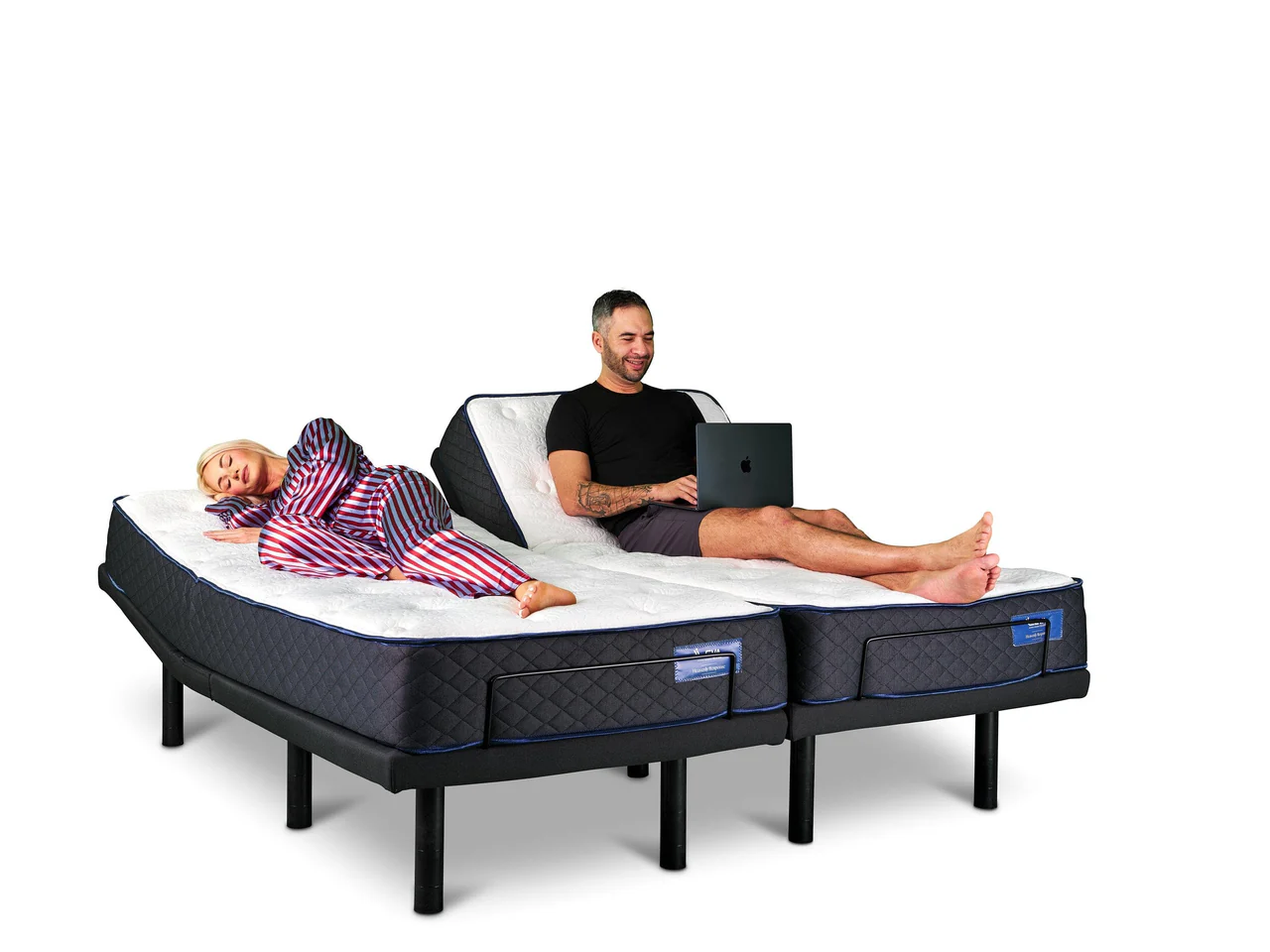
Explore Leva Sleep online or visit the La Jolla showroom to see these systems in person.
Frequently Asked Questions
How do you deal with the gap in a split king adjustable bed?
Start by measuring the gap with both bases flat and aligned. As noted earlier, the standard gap widens beyond the usual 2–4 inch range when bases drift apart or mattresses sit off-center on the frame. Realign the mattresses, then install a foam bed bridge across the seam under the fitted sheet to fill the depression. Pair the bridge with a horizontal connector strap that clamps both mattresses from underneath, which helps keep the bridge in place when one side elevates independently. Couples who use steep head-up positions often get better stability from a 2–3 inch adjustable-base-compatible topper anchored with elastic corner straps. Leva Sleep’s Split King systems include accessories designed for adjustable bases, which reduces the need to mix and match separate aftermarket products.
Can you still cuddle with a split king?
Cuddling on a split king works best when you address the center gap. Without any fix, rolling toward the middle usually means hitting a 2–4 inch depression that interrupts natural movement and makes longer cuddling uncomfortable. A foam bridge or king topper softens that transition so partners can meet in the middle without dropping into a gap. A king topper creates the smoothest surface for closeness, while a connector strap alone keeps the mattresses together but leaves the gap unfilled. Couples who want both cuddling comfort and independent incline settings often choose a thin adjustable-base-compatible topper plus a connector strap, which maintains moderate independent angles and still unifies the surface.
How do you keep a split king bed from separating?
Three layers address separation at different points. Non-slip rubber or silicone pads under both mattresses create friction that resists side-to-side drift during sleep movement and base articulation, and they work best when they cover the full mattress bottom. A horizontal connector strap or buckle system clamps both mattresses together from underneath and physically stops them from moving apart, even when one side elevates. A sturdy headboard bolted directly to the frame adds a fixed point that blocks upward mattress migration. For the most durable setup, combine all three: pads for friction, a connector strap for restraint, and a headboard for directional stability. Leva Sleep’s integrated Split King systems build these principles into the design, which reduces dependence on separate accessories.
Are split king beds compatible with sleep apnea positioning and medical recommendations?
Split king adjustable bases work well for sleep apnea and other medical positioning needs because each side can elevate independently without disturbing the other partner. Gently raising the head opens the airway and can reduce snoring and mild sleep apnea symptoms for some people, even without a CPAP mask. Each partner can set their own head and foot elevation, with one side raised for airway support and the other flat for comfort, while gap-prevention accessories keep the mattresses aligned through the night. Leva Sleep’s adjustable bases include independent app-controlled positioning and a forthcoming anti-snore mode that detects snoring and makes automatic micro-adjustments to the head of the bed. Anyone managing diagnosed sleep apnea or other medical conditions should consult a physician or sleep specialist before changing sleep positioning.
Conclusion: Closing the Split King Gap Step by Step
Closing the gap in a split king rarely happens with a single change. The most reliable results come from layering solutions such as non-slip pads to prevent drift, a connector strap to hold alignment during independent articulation, and a bridge or topper to create a more unified surface for closeness. Each small improvement reduces the structural separation that can undermine both sleep quality and physical intimacy. Couples who track their results with sleep logs and weekly comfort ratings can quickly see which combination works best for their base configuration and nightly habits. For anyone who prefers a coordinated system instead of piecing together aftermarket parts, Leva Sleep’s Split King adjustable bases, specialized bedding, and white-glove delivery offer an integrated path to restorative, connected sleep.
Visit Leva Sleep in La Jolla or shop online to start building your ideal split king setup.