Written by: Matthew Timmins, Founder and Managing Director, Leva Sleep
Key Takeaways
- Snoring affects nearly 40% of adult men and 24% of women in the U.S., disrupting sleep and increasing the risk of “sleep divorce.”
- The ten remedies are ranked by 2025–2026 clinical success rates, with positional changes, weight loss, and alcohol avoidance offering fast, measurable relief for many snorers.
- Head-of-bed elevation via a split adjustable base provides a durable, passive, non-invasive solution that works every night in any sleep position.
- Behavioral remedies like side-sleeping, nasal clearance, and throat exercises target specific causes but often require ongoing effort or give limited results for non-positional snorers.
- For couples seeking a sustainable, relationship-preserving option, explore Leva Sleep’s split adjustable bases at the La Jolla showroom or online.
1. Sleeping Position to Stop Snoring
Switching from back-sleeping to side-sleeping often reduces snoring frequency in positional snorers. When a person sleeps on their back, gravity pulls the tongue and soft palate toward the back of the throat, narrowing the airway and creating the vibration heard as snoring. Positional snoring accounts for a substantial portion of habitual snoring cases, so this single change can resolve the problem for many people.
To maintain a side position through the night, place a full-length body pillow along the back to prevent rolling onto the back. If a pillow alone does not provide enough feedback, the classic “tennis ball” method, sewing a tennis ball into the back of a sleep shirt, creates mild discomfort when rolling back and reinforces the side position more actively. To confirm that either method is working across the full sleep cycle, a wearable position tracker can verify how often you stay on your side. Trade-off: side-sleeping increases shoulder and hip pressure on a flat mattress, and some snorers are not positional, so the benefit may be limited or absent.
2. Losing Excess Weight
Losing excess weight can reduce snoring severity for overweight individuals and often provides one of the most durable long-term natural remedies. Excess adipose tissue around the neck compresses the upper airway, reduces its diameter, and increases the likelihood of soft-tissue vibration during sleep. Reducing neck circumference through caloric deficit and resistance training directly widens the airway.
A realistic target is 0.5–1% of body weight per week through a combination of dietary changes and aerobic exercise. Consistent weight loss usually brings gradual improvements in snoring frequency. Trade-off: weight loss is slow, requires sustained effort, and does not provide immediate relief on any single night.
3. Avoiding Alcohol Before Bed
Stopping alcohol intake within 3 hours of bedtime can reduce snoring frequency and help preserve REM sleep duration. Alcohol acts as a central nervous system depressant that relaxes the pharyngeal muscles beyond their normal resting tone, so the airway collapses more easily during inhalation. Even moderate consumption within the pre-sleep window measurably worsens snoring in people who do not otherwise snore habitually.
A practical rule is to set a firm cutoff four to five hours before the intended sleep time. Substituting sparkling water or herbal tea in the evening removes the pharmacological effect entirely. Trade-off: social situations make strict adherence difficult, and the benefit disappears on any night the rule is broken.
These first three remedies, positional change, weight management, and alcohol timing, address the most common mechanical and physiological causes of snoring and can produce noticeable results quickly. The following remedies focus on more specific contributors, including nasal congestion, muscle tone, and environmental triggers.
4. Keeping Nasal Passages Clear
Nasal congestion or obstruction often drives snoring, and nasal dilator strips can improve airflow with same-night results. When nasal resistance rises, the mouth opens during sleep to compensate, and oral airflow across relaxed throat tissue generates snoring. Reducing nasal resistance interrupts this pathway.
Effective tools include a bedroom humidifier set to 40–50% relative humidity to prevent mucosal drying overnight. For immediate mechanical relief, adhesive nasal dilator strips applied across the bridge of the nose before bed physically widen the nasal passages. To address congestion from allergens or mucus buildup, saline nasal irrigation (neti pot) performed 30–60 minutes before sleep clears the passages before the other interventions take effect. Trade-off: nasal interventions help only congestion-driven snoring and do not help when the obstruction is structural, such as a deviated septum, or when snoring starts deeper in the throat.
5. Throat Exercises for Snoring
A 2015 randomized controlled trial published in CHEST Journal found that daily oropharyngeal exercises significantly reduced snoring over 3 months. Myofunctional therapy targets the soft palate, tongue, and lateral pharyngeal walls and increases their resting muscle tone so they resist collapse during sleep. Oropharyngeal exercises can produce measurable reductions in snoring.
These exercises are typically performed daily for several weeks. A representative daily sequence includes tongue presses against the hard palate, repeated vowel vocalizations at a sustained pitch, and soft-palate elevation exercises. Trade-off: results require weeks of consistent daily practice, and adherence rates in clinical trials are lower than for passive interventions.
6. Quitting Smoking
Smokers are more likely to be habitual snorers than non-smokers, and quitting can reduce snoring prevalence over time. Tobacco smoke inflames and swells the mucosal lining of the upper airway, narrows the nasal passages, and impairs mucociliary clearance, which increases airway resistance and snoring. Cessation reverses much of this inflammation over months.
Nicotine replacement therapy, prescription cessation medications, and behavioral support programs all improve quit rates. Snoring improvement typically begins within weeks of cessation as airway inflammation subsides. Trade-off: the timeline to meaningful snoring reduction is measured in months, and withdrawal symptoms can temporarily disrupt sleep quality before improvement occurs.
7. Elevating the Head of the Bed
Elevating the head of the bed can reduce soft tissue collapse and often helps snorers who also have acid reflux. Raising the head and torso 10–30 degrees uses gravity to prevent the soft palate and base of the tongue from collapsing backward into the airway. This approach addresses the same mechanism that makes back-sleeping problematic but does so passively without requiring the sleeper to stay on their side.
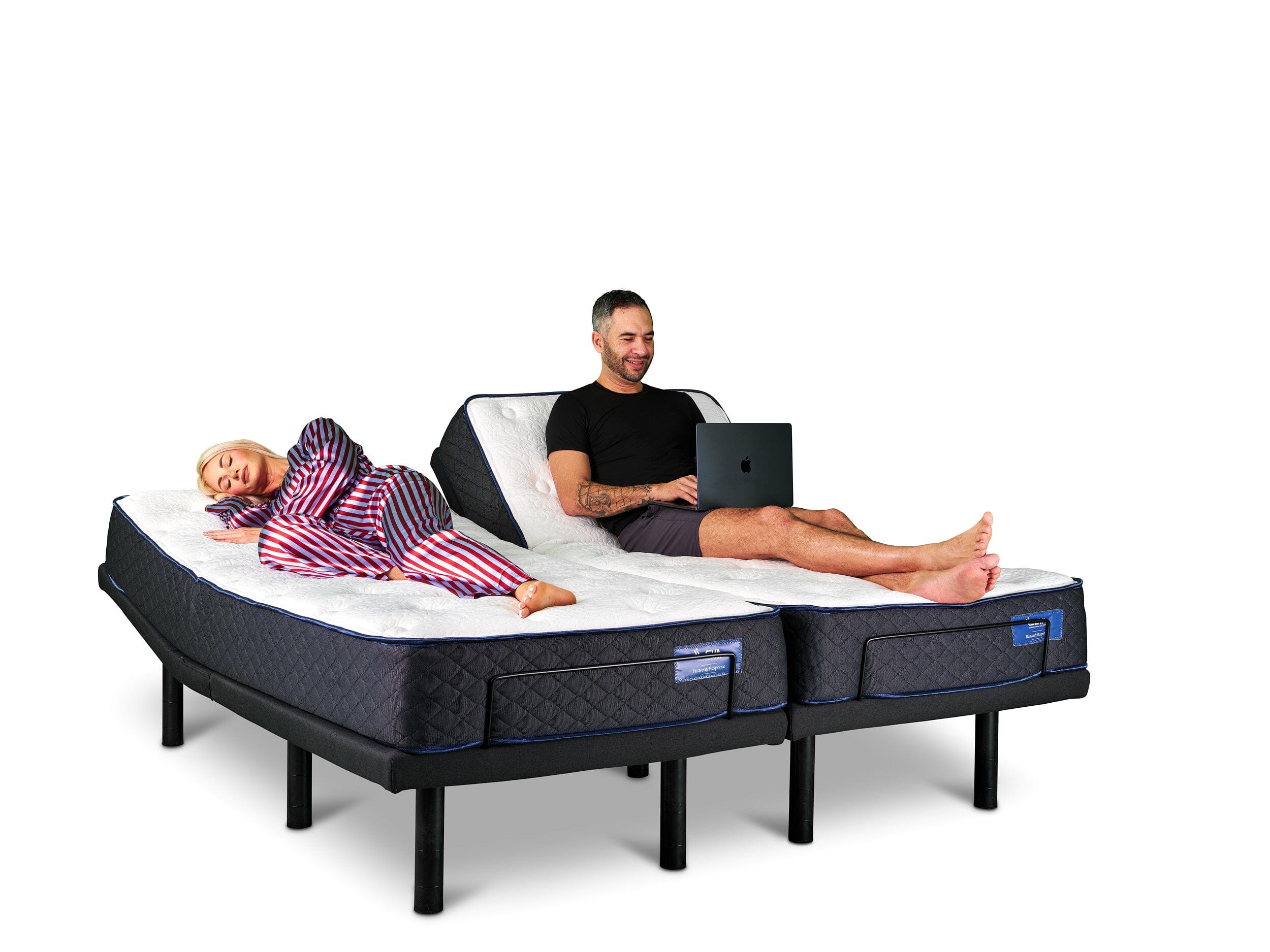
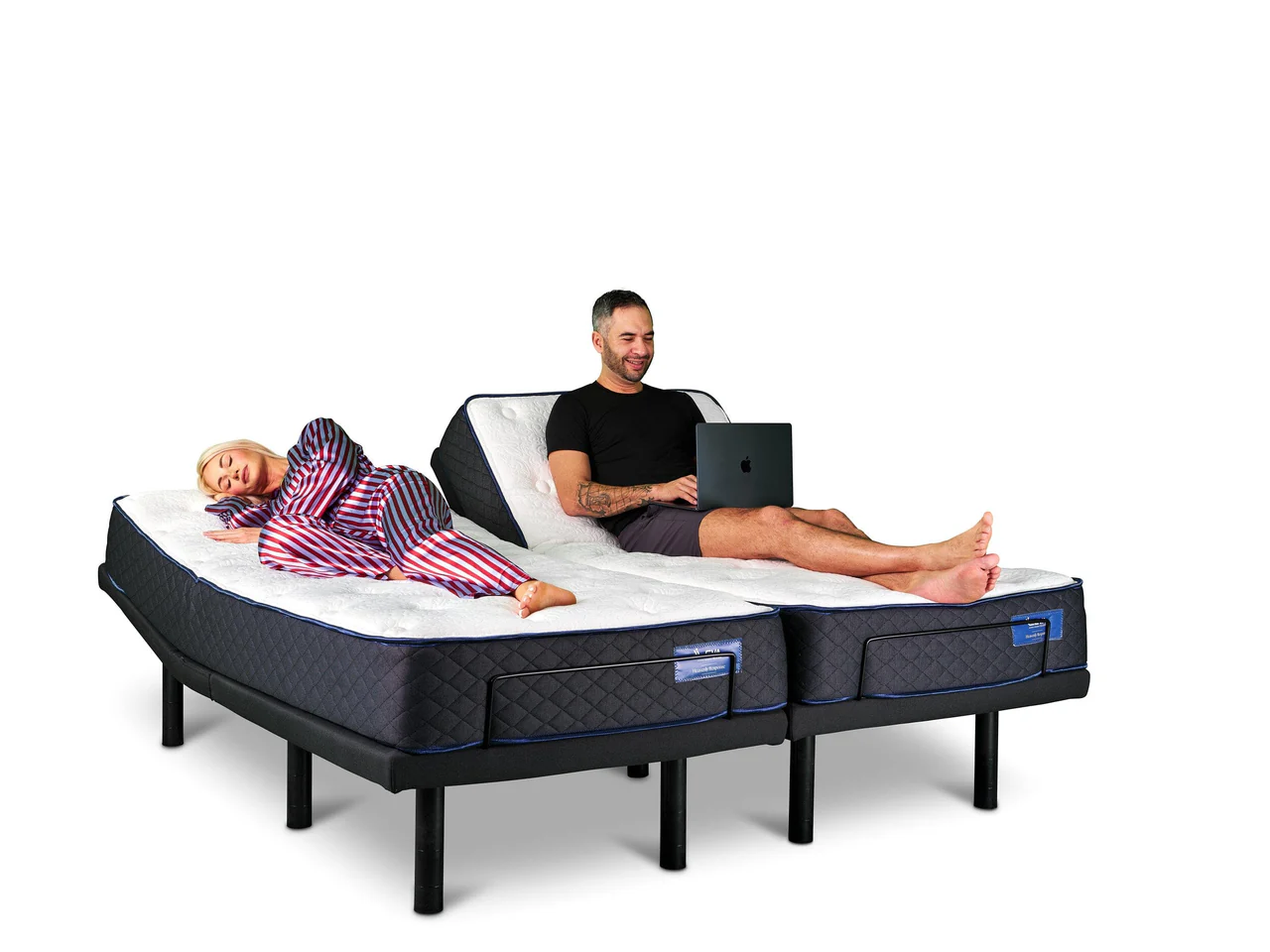
Sleep Foundation recommends full upper-body elevation via an adjustable base, wedge pillow, or bed-frame blocks rather than a higher pillow alone, because stacked pillows create a neck kink that can compress the airway and cause morning neck pain. A wedge pillow provides a fixed angle at low cost. A split adjustable base allows each partner to set an independent elevation angle and removes the compromise that a single wedge creates for the non-snoring partner.
Head-of-bed elevation works passively every night, requires no behavioral discipline, and addresses snoring whether its origin is positional, anatomical, or congestion-related. For couples navigating different comfort preferences, Leva Sleep’s split adjustable bases feature whisper-quiet motors and app control so each partner can dial in their own elevation independently. Schedule a showroom visit in La Jolla or shop the full collection online.
8. Establishing a Consistent Sleep Schedule
Sleep deprivation increases muscle relaxation throughout the body, including the pharyngeal muscles, which makes snoring more likely and more severe on nights after poor or insufficient sleep. Maintaining a consistent bed and wake time seven days a week stabilizes circadian rhythm, reduces sleep debt, and keeps pharyngeal muscle tone closer to its rested baseline. A target of seven to nine hours per night for adults aged 35–70 aligns with current sleep medicine guidance. Trade-off: schedule consistency is difficult across travel, shift work, and social obligations, and the benefit is indirect rather than a direct mechanical change to the airway.
9. Managing Allergies and Bedroom Air Quality
Chronic nasal inflammation from allergens such as dust mites, pet dander, and mold spores sustains the nasal congestion that drives mouth breathing and snoring. Encasing the mattress and pillows in allergen-proof covers, washing bedding weekly in hot water, keeping pets out of the bedroom, and using a HEPA air purifier all reduce the allergen load the upper airway encounters each night. These measures complement nasal clearance strategies in item 4 and are particularly effective for snorers whose symptoms worsen seasonally. Trade-off: allergen reduction requires ongoing maintenance and produces gradual rather than immediate improvement.
Beyond environmental triggers in the air, the surface you sleep on also affects airway position and comfort.
10. Sleeping on a Supportive, Position-Optimized Surface
A mattress that lets the body sink into a U-shape tilts the head backward, shortens the distance between the chin and chest, and narrows the airway. A medium-firm surface that maintains neutral spinal alignment keeps the head, neck, and torso in a position that reduces airway compression. Pairing a supportive mattress with an adjustable base that allows fine-tuned head elevation addresses both spinal alignment and airway geometry at the same time. Trade-off: mattress replacement is a significant investment, and the snoring benefit is usually incremental rather than transformative on its own.
Couples, Snoring, and Sleep Divorce
When one partner snores, both partners often lose sleep. The non-snoring partner experiences fragmented sleep and daytime fatigue, while the snoring partner may feel guilt, resentment, and pressure to fix the problem. Over time, this pattern erodes relationship satisfaction and can lead to separate sleeping arrangements, a pattern researchers call sleep divorce. A flat bed forces a binary choice: share the bed and accept disruption, or sleep apart and protect rest at the cost of intimacy.
Split adjustable bases resolve this by allowing each partner to configure their side of the bed independently. Leva Sleep’s split King and split Queen systems use German-engineered motors that operate quietly enough that adjustments rarely wake the other partner, and the app interface lets each person change positions without fumbling for controls in the dark. Leva Sleep’s anti-snore mode, arriving spring 2026, detects snoring and makes micro-adjustments to head elevation automatically, removing the need for manual intervention during the night. White-glove delivery and setup ensure the system is installed and calibrated before the first night of use. For couples who have exhausted behavioral remedies or want a passive, every-night solution, a split adjustable base offers a practical, relationship-preserving path forward.
When to See a Doctor
Natural remedies work best for primary snoring without associated breathing pauses. Evaluation by a sleep medicine physician or otolaryngologist becomes important when snoring occurs with witnessed gasping or choking during sleep, excessive daytime sleepiness that impairs function, morning headaches, difficulty concentrating, or a bed partner who observes complete breathing pauses. Snoring can signal obstructive sleep apnea, a condition that requires clinical diagnosis and may need treatment beyond positional or lifestyle changes. A home sleep test or in-lab polysomnography can distinguish primary snoring from sleep apnea and guide appropriate treatment.
Frequently Asked Questions
How quickly do natural snoring remedies produce results?
Side-sleeping and alcohol avoidance can produce results on the first night they are used. Nasal strips and humidification also work within the same night for congestion-driven snoring. Head-of-bed elevation through an adjustable base is effective from the first use. Weight loss, throat exercises, and smoking cessation require weeks to months of consistent effort before snoring frequency and severity decline in a measurable way.
Can throat exercises permanently stop snoring?
Oropharyngeal exercises increase the resting muscle tone of the soft palate, tongue, and pharyngeal walls, which reduces the likelihood of airway collapse during sleep. Clinical trials show meaningful reductions in snoring frequency after 8–12 weeks of daily practice. The benefit depends on continued exercise, because muscle tone declines if the practice stops. Throat exercises work best as a complement to positional and structural interventions rather than a standalone permanent cure.
Is head-of-bed elevation safe for people without snoring problems?
Yes. Elevating the head 10–30 degrees is widely used to manage acid reflux, reduce nasal congestion, improve circulation, and relieve lower back pressure. For people without snoring, the elevation angle can be set lower, even just a few degrees, to achieve spinal alignment benefits without any airway-specific effect. Split adjustable bases allow each partner to set their own angle, so the non-snoring partner does not need to sleep elevated.
What is the difference between a wedge pillow and a split adjustable base for snoring?
A wedge pillow provides a fixed elevation angle at a lower upfront cost but cannot be adjusted once purchased, applies the same angle to both partners on a shared bed, and may shift position during the night. A split adjustable base allows each partner to set and change their elevation angle independently via an app, maintains the position precisely throughout the night, and integrates features such as anti-snore detection, lumbar support, and massage. For couples with differing preferences, a split adjustable base removes the need for one partner to accept an elevation they do not want or need.
When should a couple consider a split adjustable base instead of continuing with behavioral remedies?
A split adjustable base becomes the practical next step when behavioral remedies such as side-sleeping, alcohol avoidance, and nasal clearance have been tried consistently and snoring persists. It also helps when the snoring partner cannot reliably maintain a lateral position through the night, when the couple has different firmness or elevation preferences that a single wedge or flat mattress cannot accommodate, or when sleep disruption has reached the point where separate sleeping arrangements are under discussion. A split adjustable base addresses all of these scenarios at once and works passively every night without requiring ongoing behavioral discipline from either partner.
Conclusion
The ten remedies above range from zero-cost behavioral changes to engineered sleep systems, and evidence supports using them in combination. Side-sleeping delivers fast, broad relief for many snorers. Throat exercises, weight loss, and smoking cessation build durable long-term improvement. Nasal clearance, alcohol timing, and allergen management address specific contributing factors. Head-of-bed elevation through a split adjustable base sits at the intersection of these mechanisms, because it works passively, works every night, and works for both partners independently without requiring either person to compromise comfort or sleep position.
For couples in the San Diego area and beyond who are ready to move past temporary fixes, Leva Sleep’s split adjustable bases combine whisper-quiet motors, app-controlled independent elevation, and the forthcoming anti-snore mode into a single premium sleep system designed for two people with different needs. Visit the La Jolla showroom to experience the anti-snore system in person, or order online for white-glove delivery.