
Written by: Matthew Timmins, Founder and Managing Director, Leva Sleep
Key Takeaways
- Side-sleeping, cutting alcohol 3 hours before bed, and clearing nasal passages are free foundational fixes that can reduce snoring immediately.
- Consistent sleep schedules, humidifiers, and allergen control help keep airways open and reduce inflammation that worsens snoring.
- Daily throat and tongue exercises plus modest weight loss strengthen airway muscles and decrease neck-fat pressure over several weeks.
- Elevating the head of the bed 4–6 inches amplifies every prior change by using gravity to maintain an open airway all night.
- Leva Sleep’s split adjustable bases let couples enjoy independent head elevation and anti-snore positioning, shop online or visit the La Jolla showroom today.
8 Targeted Changes That Quiet Snoring
- 1. Switch to side-sleeping, which removes gravity’s pressure on the airway instantly.
- 2. Cut alcohol at least 3 hours before bed, which prevents airway-muscle relaxation that triggers snoring.
- 3. Clear nasal passages before sleep, which reduces mouth-breathing and turbulent airflow.
- 4. Anchor a consistent sleep schedule, which prevents the deep, floppy-muscle sleep of deprivation.
- 5. Add a humidifier and reduce allergens, which keeps airway tissue moist and less inflamed.
- 6. Practice daily throat and tongue exercises, which tone the muscles that collapse and vibrate.
- 7. Pursue modest weight loss of 5–10%, which reduces neck-fat pressure on the airway.
- 8. Elevate the head of the bed 4–6 inches, which uses gravity to hold the airway open all night.
Items 1–3: Free Fixes You Can Start Tonight
1. Switch to Side-Sleeping
Back-sleeping allows the tongue and soft palate to fall toward the throat under gravity, narrowing the airway and producing the vibration heard as snoring. Sleeping on the side keeps airways open for people who snore or have obstructive sleep apnea, so lateral positioning is the clinical starting point for positional therapy.
To sustain the position through the night, place a firm pillow behind the back as a physical barrier against rolling onto the back. A full-length body pillow creates a barrier that prevents rolling onto the back while preserving partner comfort in shared-bed scenarios. Left-side sleeping is generally preferred because it also reduces acid reflux, a secondary snoring trigger.
For Couples: If one partner is a restless sleeper who nudges the other off their side, a split adjustable base lets each person set an independent incline that naturally discourages back-rolling, with no pillow barricades required.
2. Cut Alcohol at Least 3 Hours Before Bed
Alcohol relaxes the muscles of the airway during sleep, which increases the chance of airway collapse and snoring. Alcohol causes the muscles of the airway to lose tone and strength during sleep, increasing the chance of airway collapse and snoring. The timing window matters. Drinking even one standard drink close to bedtime can increase snoring intensity in habitual snorers and may cause non-snorers to snore that night. Chronic snorers, including those with obstructive sleep apnea, experience more severe snoring after drinking alcohol.
Set a household cut-off time, typically 3 hours before the target bedtime, and treat it as a non-negotiable wind-down boundary. Stopping alcohol consumption at least 3 hours before bedtime eliminates most of the airway-relaxant effect for most people.
For Couples: Aligning on a shared cut-off time removes the friction of one partner drinking late while the other tries to protect sleep quality. Framing it as a shared health habit rather than a restriction helps both partners stay consistent.
3. Clear Nasal Passages Before Sleep
Clearing the nose before bed reduces forced mouth-breathing, which bypasses the nose’s natural filtering function and increases turbulent airflow through the throat. A practical bedtime routine sequences saline application, gentle nose blowing, head elevation, and side selection, with the blocked nostril facing upward, to manage nasal congestion.
A saline nasal rinse or spray used 10–15 minutes before bed clears mucus and reduces mucosal swelling. Nasal dilator strips provide mechanical support to keep nostrils open during sleep. Nasal congestion at night can worsen snoring, and gentle head elevation may reduce symptoms compared with flat supine positioning.
For Couples: Keeping a saline spray on each nightstand lets both partners build the habit independently without disrupting the other’s routine.
The first three steps cost nothing and can begin tonight. Couples who implement all three consistently often notice quieter nights within the first week. Ready to add positional control to these foundational fixes? Explore Leva Sleep’s split adjustable bases at the La Jolla showroom or online.
Items 4–5: Moderate-Effort Habits That Support Airflow
4. Anchor a Consistent Sleep Schedule
Keeping a steady sleep schedule prevents the rebound deep sleep that makes airway muscles especially floppy. Sleep deprivation produces abnormally deep sleep in recovery nights, during which airway muscles relax more than usual and snoring worsens, even in people who rarely snore when rested. Maintaining a fixed wake time seven days a week stabilizes sleep architecture and reduces this effect.
Target 7–9 hours of sleep per night and protect the wind-down hour before bed from screens and stimulating activity. While hitting that duration target matters, maintaining the same sleep-wake times every day matters even more. Irregular schedules fragment sleep cycles and keep the body in a chronic mild-deprivation state that amplifies every snoring risk factor.
For Couples: Mismatched schedules, with one partner a night owl and the other an early riser, often disrupt sleep. A split adjustable base with independent vibrating alarms allows each partner to wake at their own time without disturbing the other.
5. Add a Humidifier and Reduce Allergens
Balanced humidity and fewer allergens keep nasal and throat tissue calmer, which helps the airway stay open. Dry air irritates and inflames the mucous membranes lining the nose and throat, causing swelling that narrows the airway. A bedroom humidifier maintaining 40–50% relative humidity keeps tissue supple and reduces the friction that produces snoring vibration. Moisture support from a humidifier combined with allergen reduction improves short-term relief when both nostrils are blocked, reinforcing the elevation benefit mentioned earlier.
Allergen control reinforces the humidifier’s benefit. Wash bedding weekly in hot water, use allergen-barrier mattress and pillow covers, and keep pets out of the bedroom. Dust mites and pet dander trigger nasal inflammation that persists through the night and can undo the gains from nasal clearance routines.
For Couples: Allergen-barrier covers are a straightforward shared investment. Leva Sleep designs mattress protectors specifically for adjustable bases, so the cover flexes with the bed rather than bunching at elevation points.
Items 6–7: Throat Strength and Weight Changes Over Time
6. Practice Daily Throat and Tongue Exercises
Strengthening throat and tongue muscles makes them less likely to collapse and vibrate during sleep. The soft palate, tongue, and pharyngeal muscles lose tone over time, particularly with age, which makes them more prone to the vibration that produces snoring. Targeted myofunctional exercises strengthen these tissues so they resist collapse under the reduced airway pressure of sleep.
A basic daily routine includes three simple steps. First, press the tongue flat against the roof of the mouth and hold for 3 seconds, then repeat 10 times. Second, slide the tongue backward along the palate from front to back and repeat 5 times. Third, pronounce each vowel sound aloud in an exaggerated manner for about 3 minutes. Singing for 20 minutes daily also tones pharyngeal muscles and has been associated with reduced snoring frequency in observational reports. Consistent practice over several weeks is usually needed before measurable improvement in muscle tone occurs.
For Couples: Practicing exercises together removes the self-consciousness barrier and turns a clinical routine into a shared habit. A 5-minute reminder after dinner, when both partners are typically home, keeps the routine on track.
Throat conditioning and the lifestyle steps above create a strong foundation. Positional control amplifies every one of them. See how Leva Sleep’s adjustable bases provide the elevation that multiplies these efforts by visiting the La Jolla showroom or shopping online.
7. Pursue Modest Weight Loss of 5–10%
Reducing neck fat even slightly can widen the airway and lessen snoring. Excess fat deposited around the neck compresses the airway from the outside, which reduces its diameter and increases the likelihood of collapse during sleep. Losing even 5–10% of body weight can decrease snoring frequency and intensity, improve sleep quality, and lower sleep apnea severity by reducing fat around the neck, decreasing airway narrowing, improving lung function, and lowering inflammation.
A neck circumference larger than 17 inches in men or 16 inches in women is associated with higher risk of snoring due to increased tissue pressing on the airway. Even modest reductions in neck circumference through weight loss produce measurable airway improvement. Expect meaningful snoring improvement after several weeks of sustained caloric deficit combined with regular aerobic activity.
For Couples: Shared dietary and exercise goals improve adherence rates. Better sleep itself supports weight loss by regulating hunger hormones, so the relationship between snoring reduction and weight loss becomes mutually reinforcing.
Item 8: Head Elevation as the Snoring Multiplier
8. Elevate the Head of the Bed 4–6 Inches
Raising the head and upper torso slightly uses gravity to keep the airway open all night. Elevating the head and upper torso by 4 to 6 inches uses gravity to keep the airway open and prevents the tongue from falling back, reducing snoring and apnea-related collapse more effectively than lying flat. This elevation works with every prior step. It reinforces side-sleeping by making flat supine positioning less comfortable, enhances nasal drainage cleared by saline rinses, and amplifies the airway-opening effect of throat muscle conditioning.
Experts recommend against using a higher pillow alone because it allows the neck to bend and promotes continued snoring. Lifting the whole upper body with a bed wedge pillow or adjustable base is recommended over stacking pillows under the head, as the latter bends the neck, restricts airflow, and can worsen snoring while causing neck stiffness.
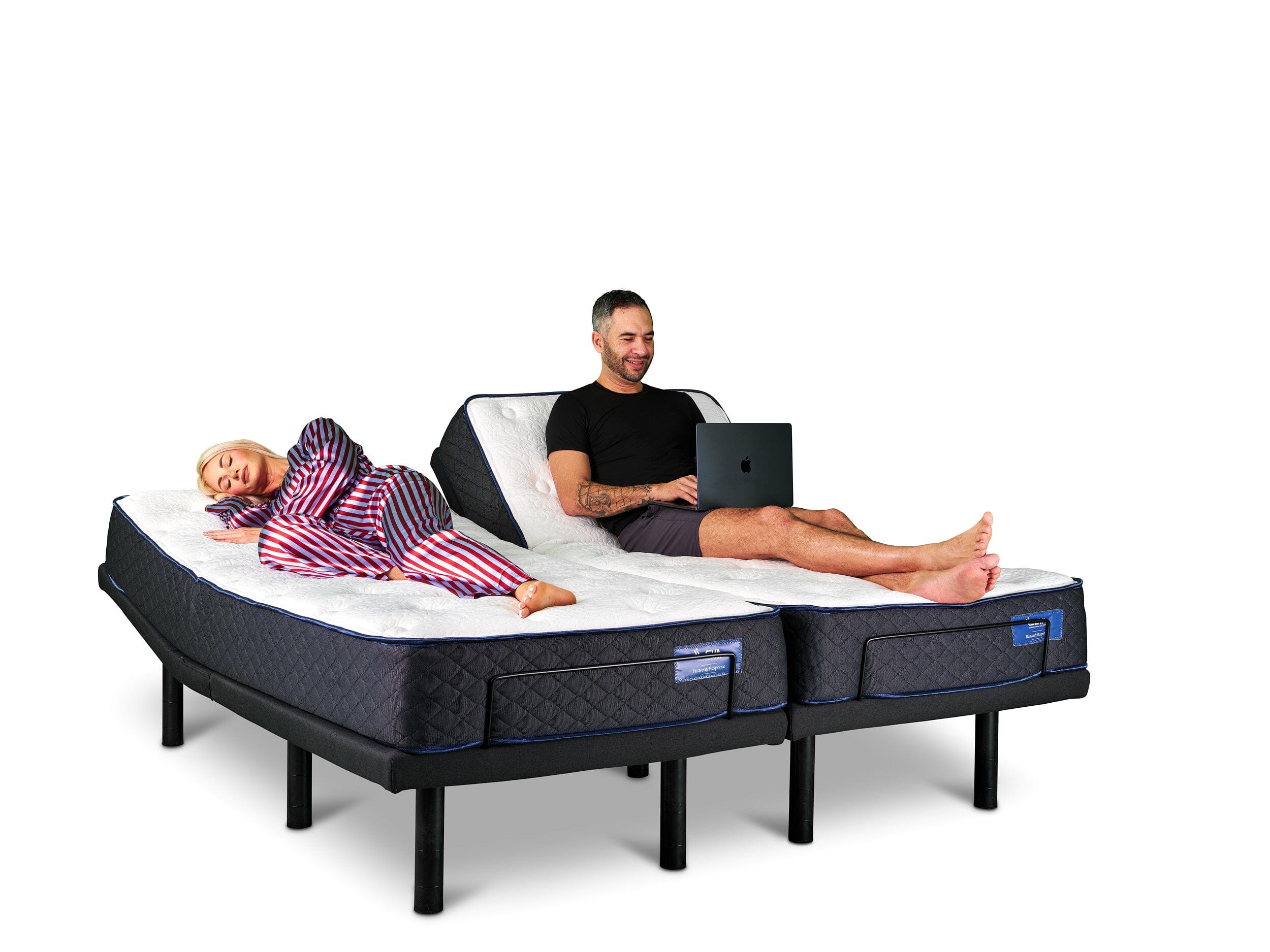
For couples, a wedge pillow may solve one partner’s snoring but forces the other to sleep on an incline they may not need or want. Leva Sleep’s split adjustable systems resolve this directly. Each side of the bed elevates independently, so the snoring partner can maintain a therapeutic 4–6 inch head incline while the other sleeps flat or at any preferred angle. Whisper-quiet motors allow adjustments during the night, including Leva’s anti-snore positioning mode, without waking the non-snoring partner. Both people stay in the same bed, in their own optimal position, every night.
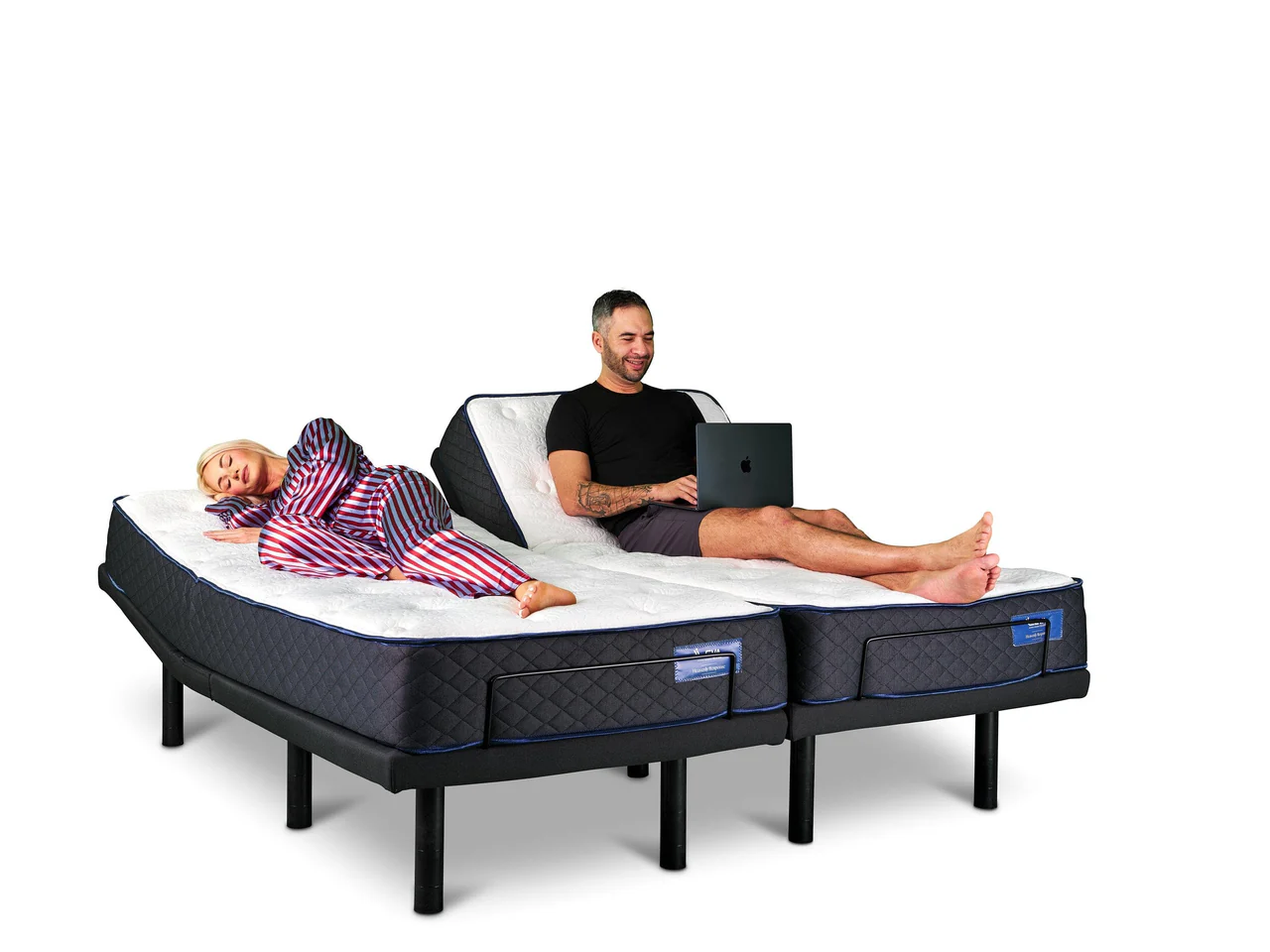
For Couples: Evaluate any positional solution with three simple checks. Confirm that it elevates the full torso rather than just the head. Confirm that each partner can adjust independently. Confirm that it operates quietly enough to avoid creating a new source of sleep disruption. Leva’s split adjustable systems are engineered to satisfy all three criteria.
Frequently Asked Questions
Is it safe to sleep in an elevated position every night long-term?
Most healthy adults can safely sleep with the head and upper torso elevated 4–6 inches every night. The position is commonly recommended for managing snoring, mild sleep apnea, acid reflux, and post-surgical recovery. Elevating the entire upper body rather than only the head keeps the spine in a neutral alignment and avoids neck strain. People with specific spinal conditions or recent surgeries should confirm the appropriate elevation angle with their physician before making it a permanent sleep position.
How long does it take to see results from these lifestyle changes?
Some changes work the first night, while others build over weeks. Cutting alcohol 3 hours before bed and switching to side-sleeping can produce noticeable improvement the same night. Nasal clearance routines and humidifier use typically show results within a few days of consistent practice. Throat and tongue exercises require several weeks of daily repetition before meaningful muscle tone develops. Modest weight loss of 5–10% generally takes several weeks of sustained effort before airway improvement becomes measurable. Head elevation works immediately once you start using it. Layering all eight changes produces compounding results faster than any single intervention alone.
When should snoring prompt a visit to a doctor?
Snoring should prompt medical evaluation when it appears with other warning signs. These include witnessed pauses in breathing during sleep, gasping or choking sounds, excessive daytime sleepiness despite adequate sleep time, morning headaches, difficulty concentrating, or elevated blood pressure. These signs may indicate obstructive sleep apnea, a condition that requires clinical diagnosis and treatment beyond lifestyle modification. A sleep study, either in a lab or via a home sleep test ordered by a physician, is the standard diagnostic tool. Lifestyle changes remain valuable adjuncts to clinical treatment but do not replace medical care when apnea is suspected.
How should a couple evaluate whether a split adjustable base is the right positional solution?
Couples can decide on a split adjustable base by first clarifying each partner’s positional needs. If one partner requires head elevation for snoring and the other prefers a flat surface, a single wedge or standard adjustable base forces a compromise that benefits neither. Evaluate split systems on four criteria. Look for independent control of each side’s elevation angle and low motor noise during adjustment. Confirm compatibility with the mattresses each partner prefers in terms of firmness and material. Check the quality of the accessories, particularly sheets and mattress protectors, designed to stay in place at elevation. Visiting a showroom where both partners can test the system together under realistic conditions, including preferred sleep positions and operating the controls, provides the clearest answer before purchasing.
Conclusion
Quieting snoring and restoring shared sleep follows a clear pattern. Start with the free foundational fixes of side-sleeping, alcohol timing, and nasal clearance, then layer moderate-effort habits, throat conditioning, and weight management on top. Modest head elevation ties every prior change together by using gravity to hold the airway open all night, and a split adjustable system ensures that this positional solution works for both partners without forcing either one to compromise. The result is not just quieter nights. It is more energy, better health, and a stronger relationship built on genuinely restorative sleep. Start your journey to quieter, healthier nights at Leva Sleep’s La Jolla showroom or online store.