Written by: Matthew Timmins, Founder and Managing Director, Leva Sleep
Key Takeaways
- Snoring solutions work best when matched to the specific root cause rather than applied generically across all cases.
- Partner-reported awakenings provide the most reliable measure of whether a snoring fix actually succeeds in real-world use.
- Adjustable elevation technology, particularly independent split bases, remains largely absent from Reddit discussions despite strong evidence for positional snoring relief.
- CPAP offers high clinical efficacy but scores lowest on partner compatibility due to noise, masks, and discomfort, while MADs and positional options fare better for couples.
- For couples seeking a non-mask, relationship-preserving solution, explore Leva Sleep’s split adjustable bases that deliver independent, app-controlled elevation without disturbing either partner.
Find Your Snoring Type with a Simple Flowchart
Step 1: If snoring stops or significantly reduces when you roll to your side, you are likely a positional snorer. Start with lateral sleep therapy or head elevation.
Step 2: If snoring worsens after alcohol or sedatives, you have an alcohol or relaxant trigger. Behavioral changes and mouth tape may help.
Step 3: If you breathe through your mouth at night or wake with a dry mouth, you are probably a mouth or jaw snorer. Consider a mandibular advancement device (MAD).
Step 4: If nasal congestion or a deviated septum is present, you are likely a nasal snorer. Nasal dilators, strips, or irrigation are first-line options.
Step 5: If BMI is elevated or snoring occurs in all positions, you fit the weight or anatomical snorer profile. Weight loss, orofacial exercises, or CPAP evaluation are warranted.
If multiple triggers apply, a combination approach that includes elevation usually outperforms any single intervention.
CPAP Realities vs. Mandibular Advancement Devices
Obstructive sleep apnea is caused by relaxation of throat muscles that obstruct the airway, and CPAP remains the most clinically effective treatment by delivering pressurized air through a mask. MADs reposition the jaw and tongue to mechanically widen the airway, which makes them suitable for tongue-base snorers without full OSA.
Reddit users in 2025–2026 threads describe CPAP as highly effective yet difficult to sustain. Common complaints include mask discomfort, noise that disturbs partners, and the psychological barrier of wearing medical equipment to bed. One r/SleepApnea user wrote: “CPAP eliminated my apnea events but my wife says the hum still wakes her up.” Another user reported abandoning the device within three months because of claustrophobia.
MADs draw more favorable adherence reports for mild-to-moderate cases. Research suggests that MADs can reduce snoring for tongue-base snorers and may improve deep sleep. Reddit users frequently mention a two to four week jaw soreness adjustment period before comfort stabilizes. For partners, MADs score higher than CPAP on compatibility, with no mask, no hose, and no machine noise.
Positional Therapy, Side Sleeping, and Weight Loss Timelines
Positional snoring appears frequently among habitual snorers, so side sleeping often works as a broadly effective zero-cost intervention. Switching from a back-sleeping position to a side-sleeping position can reduce snoring in positional snorers.
Reddit threads on positional therapy show some of the most enthusiastic feedback. Users report immediate results from positional pillows, tennis-ball vests, and vibrating wearables that nudge sleepers off their backs. The recurring complaint focuses on sustainability, because wearables run out of battery, pillows migrate, and vests feel restrictive. Head-of-bed elevation appears less often in threads but receives consistent praise for being passive and permanent once set.
Weight loss produces the most durable long-term outcomes for overweight snorers. Losing weight can reduce snoring severity in overweight individuals. A 2026 meta-analysis found GLP-1 receptor agonists produced an average weight loss of 12.46 kg versus placebo in OSA patients with obesity, with tirzepatide achieving a mean AHI reduction of 23.80 events per hour. The tradeoff involves time, because weight loss takes months, requires medical supervision, and does not address snoring on nights when weight goals are still in progress.
Nasal Fixes, Throat Exercises, Alcohol Triggers, and Mouth Tape
Nasal obstruction frequently contributes to snoring. Nasal dilators and Breathe Right strips rank among the most discussed low-cost interventions on Reddit. Breathe Right strips expand the nasal valve and can improve airflow, often producing results for nasal snorers. Reddit users consistently rate them highly for ease of use but note that they do nothing for mouth-open or positional snoring.
Oropharyngeal exercises can help reduce snoring frequency with consistent practice. Reddit adherence data for orofacial exercises appears mixed. Users who commit to the regimen report meaningful improvement, while many others stop after week four because of the daily time investment.
Alcohol as a trigger is well documented. Alcohol use before sleep can increase snoring frequency and reduce REM sleep. Reddit users treating alcohol-triggered snoring report that a simple cutoff of two to three hours before bed produces noticeable improvement within days. Mouth tape for mouth-open snorers generates polarized Reddit responses. Some users report dramatic improvement, while others find it uncomfortable or ineffective when nasal passages are partially blocked.
Comparison Table: Invasiveness and Partner Compatibility Rankings
| Solution | Invasiveness Level | Partner Compatibility | 2026 Reddit Adherence Trend |
|---|---|---|---|
| CPAP / PAP Therapy | High (mask, hose, machine) | Low — see partner disruption details above | High efficacy, moderate long-term adherence due to comfort barriers |
| Mandibular Advancement Device | Moderate (custom-fitted oral appliance) | Moderate — snoring reduction in tongue-base snorers | Good adherence after two to four week jaw adjustment period |
| Positional Therapy / Side Sleeping | Low (pillow, wearable, or elevation) | High — reduced snoring frequency in positional snorers | High initial adherence, with wearable battery and comfort issues reducing long-term use |
| Adjustable Bed Elevation (Split Base) | Very Low (passive, no wearable) | Very High — independent sides eliminate motion transfer, partner sleeps unaffected | Emerging, absent from most Reddit threads despite strong positional evidence |
| Nasal Dilators / Strips | Very Low | High — airflow improvement for nasal snorers | High for nasal-only snorers, low for mixed-cause snorers |
| Orofacial / Throat Exercises | Low (daily exercise regimen) | High — snoring reduction with regular exercises | Moderate, with high dropout after week four |
| Alcohol Reduction / Cutoff | Very Low (behavioral) | High — snoring reduction by avoiding alcohol before sleep | High adherence when snoring is clearly alcohol-triggered |
| Weight Loss (including GLP-1 therapy) | Low to Moderate (lifestyle or medical) | High long-term — snoring severity reduction with weight loss | Strong outcomes with a slow timeline |
Couples Dynamics and the Missing Adjustable Elevation Option
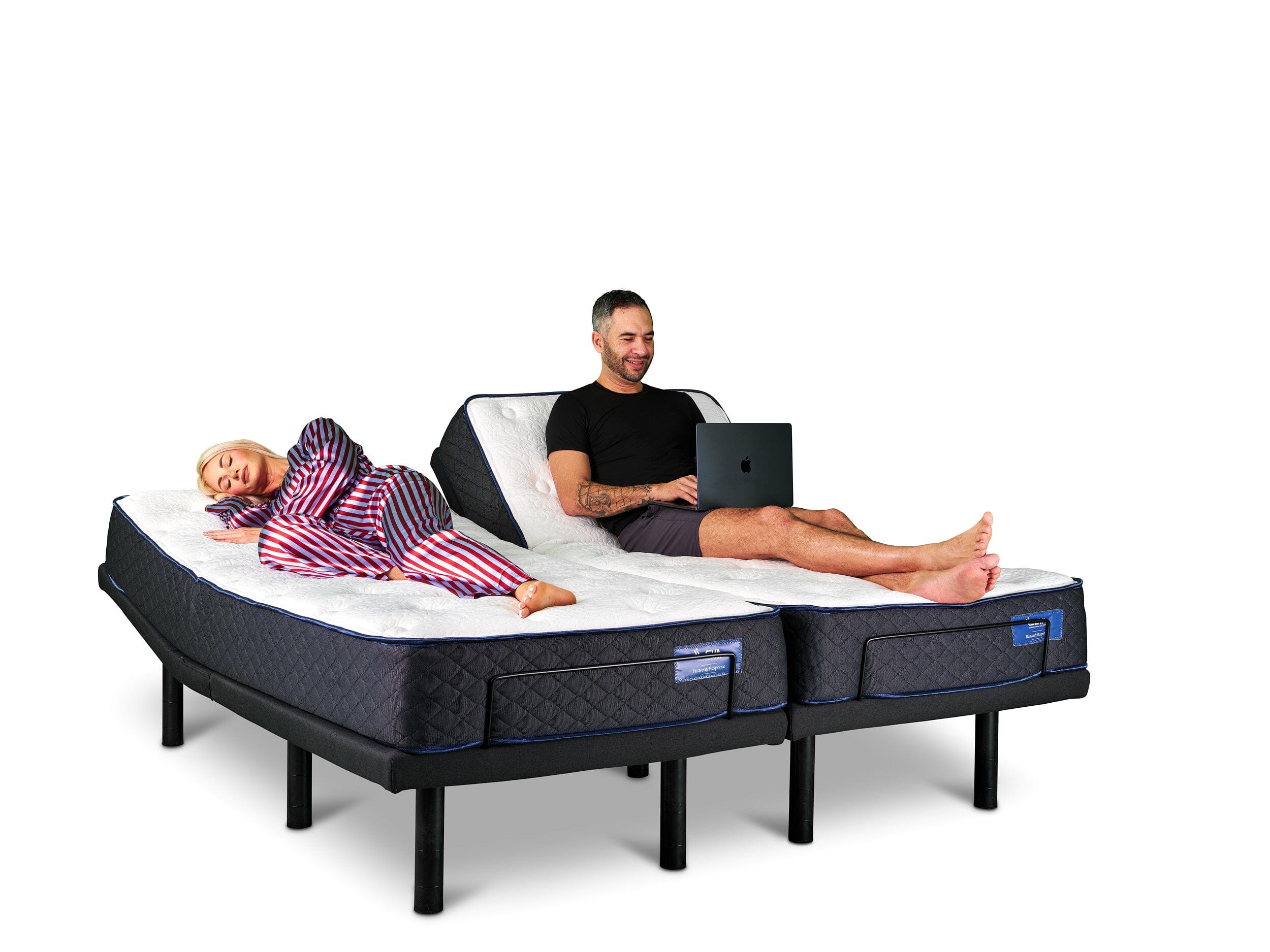
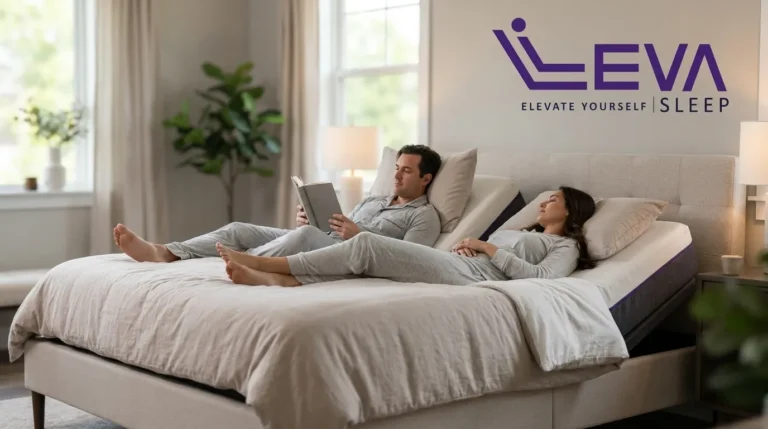
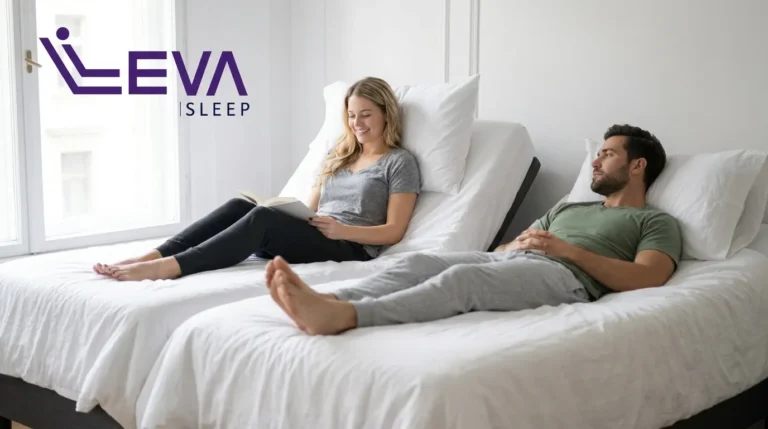
Reddit threads rarely discuss independent, app-controlled elevation, even though this option addresses positional snoring without any wearable, mask, or behavioral change. Leva Sleep’s split adjustable bases allow the snoring partner to raise the head of their side 10–30 degrees, using gravity to help prevent soft tissue collapse in the throat, while the other partner’s side remains completely flat.
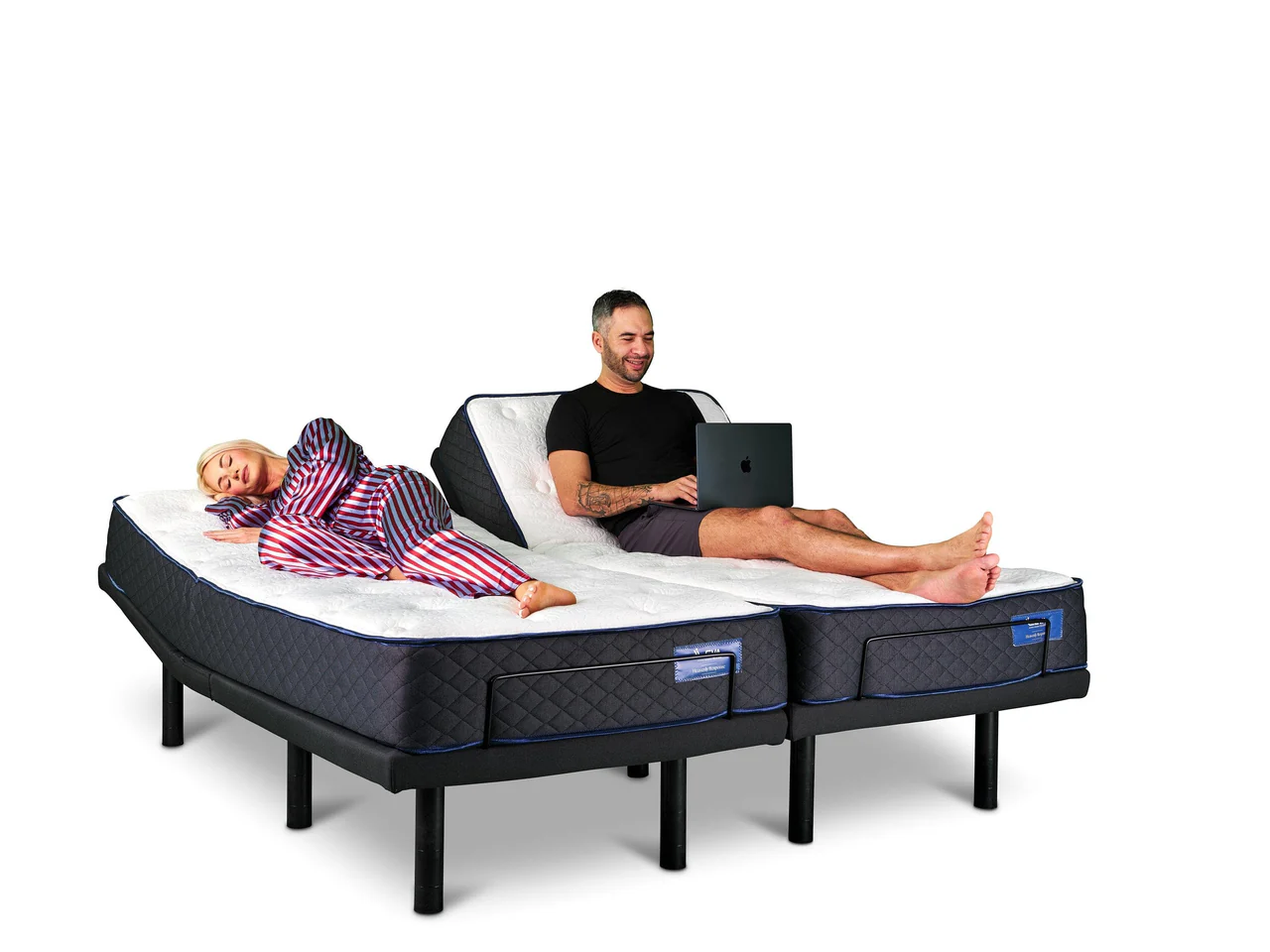
Whisper-quiet German motors allow adjustments without waking either partner. Specialized bedding, including fitted sheets with deep pockets, duvet clips, and remote pockets, keeps the system working smoothly even at significant elevation angles. This technology remains absent from existing Reddit snoring conversations and creates a meaningful gap for couples who want to stay in the same bed without masks or noise.
Experience Leva’s split adjustable bases in person at the La Jolla showroom
How to Evaluate Any Snoring Fix
Four criteria create a simple framework for judging any snoring solution from first trial through long-term use. First, measure partner-reported awakenings before and after, because self-reported snoring improvement is unreliable without corroboration and the partner’s experience becomes your baseline metric.
Second, assess ease of nightly use, since even solutions that work well clinically will be abandoned within weeks if they require setup, charging, or discomfort. Third, extend your evaluation to at least 30 nights to separate short-term adjustment symptoms from true long-term comfort issues.
Fourth, consider impact on relationship closeness, because solutions that require separate beds, loud machines, or visible medical equipment may simply trade one source of friction for another. The most effective solution scores well on all four criteria for both partners, not just the snorer.
See how Leva Sleep scores on all four evaluation criteria
Frequently Asked Questions
How long does jaw soreness last when starting a mandibular advancement device?
Most users experience jaw soreness, tooth sensitivity, or mild morning stiffness during the first two to four weeks of MAD use. This pattern occurs because the device holds the lower jaw in a slightly forward position throughout the night, which places new stress on the temporomandibular joint and surrounding muscles. Soreness typically diminishes as the jaw adapts.
Starting with the device at a minimal advancement setting and gradually increasing it over several weeks can reduce discomfort. If soreness persists beyond four weeks or worsens, a dentist or sleep specialist should reassess the fit and advancement level.
Does alcohol really make snoring worse, and how quickly does cutting back help?
Alcohol relaxes the muscles of the throat and soft palate, which narrows the airway and increases the likelihood of tissue vibration during breathing. This effect is dose-dependent and time-sensitive, with alcohol consumed within two hours of sleep producing the most pronounced snoring increase.
Reducing or eliminating alcohol in the hours before bed can produce noticeable improvement within the first few nights for people whose snoring is primarily alcohol-triggered. For individuals with underlying sleep apnea, alcohol reduction acts as a supportive measure rather than a standalone cure, and a sleep study may still be warranted.
Do I need a sleep study before trying snoring solutions?
A formal sleep study is not required before trying low-invasiveness interventions such as positional therapy, nasal strips, alcohol reduction, or head elevation. These options carry minimal risk and can be evaluated based on partner-reported outcomes within a few weeks.
A sleep study becomes important when snoring is accompanied by gasping, choking, witnessed breathing pauses, excessive daytime sleepiness, or morning headaches, which are symptoms that suggest obstructive sleep apnea rather than simple snoring. OSA requires clinical diagnosis and carries cardiovascular risks if left untreated. When uncertainty remains, a primary care physician can help determine whether a home sleep test or in-lab polysomnography is appropriate before pursuing CPAP or surgical options.
Can an adjustable bed actually replace a CPAP machine for sleep apnea?
Adjustable bed elevation does not replace CPAP in diagnosed obstructive sleep apnea. CPAP remains the most effective treatment for moderate-to-severe OSA by maintaining continuous positive airway pressure throughout the night.
Head elevation on an adjustable base instead addresses the positional component of snoring and mild airway narrowing, which drives symptoms in a significant portion of snorers. For couples where one partner snores due to positional causes rather than full OSA, an adjustable base can eliminate or substantially reduce snoring without any medical device. For diagnosed OSA patients, elevation can be used alongside CPAP or other therapies as a complementary measure, guided by a sleep specialist.
What makes a split adjustable base better than separate beds for couples dealing with snoring?
Separate beds eliminate snoring disruption by removing proximity, but they also remove the physical closeness that many couples value and that supports relationship well-being. A split adjustable base preserves shared sleeping space while allowing each partner to control head and foot elevation, firmness feel, and other comfort settings independently.
The snoring partner can elevate their head to open airways, while the non-snoring partner can remain flat or at their preferred angle. Because the two sides of a split base operate independently with no motion transfer between them, adjustments on one side do not disturb the other. This design makes split elevation systems one of the few snoring solutions that address both the physiological cause and the relationship dimension at the same time.
Conclusion: Match Your Snoring Type to a Couples-Friendly Fix
Reddit data from 2025–2026 consistently favors cause-matched approaches over one-size-fits-all gadgets. Positional snorers benefit most from lateral sleep or head elevation. Tongue-base snorers see strong results from MADs. Nasal snorers respond quickly to dilators and strips. Alcohol-triggered snoring often resolves with behavioral cutoffs. Weight-driven snoring improves durably with sustained loss, including emerging GLP-1 therapies. CPAP remains the clinical standard for diagnosed OSA but carries the lowest partner compatibility of any option.
The gap in nearly every Reddit thread involves a couples-first, non-mask elevation solution. Leva Sleep’s independent split adjustable bases, controlled via app, powered by whisper-quiet German motors, and paired with purpose-built bedding, deliver passive, permanent positional therapy that neither partner has to think about after setup. For couples in Southern California ready to move beyond fragmented gadgets and toward a complete sleep system, this integrated approach offers a clear path forward.
Visit Leva Sleep’s La Jolla showroom or shop the complete sleep system online