
Written by: Matthew Timmins, Founder and Managing Director, Leva Sleep
Key Takeaways
- Avoid caffeine after 2 p.m. because its 5-6 hour half-life can reduce sleep time by 45 minutes and efficiency by 7%.
- Stop screen use 1 hour before bed so blue light does not suppress melatonin or delay sleep onset.
- Skip heavy or spicy meals 3 hours before bed to reduce acid reflux and digestive issues that fragment sleep.
- Limit alcohol 4 hours before bedtime to reduce REM suppression, snoring, and rebound awakenings.
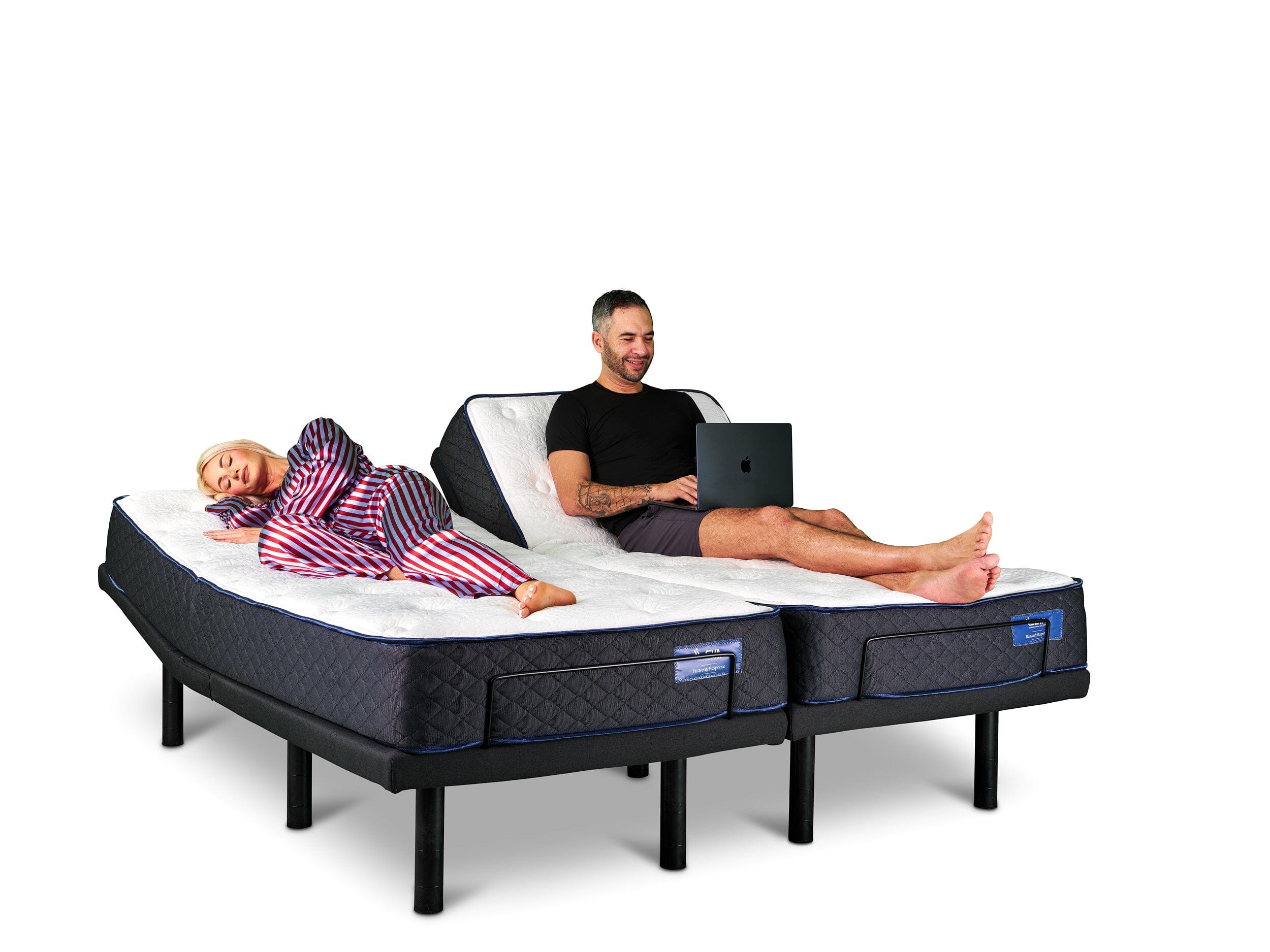
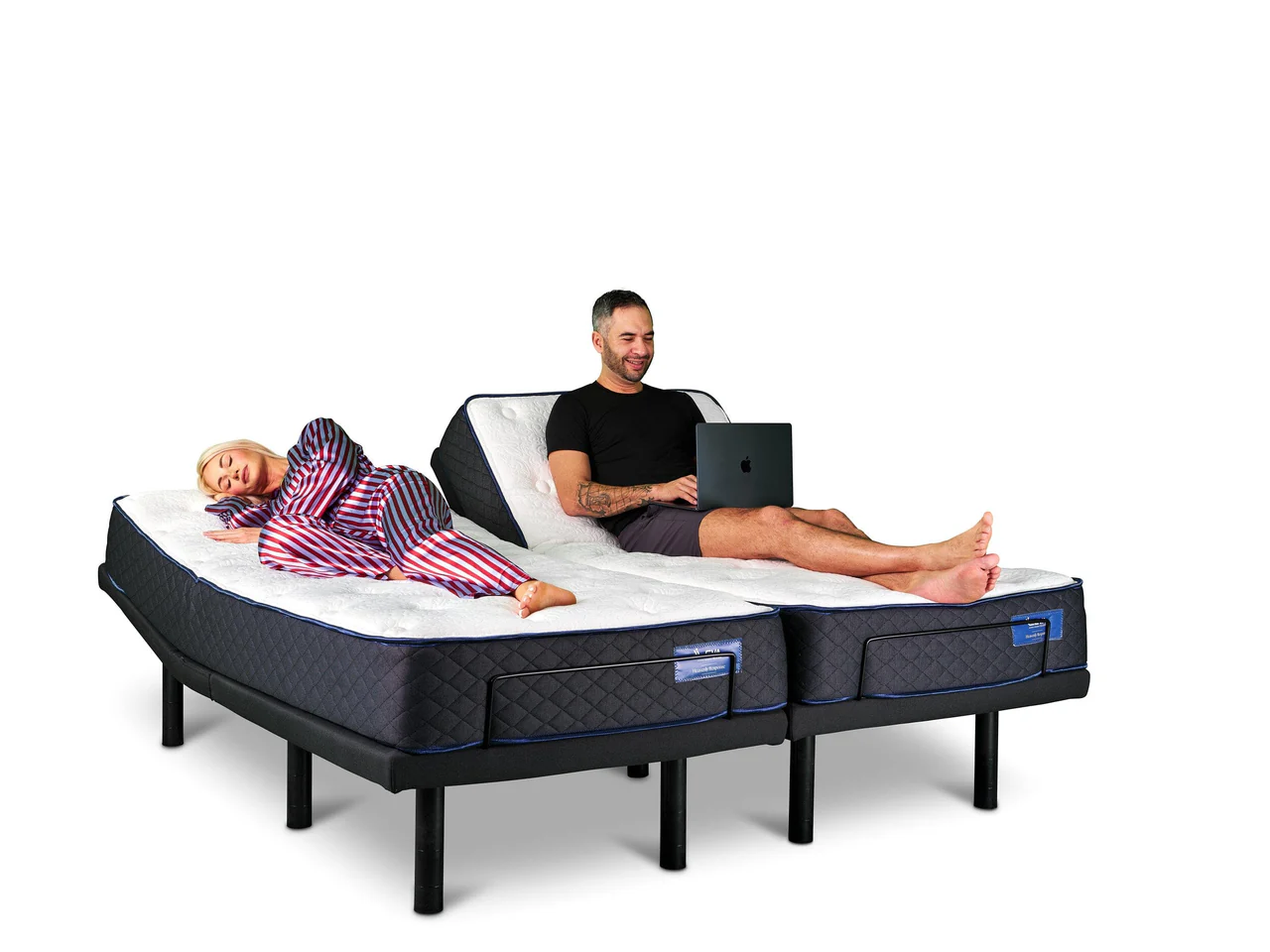
- Upgrade to Leva Sleep’s split adjustable systems for personalized elevation, anti-snore modes, and couple-friendly comfort that supports these habits.
1. Caffeine After Mid-Afternoon
Why late-day caffeine keeps you awake
Caffeine’s half-life averages 5-6 hours according to the National Institutes of Health (NIH), with effects typically lasting several hours depending on individual metabolism. An afternoon coffee at 2 p.m. still leaves meaningful caffeine in your system at bedtime. A 2023 systematic review analyzing 24 studies found that caffeinated coffee reduces total sleep time by 45 minutes and sleep efficiency by 7%.
The most reliable cutoff window is 6-8 hours before your intended bedtime. This timing matters even more for couples when one partner’s caffeine-driven restlessness disrupts the other’s sleep. Factors like age, metabolism, and liver function can extend caffeine’s impact well into the night.
Leva Sleep’s adjustable elevation systems help reduce discomfort during lighter sleep stages when caffeine keeps you more alert. Targeted elevation improves circulation and eases pressure points so you settle more easily. Whisper-quiet motors let you change positions without waking your partner if caffeine makes you toss and turn.
2. Blue Light from Screens
How evening screens delay your sleep
Light exposure shapes your internal clock, and blue light has the strongest effect on sleep timing. Blue light from phones, tablets, and televisions suppresses melatonin, the hormone that signals your body to fall asleep. Research consistently shows that screen use within one hour of bedtime delays sleep onset and reduces overall sleep quality.
The photoreceptors in your eyes read blue light as daytime and tell your brain to stay alert. This signal conflicts with your body’s natural push toward sleep. When one partner scrolls in bed, the shared light and stimulation can keep both people awake.
Create a one-hour digital sunset before bed. Dim room lights, enable blue light filters, or switch to paper books and other low-light activities. For couples, agree on a shared cutoff so the bedroom stays calm and screen-free.
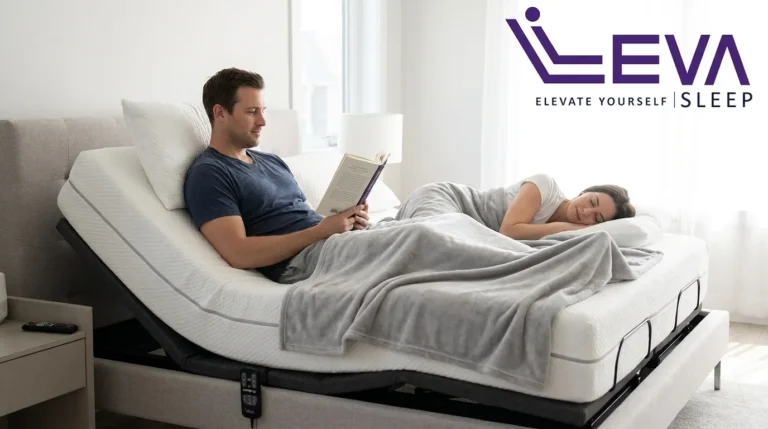
Leva Sleep’s app-controlled systems support this wind-down period with preset relaxation modes that gently shift your position as you unplug. Programmable settings let each partner build a personalized routine while still sharing the same bed and schedule.
3. Heavy or Spicy Meals Before Bed
How late meals trigger reflux and poor sleep
Gastroenterologists recommend stopping eating 3 hours before bedtime, because it takes about 4-5 hours for the stomach to empty a standard meal. When you lie down too soon after eating, stomach contents can move upward and trigger heartburn. Many adults with chronic acid reflux report frequent nighttime awakenings and unrefreshing sleep.
Research shows that people who eat dinner before 6 p.m. have significantly fewer reflux episodes than those who eat after 8 p.m. This timing matters even more when you look at what you eat. Spicy, fatty, and acidic foods increase acid production and relax the lower esophageal sphincter, which compounds the reflux risk created by late meals.
Leva Sleep’s head elevation features directly target reflux-related sleep disruption. Gradual, precise elevation keeps stomach acid from traveling upward while still feeling comfortable enough for long nights. For couples where only one partner has reflux, split adjustable bases let each person choose a different angle without affecting the other side.
Once you have consistent meal timing and lighter dinners, you can further protect your sleep with supportive positioning. Explore Leva’s reflux-relief positioning options to pair better habits with a more protective sleep setup.
4. Alcohol Close to Bedtime
Why nightcaps disrupt deep sleep
Alcohol suppresses REM sleep early in the night and triggers rebound awakenings later as it metabolizes. You may fall asleep faster after drinking, but your sleep becomes lighter and more fragmented. This pattern prevents the full restorative cycles your brain and body need.
Alcohol also relaxes upper airway muscles, which increases snoring and the risk of obstructive sleep apnea. A practical guideline is to avoid alcohol for at least 4 hours before bedtime so your body can process it. Experiment with longer alcohol-free windows and track how your sleep quality changes, especially if your partner notices louder snoring.
Leva Sleep’s anti-snore mode detects snoring and makes small head adjustments that help open the airway. The split base design keeps these movements on the snoring partner’s side only, so the other person can stay asleep without moving to a separate bed.
5. Intense Exercise Too Late
When workouts start to hurt your sleep
Evening workouts can support sleep when they are gentle, but intense sessions often do the opposite. Vigorous exercise raises core body temperature and increases cortisol, which interferes with the natural temperature drop that helps you fall asleep. This arousal extends beyond temperature changes, because high-intensity workouts also activate the sympathetic nervous system and keep you mentally wired.
Because both the thermal and hormonal effects take time to fade, experts suggest finishing intense exercise at least 3 hours before bed. Light stretching, slow yoga, or a short walk can still feel relaxing later in the evening. For active couples with different training schedules, planning workout times carefully prevents one partner’s post-gym energy from disrupting the other’s wind-down.
Leva Sleep’s leg elevation features support post-exercise recovery by improving circulation and easing muscle tension. Massage functions and lumbar support help your body shift from performance mode to rest. Split controls let each partner choose different recovery settings without compromise.
6. Stress and Work Emails
How mental load keeps your brain awake
Stressful emails, late-night work, and problem-solving keep your brain in alert mode. This mental load increases cortisol and activates the sympathetic nervous system, which directly opposes the calm parasympathetic state that supports sleep. Screen light from laptops and phones adds another layer by suppressing melatonin.
Create a mental wind-down routine that protects the last hour before bed. Put devices away, write a brief to-do list for tomorrow, and try relaxation techniques such as deep breathing or gentle stretching. Couples can agree on a work-free bedroom policy so both people enter the night with lower stress.
Leva Sleep’s preset relaxation modes combine gentle massage with supportive positioning to encourage full-body release. Adjustable lumbar support and personalized comfort settings help turn the bed into a calm retreat instead of an extension of the office. See how Leva’s stress-relief modes work as you build a more protective pre-sleep routine.
7. Hot Bedrooms Over 68°F
Why cooler rooms support deeper sleep
Your core body temperature naturally drops before sleep, and a hot bedroom can block this process. The ideal sleep temperature usually falls between 65°F and 68°F, although personal comfort varies within that range. Warmer rooms make it harder to reach deep sleep stages and can cause frequent awakenings.
Temperature often becomes a point of tension for couples. One partner may sleep best in a cool environment while the other prefers more warmth. Standard mattresses and blankets rarely solve this conflict, so both people end up compromising and sleeping less soundly.
Leva Sleep systems work with many cooling and heating pads and offer split controls so each side of the bed can feel different. This setup lets each partner create a personal microclimate while still sharing one mattress and frame.
Frequently Asked Questions
How long before bed should I avoid caffeine?
The 6-8 hour cutoff window reflects how long caffeine typically stays active in your system. As discussed in the caffeine section, individual metabolism varies, so some people need a longer buffer. Track your sleep and adjust your last-caffeine time until you find the window that gives you the easiest time falling and staying asleep.
Can adjustable beds fix snoring and reflux issues?
Yes, elevation can help both conditions by using gravity to reduce airway collapse and limit upward movement of stomach acid. Leva Sleep’s precise positioning controls allow small, comfortable changes that support breathing and digestion while you sleep.
What makes split adjustable beds better for couples?
Split bases give each partner independent control over elevation, firmness, and massage settings. This independence removes the usual trade-off between personal comfort and sharing a bed. Couples can address snoring, reflux, or back pain on one side without disturbing the other.
What’s the worst thing to eat before bed?
Heavy, spicy, or fatty meals cause the most disruption because they demand more digestive effort and increase acid production. As noted earlier, the 3-hour timing guideline matters most with these foods, since they raise the risk of reflux and nighttime discomfort.
When should I see a doctor about sleep issues?
Talk with a healthcare provider if you notice loud, persistent snoring, breathing pauses during sleep, or chronic insomnia that lasts more than a few weeks. Excessive daytime fatigue despite enough time in bed also deserves medical attention. These signs can point to sleep apnea or other conditions that need professional evaluation.
Reclaim Restorative Sleep Tonight
These seven evidence-based habits create a strong foundation for better sleep. Start with one or two changes, such as shifting caffeine timing or setting a digital sunset, then build from there. As you adjust your routine, pay attention to how your bedroom setup either supports or undermines your efforts.
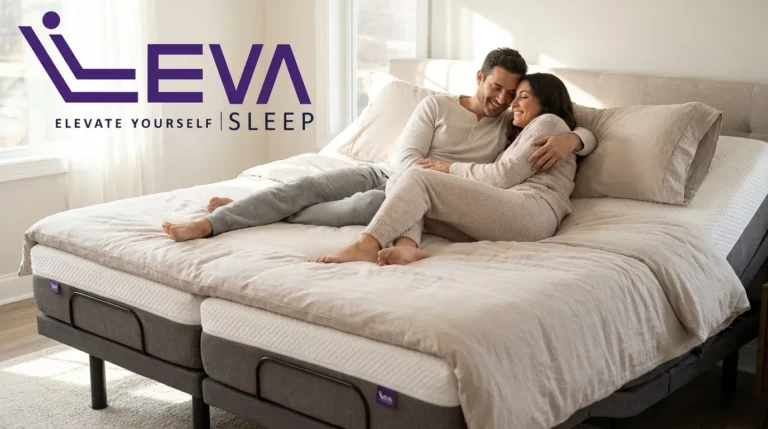
Leva Sleep’s split adjustable systems turn individual sleep goals into shared solutions for couples. Over 25,000 customers have used these systems to address snoring, reflux, and comfort differences while saving 30-50% compared with many luxury brands. Better sleep often leads to more energy, steadier health, and a calmer relationship.
Visit the La Jolla showroom or shop online to explore Leva Sleep solutions.