Written by: Matthew Timmins, Founder and Managing Director, Leva Sleep
Key Takeaways
- Snoring affects 40% of adults and often pushes couples into “sleep divorce,” with health risks such as hypertension and cardiovascular strain.
- Adjustable beds reduce snoring by elevating the head 30-45 degrees, which opens the airway and limits soft tissue collapse.
- Leva Sleep’s 2026 anti-snore technology detects snoring vibrations and adjusts bed position in real time using whisper-quiet motors.
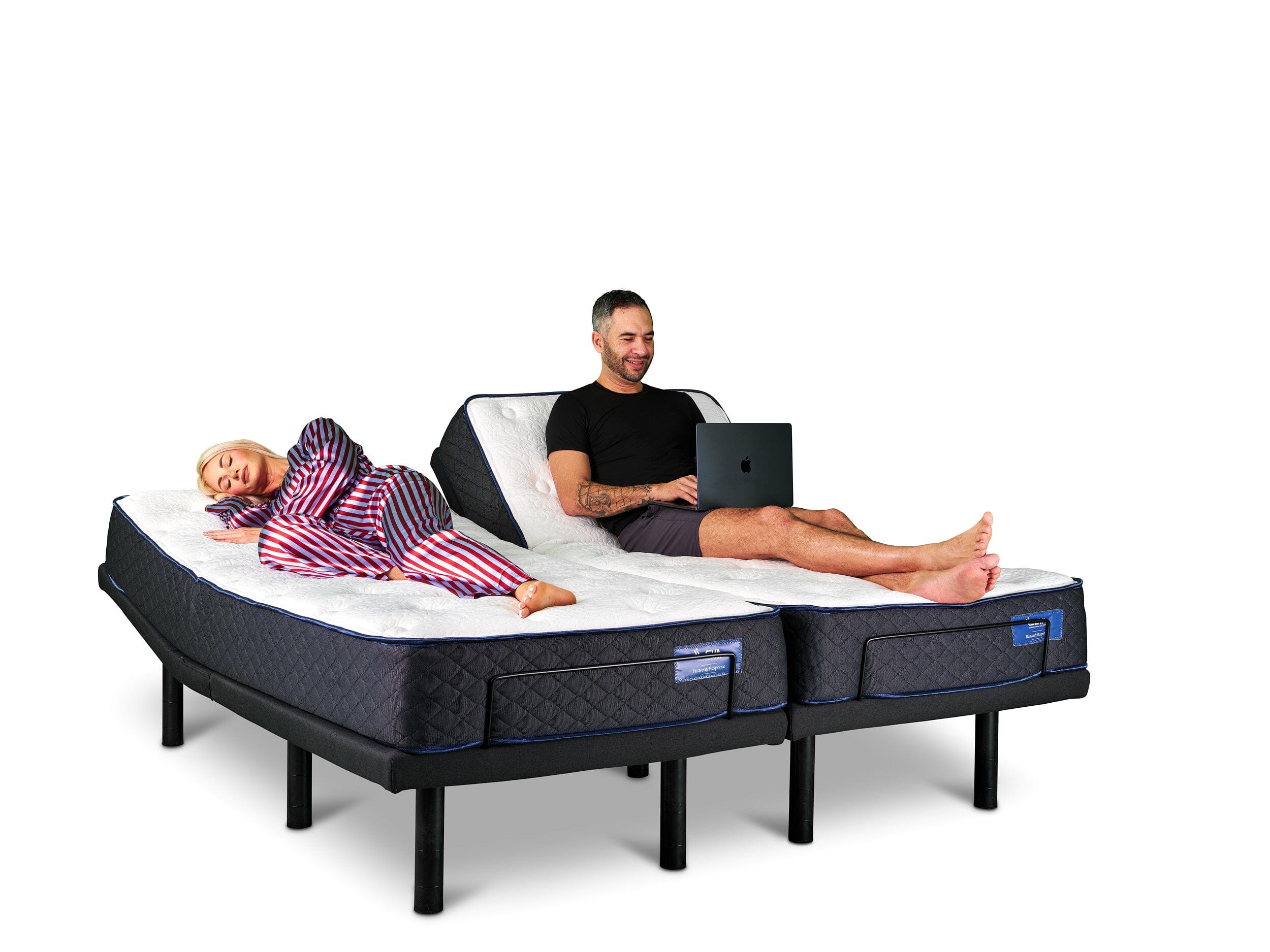
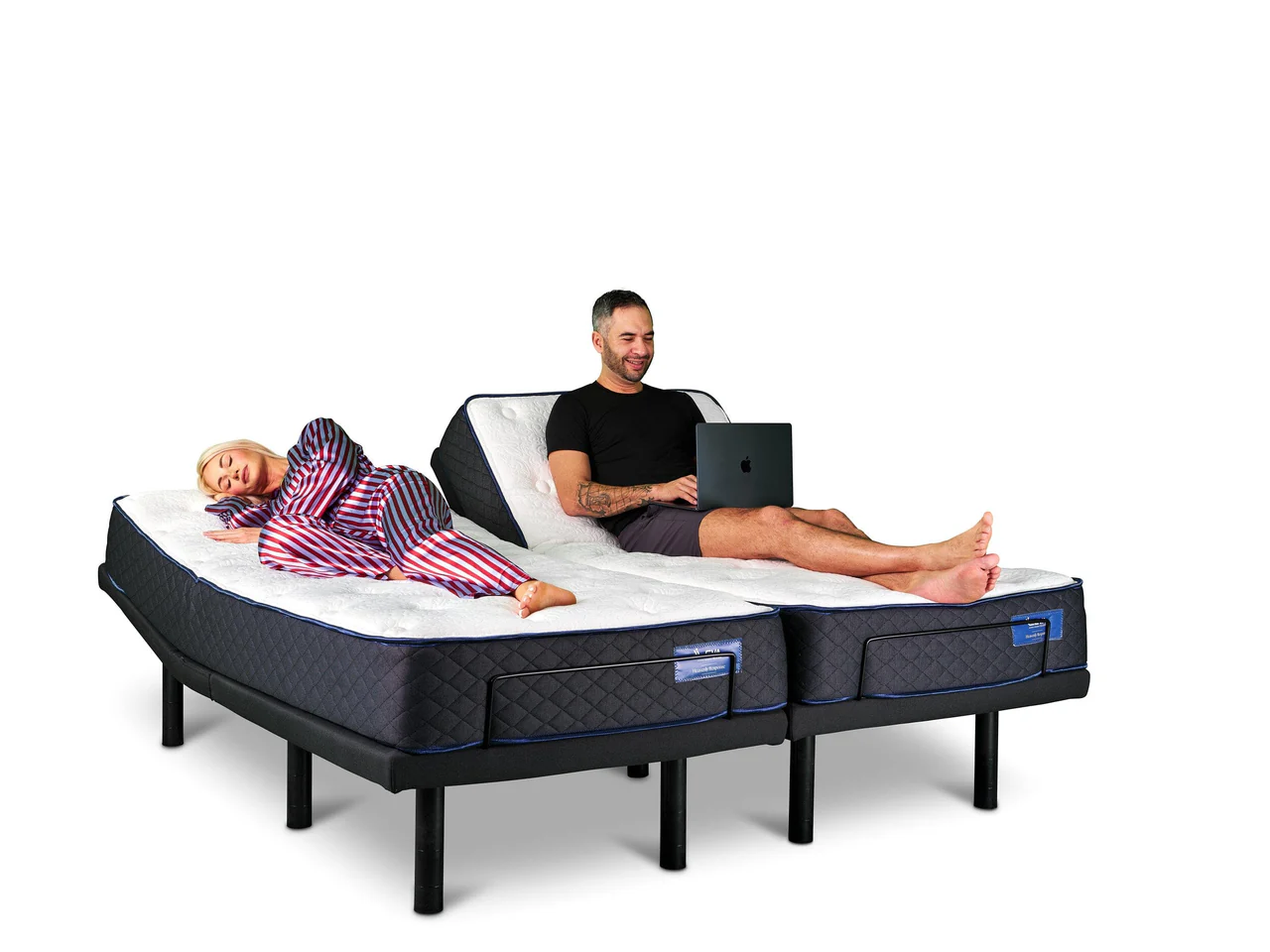
- Split Queen and King bases let one partner use anti-snoring elevation while the other stays flat, helping couples share a bed again.
- Leva Sleep delivers premium features at 30-50% less than many competitors, with white-glove delivery and setup; explore split-base options that help couples sleep together again.
The Problem: How Snoring Disrupts Sleep and Strains Relationships
Snoring creates a domino effect of sleep disruption that affects both partners. The snoring partner experiences fragmented sleep from frequent micro-awakenings. Their bed partner faces constant interruptions that block deep, restorative sleep cycles. Chronic sleep loss then contributes to elevated blood pressure, weaker immune function, and higher cardiovascular risk.
The relationship impact can feel just as serious. Studies indicate that snoring forces 18% of couples into separate beds, with many reporting resentment, frustration, and reduced intimacy. The snoring partner may feel guilt and anxiety about their condition. The affected partner can develop sleep anxiety and hypervigilance, listening for every sound at night.
Understanding what worsens snoring helps couples focus on practical changes that protect both sleep and connection.
Worst Sleep Positions for Snoring
Back sleeping creates the most problems for snorers. In this position, gravity pulls the tongue and soft palate backward, narrowing the airway and increasing vibration of soft tissues. Side sleeping usually reduces snoring intensity. Many people still roll onto their back during the night, which brings the problem right back.
Adjustable beds solve much of this positioning challenge by holding the head at a consistent elevation all night. Research on positional therapy shows that head elevation can reduce snoring episodes in positional snorers by keeping the airway more open.
The Solution: How Adjustable Beds Reduce Snoring
Adjustable beds reduce snoring by keeping the airway aligned in a healthier position. Head elevation limits the backward collapse of the tongue and soft palate. Zero-gravity positioning spreads body weight more evenly, which eases pressure on the diaphragm and supports smoother breathing.
Several specific features make adjustable beds especially effective for snoring relief:
- Anti-snore detection technology – Automated sensors respond to snoring onset with immediate head elevation adjustments.
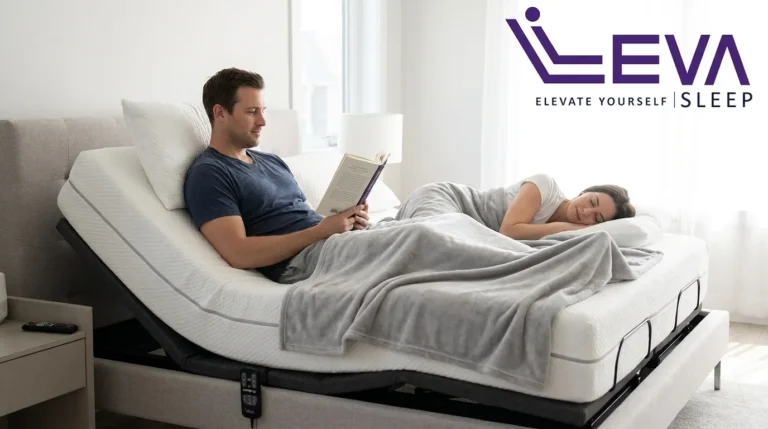
- Split base configurations – Independent controls let one partner elevate while the other remains flat, so each person keeps their preferred position.
- App-controlled precision – Fine-tuned controls help users dial in their most effective anti-snoring angle.
- Whisper-quiet motors – German-engineered motors move smoothly and quietly, so adjustments do not wake either partner.
- Specialized mattresses – US-made hybrid and foam mattresses built for adjustable bases stay comfortable and supportive at different angles.
Beyond snoring relief, these features also help people with mild positional sleep apnea. Adjustable beds can offer a non-invasive alternative for those who struggle with CPAP masks. The elevated position supports airway openness and may reduce symptoms for some users. People with moderate or severe sleep apnea should still work with their physician before changing prescribed treatments.
Find your ideal Split Queen setup for targeted snoring relief and feel how specialized engineering changes nightly sleep.
Why Leva Sleep Stands Out for Snoring Relief
Leva Sleep focuses specifically on adjustable beds, with eight years of innovation and more than 25,000 customers. General mattress retailers often treat adjustable bases as accessories. Leva Sleep designs every component around adjustable sleep, from frames to mattresses to controls.
The company’s 2026 anti-snore technology delivers automated, intelligent intervention. The system continuously tracks snoring patterns and makes small head-elevation changes that often stop snoring before it becomes loud. It connects directly with Leva’s app-controlled bases, so couples can set sensitivity levels and choose how quickly the bed responds.
Leva Sleep’s split base designs address the real-world needs of couples. Split Queen and Split King models provide independent controls on each side. One partner can use anti-snoring elevation while the other stays flat or chooses a different angle. This flexibility removes the compromise that pushes many couples into separate rooms.
| Feature | Leva Sleep | Tempur-Pedic | Ergomotion |
|---|---|---|---|
| Price Savings vs Premium | 30-50% Less | Premium Pricing | Comparable |
| Split Options Available | Yes (Queen & King) | Yes | Yes |
| Anti-Snore Detection | Yes (2026 Technology) | Detects snoring using sensors | Yes (smart sensors) |
This pricing advantage comes from Leva Sleep’s vertical integration. The company controls design, manufacturing, and delivery instead of relying on multiple middlemen. Savings flow directly to customers while still including white-glove delivery across Southern California. Trained technicians handle setup, height adjustments, and removal of the old bed.
Specialization also shows in the product lineup. Leva Sleep offers 15-20 adjustable models, while many general retailers stock only 3-5. This wider range makes it easier to match features to specific needs, whether the priority is snoring relief, back support, or cooler sleep.
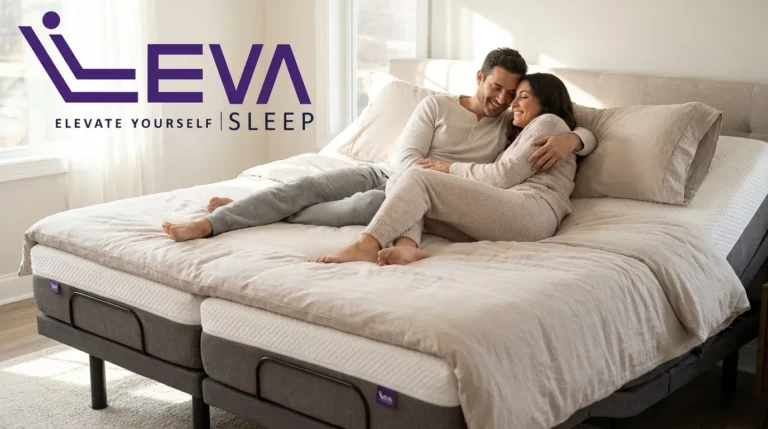
Customer stories often focus on relationship repair. Couples describe moving back into the same bedroom after years apart. Both partners report deeper sleep, fewer awakenings, and less daytime fatigue.
Compare Leva models and arrange white-glove delivery for your home to start with a setup tuned for your bedroom.
Maximizing Your Leva Anti-Snoring Results
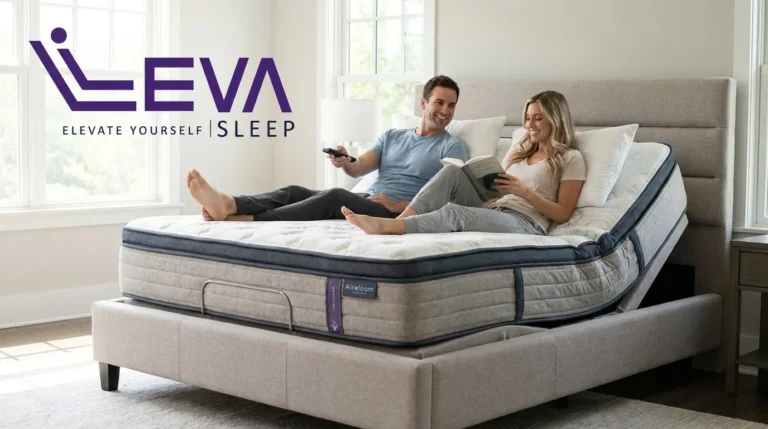
Most people see strong snoring reduction when they elevate the head 30-45 degrees while keeping the spine neutral. Side sleeping with this modest elevation often works best. This position opens the airway and limits tongue movement toward the back of the throat.
Queen Adjustable Bed for Snoring: Setup and Lifestyle Tips
Regular care keeps an adjustable bed performing at its peak for snoring relief. Keep motors clean and properly lubricated. Check that the mattress sits correctly on the base and moves freely through its full range. Calibrate sensors as recommended so detection sensitivity stays accurate over time.
Equipment setup is only part of the picture. Bedding choices also affect comfort and performance. Sheets and protectors designed for elevated positions stay in place during movement and reduce bunching, which helps you maintain your ideal angle all night.
Healthy daily habits then amplify these mechanical benefits. Maintaining a healthy weight reduces extra tissue around the airway that can vibrate and block airflow. Avoiding alcohol close to bedtime prevents excessive muscle relaxation in the throat that worsens snoring. Staying well hydrated keeps throat tissues from becoming sticky and more likely to vibrate loudly.
Frequently Asked Questions
Do adjustable beds help with snoring?
Adjustable beds can significantly reduce snoring by raising the head and supporting better airway alignment. Elevation limits soft tissue collapse that creates snoring sounds. Many Leva Sleep customers report a 50% or greater drop in snoring episodes when they use consistent, effective positioning.
What adjustable bed detects snoring?
Leva Sleep’s 2026 anti-snore technology includes advanced detection features that watch for snoring patterns and adjust the bed automatically. Sensitive vibration sensors and sound analysis identify early snoring signs and respond with gentle head elevation.
Can adjustable beds replace CPAP machines for sleep apnea?
Some people with mild positional sleep apnea find that adjustable beds provide enough airway support to ease symptoms. Anyone with diagnosed sleep apnea should talk with their physician before changing prescribed therapy. Adjustable beds often work best as a complementary tool or for people who cannot tolerate CPAP devices.
Are adjustable beds good for couples with different sleep needs?
Split adjustable beds work very well for couples with different comfort preferences. Leva Sleep’s Split Queen and Split King models let each partner control elevation, firmness, and massage on their own side. Couples stay close physically without sacrificing individual comfort.
Do adjustable beds make noise during position changes?
Quality adjustable beds use quiet motors that move with minimal sound. Leva Sleep relies on German-engineered motors built specifically for bedroom use. Automatic anti-snore adjustments stay smooth and quiet so they do not disturb either partner.
Conclusion: Bring Quiet, Restful Nights Back Home
Adjustable beds offer one of the most effective non-medical approaches to snoring-related sleep disruption. Leva Sleep’s systems combine 2026 anti-snore technology with split configurations that respect each partner’s needs. Proven positioning therapy, smart automation, and couples-focused design work together to reduce snoring and help end sleep divorce.
Schedule a showroom visit or start browsing Leva’s 2026 anti-snore systems online to experience these changes for yourself.