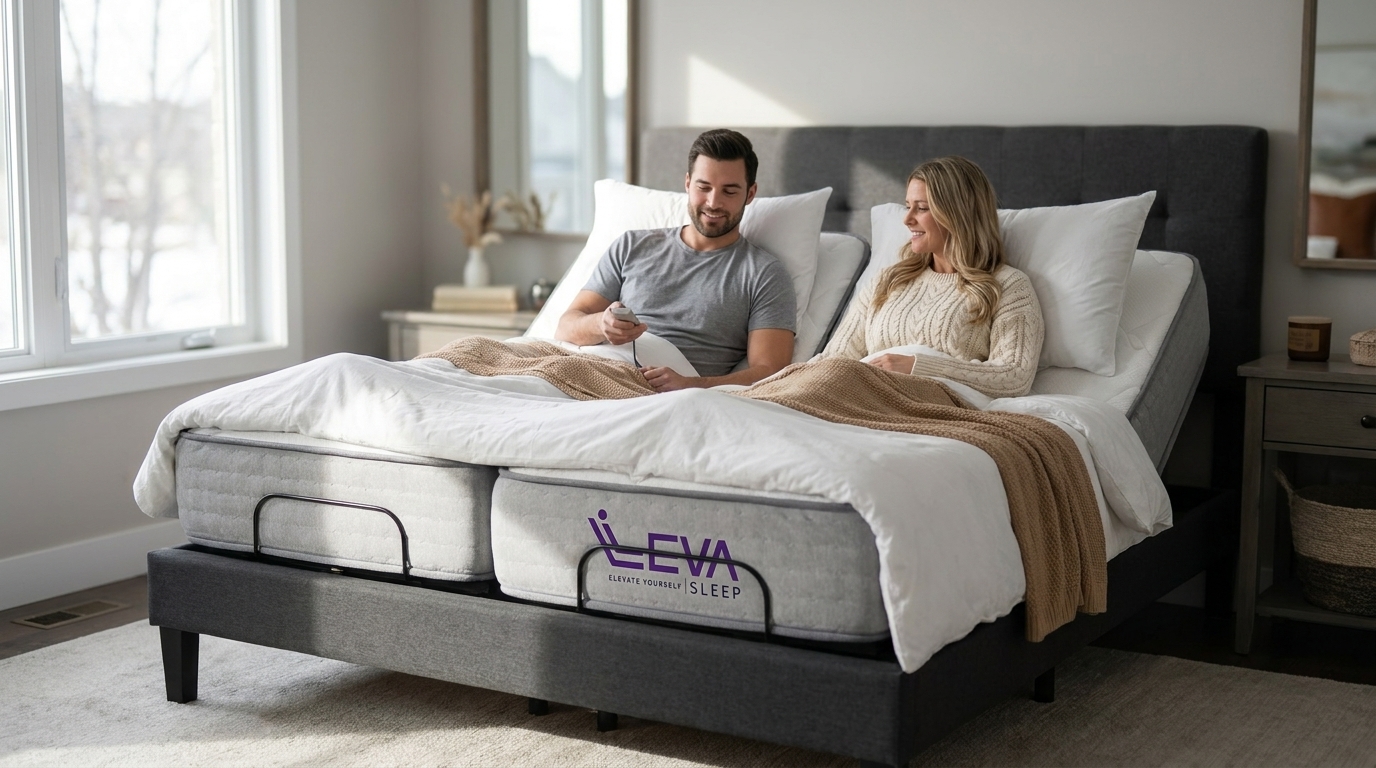
Written by: Matthew Timmins, Founder and Managing Director, Leva Sleep
Key Takeaways for Back Pain Relief
- Adjustable beds with zero-gravity positioning reduce spinal pressure and support alignment for chronic back pain relief.
- Leva Sleep leads the 2026 rankings with split configurations, independent lumbar control, and quiet German-engineered motors.
- Competitors like Sleep Number and Saatva provide basic elevation but often lack app controls, pillow tilt, and deeper customization.
- Doctors recommend adjustable beds for conditions such as sciatica, with zero-gravity presets helping lumbar disc decompression.
- Upgrading to Leva Sleep’s split adjustable base supports couple-friendly pain relief and more restorative sleep.
Quick Preview: 7 Top Adjustable Beds for Back Pain in 2026
- #1 Leva Sleep Split Adjustable Base: Independent lumbar control, quiet German motors, app presets, upcoming anti-snore mode
- #2 Sleep Number: Dual-air technology with elevation, limited split customization
- #3 Saatva: Premium materials with basic adjustability, higher price point
- #4 Leggett & Platt: Industry-standard features, louder operation
- #5 Ghostbed: Budget-friendly option with single-side control
- #6 Tempur-Pedic: Premium brand recognition, limited split options
- #7 Purple: Innovative materials, basic adjustment features
These quick snapshots give you a sense of how each brand approaches back pain relief. The detailed breakdowns below explain which features matter most when you live with chronic pain.
Why Doctors Recommend Adjustable Beds for Back Pain
Medical professionals increasingly recommend adjustable beds for people with chronic back pain, especially those with lower back discomfort and sciatica. Physical therapists often suggest a zero-gravity position, where the head is elevated 6 to 8 inches and the knees sit above heart level, to reduce pressure on the lumbar spine and improve circulation.
This elevation helps decompress spinal discs and can ease inflammation that worsens when you lie completely flat. People with herniated discs or spinal stenosis gain extra relief from the ability to fine-tune positions throughout the night. Leva Sleep’s app-controlled presets make these medically recommended positions easy to reach and repeat.
The 7 Best Adjustable Beds for Chronic Back Pain Relief
#1 Leva Sleep Split Adjustable Base
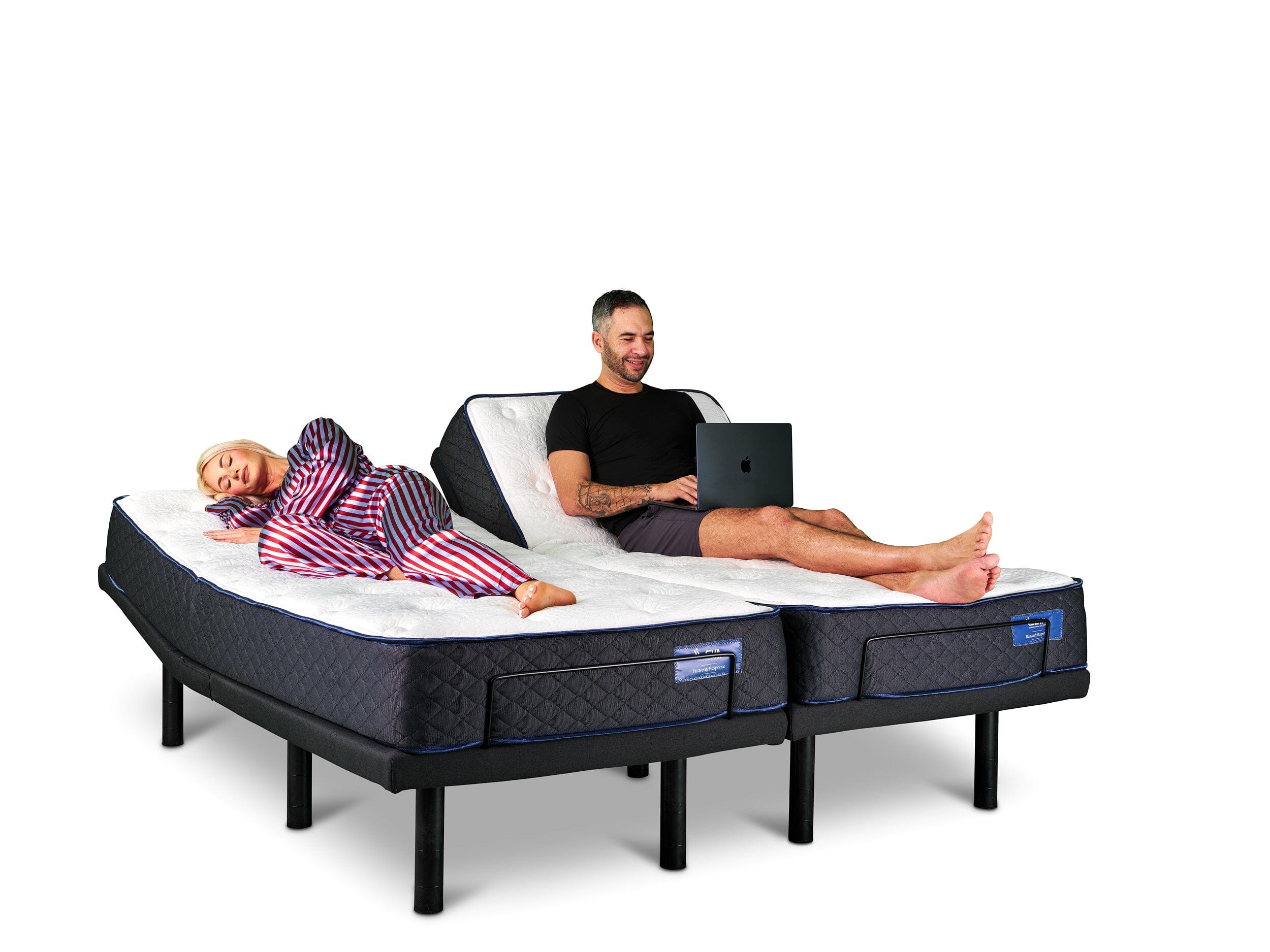
Leva Sleep ranks first for chronic back pain relief because it focuses on both individual comfort and couple dynamics. The system includes independent lumbar control for precise lower back support, pillow tilt motors for better head positioning, and app controls that move you into zero-gravity for maximum spinal decompression.
The quiet German motors keep adjustments from waking a sleeping partner, and the split configuration lets each side of the bed move independently. An upcoming anti-snore mode, planned for spring 2026, will detect snoring and make small head adjustments to open the airway. Paired with American-made Airloom mattresses, this setup often delivers 30 to 50 percent savings compared to similar Tempur-Pedic combinations.
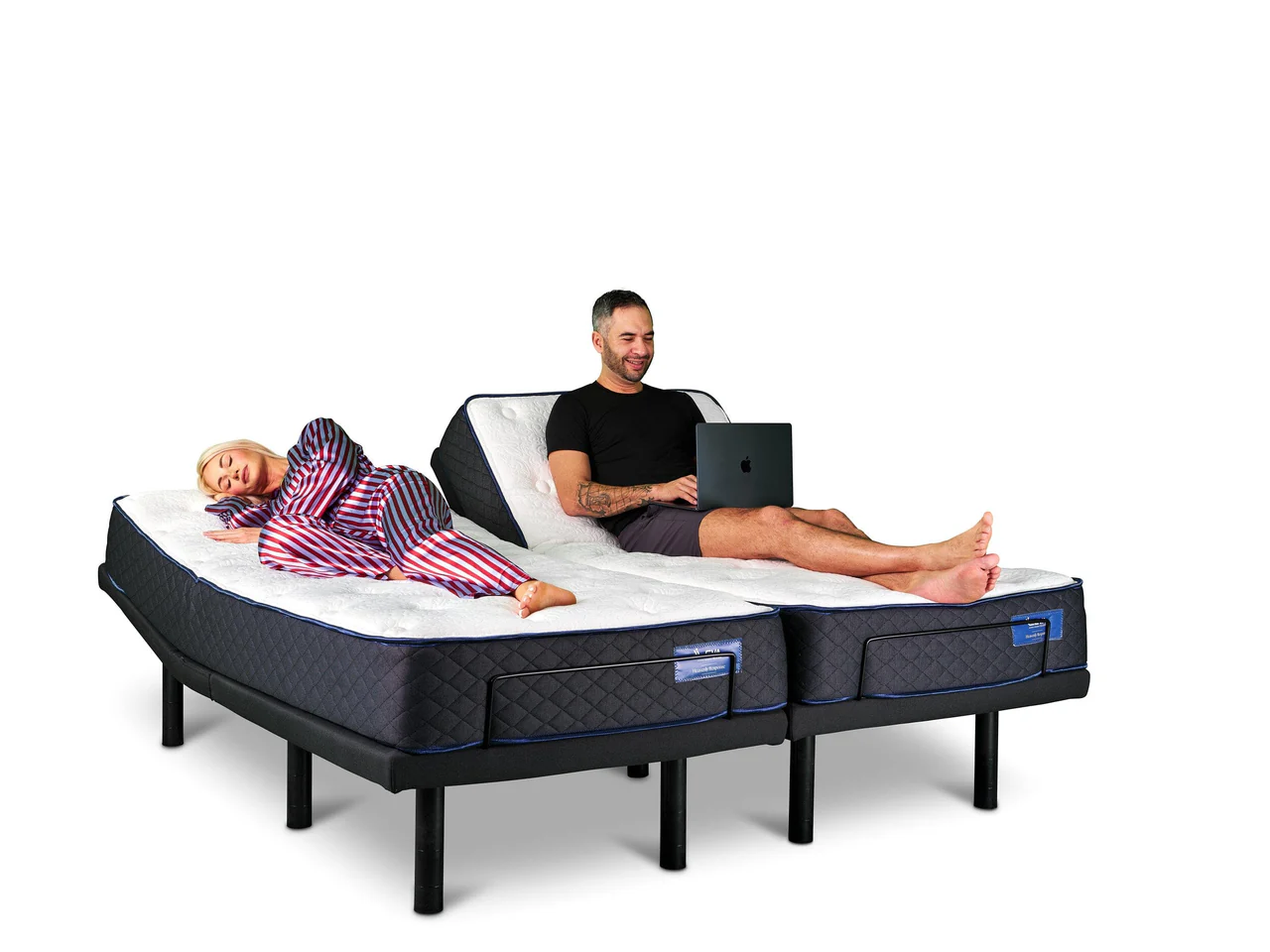
The table below shows how Leva Sleep compares with typical competitors on the features that matter most for chronic back pain relief.
| Feature | Leva Sleep | Typical Competitor |
|---|---|---|
| Split Configuration | Yes | Limited |
| Lumbar Support | Independent Control | Basic/None |
| Motor Noise | Very Quiet | Moderate to Loud |
| App Control | Full Features | Basic/None |
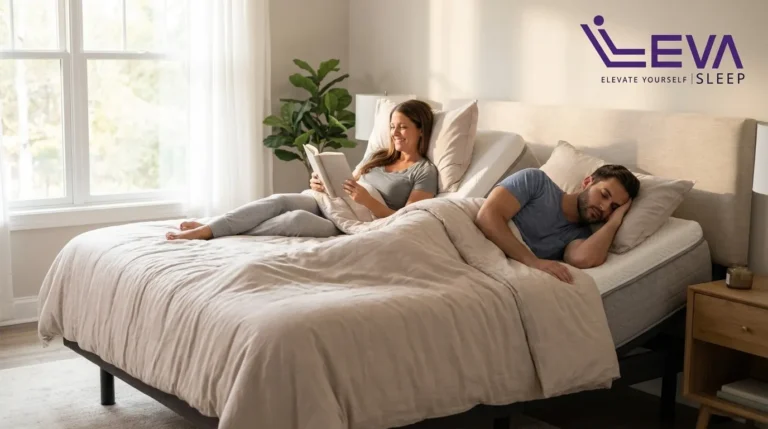
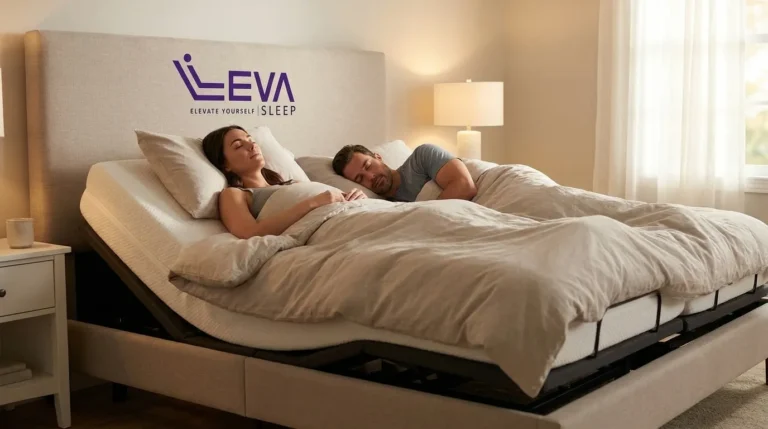
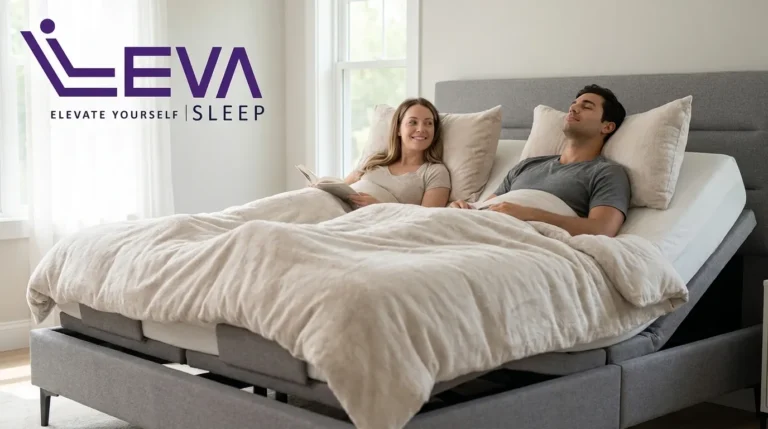
Couples dealing with “sleep divorce” from one partner’s back pain or snoring often find relief with this split system. Each person can choose a different position without forcing compromise, and white-glove delivery ensures correct setup and height adjustment for better therapeutic results.
#2 Sleep Number
Sleep Number adjustable bases pair the brand’s dual-air technology with head and foot elevation. Each side of the bed can change firmness, while basic elevation helps reduce some back pressure. Many chiropractors point to the zero-gravity setting on Sleep Number bases as a helpful option for lower back pain.
Sleep Number still focuses more on air-based firmness than on detailed positioning for chronic pain. Split functionality feels limited compared with specialty adjustable bed brands, and the bases do not include independent lumbar control or pillow tilt.
| Pros | Cons |
|---|---|
| Established brand recognition | Limited split adjustability |
| Dual-air firmness control | Higher price for full features |
| Basic elevation features | Emphasis on firmness over positioning |
#3 Saatva
Saatva adjustable bases offer premium materials and sturdy construction with head and foot elevation. The brand extends its luxury focus to these bases, which include quiet motors and wireless remotes. For people with back pain, Saatva provides the core zero-gravity positioning that can ease spinal pressure.
Saatva still operates mainly as a traditional mattress company that adds adjustable bases as accessories. This approach results in fewer pain-focused features and less specialization in chronic pain needs than dedicated adjustable bed manufacturers provide.
| Pros | Cons |
|---|---|
| Premium build quality | Limited pain-specific features |
| Quiet operation | Higher cost for the feature set |
| Luxury brand reputation | Basic split functionality |
#4 Leggett & Platt
Leggett & Platt manufactures many of the adjustable mechanisms used across the industry, so their own bases offer reliable elevation and standard lumbar support. These systems cover the fundamentals for back pain relief, including head and foot elevation with common preset positions.
The main trade-offs involve refinement and noise. Many Leggett & Platt bases operate with more motor sound than premium alternatives such as Leva Sleep. The user experience also feels simpler, with fewer app features and less customization for people managing chronic pain. Compare motor noise levels in person at the Leva Sleep La Jolla showroom.
| Pros | Cons |
|---|---|
| Industry standard reliability | Louder motor operation |
| Basic lumbar support | Limited advanced features |
| Widespread availability | Less refined user experience |
#5 Ghostbed
Ghostbed adjustable bases prioritize affordability while still offering essential elevation for back pain. Head and foot adjustments with simple presets make these bases appealing for people who want entry-level benefits at a lower price.
The lower cost comes with clear limits for chronic pain management. Most Ghostbed bases do not include split configurations, so couples must share one position. Motor noise and overall build quality match the budget price and may bother light sleepers.
| Pros | Cons |
|---|---|
| Affordable pricing | No split configuration |
| Basic elevation features | Louder motor operation |
| Simple operation | Limited customization |
#6 Tempur-Pedic
Tempur-Pedic adjustable bases build on the brand’s strong reputation with solid construction and dependable elevation. These bases pair well with Tempur-Pedic memory foam mattresses, which can enhance pressure relief when used in a zero-gravity position.
The high price often does not bring more advanced base features than those from specialists such as Leva Sleep. Split options remain limited, and the brand focuses more on mattress technology than on detailed base functionality for chronic pain. Many shoppers pay a cost premium without gaining extra positioning benefits.
| Pros | Cons |
|---|---|
| Premium brand recognition | Very high pricing |
| Quality construction | Limited split functionality |
| Mattress integration | Emphasis on brand over features |
#7 Purple
Purple adjustable bases support the brand’s gel grid mattresses with straightforward elevation. This pairing can ease pressure points for back pain sufferers by combining Purple’s cooling, flexible grid with adjustable positioning.
Purple still shines more in mattress innovation than in base technology. The bases do not include app control, independent lumbar support, or advanced split features that many people with chronic pain find helpful.
| Pros | Cons |
|---|---|
| Innovative mattress pairing | Basic adjustment features |
| Cooling properties | No app control |
| Unique support system | Limited lumbar options |
Best Sleep Positions and Common Downsides of Adjustable Beds
The most helpful position for lower back pain usually combines slight head elevation with raised knees to maintain the spine’s natural curve. This zero-gravity setup reduces pressure on lumbar discs and supports healthier blood flow. Side sleepers often gain extra comfort from pillow tilt features that keep the neck aligned while the spine stays neutral.
Common downsides of adjustable beds include motor noise during adjustments, which can wake light sleepers during position changes. Leva Sleep addresses this with very quiet German-engineered motors that keep movement smooth and discreet. Another concern involves mattress compatibility, because not every mattress flexes correctly on an adjustable base. Leva Sleep offers specialized mattress designs that bend properly and maintain durability over time. Many people also struggle with the learning curve of finding the right positions. Leva Sleep’s preset options reduce this trial and error by providing medically informed configurations at the touch of a button. Schedule a sleep consultation to find your ideal positioning.
Frequently Asked Questions
Do doctors recommend adjustable beds for back pain?
Yes. Many doctors and physical therapists recommend adjustable beds for chronic back pain. Elevating the head and legs helps decompress the spine, reduce pressure on lumbar discs, and support better circulation. As described earlier, the zero-gravity position can significantly reduce nighttime pain and improve sleep quality for people with spinal conditions.
What is the best adjustable bed for couples with back pain?
Leva Sleep split adjustable bases work especially well for couples managing back pain. Independent controls on each side let both partners choose their own position without disturbing the other. Quiet motors, app controls, and independent lumbar support help each person reach a therapeutic setup while maintaining harmony in the bedroom.
Are adjustable beds better than flat beds for chronic pain?
Adjustable beds usually provide more relief than flat beds for chronic pain. Elevating different parts of the body reduces pressure points, improves spinal alignment, and allows position changes through the night. Flat beds keep the spine in one static posture, which can increase pain, while adjustable beds support more comfortable, healing-focused positions.
What are the main downsides of adjustable beds?
Traditional adjustable beds often struggle with motor noise, limited mattress compatibility, and complex setup. Modern systems such as Leva Sleep reduce these issues with quiet motors, specially designed mattresses, and professional white-glove installation. The upfront cost is higher than a flat bed, yet many chronic pain sufferers find the long-term sleep and pain relief benefits worth the investment.
What is the best sleep position for lower back pain on an adjustable bed?
The zero-gravity position described in the medical section usually provides the most consistent relief for lower back pain. Slight head elevation and raised knees above heart level reduce lumbar pressure and help decompress spinal discs. Leva Sleep app presets make it simple to return to this position every night.
Wake Pain-Free: Start with the #1 Adjustable Bed for Back Pain
The most effective adjustable bed for chronic back pain in 2026 combines advanced positioning, couple-friendly controls, and quiet operation. Leva Sleep stands out by focusing on the specific needs of pain sufferers while also supporting partners through split configurations and intuitive app control.
With more than 25,000 customers and eight years of experience in adjustable sleep systems, Leva Sleep offers a complete approach to restorative sleep. German-engineered motors, independent lumbar control, and upcoming anti-snore technology create a powerful environment for pain relief and recovery. Start your pain-free sleep journey with Leva Sleep today.