Written by: Matthew Timmins, Founder and Managing Director, Leva Sleep
Key Takeaways for Couples
- Snoring disrupts millions of couples, often causing exhaustion and “sleep divorce,” so couple-friendly anti-snoring devices matter for shared beds.
- Leva Sleep Split Adjustable Bases lead this list with independent controls, ultra-quiet motors, and an upcoming 2026 auto anti-snore mode for both partners.
- Wearables like Smart Nora, mouthpieces (ZQuiet, ProSomnus), nasal strips, and chin straps offer targeted relief but lack split controls and full-body comfort for couples.
- Adjustable beds improve sleep for both partners at once and avoid nightly wear, mouth discomfort, or interference with intimacy.
- Reclaim shared sleep harmony with Leva Sleep’s split bases, trusted by 25K+ users for snoring reduction and supportive positioning.
Top 7 Anti Snoring Devices for Couples to Consider
- 1. Leva Sleep Split Adjustable Bases
- 2. Smart Nora
- 3. ProSomnus EVO Mouthpiece
- 4. ZQuiet
- 5. Breathe Right Nasal Strips
- 6. Chin Straps
- 7. Tempur-Pedic Adjustable Base
The table below compares how these devices perform on the criteria that matter most for couples: whether both partners can control their side independently, what sets each option apart, and what real users and reviewers report.
| Device | Couple Suitability | Key Features | Reported Feedback |
|---|---|---|---|
| Leva Sleep Split Base | Split Controls: Yes | Auto Anti-Snore Mode | 25K+ Users |
| Smart Nora | Split Controls: No | Pillow Insert Detection | Partner-Friendly |
| ZQuiet | Split Controls: N/A | Living Hinge Design | 91/100 MedGrade |
| ProSomnus EVO | Split Controls: N/A | Custom 3D-Milled | 93/100 MedGrade |
| Nectar Adjustable | Split Controls: Yes | Basic Elevation | Limited Features |
Evaluating Anti Snoring Devices for Couples
1. Leva Sleep Split Adjustable Bases for Shared Beds
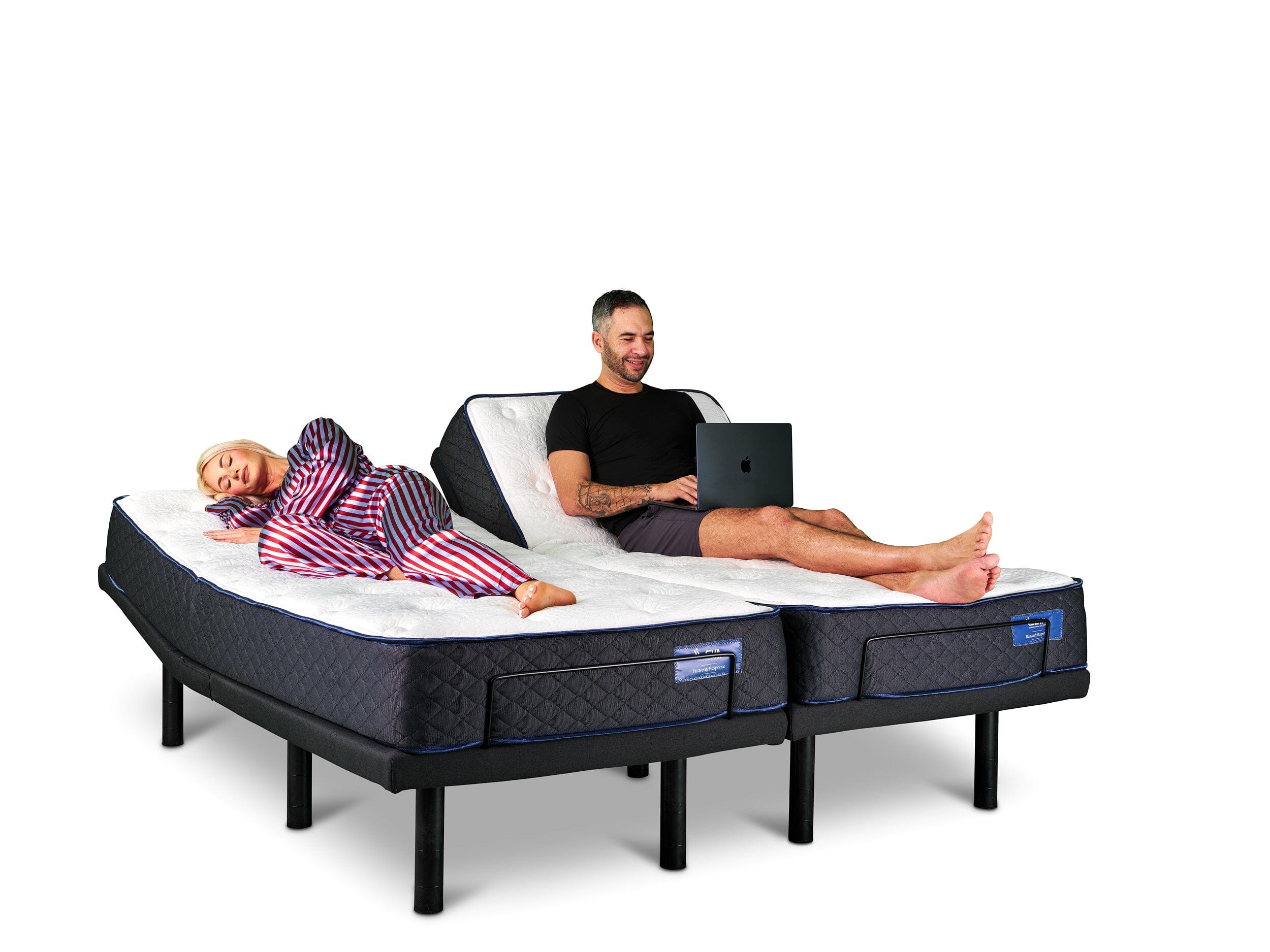
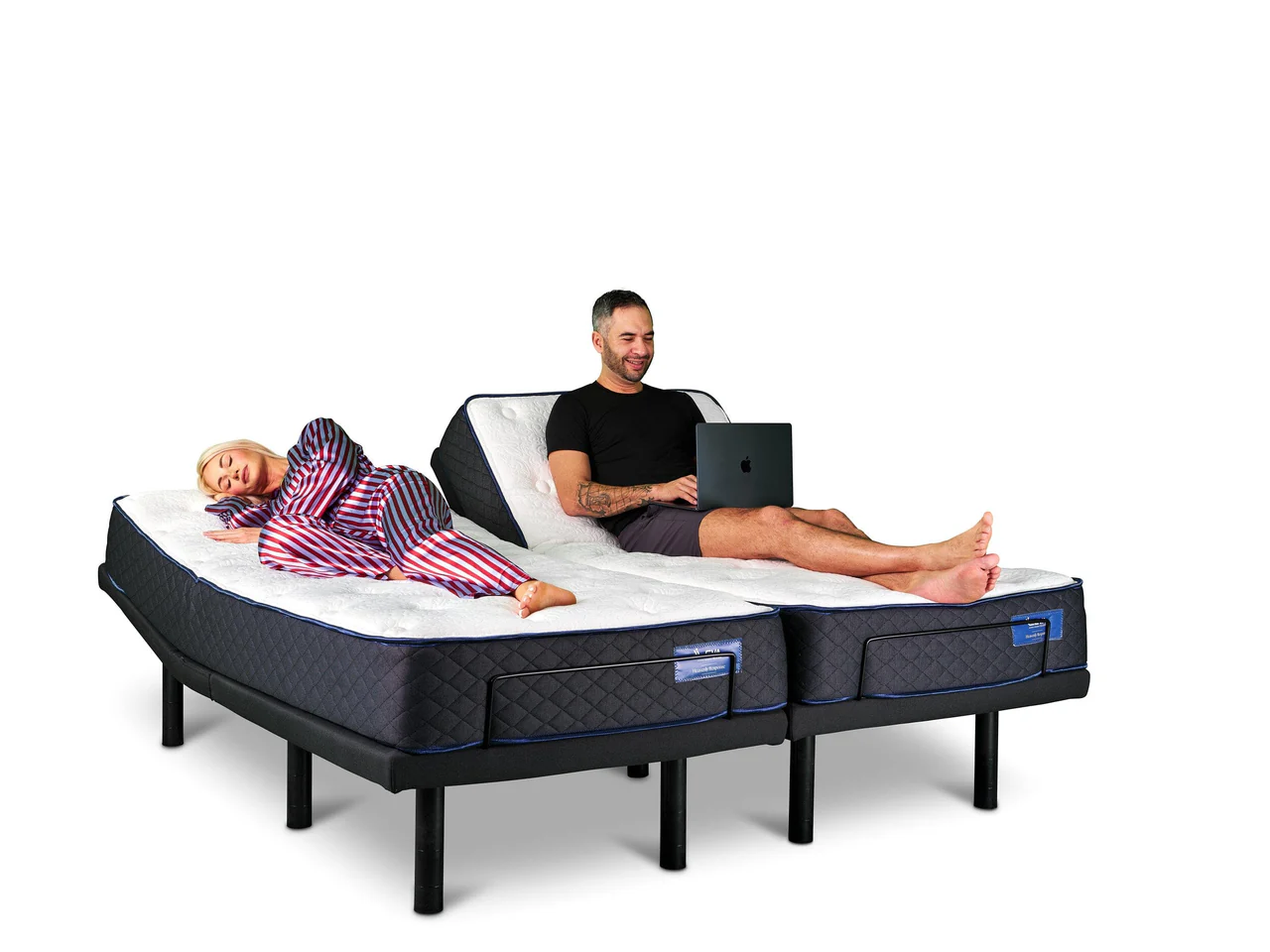
Leva Sleep’s Split Adjustable Bases provide the most comprehensive anti-snoring solution for couples in 2026. Each side of the bed has independent controls, so one partner can use anti-snoring elevation while the other keeps a preferred position. The upcoming 2026 anti-snore mode uses advanced detection technology to make automatic micro-adjustments when snoring starts, gently raising the head to open airways without waking either partner.
Quiet German motors keep adjustments smooth and discreet, which addresses a common worry about motorized beds disturbing the non-snoring partner. This quiet operation works together with split Queen and King configurations to give each partner true independence. These advantages help explain why Leva Sleep has over 25,000 satisfied customers and 8 years of experience while still offering 30–50% savings compared to many premium competitors. The system also includes mattresses and bedding designed for adjustable bases, so comfort stays consistent even with higher elevation angles.
2. Smart Nora for Non-Wearable Pillow Support
Smart Nora offers a non-wearable approach that focuses on the pillow instead of the mouth or nose. Its Pebble bedside microphone detects snoring and triggers a connected pillow insert to gently inflate, shifting the head and neck to reopen the airway. Priced at $499.00 CAD, this one-size-fits-all system works without requiring the snorer to wear a device, which helps couples when one partner refuses mouthpieces or other wearables.
The system works well for loud or frequent snorers whose noise keeps their partner awake. However, it does not offer independent controls for each side of the bed and does not suit people diagnosed with obstructive sleep apnea. The device also needs a power source and cannot match the full-body positioning and comfort benefits that adjustable bed elevation provides.
For couples who find pillow-based solutions too limited, mouthpieces provide a more direct way to reposition the jaw and keep airways open.
3. ProSomnus EVO Mouthpiece for Targeted Snoring Control
The ProSomnus EVO Sleep and Snore Device represents the premium mouthpiece category, earning a 93/100 overall rating from MedGrade with 98% snoring reduction and 96% partner-reported improvement in shared sleep quality. This FDA-cleared device uses fully personalized 3D-milled construction and requires professional dental impressions for a precise fit.
ProSomnus EVO can work extremely well for individual snoring reduction, yet it introduces tradeoffs for couples. Mouthpieces can feel intrusive during intimate moments and may limit natural jaw movement while sleeping. The cost of about $1,800 and the prescription requirement also create barriers, although Medicare and private insurance may reimburse some patients. Couples who care more about full-body comfort, flexible positions, and shared benefits often find adjustable beds more practical than a single-user mouthpiece.
Couples comparing mouthpieces to adjustable beds can test how elevation feels by visiting a showroom or exploring detailed product demos. See how Leva Sleep’s split adjustable bases stack up against mouthpieces at the La Jolla showroom or online.
4. ZQuiet for Budget-Friendly Mouthpiece Support
ZQuiet’s Anti-Snoring Mouthpiece offers an accessible entry point for couples who want a lower-cost oral device. Its patented “Living Hinge” allows talking, drinking, and more natural jaw movement and holds a 91/100 MedGrade rating. The ready-to-use design requires no molding, so couples can try it immediately. The ZQuiet Anti-Snoring Mouthpiece 2-Size Starter Pack costs $59.95, which creates strong value compared to custom devices.
The thin, lightweight profile and FDA-cleared materials support safety and comfort, and the two advancement levels allow some adjustment. However, ZQuiet does not offer sub-millimeter titration and does not suit denture wearers or people missing several teeth. Many users also experience initial jaw soreness and extra salivation, which can affect sleep quality during the first nights.
5. Breathe Right Nasal Strips for Mild Congestion Snoring
Breathe Right Nasal Strips give couples a low-cost, non-invasive option for mild snoring caused by nasal congestion. These adhesive strips physically open nasal passages and improve airflow without any oral devices or changes to the bed. The strips work immediately and do not interfere with normal sleep positions or intimacy.
Nasal strips only help when snoring stems from nasal obstruction, so they do not address more common tongue-based or positional snoring. Each strip is single-use and requires nightly replacement, which adds ongoing cost and effort. The adhesive can irritate skin over time, especially for people with sensitive skin. For couples facing moderate or severe snoring, nasal strips usually serve as a backup or add-on rather than the main solution.
6. Chin Straps for Basic Mouth-Closed Support
Anti-snoring chin straps aim to reduce snoring by keeping the mouth closed during sleep and encouraging nasal breathing. These fabric bands wrap around the head and under the chin, giving couples a reusable and budget-friendly option. Chin straps avoid oral insertion and do not require any bed modifications.
Evidence for chin strap effectiveness remains limited and mostly anecdotal, especially for significant snoring reduction. Many users describe the straps as uncomfortable or restrictive, and some feel more anxious about breathing while wearing them. These issues can reduce overall sleep quality, even if snoring changes slightly. For couples dealing with serious or long-term snoring, chin straps rarely provide enough relief to protect shared sleep.
Couples who feel frustrated with basic wearables often gain more consistent results from adjustable bases that reposition the upper body. Explore Leva Sleep’s split adjustable bases that move beyond chin straps and nasal strips for more reliable relief.
7. Tempur-Pedic Adjustable Base as a Premium Brand Option
Tempur-Pedic offers adjustable bases with head elevation that can reduce snoring through better positioning. These beds carry strong brand recognition and use high-quality materials, along with massage and basic positioning features. The bases pair with Tempur-Pedic memory foam mattresses to create a coordinated sleep system.
Tempur-Pedic adjustable bases, however, do not match the specialized anti-snoring features and split configurations that benefit couples most. Their limited range of 3–5 models contrasts with Leva Sleep’s broader 15–20 option lineup. Pricing also tends to run higher while omitting advanced tools such as automatic snoring detection or motors tuned specifically for quiet operation in shared beds.
Frequently Asked Questions
What is the best anti-snoring device for couples in bed?
Leva Sleep’s Split Adjustable Bases rank as the top choice for couples because they give each partner independent controls while reducing snoring through gentle elevation. Unlike mouthpieces that only help the snorer, these systems support both partners with personalized positioning, quiet operation, and advanced features such as automatic anti-snoring detection planned for 2026.
How does Leva Sleep stop partner snoring?
Leva Sleep systems reduce snoring by raising the head and upper body, which opens the airway and reduces tissue vibrations that create snoring sounds. The upcoming anti-snore mode will detect snoring episodes and make subtle adjustments without waking either partner. Building on a customer base of 25,000+ users, this elevation approach targets snoring at its source while keeping both partners comfortable.
Should couples choose mouthpieces or adjustable beds for snoring?
Adjustable beds usually provide better results for couples than mouthpieces because they improve sleep quality for both partners at the same time. Mouthpieces only treat the snorer and can interfere with comfort and intimacy. Adjustable beds add broader benefits such as pressure relief, temperature-friendly positions, and independent controls. These shared advantages make adjustable bases a stronger long-term investment for relationship harmony.
Does Leva’s anti-snore mode really work?
Leva’s anti-snore positioning relies on the well-established principle that elevating the head and upper body opens airways and reduces snoring vibrations. This elevation helps prevent the tongue and soft tissues from collapsing backward, which often causes snoring. The automatic detection and adjustment system launching in 2026 will apply this principle in real time without disturbing either partner’s sleep.
What is the difference between Split Queen and Split King for couples?
Leva Sleep offers both Split Queen and Split King configurations, and the Split Queen stands out as a specialty size that most competitors do not carry. Split Queen suits couples with smaller bedrooms who still want independent controls, while Split King provides maximum width and adjustment range. Both sizes include the same advanced features and independent operation that make Leva Sleep a leading choice for couples managing snoring.
Conclusion: Reclaim Your Bed Together
Adjustable beds consistently outperform wearable devices for couples who want a complete anti-snoring strategy. Independent controls, quiet motor operation, and proven elevation benefits make split adjustable bases a strong option for protecting both sleep and relationship harmony. Leva Sleep’s focused expertise, advanced feature set, and 8 years of customer success give couples confidence when they decide to upgrade their shared bed.
Visit Leva Sleep’s La Jolla showroom or shop online to start sleeping better together. Experience how a purpose-built adjustable bed can change nightly rest for both partners.