Written by: Matthew Timmins, Founder and Managing Director, Leva Sleep
Key Takeaways for Snoring Couples
- Snoring affects 40% of men and 24% of women, and it often disrupts both partners’ sleep. Elevation-based adjustable beds provide the most effective natural solution.
- Mouthpieces, smart pillows, wearables, and CPAP machines frequently cause discomfort or partner disturbances, which leads to high dropout rates.
- Split adjustable beds give each partner independent controls, so one can elevate for snoring relief while the other keeps a preferred position.
- AI-enhanced anti-snore beds automatically detect and adjust for snoring. Leva Sleep plans to launch this feature in spring 2026.
- Leva Sleep offers proven split adjustable systems at 30–50% less than many competitors. Visit Leva Sleep today to end snoring and sleep better together.
Top Anti-Snoring Technologies 2026 at a Glance
Anti-snoring technology in 2026 ranges from simple wearables to AI-powered bed systems, and each category balances effectiveness, comfort, and partner impact differently. As you review the list below, notice how the options progress from individual devices to full-bed solutions that support both people in the relationship.
- Mouthpieces and Mandibular Advancement Devices (MADs)
- Smart pillows with vibration feedback
- Wearable devices and nasal strips
- CPAP machines for sleep apnea
- Elevation-adjustable bed bases
- Split adjustable beds designed for couples
- AI-enhanced anti-snore beds with real-time detection
Best Anti-Snoring Technology 2026
1. Mouthpieces and MADs for Basic Snoring Control
Mandibular advancement devices reposition the lower jaw forward to prevent tongue and soft tissue collapse. Clinical studies show that this mechanism can reduce snoring for many users. In real life, however, many people stop using these devices within weeks because of jaw discomfort, teeth sensitivity, and the challenge of sleeping with a foreign object in the mouth. Custom-fitted versions from dentists reduce some discomfort compared with over-the-counter options, yet they still require a professional adjustment period before most users can tolerate them nightly. Even when one partner adapts successfully, mouthpieces only help the snorer and do not address the other partner’s comfort or sleep preferences.
2. Smart Pillows for Gentle Position Nudging
Smart pillows detect snoring through built-in microphones and respond with gentle vibrations or small position shifts that encourage head movement. Manufacturers created these pillows to avoid mouthpieces and give snorers a less invasive option. In shared beds, though, the vibrations and motion can disturb the non-snoring partner. Effectiveness also depends heavily on consistent sleeping position, which many people do not maintain through the night. Over time, some users report that the technology becomes less responsive or feels inconsistent. Smart pillows can work reasonably well for single sleepers but often introduce new disruptions for couples.
3. Wearables and Nasal Devices for Targeted Support
Wearable anti-snoring devices include nasal strips, nasal dilators, and position-monitoring bands that vibrate when users roll onto their backs. Nasal devices improve airflow when congestion or narrow nasal passages contribute to snoring. They offer limited help for snoring caused by tongue position, soft palate collapse, or other anatomical issues. Position trainers support back-sleeping snorers by encouraging side sleeping, yet they do not address snoring that occurs in other positions or from deeper airway problems. These products feel non-invasive and affordable, but they rarely solve complex snoring patterns or multiple sleep challenges within a couple.
4. CPAP for Diagnosed Sleep Apnea
Continuous Positive Airway Pressure machines represent the gold standard for treating diagnosed sleep apnea. CPAP systems deliver pressurized air through a mask to keep the airway open and prevent dangerous breathing pauses. This therapy achieves high success rates for people with confirmed sleep apnea. Many users, however, struggle with nightly mask wearing and describe the experience as uncomfortable or claustrophobic. The machine and airflow can create noise, and the tubing and mask introduce a physical barrier between partners. CPAP works best for medically diagnosed conditions and often feels excessive for simple snoring without apnea. If you want a non-invasive alternative that avoids masks and bulky equipment, explore Leva Sleep’s adjustable bed solutions.
5. Elevation-Adjustable Bases for Natural Airway Opening
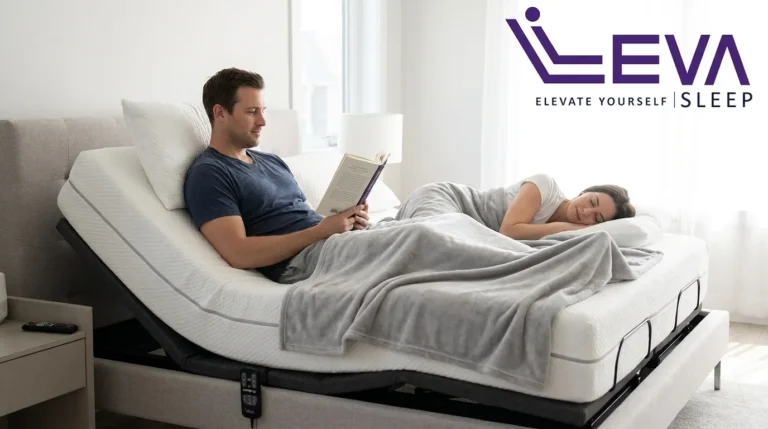
Adjustable bed bases elevate the head and upper body to open the airway naturally and reduce snoring. This position limits soft tissue collapse and supports smoother breathing during sleep. Elevation-based systems provide comfort without mouthpieces, straps, or masks, so people tend to use them consistently. Because the base becomes part of the bed, it fits easily into existing sleep routines and feels familiar after a short adjustment period. Many sleepers also notice extra benefits such as reduced back pressure, less acid reflux, and improved comfort for joint pain.
6. Split Adjustable Beds for Couples Who Share a Bed
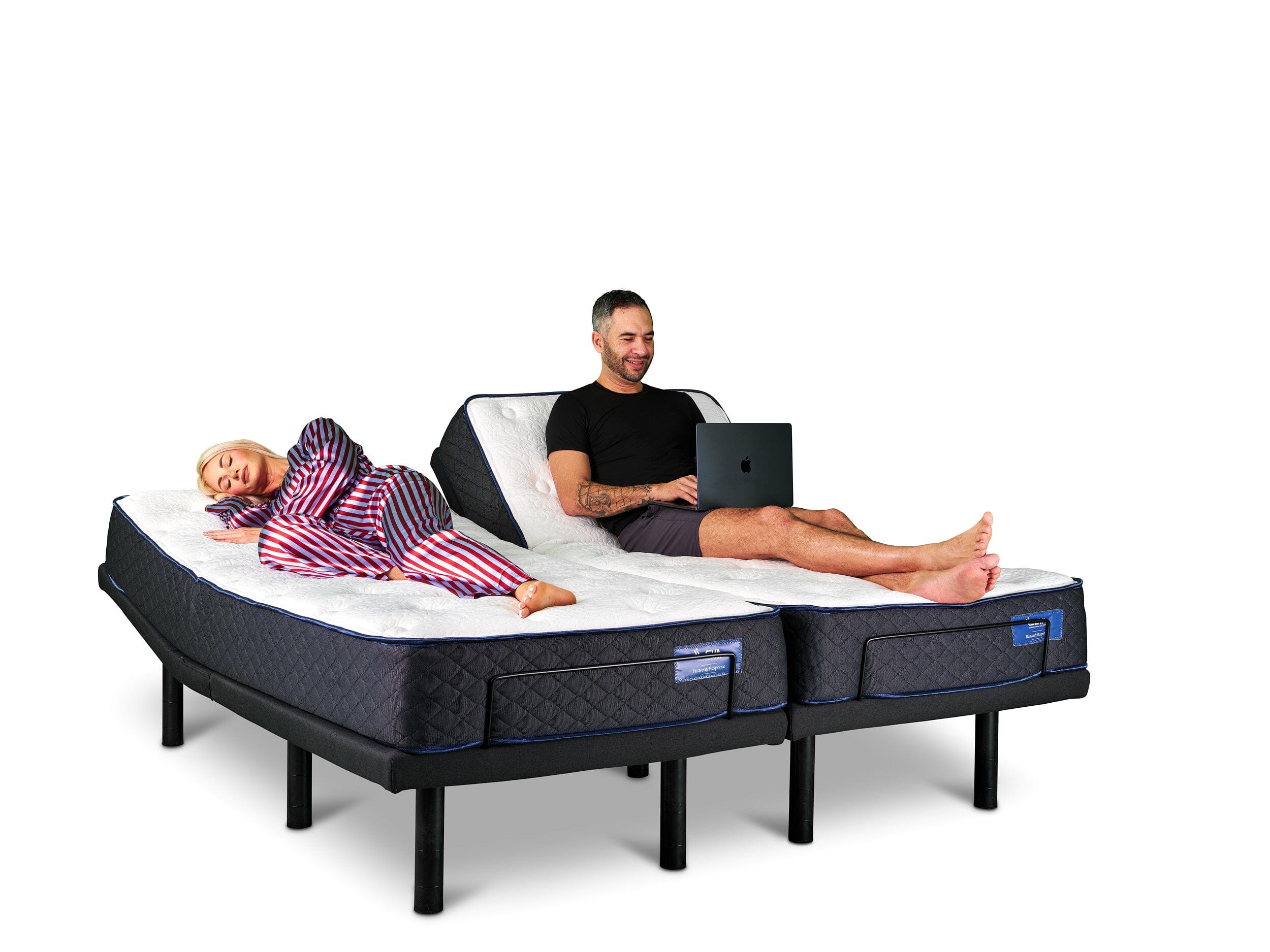
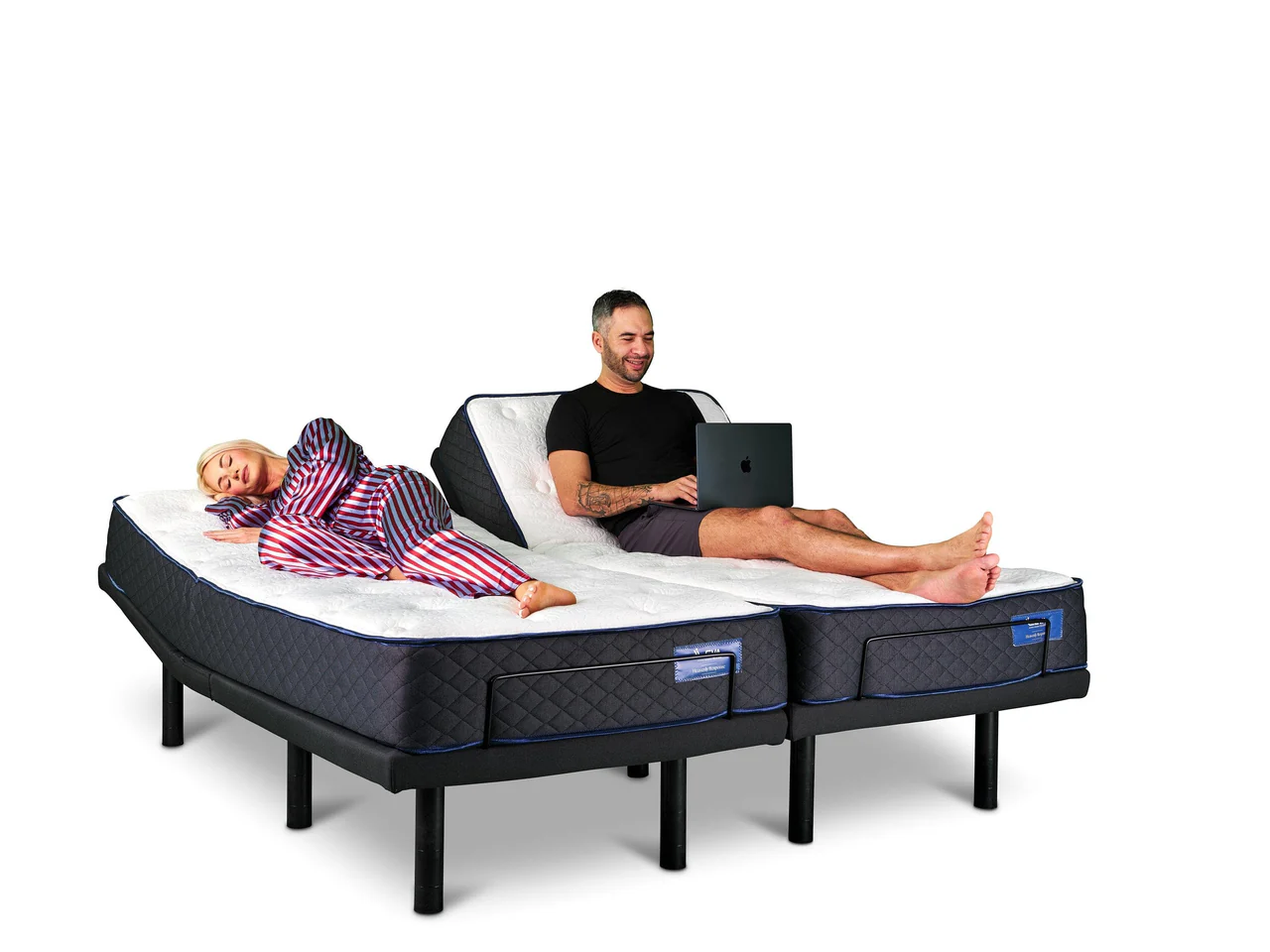
Split adjustable beds use two independently controlled bases under one shared frame, so each partner can choose a personal elevation level. One person can raise the head section for snoring relief while the other keeps a flat or different position. This design directly addresses the main challenge couples face, which is finding a solution that works for both people without forcing compromise. Split configurations come in queen and king sizes and typically use whisper-quiet motors that avoid waking a sleeping partner during adjustments. Couples gain the ability to sleep together comfortably while still tailoring support to individual needs.
7. AI-Enhanced Anti-Snore Beds with Real-Time Detection
AI-enhanced anti-snore beds combine adjustable elevation with intelligent software that detects snoring in real time. Built-in sensors monitor breathing patterns and trigger small changes in head elevation when snoring appears. Over time, the system learns each sleeper’s patterns and refines the adjustments for better results. This approach keeps the focus on gentle, natural positioning while removing the need for manual remote use during the night. Leva Sleep’s upcoming anti-snore mode, planned for spring 2026, reflects this new generation of technology and aims to deliver automated snoring relief without waking either partner.
Most Effective Anti-Snoring Technology for Long-Term Use
Adjustable beds with dedicated anti-snore elevation consistently outperform traditional devices for many couples. Elevation-based positioning opens the airway naturally and avoids the discomfort, noise, and compliance problems that come with mouthguards, straps, or masks. Because the bed handles the work, couples gain a practical long-term solution that supports both partners instead of focusing only on the snorer.
Why Leva Sleep’s Adjustable Systems Work So Well for Couples
Leva Sleep focuses on split adjustable bed systems created for couples who deal with snoring and different sleep preferences. Their split queen and king setups feature independent app-controlled elevation, whisper-quiet German motors, and mattresses designed specifically for adjustable bases. With more than 25,000 customers and $50 million in sales over eight years, Leva Sleep offers proven anti-snoring systems at significantly lower prices than brands such as Sleep Number or Ghostbed.
The company’s upcoming anti-snore mode, scheduled for spring 2026, will detect snoring automatically and make gentle elevation changes without waking either partner. This AI-enhanced feature builds on proven elevation therapy and adds intelligent automation for even smoother nights. Leva Sleep systems also include specialized bedding, such as extra-elastic fitted sheets and duvet clips that keep everything in place during elevation changes, so comfort stays consistent.
Leva Sleep provides white-glove delivery and setup, which helps ensure proper installation for each couple’s room and sleep habits. Their catalog includes 15–20 adjustable base models, far more than the 3–5 options many retailers carry. Couples also receive guidance from adjustable bed specialists instead of general mattress sales staff, which makes it easier to match features to specific snoring and comfort needs.
Anti-Snoring Pillow vs Adjustable Bed for Couples
Anti-snoring pillows try to maintain head position, yet they often shift during the night and rarely address deeper airway issues. Mouthguards can reduce snoring for some people, but discomfort and partner impact often lead to poor long-term use. Leva Sleep’s adjustable systems provide steady, comfortable elevation that works all night and supports both partners. Couples can stay physically close, keep individual comfort preferences, and still reduce snoring in a predictable way.
Anti Snoring Technology FAQs
Is there technology to stop snoring?
Multiple technologies can reduce or even eliminate snoring for many people. The most successful options focus on opening the airway through body positioning instead of relying on invasive devices. Adjustable bed elevation stands out as a comfortable and effective long-term solution, especially for couples who want to keep sharing a bed.
Do anti-snoring devices work?
Anti-snoring devices vary widely in both effectiveness and user follow-through. Mouthguards and nasal devices help specific types of snoring but often show high dropout rates because they feel uncomfortable or intrusive. Adjustable beds achieve stronger long-term results because they work naturally, do not require wearing anything, and fit easily into existing sleep habits.
What are the best anti-snoring solutions for couples?
Split adjustable beds provide the most complete solution for couples dealing with snoring. Each partner controls their own elevation, which allows snoring relief on one side and a preferred position on the other. Unlike individual devices that only help one person, split adjustable beds can also support different firmness preferences, pressure relief needs, and even temperature strategies.
Are there FDA approved snoring devices?
Many anti-snoring devices meet FDA standards for safety and effectiveness. FDA status, however, does not guarantee comfort or long-term use. Elevation-based solutions often outperform approved mouthguards and similar devices in everyday life because they feel more natural and easier to maintain.
How much does effective anti-snoring technology cost?
Anti-snoring technology ranges from about $20 for basic nasal strips to several thousand dollars for advanced adjustable bed systems. Adjustable beds require a higher upfront investment but improve more than just snoring, including comfort, pressure relief, and overall sleep quality. With pricing well below many comparable competitors, Leva Sleep makes advanced adjustable systems more accessible for couples who want a durable, long-term solution.
End Snoring in 2026 with Leva Sleep
Recent advances in anti-snoring technology clearly favor elevation-based solutions over uncomfortable devices or invasive treatments. Couples who want effective, comfortable, and relationship-friendly snoring relief gain the most from adjustable bed systems. Leva Sleep’s deep focus on split adjustable beds, combined with upcoming AI-enhanced features, positions the brand as a strong choice for couples who want to end snoring without sacrificing comfort or togetherness.
Visit Leva Sleep’s La Jolla showroom or shop online to end snoring and sleep better together.