Written by: Matthew Timmins, Founder and Managing Director, Leva Sleep
Key Takeaways
- The ideal bedroom temperature for deep sleep typically falls between 60-67°F and supports your body’s natural cooling process.
- Couples often have different temperature preferences, which can fragment sleep, reduce deep sleep, and increase daytime fatigue.
- Age, season, and health conditions such as menopause or sleep apnea influence your personal temperature sweet spot near this recommended range.
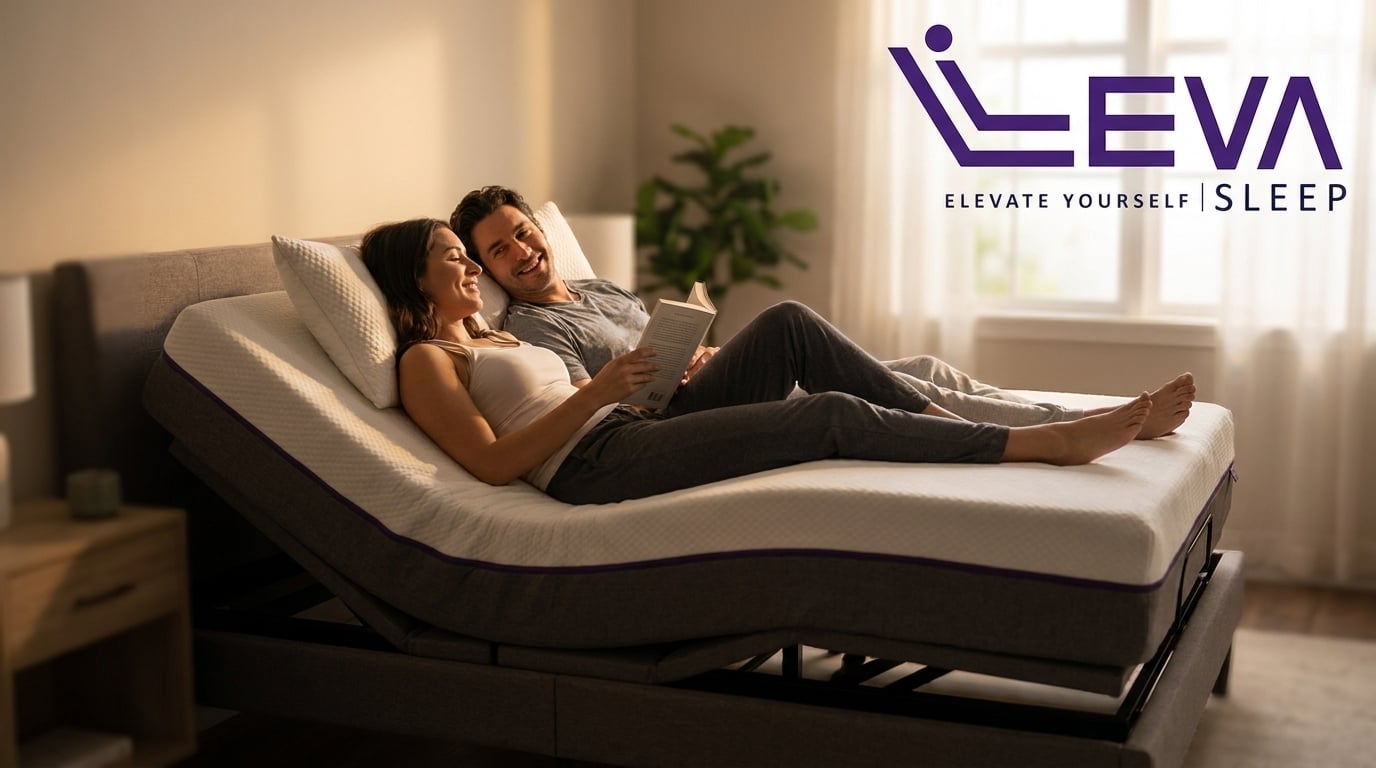
- Leva Sleep’s split adjustable bases with independent heating and cooling pads let each partner control their own side of the bed.
- Couples can improve sleep quality and comfort with Leva Sleep’s innovative systems, which include anti-snore technology and app control at competitive prices.
Science-Backed Bedroom Temperature Range for Deep Sleep
Cleveland Clinic recommends 60-67°F (15-19°C) as the optimal bedroom temperature for sleep, while Sleep Foundation recommends 65-68°F. This range supports your body’s thermoregulation, which helps you fall asleep and stay in deeper stages of sleep.
Your core body temperature naturally drops by 1-2 degrees Fahrenheit in the evening as part of your circadian rhythm. Research shows that this evening drop in core temperature closely tracks with sleep onset and acts as a key trigger for sleepiness. When your bedroom stays too warm, this cooling process stalls, so you may struggle to fall asleep and remain in restorative stages.
Higher bedroom temperatures correlate with lower sleep efficiency, shorter total sleep time, longer time to fall asleep, and more time awake after initially drifting off. As temperatures climb, people experience more awakenings, less slow-wave and REM sleep, lower perceived sleep quality, and reduced alertness the next day.
How Personal Factors Shift Your Ideal Sleep Temperature
The recommended range provides a starting point, yet several factors shape your personal ideal temperature.
| Factor | Optimal Temperature (°F) | Source |
|---|---|---|
| Adults 65+ | 68-77 | 2023 study |
| Summer/Hot sleepers | 60-62 | SleepApnea.org |
| Winter/Cold sleepers | 65-67 | Raj et al. 2020 |
| Couples with mismatched preferences | 62-65 | Consider individual zone control systems for personalized temperatures |
The Problem for Couples: Hot/Cold Wars and Sleep Disruptions
While finding your own ideal temperature can feel challenging, couples face an even more complex situation. Two people with different needs share one bedroom and often one mattress, which turns temperature into a nightly negotiation.
Temperature conflicts between partners create sleep disruptions that go far beyond mild discomfort. Studies show that many partners prefer different sleep temperatures, which leads to constant adjustments to the thermostat and ongoing debates about blankets and bedding.
Physiological differences between partners intensify these conflicts. Partners experience different thermal comfort levels due to body composition, sleep position, health status, age-related changes, and medications. Women, especially during menopause, face additional challenges. About 81% of menopausal or postmenopausal women in the United States reported hot flashes in a 2023 survey, which often cause night sweats and frequent awakenings.
These temperature mismatches can also aggravate existing sleep problems. Thermoregulatory strain from warm bedrooms worsens snoring and mild sleep-disordered breathing, which increases partner-reported disturbances and sleep fragmentation. For people with sleep apnea, temperature control becomes even more critical. As noted earlier, staying within the recommended range supports sleep onset and deeper stages, while hot rooms limit the natural drop in body temperature and promote wakefulness.
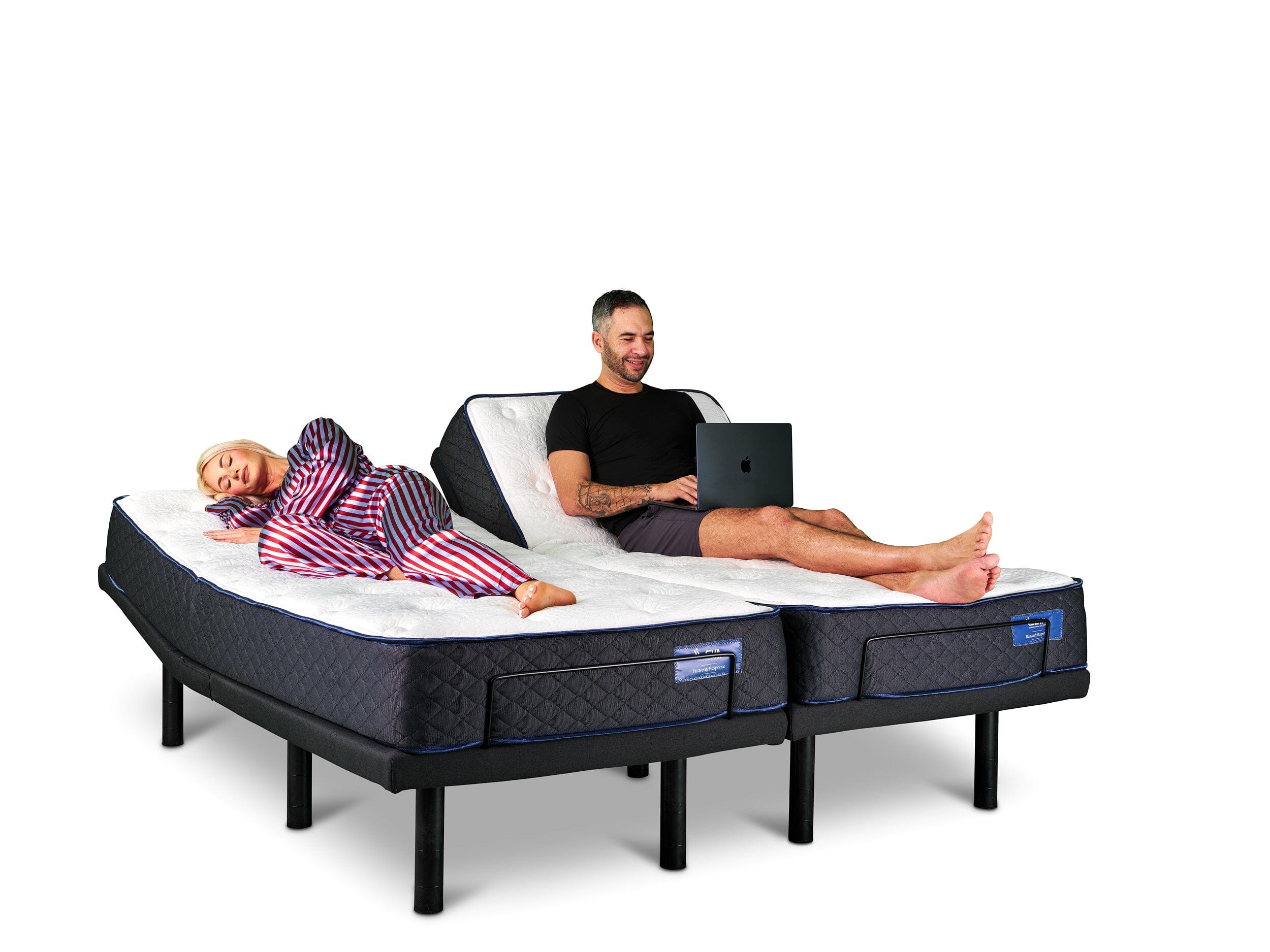
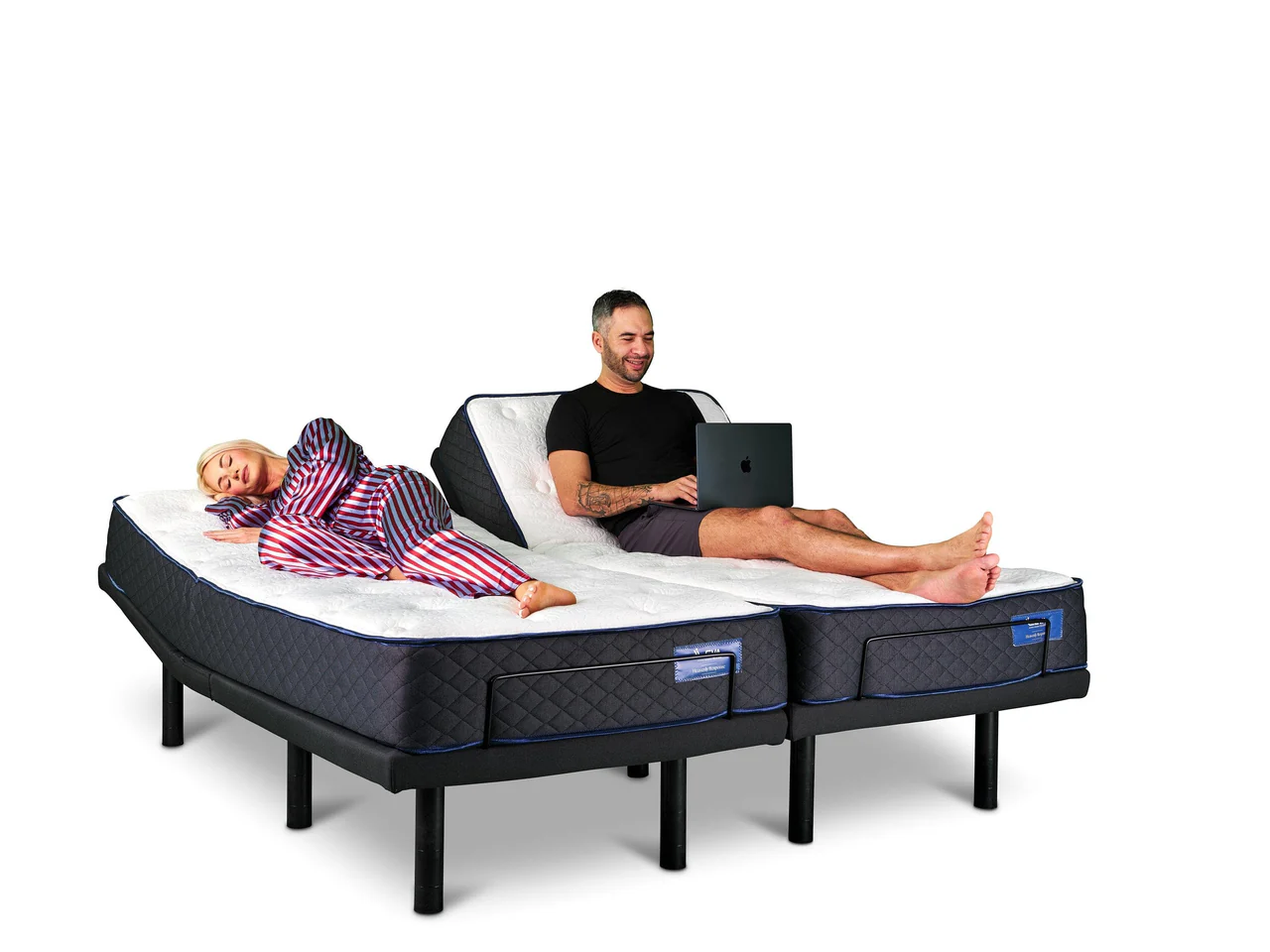
Traditional flat beds do not address these individual differences, so couples often compromise on a single room temperature or move to separate bedrooms. Leva Sleep’s split adjustable bases let each partner control temperature and position independently, which helps end nightly temperature battles.
How Leva Sleep Helps Couples Reach Their Ideal Sleep Temperature
Leva Sleep has spent more than eight years designing solutions for couples who struggle with temperature and comfort mismatches. With over 25,000 customers and $50 million in lifetime sales, Leva focuses on split adjustable sleep systems that let each partner create a personalized sleep environment.
The core innovation appears in Leva’s Split Queen and King adjustable bases with independent app-controlled heating and cooling pads. Each partner sets a preferred temperature zone while still sharing the same bed. This setup removes the need to argue over the thermostat or sleep in separate rooms. The 2026 anti-snore technology adds another layer of personalization by making small head-elevation adjustments when snoring is detected, which helps keep airways clearer while minimizing disturbance to the other partner.
| Solution Type | Temperature Control | Elevation/Anti-Snore | Price Advantage |
|---|---|---|---|
| Traditional flat beds | None | None | Low initial cost |
| Basic adjustable beds | Limited room control | Noisy, basic positioning | High markup through retailers |
| Leva Split bases | Individual heating/cooling pads | Whisper-quiet anti-snore tech | 30-50% less than competitors |
Leva’s systems pair with specialized mattresses designed for adjustable bases, so comfort remains consistent even with significant elevation changes. Whisper-quiet German motors limit noise during position adjustments. Additional features include lumbar support control, pillow tilt motors, and an app that manages temperature, massage intensity, and other settings from one place.
The company’s vertically integrated model keeps design in-house and uses regional assembly facilities. This structure removes middleman markups and preserves quality control. As a result, Leva offers premium features at prices that stay well below many traditional luxury sleep retailers. Build your custom Leva system today and experience personalized temperature control for both partners.
Seasonal Sleep Temperatures and Practical Setup Guide
Seasonal changes call for more than a quick thermostat adjustment. The same recommended range still applies, yet how you reach it in your bedroom shifts with weather and personal needs.
Summer sleep strategies focus on cooling. Improving airflow with fans or open windows when outside air feels cooler, choosing lightweight breathable bedding, and staying hydrated help people with sleep challenges rest more comfortably. Leva’s cooling pads add targeted relief for hot sleepers and allow precise temperature control without chilling the entire room.
Winter adjustments support the body’s tendency to prefer slightly warmer conditions while still respecting the need for cooling at sleep onset. A 2023 study found that older adults aged 65+ sleep most efficiently in bedroom temperatures of 68-77°F, which is warmer than the typical range recommended for younger adults.
| Season/Individual | Temperature Adjustment (°F) | Leva Sleep Tip |
|---|---|---|
| Summer/Women | 60-62 | Cooling pads plus elevation for airflow |
| Winter/Men | 65-67 | Heating pads plus layered Leva bedding |
| Year-round couples | 62-65 compromise | Individual zone control via app |
| Older adults (65+) | 68-72 | Gentle heating with lumbar support |
Humidity control also plays a key role. Levels between 30-50% relative humidity support comfortable breathing and temperature regulation. Leva’s app includes preset configurations for different seasons and common sleep challenges, which simplifies setup for couples with different needs. Visit the La Jolla showroom or shop online to transform your sleep tonight.
Research Insights and Leva Sleep Customer Outcomes
Scientific research consistently links temperature control with better sleep quality. A 2024 study published in Scientific Reports found that enhanced body cooling during sleep increased N3 (slow-wave deep sleep) duration by an average of 7.5 minutes per night. The same research showed that adjusting nighttime temperature conditions to support sleep added more than 20 minutes of sleep per night.
Leva Sleep customers frequently report deeper sleep and improved relationship satisfaction after switching to split temperature control systems. Couples who once considered separate bedrooms often return to sharing a bed comfortably, because each partner maintains a preferred temperature zone. The combination of temperature control and elevation adjustments addresses several issues at once, including snoring, pressure points, and general comfort.
Frequently Asked Questions
What is the best bedroom temperature in Celsius?
The optimal bedroom temperature for deep sleep is 15.5-19.4°C. This recommended range supports your body’s natural cooling process, which helps you fall asleep and stay in restorative stages.
Is 65 degrees too cold for sleep?
No, 65°F is not too cold for sleep. It falls within the optimal range mentioned earlier, and many adults consider 65°F their sweet spot, especially during warmer months or for naturally warm sleepers. Individual preferences still vary with age, gender, and health conditions.
What’s the best temperature for sleep in summer versus winter for couples?
Many couples sleep well at 60-62°F in summer to offset higher ambient temperatures and extra body heat from sharing a bed. In winter, couples often feel comfortable at 65-67°F while still supporting the body’s cooling needs. Leva Sleep’s split systems let each partner set individual temperature zones in any season.
How does bedroom temperature affect sleep apnea?
Elevated bedroom temperatures can worsen sleep apnea by disrupting natural body cooling, reducing deep sleep, and making breathing more difficult. Staying within the recommended range helps keep airways more open and supports the normal drop in core body temperature needed for restorative sleep. Leva’s elevation features complement temperature control by raising the head to support easier breathing.
How does Leva Sleep compare to Sleep Number for temperature control?
Leva Sleep offers dedicated heating and cooling pads for each side of split bases, while Sleep Number focuses mainly on firmness adjustment. Leva’s systems operate quietly, cost significantly less than many comparable luxury options, and include specialized anti-snore technology. Leva also offers Split Queen options, which remain rare in the adjustable bed market.
Your Path to Deep Sleep Starts Tonight
Maintaining a bedroom temperature within the recommended range plays a central role in achieving deep, restorative sleep. For couples, Leva Sleep’s split adjustable systems make that goal realistic by removing temperature conflicts and addressing snoring, positioning, and comfort needs at the same time.
Do not let another night of poor sleep drain your health, energy, or relationship. Visit our La Jolla showroom or explore our complete sleep systems online.