Written by: Matthew Timmins, Founder and Managing Director, Leva Sleep
Key Takeaways
- Adjustable sleep systems with zero-gravity positioning relieve back pain more effectively than flat mattresses by aligning the spine and reducing disc pressure.
- Leva Sleep’s split adjustable bases let couples customize elevation on each side for back pain, sleep apnea, and acid reflux.
- Medium-firm hybrids (6-7/10 firmness) on adjustable bases give most back pain sufferers balanced support across sleep positions.
- Medical experts increasingly recommend adjustable beds for chronic pain because dynamic positioning supports the spine in ways flat mattresses cannot.
- Explore adjustable bases with zero-gravity positioning that pair with premium mattresses like Helix and Tempur-Pedic.
Most mattress guides focus on firmness and materials, but research now shows that adjustable positioning often matters more than mattress type alone for back pain relief. This guide compares complete adjustable sleep systems and high-quality traditional mattresses, with a focus on how elevation and positioning address the root causes of chronic back pain.
The 8 Best Sleep Systems for Back Pain: Adjustable Beds vs. Traditional Mattresses
1. Leva Sleep Adjustable Systems with Helix/Tempur-Pedic
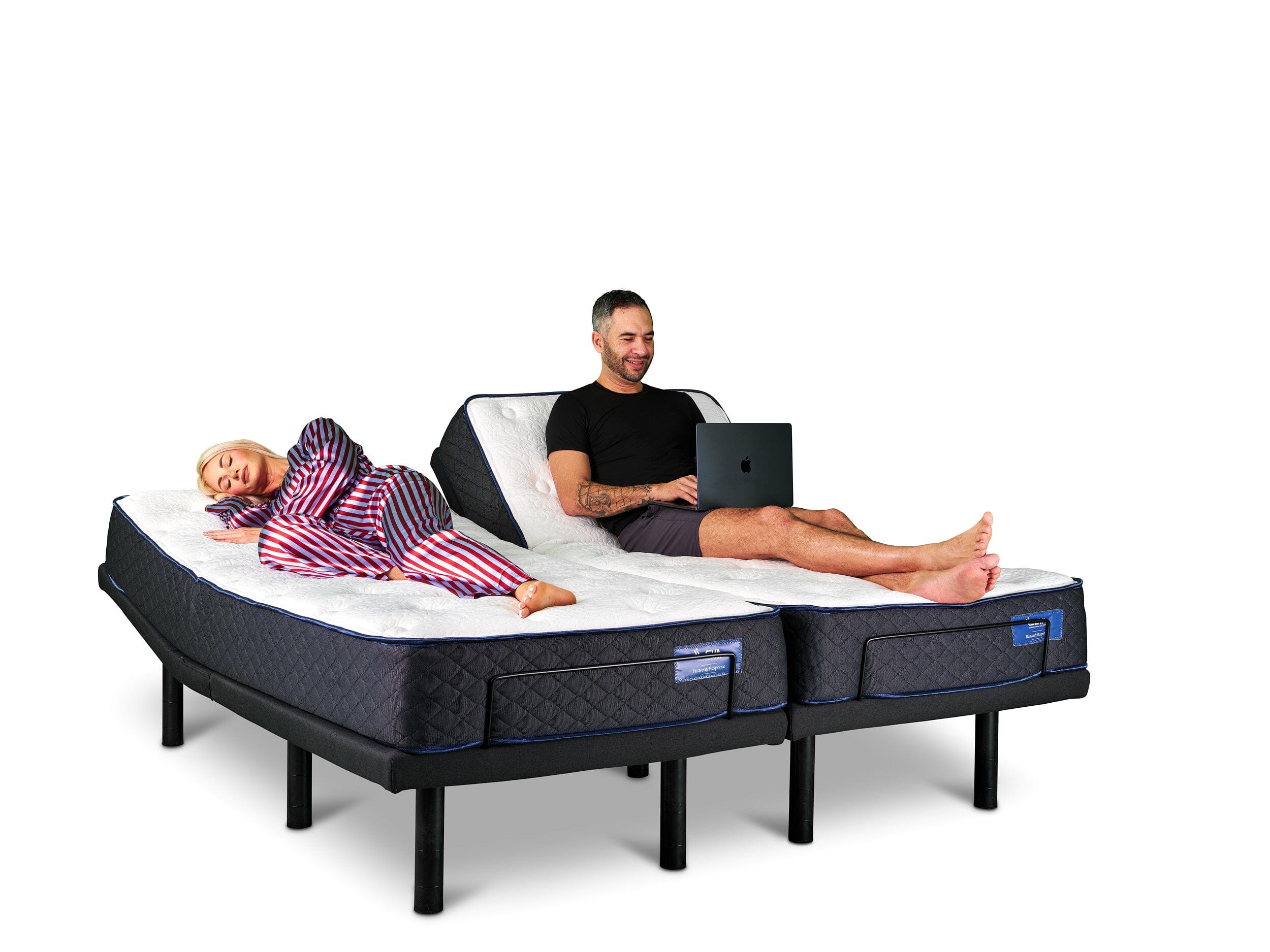
Leva Sleep’s adjustable systems form a strong foundation for back pain relief by combining zero-gravity positioning that can reduce spinal loading with premium mattress partners. Split Queen and King bases use whisper-quiet German motors and app-controlled presets, including an anti-snore mode launching spring 2026.
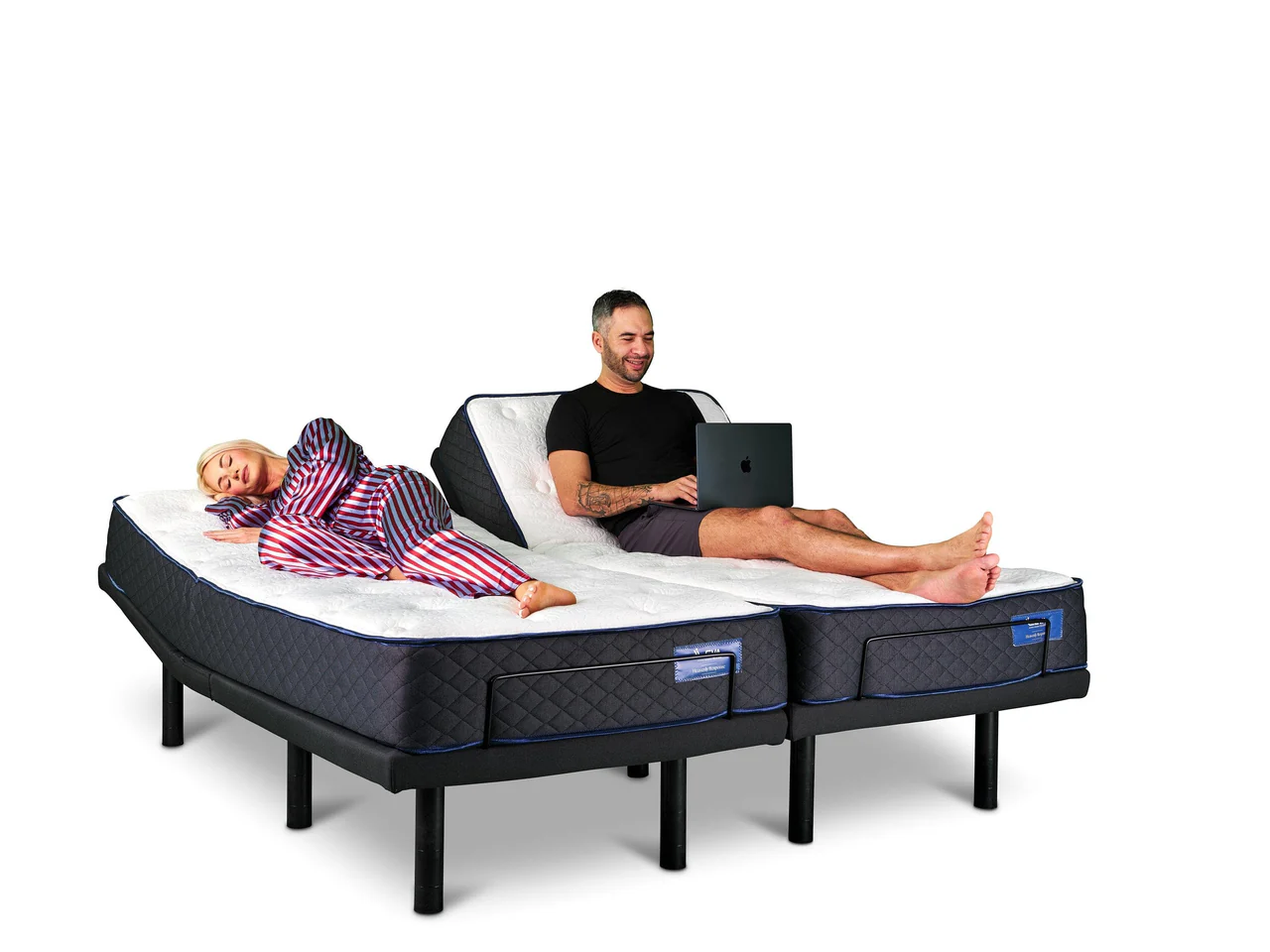
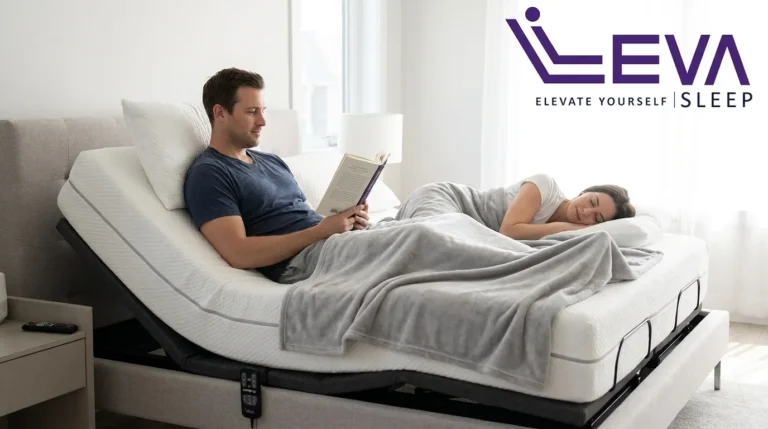
The system supports couples with different needs without forcing compromise. Each partner controls their side independently and can raise the head or feet for sleep apnea, acid reflux, or chronic pain. This independent control is especially valuable because medical professionals now recognize that one surface setting rarely meets every person’s therapeutic needs. Adjustable beds are recommended for patients with acute low back pain, noting that customized support and relief simply isn’t possible with a standard, flat mattress.
Leva’s partnerships with Helix and Tempur-Pedic ensure that each mattress works properly when elevated. Zoned support systems stay effective at different angles and keep the lumbar region supported while easing pressure at the shoulders and hips. White-glove delivery and setup remove the usual hassle of installing an adjustable base.
2. Leva Sleep with Tempur-Pedic ProAdapt Hybrid
Tempur-Pedic ProAdapt Hybrid contours responsively to the body and pairs well with adjustable bases for back pain relief. This medium-firm hybrid supports chronic lower back pain by combining deep pressure relief with strong spinal alignment. Tempur material hugs the body while pocketed coils add lift and responsiveness.
The ProAdapt Hybrid keeps its contouring feel across a wide range of elevation angles on a Leva base. Back sleepers gain consistent lumbar support while raising the head or feet for better circulation and easier breathing. This pairing suits people who want the classic Tempur feel with the medical benefits of adjustable positioning.
3. Leva Sleep with Airloom
Airloom’s California-crafted luxury mattresses deliver traditional hand-tufted construction and premium materials for people who value craftsmanship and comfort. When combined with a Leva adjustable system, these mattresses support side sleepers who need deep pressure relief at the shoulders and hips while keeping the spine aligned.
The natural materials in Airloom mattresses, including organic cotton, wool, and latex, improve breathability and temperature control. These qualities become especially helpful when sleeping in an elevated position because some adjustable setups can trap heat around the body. This combination works well for people with joint pain or circulation issues who need both therapeutic positioning and a cool, comfortable surface.
4. Leva Sleep with Helix Midnight Luxe
Sleep Foundation’s testing team found the Helix Midnight Luxe hybrid mattress provides pressure relief with zoned coil support for the midsection, earning a Test Lab score of 9.7/10. Its medium-firm feel at about 6/10 balances cushioning and support, which suits combination sleepers who change positions during the night.
The zoned coil system reinforces the lumbar area while softer foam layers cushion the shoulders and hips. On a Leva adjustable base, the Midnight Luxe keeps this balance of support and pressure relief in flat and elevated positions. Users can move through several presets to find a position that eases their specific back pain pattern.
Find your ideal mattress and base combination that supports your back in both flat and elevated positions.
The first four recommendations pair mattresses with Leva adjustable bases to create complete sleep systems. The next four options highlight strong standalone mattresses for people who prefer traditional flat beds, although they cannot match the spinal decompression and flexible positioning of adjustable systems.
5. Saatva Classic
Saatva Classic uses a dual-coil innerspring design with reinforced lumbar support, which helps many back pain sufferers who like a buoyant, traditional feel. The Euro pillow top adds cushioning without sacrificing underlying support. This mattress works well for people who want a responsive surface that keeps them on top of the bed rather than hugged by foam.
6. Purple Hybrid Premier
Purple Hybrid Premier relies on a gel grid comfort layer that spreads weight evenly and reduces pressure points. The open grid structure also promotes airflow, which helps hot sleepers with back pain stay comfortable. People who dislike the “stuck in the mud” feel of dense foam often appreciate Purple’s floating sensation.
7. Nectar Memory Foam
Nectar offers an affordable memory foam option with reasonable pressure relief for lighter and average-weight sleepers. The all-foam construction absorbs motion, which benefits couples who share a bed. People who prefer a slow-responding, contouring feel often find Nectar comfortable for short to medium sleep sessions.
8. WinkBed
Sleep Foundation named the WinkBed the best hybrid mattress for back pain, with multi-zone pocketed coils providing robust spinal alignment and support. Multiple firmness options allow sleepers to choose a feel that matches their body type and position. Many back and stomach sleepers favor the firmer versions for extra lumbar reinforcement.
Beyond choosing between adjustable systems and traditional mattresses, firmness level plays a crucial role in back pain relief. The right firmness depends on your sleep position and body type.
Mattress Firmness for Back Pain by Sleep Position
Medical experts recommend medium firmness hybrid mattresses for back pain management, balancing cushioning and support for spinal alignment. Optimal firmness shifts with sleep position and body weight, but many people with back pain do well in the medium-firm 6-7/10 range.
The following table shows how recommended firmness changes by sleep position, along with Leva combinations that match each feel:
| Sleep Position | Recommended Firmness | Example |
|---|---|---|
| Side Sleeper | 5-6/10 | Leva + Helix Midnight |
| Back Sleeper | 6-7/10 | Leva + Tempur-Pedic |
| Stomach Sleeper | 7-8/10 | Leva + WinkBed Firm |
Leva’s adjustable systems fine-tune perceived firmness through head and foot elevation, so users can dial in support even if their mattress firmness is fixed.
What Type of Mattress Do Doctors and Chiropractors Recommend for Back Pain?
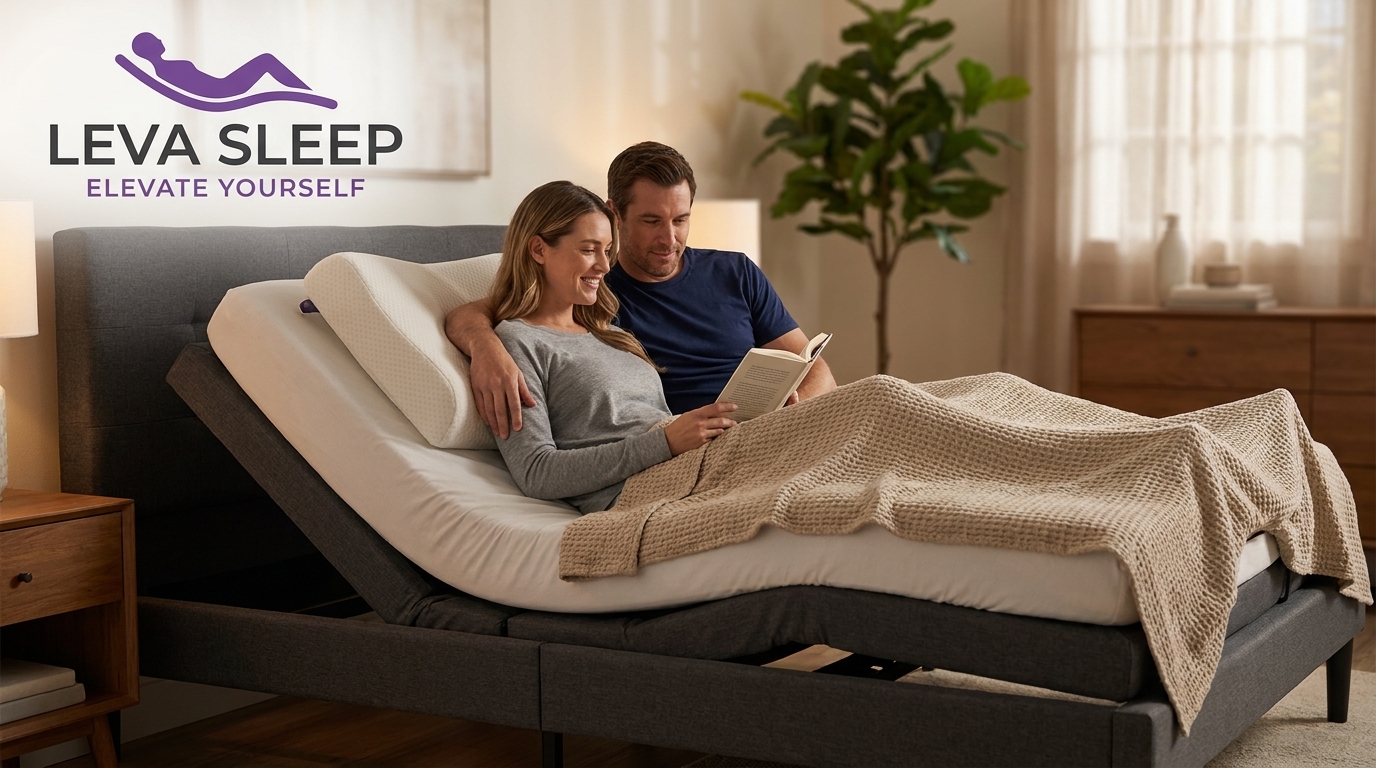
Healthcare professionals now place strong emphasis on elevation and adjustable positioning for back pain management. The zero-gravity position on adjustable beds can help with conservative management of herniated disc pain as it may reduce intervertebral disc pressure. Research on zero-gravity positioning shows meaningful reductions in disc pressure compared with flat sleeping, which explains why many clinicians favor adjustable bases for disc-related pain.
Dr. Nicholas Callahan states that people with arthritis in their spine benefit from adjustable beds by customizing positioning throughout the night to relieve stress points and reduce morning stiffness. This medical support for adjustable systems over static mattresses reflects a broader shift toward treating underlying spinal loading instead of masking symptoms.
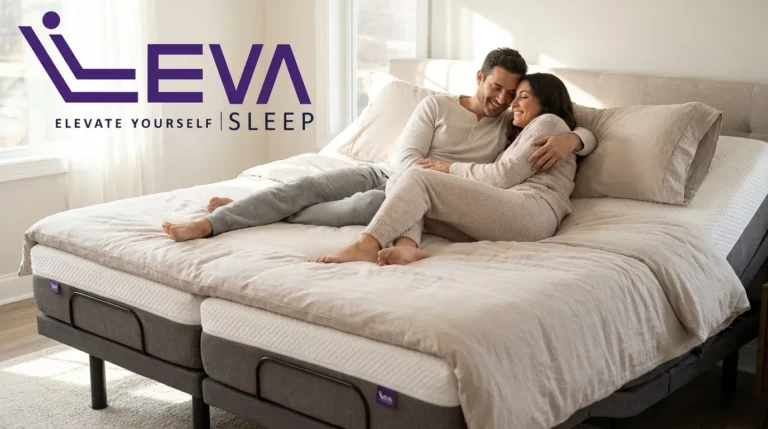
Leva’s split configurations let each partner follow these medical recommendations individually while still sharing a bed. One person can elevate more for pain relief or snoring control while the other keeps a flatter profile.
FAQ
Should a mattress be firm or soft for back pain?
Medium-firm mattresses around 6-7/10 usually give the best mix of support and pressure relief for back pain. Side sleepers often prefer a slightly softer feel at 5-6/10 to cushion shoulders and hips. Stomach sleepers typically need a firmer 7-8/10 surface to keep the hips from sinking and straining the lower back. Adjustable bases like Leva’s systems adjust body angle, which changes how firm a mattress feels and allows more personalization.
What’s the best mattress for back pain side sleepers?
Side sleepers with back pain often do well on Leva split adjustable systems paired with pressure-relieving mattresses like Helix Midnight Luxe or Airloom. Zoned support and contouring foams ease pressure at the shoulders and hips while keeping the spine straight. Slight leg elevation can further reduce tension in the lower back throughout the night.
What’s the best mattress for back pain on a budget?
For traditional mattresses under about $1,000, Nectar Memory Foam offers reasonable pressure relief for lighter individuals, though it lacks the therapeutic positioning of adjustable systems. For people who can invest more for long-term relief, Leva Sleep’s adjustable systems provide 30-50% savings compared to traditional retailers by removing middlemen. This pricing structure makes advanced elevation and positioning more accessible than buying through many furniture stores.
Are adjustable bases worth it for back pain?
Adjustable bases often outperform flat mattresses for back pain because they allow spinal decompression, better circulation, and customized angles. The zero-gravity position mentioned earlier reduces pressure on intervertebral discs, which can ease herniated disc and nerve-related pain. Elevation also helps related issues such as sleep apnea and acid reflux, which frequently worsen back pain by disrupting sleep. For couples with different needs, split bases remove the need to compromise on one shared position.
What trial and setup options does Leva offer?
Leva Sleep includes white-glove delivery and setup with old bed removal, professional assembly, height adjustments, and product tutorials. A risk-free trial period lets customers test adjustable sleep systems at home and feel the impact on their back pain. Professional setup ensures smooth operation and avoids the frustration that can come with installing complex bases alone.
Conclusion: Choosing Sleep Systems That Actively Support Your Back
The most effective back pain solutions in 2026 prioritize adjustable positioning and spinal support over static comfort alone. Poor sleep quality and low back pain reinforce each other, so dynamic sleep systems play a key role in breaking that cycle. Leva Sleep’s adjustable bases paired with premium mattresses create a comprehensive approach that targets both pain and sleep disruption.
High-quality flat mattresses can still improve comfort, but they cannot match the therapeutic benefits of elevation and customized positioning. Couples dealing with back pain, snoring, or different comfort preferences gain particular value from Leva’s split configurations, which provide personal control on each side without resorting to separate beds.
Visit the La Jolla showroom to test split configurations or explore Leva’s adjustable systems and mattress pairings online.