Written by: Matthew Timmins, Founder and Managing Director, Leva Sleep
Key Takeaways
-
Morning light exposure resets circadian rhythms and supports deeper slow-wave sleep for couples.
-
Keep your bedroom cool, dark, and quiet between 60-67°F with blackout curtains and white noise.
-
Use the 3-3-3 wind-down rule and 4-7-8 breathing to activate the body’s parasympathetic rest mode.
-
Cut caffeine, alcohol, and screens after noon, and consider magnesium and tart cherry as natural aids.
-
Combine smart positioning and elevation with Leva Sleep’s adjustable bases for effective anti-snoring support and deeper sleep.
1. Reset Your Circadian Rhythm with Morning Light Exposure
Morning sunlight exposure within the first hour of waking helps synchronize your internal clock and promotes deeper sleep later. Light exposure triggers cortisol release in the morning and supports natural melatonin production in the evening, which strengthens a healthy sleep-wake cycle and enhances slow-wave sleep duration.
Couples who build a morning light routine together reinforce both individual circadian rhythms and emotional connection. Spend 10-15 minutes outside together during morning coffee, take a brief walk, or sit near a bright window. Shared morning light time creates accountability and sets the tone for better sleep that night.
2. Create a Cool, Dark, and Quiet Bedroom for Two
Optimal bedroom temperature for sleep ranges from 60-67°F and supports the body’s natural core temperature drop for better rest. A dark, quiet space further protects uninterrupted deep sleep cycles.
Couples often have different temperature preferences, which complicates this setup. To keep both partners comfortable, use split-zone climate control for independent settings, separate blankets so each person manages their own warmth, or breathable bedding that adapts to different body temperatures. Add blackout curtains, eye masks, and white noise machines to block light and sound while still accommodating both partners’ needs.
3. Use the 3-3-3 Rule to Shift into Sleep Mode
Evening wind-down routines that start 30-120 minutes before bed move the body from sympathetic “fight or flight” mode to parasympathetic “rest and digest” mode. This shift calms the mind, lowers cortisol, and supports melatonin release. The 3-3-3 rule grounds you by naming 3 things you can see, 3 things you can hear, and moving 3 parts of your body.
Couples can turn this into a shared ritual by taking turns naming what they notice in the room. This simple practice reduces anxiety for each partner and sends a clear signal that bedtime is near. Over time, the brain begins to associate this routine with relaxation and sleep.
4. Add Daytime Exercise for Stronger Slow-Wave Sleep
Regular physical activity increases the duration and quality of deep sleep by creating healthy fatigue and lowering stress hormones. Exercise timing matters because morning or afternoon workouts tend to support better sleep, while intense late-night exercise can feel too stimulating.
Couples who exercise together gain both sleep and relationship benefits. Try morning walks, afternoon gym sessions, or early evening yoga, finished at least 3 hours before bed. Shared movement reduces stress, builds accountability, and often leads to more restful nights for both partners.
Leva Sleep’s adjustable systems can support post-workout recovery with comfortable, joint-friendly positions that make deep sleep easier. Explore options at our La Jolla showroom or online to pair your exercise routine with better nighttime recovery.
5. Cut Caffeine, Alcohol, and Screens After Noon
Caffeine blocks sleep-inducing chemicals and has a mean plasma half-life of about 5 hours, with a range of 1.5-9.5 hours. For most people, that means stopping caffeine after lunch or at least 7 hours before bedtime. Alcohol disrupts REM sleep and causes nighttime awakenings, even though it can feel sedating at first. Blue light from screens interferes with melatonin production and delays sleep onset.
Couples can protect their sleep by agreeing on household rules for afternoon caffeine cutoffs and evening screen limits. Replace late-night scrolling with reading physical books, quiet conversation, or relaxation exercises. When both partners commit to a screen-free bedroom and reduced evening stimulants, deep sleep becomes more consistent.
6. Use Magnesium and Tart Cherry as Reliable Natural Sleep Aids
Couples can add magnesium-rich foods such as leafy greens, nuts, and seeds to evening meals or discuss supplementation with a healthcare provider. Magnesium can modestly improve sleep for some people with mild stress-related insomnia by supporting GABA and melatonin and easing muscle tension. Tart cherry juice offers a natural source of melatonin and can become a relaxing drink you share as part of your nightly routine.
7. Use Body Positioning and Elevation to Reduce Snoring
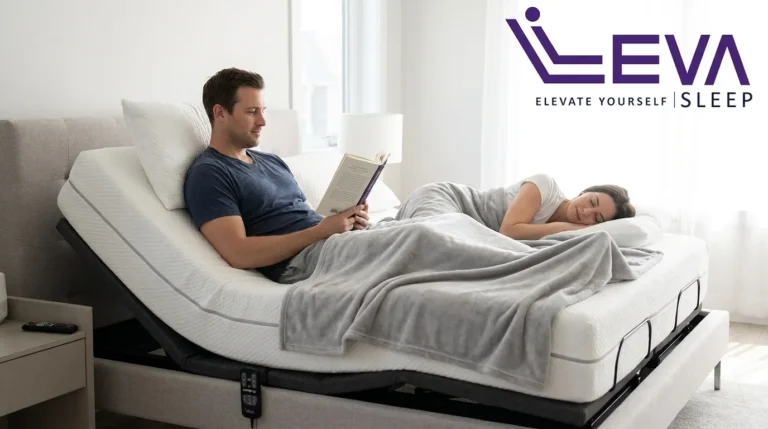
Elevating the head of your bed by about 25 to 40 degrees can reduce snoring because gravity helps keep your airway open, according to pulmonologist Kingman Strohl, MD. Side sleeping also helps keep airways open and improves breathing for people who snore or have obstructive sleep apnea.
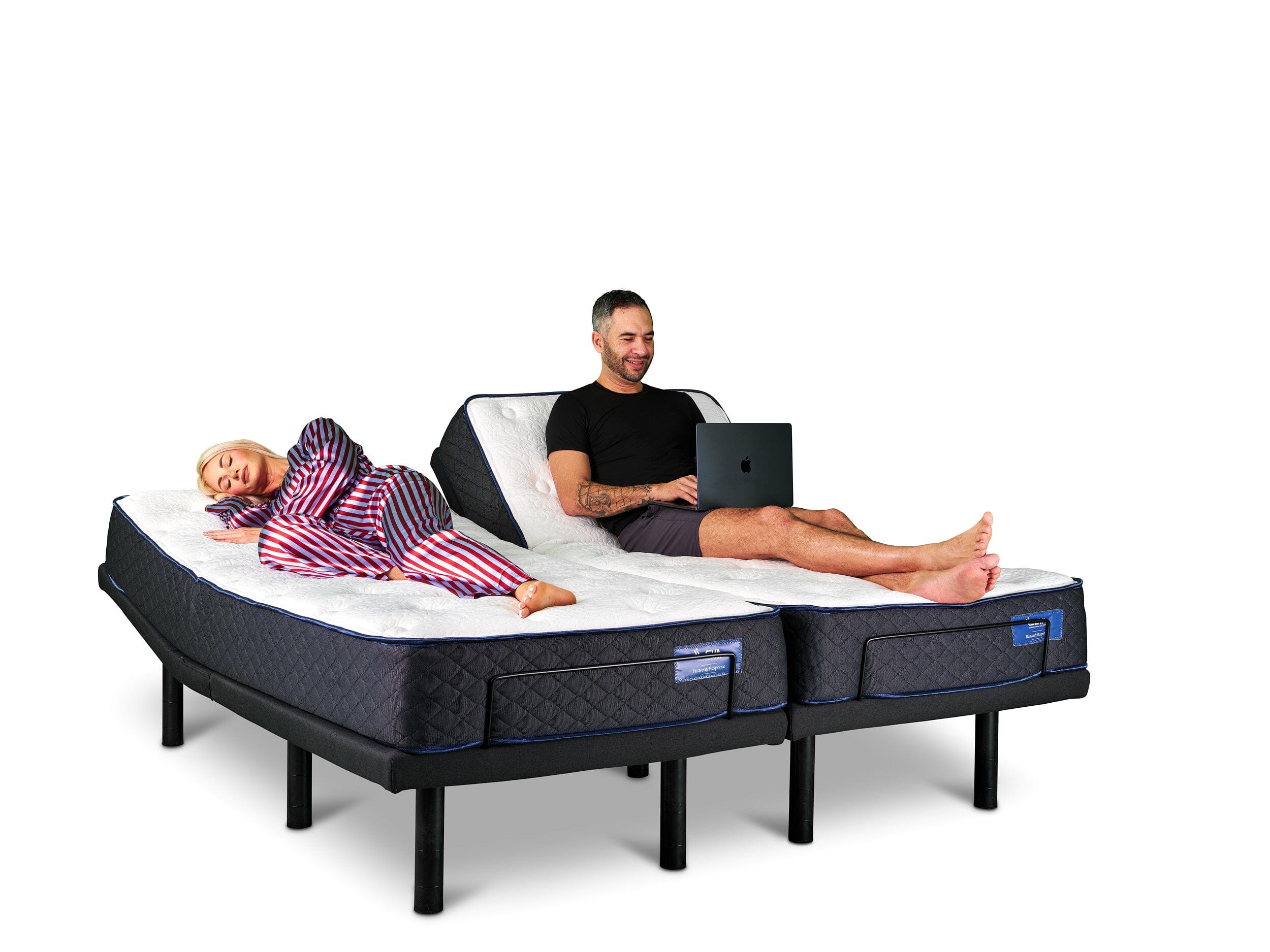
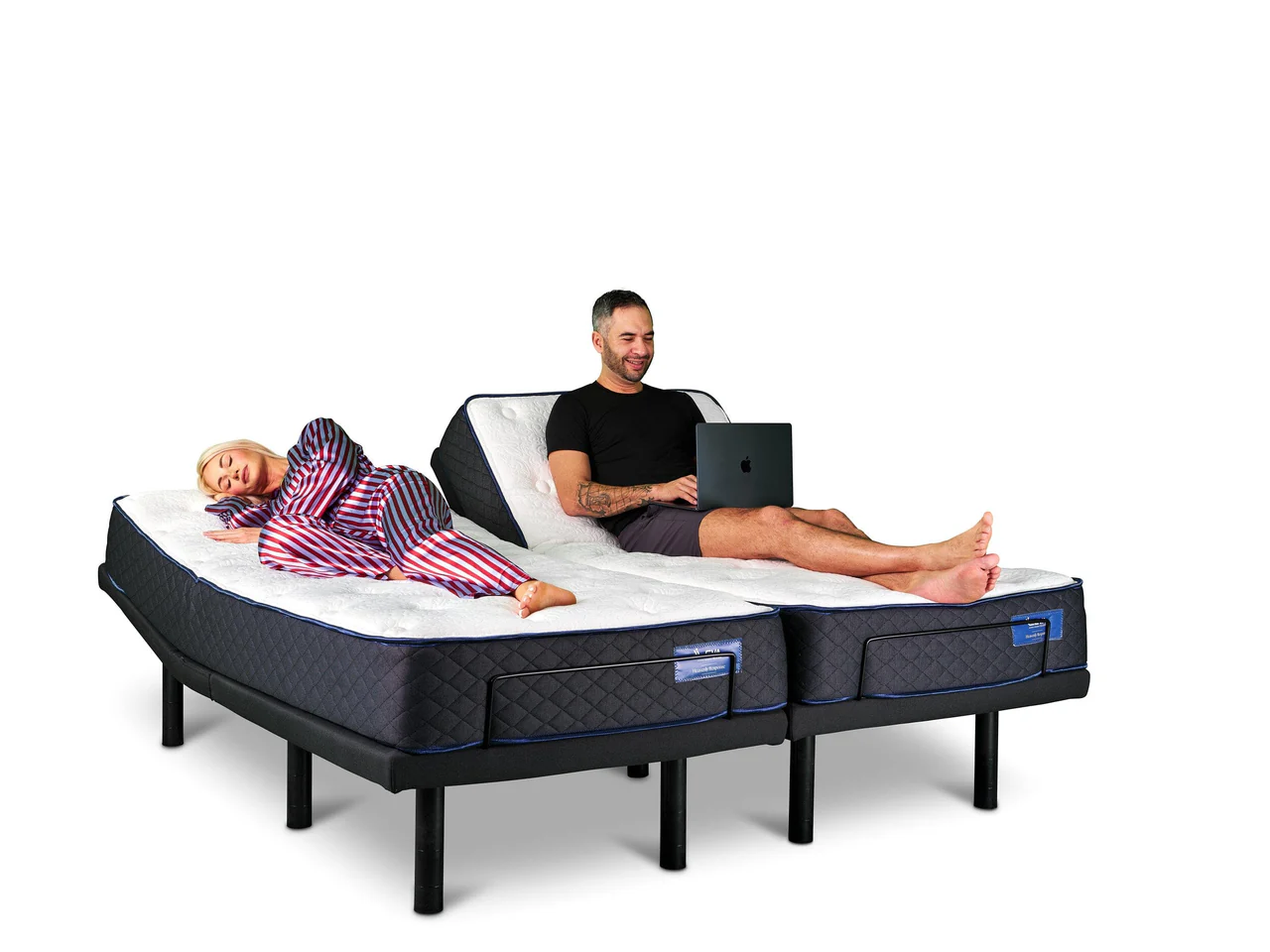
For couples dealing with snoring or sleep apnea, adjustable positioning often becomes essential. Leva Sleep’s split adjustable bases let each partner choose their own elevation and position, which reduces snoring disruptions while still sharing a bed. Quiet motors allow small adjustments during the night without waking the other person, so both partners can protect their deep sleep.
8. Practice the 4-7-8 Breathing Technique Together
The 4-7-8 breathing method uses a simple pattern of inhaling through the nose for 4 seconds, holding for 7 seconds, and exhaling through the mouth for 8 seconds. This technique provides a concrete way to reach the parasympathetic relaxation state described earlier and can lower cortisol before bed.
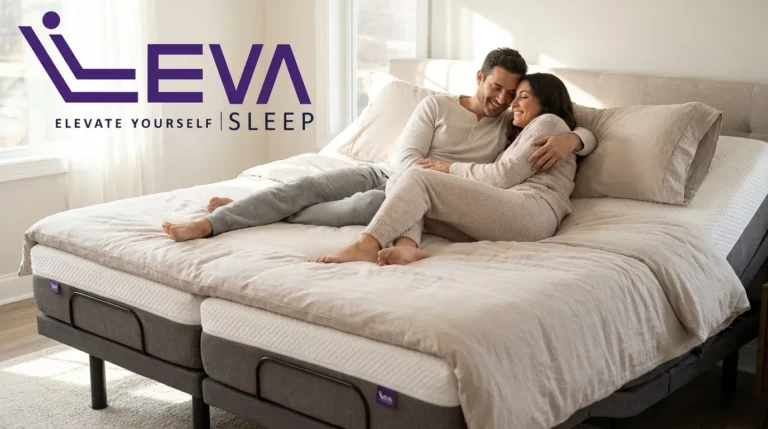
Couples can synchronize their breathing and turn this into a calming shared practice. Coordinated breath creates a sense of closeness while gently slowing the nervous system. Aim for 4-6 cycles together, then move into your preferred sleep positions once your bodies feel more relaxed.
Leva Sleep’s couples’ systems provide a comfortable base for these breathing exercises, so you can relax without strain on your neck or back.
Find your ideal setup at our La Jolla showroom or online and pair mindful breathing with physical comfort.
9. Build a Screen-Free Couples’ Bedtime Ritual
Consistent bedtime rituals signal the brain that sleep is coming and help both partners unwind together.
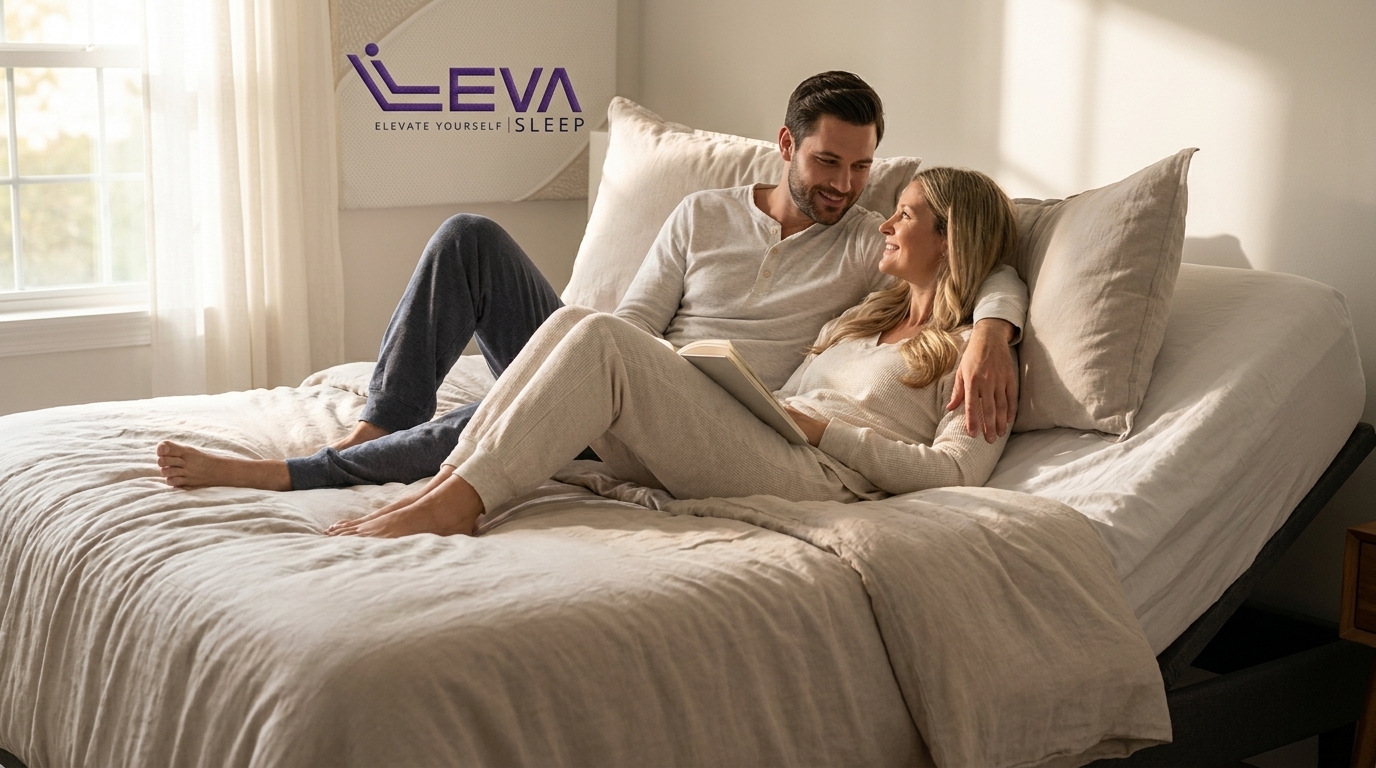
Create a 20-30 minute couples’ routine that might include gentle stretching, reading aloud, sharing gratitudes, or offering a light massage. These quiet activities deepen emotional connection while avoiding screens and intense conversations. When you repeat the same sequence at a similar time each night, your circadian rhythms begin to align, and your sleep cycles synchronize.
10. Track Results and Personalize with Apps and Elevation
After you put the first nine natural methods into practice, tracking tools help you see what works best for your situation. Wearable devices like the Oura Ring or Apple Watch provide objective data about deep sleep percentages and recovery. Oura Ring analysis shows that relaxing wind-down routines lower cortisol levels, which relates to better sleep quality and more deep sleep.
Leva Sleep’s app-controlled adjustable systems then act as a natural sleep amplifier for couples. Anti-snore mode detects snoring and makes small head-elevation changes, while the split configurations introduced in the positioning section integrate with app control so you can save and recall your best settings. This feedback loop connects your data, your routines, and your bed setup into one personalized system that supports deep restorative sleep for both partners.
FAQ
How can I get more deep restorative sleep?
Focus on consistent sleep and wake times, and keep your bedroom cool and dark. Add relaxation techniques such as the 4-7-8 breathing method and consider natural supports like magnesium after speaking with a provider. For couples, addressing snoring with proper positioning and elevation can dramatically improve deep sleep for both partners.
What natural remedy promotes deep sleep?
Magnesium has the strongest research support for improving sleep quality, especially in forms such as magnesium L-threonate or bisglycinate. Tart cherry juice offers natural melatonin, and chamomile tea may shorten the time it takes to fall asleep. Pair these options with supportive sleep positioning and gentle elevation for better results.
What is the Japanese trick to sleep?
The 4-7-8 breathing technique, often called the “Japanese trick to sleep,” uses a pattern of inhaling for 4 seconds, holding for 7 seconds, and exhaling for 8 seconds. This pattern activates the parasympathetic nervous system and lowers cortisol, which helps the body shift from alertness into relaxation so you fall asleep faster.
What are the best vitamins for deep sleep?
Magnesium is the most studied mineral for sleep and supports GABA function and muscle relaxation. Adequate vitamin D helps maintain healthy sleep patterns, while B-complex vitamins, especially B6, support melatonin production. Always consult a healthcare provider before starting new supplements.
Is elevation safe for sleep?
Gentle elevation of 25-40 degrees is safe for most people and often helps those with snoring, mild sleep apnea, acid reflux, or circulation issues. Elevation uses gravity to keep airways more open and can reduce pressure on joints. Adjustable beds allow gradual changes and easy fine-tuning throughout the night.
Conclusion: Reclaim Deep Sleep and Connection as a Couple
These 10 natural methods give couples a practical roadmap for deeper restorative sleep without sleeping apart or relying on heavy medications. Start with three or four strategies that feel easiest, then layer in others as they become habits. Consistent small changes in your environment, routines, and positioning can add up to major improvements in deep sleep and relationship closeness.
Leva Sleep’s expert adjustable systems help you turn these habits into a comfortable nightly reality. Schedule your personalized consultation and create a shared sleep setup that truly supports both partners.