Written by: Matthew Timmins, Founder and Managing Director, Leva Sleep
Key Takeaways
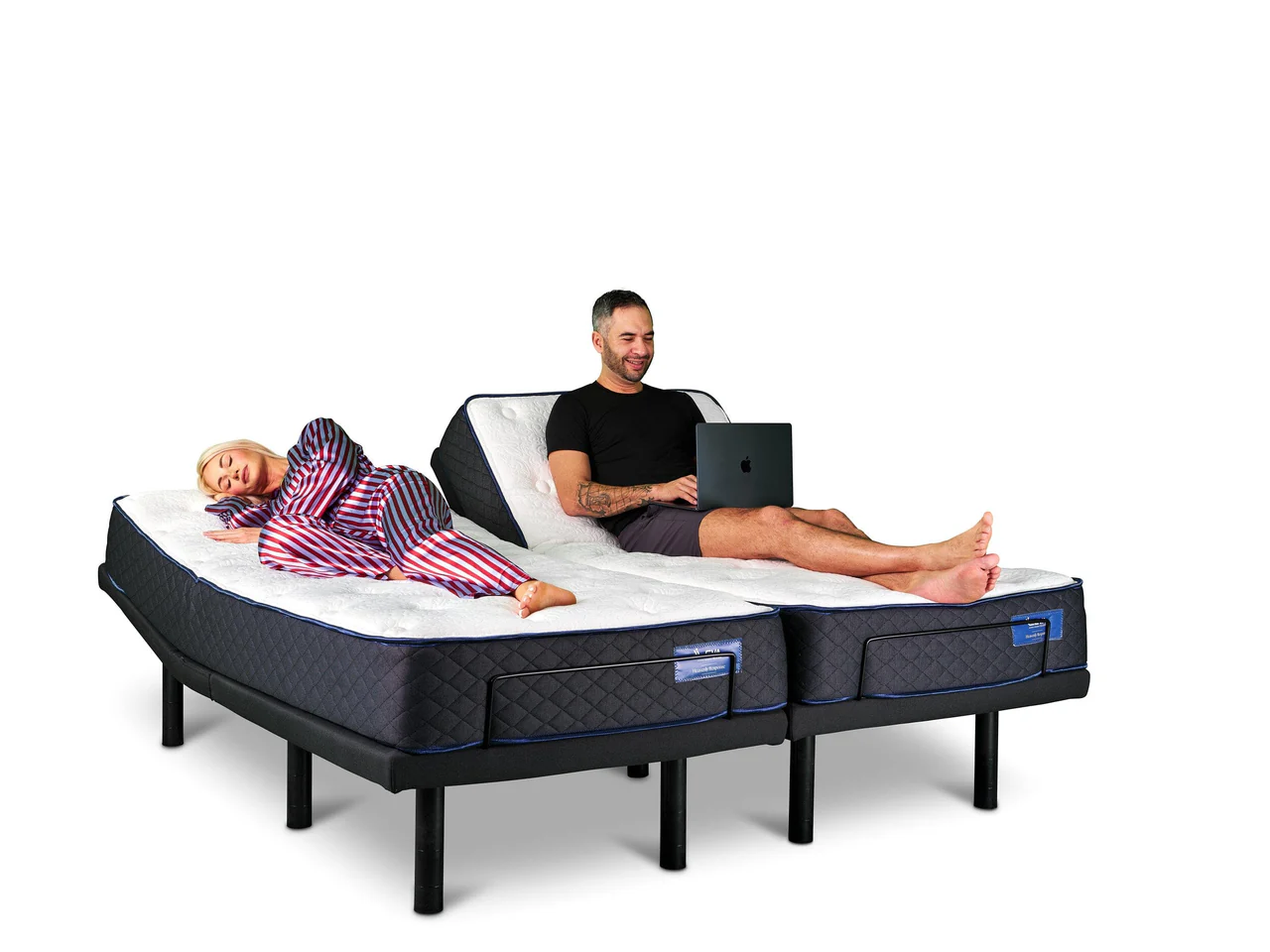
- Split-king adjustable bases move each side independently, so sheets need deep pockets, full-perimeter elastic, and reinforced seams to stay put.
- Smart sheet shopping starts with pocket depth between 12 and 17 inches, 360-degree band elastic, and double-stitched corner anchors.
- Seam durability, split-head versus full-split compatibility, and temperature-regulating fabrics shape long-term performance on moving mattresses.
- Helpful extras such as remote-accessory pockets and heavier fabric weights reduce wear from repeated flex cycles.
- Explore Leva Sleep’s adjustable-bed sheet sets online or at the La Jolla showroom.
Quick Checklist: 8 Criteria for Split-King Adjustable-Bed Sheets
- Pocket depth sufficient for full mattress height plus articulation clearance
- 360-degree elastic coverage with band construction
- Reinforced corner anchors with double-stitched seams
- Seam durability rated for repeated flex cycles
- Split-head vs. full-split compatibility
- Temperature regulation through breathable, moisture-wicking fabric
- Remote-accessory pocket placement for app-controlled bases
- Long-term durability after repeated articulation
1. Pocket Depth for Moving Mattresses
Pocket depth determines whether a fitted sheet can stay anchored when an adjustable base moves. When the head or foot raises, the mattress corner stretches away from the fitted sheet’s anchor point. A pocket that fits a flat mattress precisely will pull free as soon as articulation begins.
To assess pocket depth, measure the mattress height from base to top surface, then add two to three inches for the stretch created during full elevation. This calculation matters because most adjustable-compatible mattresses range from 10 to 14 inches in profile, which places the minimum functional pocket depth between 12 and 17 inches. Standard “deep pocket” sheets often miss this range, while Leva Sleep’s fitted sheets use deep pockets sized for the mattress profiles in its adjustable base lineup, which removes guesswork and sizing mismatches.
2. Elastic Coverage and Type for Secure Grip
Elastic coverage controls how well a sheet grips the mattress during movement. Corner-only elastic works on flat beds, but on an articulating surface it fails because the fabric between corners has no way to maintain tension as the mattress bends. Full 360-degree elastic, a continuous band running around the entire perimeter of the fitted sheet, spreads tension across all four sides during every position change.
Elastic type also affects long-term performance on adjustable bases. Band elastic, which uses a wide woven strip, maintains consistent grip over time better than cord elastic, which can snap or lose tension after repeated stretching. To evaluate elastic before purchase, pull the sheet’s hem taut and check whether resistance feels uniform around the full perimeter or concentrated only at the corners. Leva Sleep’s extra-elastic designs use full-perimeter band construction that works together with deep pockets to keep sheets secure during articulation.
3. Corner Anchor Strength at Stress Points
Corner anchor strength determines whether a sheet can survive months of nightly elevation cycles. Even with deep pockets and full-perimeter elastic, a sheet fails if the corner seams cannot handle the mechanical stress of repeated articulation. Each time the head or foot elevates, the corner of the fitted sheet absorbs a concentrated pulling force, and single-stitched seams often separate under this load.
To assess corner anchor strength, turn the sheet inside out and inspect the seam at each corner. Double-stitched or bar-tacked construction signals reinforcement suitable for articulating use. Leva Sleep’s bedding adds this reinforcement at stress points, which addresses the failure mode that causes standard sheets to degrade early on adjustable bases.
The first three criteria, pocket depth, elastic coverage, and corner anchor strength, work together to control mechanical fit on a moving surface. A sheet that misses any one of them will not stay secure, no matter how soft or luxurious the fabric feels. See Leva Sleep’s reinforced fitted sheets designed for adjustable bases.
4. Seam Durability Under Repeated Flex
Seam durability along the long edges of the sheet affects how well it holds up to constant bending. These seams experience repeated flex every time the head or foot section moves. Fabrics with tight weave structures and higher thread counts spread this stress across many fibers, while loosely woven fabrics concentrate flex fatigue at individual thread intersections, which weakens seams faster.
To evaluate seam durability, fold the sheet along its long axis and flex it several times at the fold line. Fabrics that show immediate creasing, fraying, or thread separation at the fold are unlikely to withstand nightly articulation cycles. Look for reinforced edge stitching along the body of the sheet, not just at the corners, so the entire perimeter can handle repeated motion.
5. Split-Head vs. Full-Split Sheet Compatibility
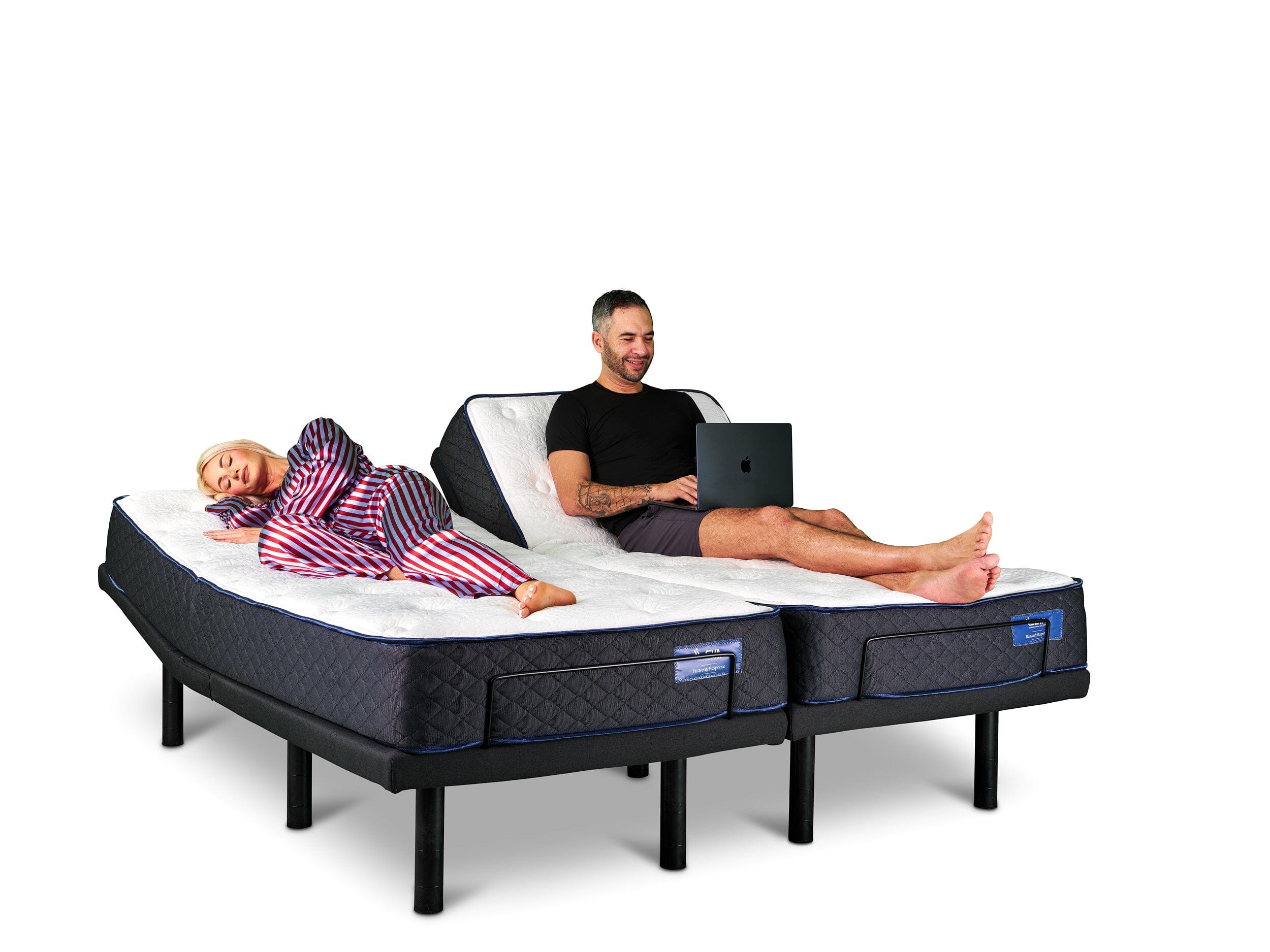
Correct split configuration prevents bunching and pull-off during independent movement. Split-head king sheets are designed for bases where only the head section articulates independently on each side. Full-split king sheets are built for bases where both the head and foot sections move independently, which creates four articulation points instead of two.
Using split-head sheets on a full-split base causes foot-end bunching every time the foot section elevates. To confirm compatibility, identify whether the base is split-head or full-split before buying sheets. Then verify that the sheet’s pocket depth and elastic specifications match the articulation range of that specific base. This split-specific construction, as used in Leva Sleep’s designs, supports independent movement on both sides of the bed and keeps full-split configurations running smoothly.
6. Temperature Regulation for Couples on Split Kings
Temperature regulation keeps both partners comfortable even when their thermal preferences differ. Couples sharing a split-king base often sleep at different temperatures, so fabric breathability becomes a functional requirement rather than a simple comfort preference. Sheets that trap heat or retain moisture disrupt sleep for the warmer sleeper and can trigger extra position changes that disturb the cooler partner.
Bamboo and Tencel are the two most common performance alternatives to cotton for adjustable-bed sheets. Both materials outperform standard cotton in breathability and environmental profile. Leva Sleep includes these compatible fabrics in its bedding collection, so couples can choose the thermal performance that matches their individual sleep environments and their care preferences.
Temperature regulation and seam durability together decide whether a sheet stays comfortable and intact over months of nightly use on an articulating base. Beyond fabric choice, the next consideration is how well the sheets support everyday usability on a tech-enabled bed.
7. Remote-Accessory Pocket Placement for Easy Control
Remote-accessory pockets keep controls close without cluttering the bed. App-controlled and remote-operated adjustable bases work best when the remote or smartphone stays accessible from bed without disturbing a partner. Sheets without integrated storage pockets push users to leave remotes on nightstands or under pillows, which increases the chance of accidental position changes or fumbling in the dark.
To assess pocket placement, confirm that the sheet includes a side pocket positioned at a reachable height when lying down. Also check that the pocket opening is large enough for the base’s remote or a standard smartphone. Leva Sleep’s bedding integrates side remote pockets sized for the specific remote dimensions used across its adjustable base lineup, which keeps controls within reach while keeping the sleep surface clear.
8. Long-Term Durability After Repeated Articulation
Long-term durability reflects how fabric and elastic handle years of movement. Fabric and elastic fatigue build up over time on any sheet used with an articulating base. The combination of nightly stretching, laundering, and mechanical flex degrades elastic tension and weakens seam integrity faster than the same processes on flat beds.
This accelerated wear becomes even more pronounced when sheets do not fit properly from the start, which happens often with adjustable-bed sheet purchases. Sheets that fit imprecisely compensate for poor fit by staying under constant tension, and that constant pull speeds up the fatigue that already affects them more than sheets on flat beds.
To evaluate long-term durability, examine the elastic band width and the fabric weight. Wider bands spread stress over more material and resist fatigue longer. Heavier fabric weights in bamboo or performance blends maintain structural integrity through more articulation cycles than lightweight alternatives. Leva Sleep’s documented construction standards address both elastic band width and fabric weight to create sheets that match the mechanical demands of nightly adjustable-base use.
Frequently Asked Questions
How do I keep sheets from popping off when the head raises?
The most reliable approach uses a fitted sheet with deep pockets at least two to three inches deeper than the mattress height, paired with full 360-degree band elastic. Corner-only elastic cannot maintain grip during head elevation because the fabric between corners has no tension mechanism. Reinforced corner seams then keep the anchor points from separating under the pulling force created during articulation. Sheets designed specifically for adjustable bases, such as those in Leva Sleep’s bedding collection, combine all three features.
What is the difference between split king and split-head king sheets?
A split-head king base elevates only the head section independently on each side, while the foot section stays flat. A full-split king base allows both the head and foot sections to move independently on each side, which creates four separate articulation points. Split-head sheets are built for two articulation points and will bunch at the foot end on a full-split base. Full-split sheets are built for all four articulation points and are the correct choice for bases where both partners can elevate their feet independently.
Are bamboo or Tencel sheets better for adjustable beds?
Both materials outperform standard cotton in breathability and moisture management, but they differ in durability and care. Bamboo sheets are more durable, machine-washable, and dryer-safe, which suits the frequent laundering that adjustable-bed sheets receive. Tencel sheets wick moisture and feel cool against the skin but can weaken under high heat, so they often require air drying. For couples who want strong temperature regulation with low-maintenance care, bamboo usually offers the more practical option for adjustable-bed use.
Do I need separate sheets for each side of a split king?
Each side of a split king needs its own fitted sheet to allow independent movement. A split-king configuration uses two twin XL mattresses, each on its own adjustable base. Each mattress requires a separate fitted sheet so one partner’s position changes do not pull the sheet off the other partner’s mattress. A single king-size fitted sheet cannot handle independent articulation on both sides. Leva Sleep’s split-king bedding comes as a pair of twin XL fitted sheets with matching flat sheets and pillowcases, which creates a coordinated system for both sides of the bed.
How often should adjustable-bed sheets be replaced?
Adjustable-bed sheets usually wear out faster than sheets on flat beds because of nightly stretching and repeated flex cycles. Elastic tension and seam integrity are the first elements to degrade. Inspect the elastic band for loss of resistance and the corner seams for thread separation every six months. Replace sheets that no longer maintain a secure fit during articulation, even if the fabric still looks good, because a loose sheet disrupts sleep as much as a visibly worn one.
Conclusion: Choosing Sheets That Match Adjustable Bases
Each criterion in this framework addresses a specific way standard sheets fall short on split-king adjustable bases. Pocket depth determines whether a sheet can handle full articulation. Elastic coverage and corner anchor strength decide whether it stays in place during movement. Seam durability and split-configuration compatibility influence whether it remains functional over months of nightly use.
Temperature regulation, remote-pocket placement, and long-term construction quality shape the broader sleep environment that couples expect from an adjustable base. Measure current sheets against this checklist before the next purchase. Sheets that miss multiple criteria will continue to disrupt sleep, no matter how advanced the base programming may be. Purpose-built bedding for articulating surfaces solves these issues at the source. Visit Leva Sleep online or in La Jolla to compare adjustable-bed sheet options in person.