Written by: Matthew Timmins, Founder and Managing Director, Leva Sleep
Key Takeaways for Couples Sharing a Bed
- Sleep divorce affects 31% of U.S. adults due to temperature differences, yet dual-zone beds let partners stay together with separate comfort settings.
- Active cooling systems such as water-circulated pads (ChiliPad, Eight Sleep) deliver precise, lasting dual-zone temperature control, while passive materials lose effectiveness overnight.
- Split adjustable bases add elevation for anti-snore positioning, motion isolation, and health benefits alongside temperature regulation.
- Quiet operation between 30 and 50 dB, simple maintenance, and smart budgeting matter as prices range from about $699 (BedJet) to over $9,000 (Tempur-Pedic).
- Leva Sleep provides expert split adjustable setups with dual-zone cooling, German motors, and white-glove service, so couples can get tailored guidance on shared sleep solutions at Leva Sleep.
Start Here: Clarify Your Dual-Zone Temperature Needs
Begin by assessing each partner’s sleep preferences and physical needs. Document individual temperature preferences, body types, existing sleep disruptions such as snoring or joint pain, and available bedroom space for split configurations. These factors determine whether you need active cooling for major temperature differences, split functionality for different elevation needs, or both. Partners with strong temperature differences, motion transfer issues, or medical conditions that benefit from elevation should prioritize active dual-zone systems over passive cooling materials because active systems maintain independent zones all night.
Consult a healthcare provider if sleep apnea, chronic pain, or circulation issues affect sleep quality. Consider split adjustable systems that address snoring, pressure relief, and temperature at the same time, then compare overall value against premium competitors while seeking retailers with proven dual-zone and split configuration expertise.
Step-by-Step Guide to Choosing Your Ideal Temperature Control Bed
Step 1: Decide Between Active and Passive Cooling
Choose between active cooling technology and passive cooling materials based on how hot each partner sleeps. Active cooling systems such as air-based bFan under-sheet fans or water-circulated pads like ChiliPad provide continuous, sustained temperature control throughout the night, while passive materials only feel cool at first and warm up as body heat builds.
Water-based active cooling systems like ChiliPad or Eight Sleep can cool the bed surface down to about 55°F, which helps with severe overheating or night sweats. For couples with very different temperature needs, active systems that support dual-zone control, such as water-circulated pads from ChiliPad or Eight Sleep, or one-sided airflow like bFan, allow each partner to fine-tune comfort on their own side.
Step 2: Check How Well Split Adjustable Bases Fit Your Life
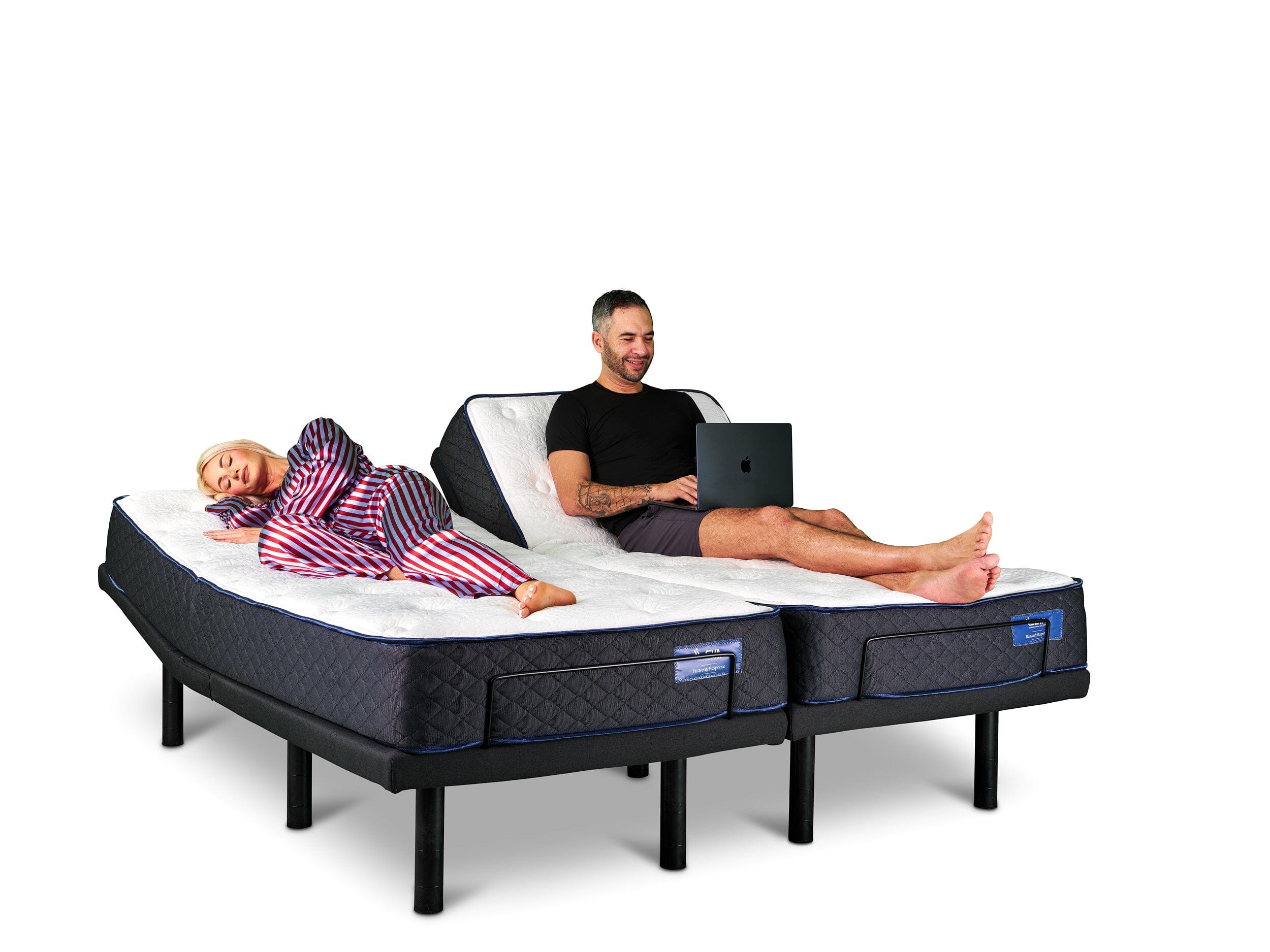
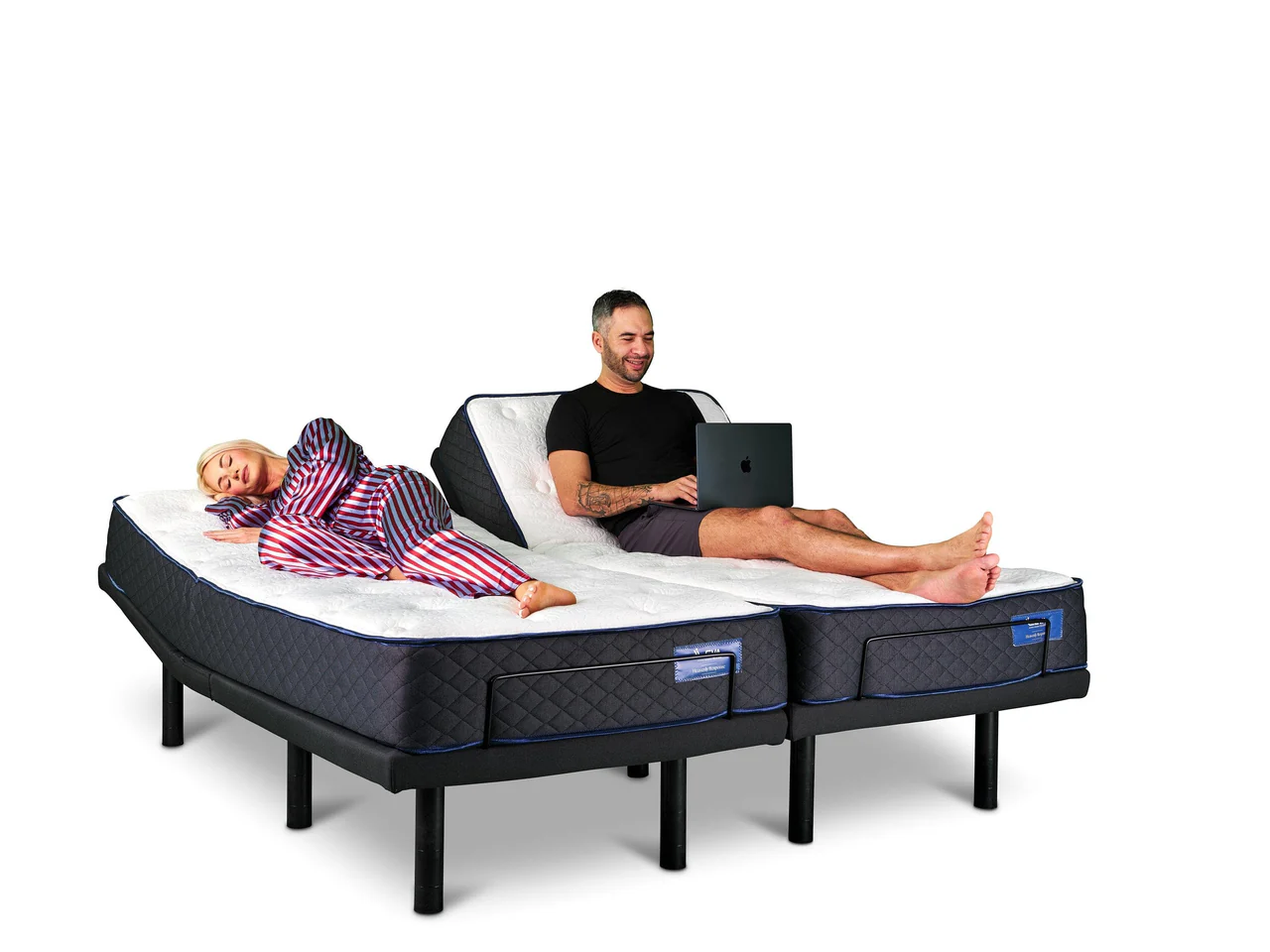
Split adjustable beds give each partner independent elevation control, which helps with snoring, sleep apnea, and joint pain while still supporting dual-zone temperature control. This combination works especially well for couples who need different sleep positions along with different temperature settings. The following comparison shows how split adjustable systems outperform non-split beds across temperature, elevation, and motion isolation.
| Feature | Split Adjustable | Non-Split |
|---|---|---|
| Temperature Control | Independent dual-zone | Shared or compromise |
| Elevation | Per-side anti-snore positioning | Single uniform adjustment |
| Motion Isolation | High with hybrid construction | Varies by mattress type |
Eight Sleep Pod1 includes built-in elevation that automatically adjusts positioning to reduce snoring and relieve pressure, along with integrated sound features to stabilize the sleep environment, which illustrates how integrated systems can handle several sleep issues at once.
Step 3: Compare Cooling Technologies and 2026 Smart Features
Water-circulated cooling pads like ChiliPad or Eight Sleep offer very precise temperature control and reliable dual-zone support for couples, though they typically cost between $699 and $2,000 or more and need regular cleaning and maintenance.
Eight Sleep Pod 5 employs 35 contactless sensors to track biometrics including heart rate, breathing patterns, movement, snoring, temperature, and sleep trends, with an app that lets users view data, make remote adjustments, and use AI for automated thermal and environmental adjustments. These smart features help couples fine-tune comfort without constant manual changes.
BedJet 3 maintenance is low, requiring no plumbing or water reservoir refills unlike water-based systems, which suits couples who want easier upkeep and fewer cleaning tasks.
Step 4: Focus on Motion Isolation for Fewer Nighttime Wake-Ups
Motion transfer directly affects how often partners wake each other during the night. Research shows that one partner’s movements can trigger awakenings and lighter sleep stages.
Memory foam and pocketed coils are the top materials for motion isolation, ideal for couples with mismatched sleep schedules or restless sleepers. Hybrid mattresses that use pocketed coils often balance strong motion isolation with compatibility for temperature regulation systems.
Explore how Leva Sleep’s split adjustable beds pair motion-isolating mattresses with heating and cooling pads so couples can enjoy both quiet movement and personalized temperature on each side.
Step 5: Choose Adjustability Features That Support Health
Health-focused adjustability features can make temperature control more effective and more comfortable. Modern adjustable bases offer whisper-quiet motors, anti-snore positioning, and app-controlled presets for quick changes. Leva Sleep’s systems use German motors for very quiet operation, which helps prevent sleep disruption during position changes.
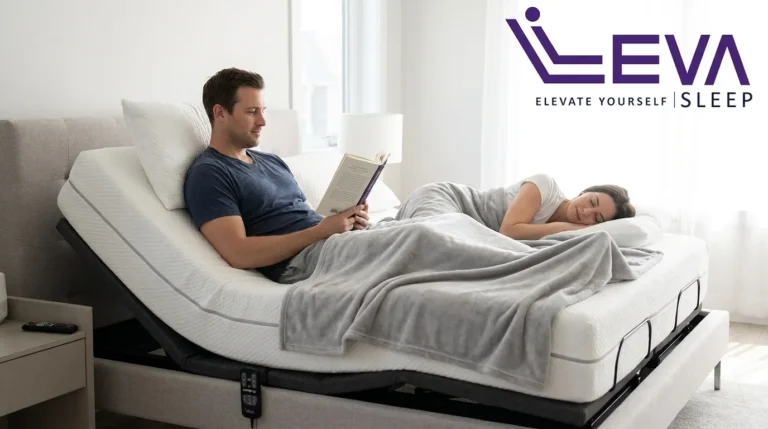
Anti-snore modes gently raise the upper body to open airways, which benefits both partners. Zero-gravity positioning reduces pressure on joints and improves circulation, while independent lumbar support targets individual back pain. These features complement cooling by creating supportive positions that reduce tossing, turning, and overheating from discomfort.
Step 6: Weigh Long-Term Costs, Noise, and Maintenance
BedJet 3 dual-zone air-based systems, which use two units and dual Cloud Sheets, usually cost less than comparable water-based dual-zone systems. At the high end of the market, Tempur-Pedic’s TEMPUR-ActiveBreeze Smart Bed in queen size is priced at $9,698, which reflects a premium feature set and brand positioning.
Noise levels also affect long-term satisfaction. bFan produces noise levels of 28 dB at the lowest speed, about 35 dB midway, and about 54 dB at full speed when measured 18 inches away. Water systems like the Chilipad Dock Pro typically run at moderate noise levels around 50 to 55 dB. BedJet 3 operates at about 45 to 50 dB during normal fan speeds, similar to a quiet desktop fan. Couples who are sensitive to sound should compare these ranges before deciding.
Step 7: Look for Real Value and Proven Expertise
Retailers with a broad range of adjustable bed models and deep knowledge of split configurations usually deliver better long-term value. Look for systems that offer premium features through direct-to-consumer manufacturing and local assembly, which can reduce costs without cutting quality.
US-made mattresses, German motors, and white-glove delivery often signal a stronger value proposition. Split Queen expertise especially helps space-conscious couples who want personalized comfort while keeping a clean, cohesive bedroom look.
Troubleshooting Common Pitfalls and Safety Considerations
Avoid These Frequent Temperature Bed Mistakes
Noisy motors can undermine an otherwise great setup, so quiet operation should stay near the top of your checklist. Leva Sleep’s German motors run very quietly, which helps prevent disturbances during position adjustments. Also confirm that fitted sheets work with adjustable motion by choosing deep pockets and strong elastic, which keep sheets in place during elevation changes.
BedJet 3 long-term pitfalls include limited cooling that cannot go below room temperature, since it cools through room-temperature air ventilation and evaporation and becomes less effective above 79°F room temperatures. This example highlights why couples should match cooling technology to their typical bedroom conditions.
Safety and Medical Guidance for Adjustable and Cooling Beds
Speak with a healthcare provider before using elevation features to manage sleep apnea or circulation problems. Proper positioning can reduce snoring and improve breathing, yet medical supervision helps ensure safe use. Leva Sleep’s anti-snore positioning offers gentle elevation that opens airways while still supporting comfort for both partners.
Measuring Success and 2026 Decision Criteria
Evaluate your new setup by tracking sleep quality over two to four weeks. Look for fewer nighttime awakenings, better morning comfort, and reduced partner disturbances. A successful temperature control bed should allow both partners to stay in the same bed while feeling individually comfortable.
Key 2026 criteria include dual-zone active cooling, split adjustability, strong motion isolation, whisper-quiet operation, and app integration for personalized control. Leva Sleep’s systems meet these benchmarks and add expert curation plus local support, which helps couples fine-tune their configuration over time.
Advanced Features and Leva Sleep’s Specialized Solutions
AI-powered sleep tracking and automatic temperature adjustments now shape the leading edge of sleep technology. The Pod 5’s AI capabilities mentioned earlier extend beyond tracking to active intervention, automatically adjusting both temperature and elevation in real time to support deeper, more continuous sleep.
Leva Sleep has more than eight years of experience and has helped over 25,000 customers, which supports their authority in this niche. Their Split Queen and King expertise, combined with app-controlled systems and purpose-built accessories, creates complete solutions for couples who need reliable temperature control. White-glove delivery and setup help ensure that every component works correctly from the first night.
Talk with Leva Sleep about building a custom split temperature control system tailored to couples who want personalized comfort without sacrificing closeness.
Frequently Asked Questions
What is the best dual-zone temperature control setup for opposite preferences?
Split adjustable beds with active dual-zone cooling usually work best for couples with opposite temperature preferences. These systems let each partner control temperature independently while still sharing one bed. Leva Sleep’s split configurations support water-based cooling pads, air circulation systems, and app-controlled settings that can keep one side cool and the other side warmer at the same time.
Are adjustable beds a good investment for temperature control?
Adjustable beds often increase the benefits of temperature control by improving circulation and reducing pressure points through elevation changes. The combination of customized positioning and targeted cooling or heating can address snoring, joint pain, and overheating in one integrated setup. Couples should compare total value against premium competitors and focus on systems that improve both sleep quality and relationship satisfaction.
How do split adjustable beds compare to separate beds for couples?
Split adjustable beds with dual-zone temperature control keep couples physically close while still offering personalized comfort, unlike separate beds that remove nightly contact. These systems provide independent elevation, temperature, and sometimes firmness control on each side while preserving the emotional benefits of sharing a bed. Research indicates that couples who sleep while touching often report higher relationship satisfaction, which makes split systems a strong alternative to full separation.
What maintenance do dual-zone temperature control beds need?
Maintenance varies by technology. Air circulation systems such as BedJet usually require minimal upkeep, including occasional filter cleaning and hose checks. Water-based systems need more regular attention, such as reservoir cleaning, filter replacement, and leak monitoring. Leva Sleep’s hybrid approach aims to reduce maintenance while preserving performance, using German motors that need no regular servicing and cooling accessories designed for straightforward care.
How quiet are modern temperature control beds?
Most modern temperature control beds operate between about 30 and 50 decibels, similar to a quiet conversation or library. Many water-based systems run slightly quieter than air-based units, although design and installation also matter. Leva Sleep’s German motors support nearly silent position changes, and most couples adapt quickly to the gentle background sound of cooling equipment.
Conclusion: Bringing Comfort and Connection Together
Choosing the right temperature control bed for couples involves reviewing dual-zone cooling options, split adjustability, motion isolation, and long-term cost. Active cooling systems paired with split adjustable bases can address temperature differences, elevation needs, and relationship closeness in one coordinated setup.
Explore Leva Sleep’s curated split adjustable and cooling combinations to find a dual-zone solution that fits your bedroom, budget, and shared comfort goals.