Written by: Matthew Timmins, Founder and Managing Director, Leva Sleep
Key Takeaways
- Identify your top sleep disruptions with a shared 7-day journal and honest talks so you can target specific fixes.
- Sync bedtime routines with no-screens rules, shared wind-down rituals, and gradual schedule shifts to align sleep cycles.
- Create a couple-friendly bedroom with cool temperatures, blackout solutions, separate blankets, and a king mattress with motion isolation.
- Reduce snoring and restlessness through side-sleeping, elevation, lifestyle changes, and features like anti-snore technology in adjustable bases.
- Work through these 9 steps, then upgrade to Leva Sleep’s split adjustable systems for personalized comfort without sleep divorce.
Step 1: Map Your Shared Sleep Pain Points
Start by pinpointing exactly what disrupts your sleep as a couple. Keep a 7-day sleep journal that tracks snoring, movement, temperature complaints, and wake-up times. Note which partner experiences each disruption and when it happens during the night.
Schedule an honest, non-judgmental conversation about these sleep challenges. Treat this as a shared problem you will solve together, not a list of personal flaws. During this discussion, focus on common couple sleep issues such as snoring, restless leg syndrome, different firmness preferences, temperature differences, and mismatched sleep schedules.
Success indicator: You have a clear list of your top three sleep disruptions, and both partners understand how each one affects the other’s rest and daily energy.
Step 2: Sync Bedtime Routines for Better Alignment
Aligning your bedtime routines helps your bodies and minds wind down together. Create shared wind-down rituals that signal bedtime for both of you. Set a no-screens rule for one hour before sleep and replace devices with reading, gentle stretching, or herbal tea.
If your schedules differ, shift them slowly by 15 to 30 minutes each night until you meet in the middle. Build consistent pre-sleep activities you can share, such as meditation, light conversation about positive moments from the day, or synchronized breathing exercises. Dyadic interventions can improve sleep efficiency when both partners participate actively.
Keep intense topics away from bedtime. Save problem-solving and emotionally charged conversations for earlier in the evening when you both feel more alert and calm.
Step 3: Create a Couple-Friendly Sleep Environment
A shared bedroom that supports both partners makes restful nights more likely. Keep the room cool, ideally in the mid-60s Fahrenheit, and use blackout curtains or eye masks to block light. Reduce noise with earplugs, white noise machines, or fans, and consider separate blankets to prevent tug-of-war while staying close.
Choose a mattress large enough for both of you to move freely without constant disturbance. A king mattress often works best for couples who value space and comfort. Clear out electronics, work materials, and other stimulating items so the bedroom feels like a dedicated sleep space.
Handle lighting with dimmable bedside lamps and strong blackout solutions. Even small amounts of light can disrupt sleep, especially for the more sensitive partner.
Step 4: Reduce Snoring and Breathing Disruptions
Snoring often improves with simple positional changes. Encourage the snoring partner to sleep on their side instead of their back. The tennis ball technique, which places a tennis ball on the back of a sleep shirt, can discourage back-sleeping. Elevating the head of the bed by several inches can also open airways and reduce snoring.
Evaluate lifestyle factors that may contribute to snoring, such as excess weight, alcohol before bed, nasal congestion, or sleep position. Once you identify likely triggers, address nasal blockages with saline rinses, humidifiers, or nasal strips. If snoring continues after these changes, consult a healthcare provider to rule out sleep apnea.
Remember that chronic, loud snoring can signal obstructive sleep apnea. Medical evaluation and treatment protect long-term health and can also ease relationship strain caused by disrupted sleep.
Step 5: Calm Restlessness and Nighttime Movement
Movement issues like restless leg syndrome or frequent tossing can disrupt both partners. Try weighted blankets to reduce nighttime motion and create a sense of grounding. Use body pillows or separate fitted sheets on each side of the bed to limit motion transfer across the mattress.
Build movement-reduction habits during the day and evening. Avoid caffeine after 2 PM, increase daily physical activity while keeping workouts at least three hours before bedtime, and support adequate magnesium intake through food or supplements. Practice progressive muscle relaxation before sleep to release physical tension.
If one partner remains a naturally restless sleeper, look for mattresses with strong motion isolation or adjustable bases that allow each side to move independently without shaking the whole bed.
Step 6: Align Daytime Habits That Impact Night Sleep
What you do together during the day shapes how you sleep at night. Exercise together in the morning or early afternoon, since late workouts can feel too stimulating. Coordinate meal times and avoid heavy dinners within three hours of bedtime. Establish mutual caffeine cutoff times, building on the earlier recommendation to stop by mid-afternoon.
Share morning light exposure to support healthy circadian rhythms. Take short walks together, eat breakfast near a bright window, or spend a few minutes outdoors. Keep naps brief, around 20 to 30 minutes, and avoid napping late in the day.
Support each other’s stress management with shared relaxation activities, regular check-ins about daily stressors, and joint problem-solving for issues that might keep either of you awake.
Step 7: Use Communication Rituals to Protect Sleep
Regular check-ins keep small sleep issues from turning into major conflicts. Set a weekly 15-minute sleep check-in to review what feels better and what still needs work. Use neutral, non-judgmental language and focus on solutions you can try together. As mentioned earlier, working as partners instead of adversaries makes these efforts more effective.
Address sleep-related anxiety with predictable comfort rituals. If one partner feels anxious sleeping next to someone, start with low-pressure steps. Spend relaxed time reading together in bed, then move to short naps, and only later attempt full nights together.
Agree on how to handle nighttime disruptions such as snoring, movement, or bathroom trips. Create gentle wake-up signals and respectful ways to address immediate sleep disturbances without starting arguments in the middle of the night.
Step 8: Test Low-Cost Sleep Upgrades Together
Once your communication and routines feel aligned, explore affordable physical upgrades before making big purchases. Try different pillow heights, mattress toppers for softer or firmer feel, or white noise apps. Experiment with separate fitted sheets, cooling mattress pads, or weighted blankets for the more restless partner.
Track results with simple measures like wake-up frequency, morning energy, and overall sleep satisfaction for each partner. Give every change at least one to two weeks so your bodies can adjust and you can judge the impact fairly.
Document which changes help the most. This record will guide future decisions if you decide to invest in more advanced sleep technology or new bedroom furniture.
Step 9: Invest in Split Adjustable Systems as a Sleep Divorce Alternative
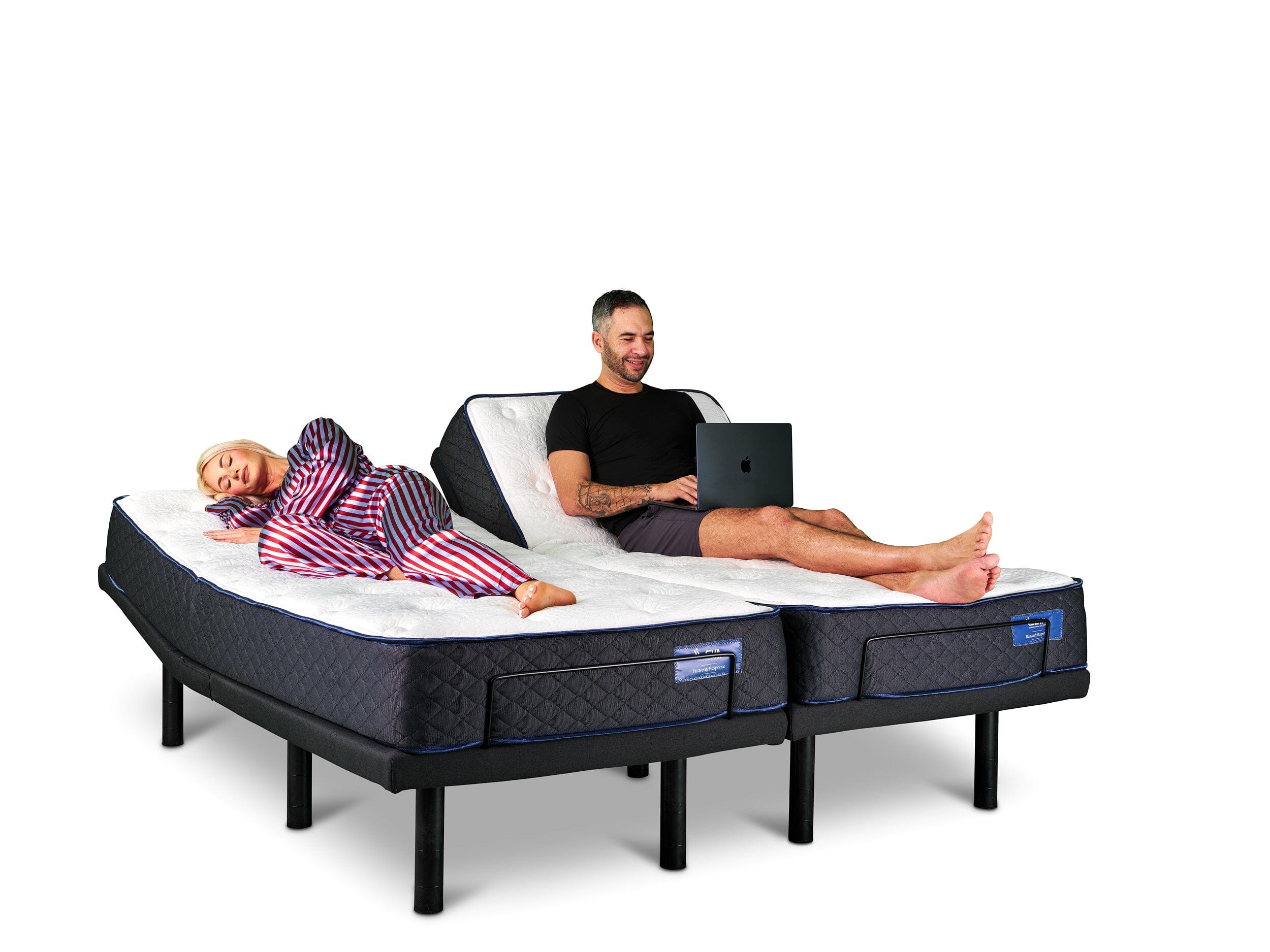
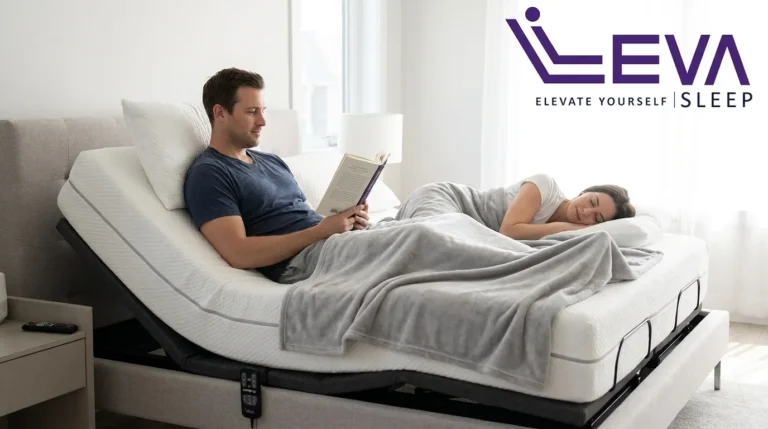
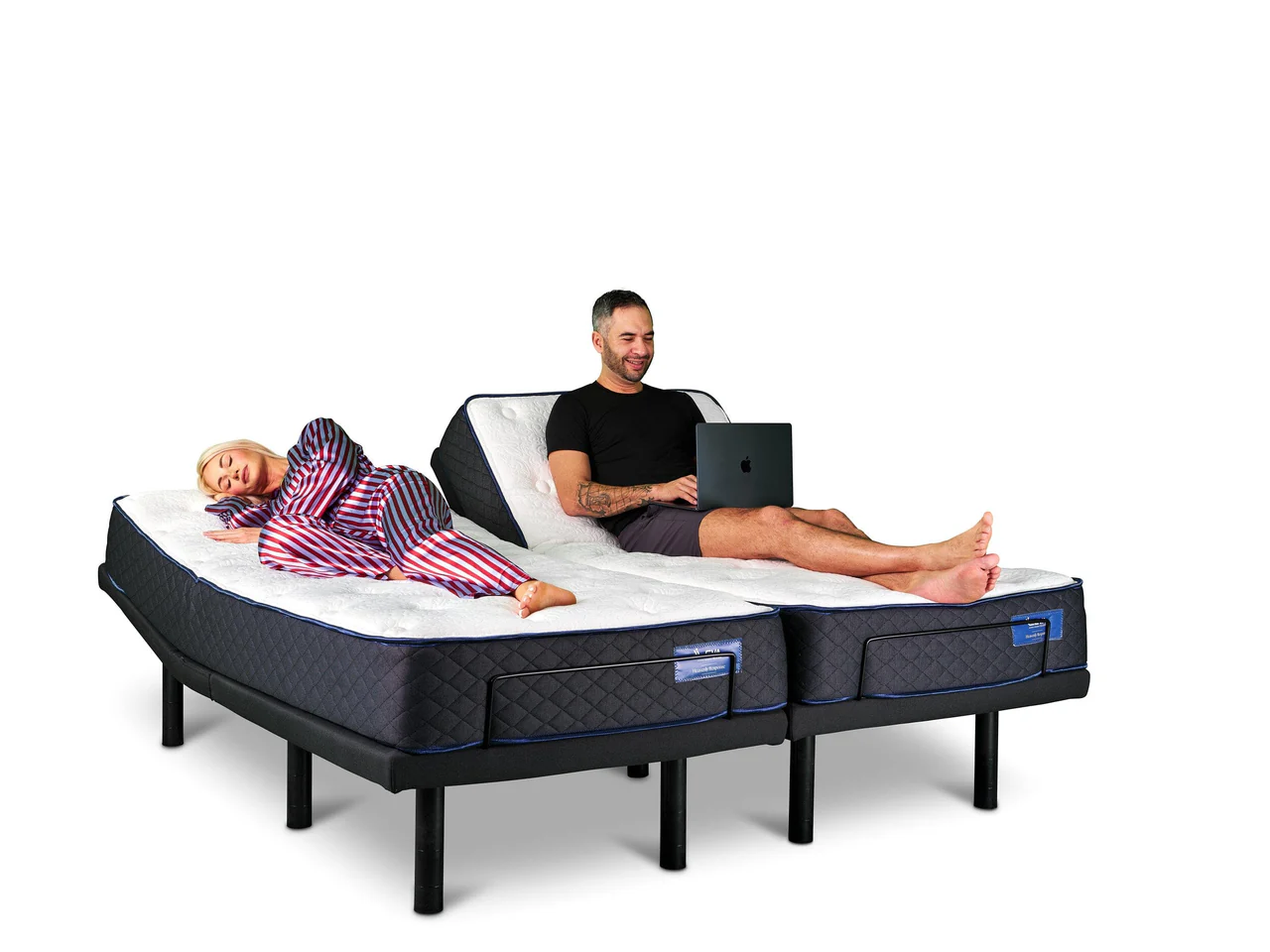
If you have tried behavioral changes, environmental tweaks, and low-cost upgrades and still struggle, a more advanced solution may help. Split adjustable sleep systems let each partner control their own side of the bed. Many modern bases include quiet motors, smartphone controls, and anti-snore positions that gently raise the head when snoring appears.
Leva Sleep’s split adjustable systems provide independent elevation, massage, and firmness controls on each side. These features can ease snoring, acid reflux, circulation problems, and different comfort preferences without forcing either partner to compromise. The anti-snore technology makes small automatic adjustments, and specialized mattresses and bedding maintain comfort even with noticeable elevation changes.
These systems typically cost 30 to 50 percent less than similar luxury options while still including white-glove delivery and setup. Split Queen models suit smaller bedrooms, while Split King setups offer maximum space and customization. Explore Leva’s split adjustable bases designed specifically for couples.
Common Mistakes, Snoring Fixes, and Sleep Divorce Alternatives
Common Couple Sleep Mistakes to Avoid
Many couples overlook medical issues such as sleep apnea, restless leg syndrome, or chronic insomnia that need professional care. Another common mistake involves changing too many variables at once, which makes it hard to see what actually works. Expect a gradual process, since most sleep habit changes take two to four weeks to show consistent results.
Advanced Strategies for Partner Snoring
Some snoring requires more targeted support. Elevating the upper body by roughly 30 to 40 degrees can keep airways more open and reduce snoring. Leva Sleep’s anti-snore technology detects snoring patterns and adjusts positioning automatically through the night. For severe snoring, combine positional therapy with medical evaluation for possible sleep apnea treatment.
Practical Alternatives to Sleep Divorce
Separate bedrooms do not have to be your first option. Split adjustable systems allow physical closeness while addressing individual needs on each side of the bed. Many couples find that two to four weeks of consistent use with a new system resolves most compatibility issues. For ongoing medical concerns, involve sleep specialists so both partners can rest more comfortably.
Track Your Progress and Get Answers
Tracking progress keeps you motivated and focused. Use sleep logs to record wake-up frequency, morning energy, and relationship satisfaction. Smartphone apps or wearable devices can add objective data about sleep quality. Most couples notice meaningful improvements within one to four weeks of steady changes.
How long does it take to adjust to different sleep habits?
Most couples need two to six weeks to adapt to new sleep arrangements or systems. Start with simple changes such as separate blankets or temperature tweaks. Then move toward larger shifts like new mattresses or split adjustable bases. Consistency and patience make these adjustments smoother.
What helps mild sleep apnea besides a CPAP machine?
Elevation therapy with an adjustable bed can ease mild to moderate sleep apnea by helping keep airways open. Leva Sleep’s adjustable systems allow precise positioning that many people find more comfortable than a mask. Severe cases still require medical guidance and may need CPAP therapy.
How do we choose between Split Queen and Split King?
Split Queen fits bedrooms under about 12 by 12 feet and gives couples independent controls without crowding the room. Split King offers the most personal space and adjustment options but needs a larger footprint. Leva Sleep supports both setups and can help you match a configuration to your space and preferences.
How can I ease anxiety about sleeping next to my partner?
Use gradual steps to rebuild comfort. Spend relaxed daytime moments together in bed, then try short naps, and finally move to full nights. Add comfort rituals and clear communication about boundaries and needs. If anxiety continues despite these efforts, consider couples counseling for added support.
What works best for a partner’s chronic snoring?
Combine several approaches for lasting relief. Encourage side sleeping, raise the head of the bed, and address lifestyle factors such as weight and alcohol use. Seek medical evaluation for possible sleep apnea when snoring remains loud or frequent. Advanced tools like Leva Sleep’s anti-snore technology can then provide automatic adjustments throughout the night.
Reclaim Restful Nights Together with Leva Sleep
Couples can repair poor sleep habits with patience, clear communication, and the right tools. These nine steps move from simple behavior shifts to advanced sleep systems so you can match solutions to your specific challenges and budget.
Quality sleep supports your health, energy, and relationship connection. When behavioral and environmental changes are not enough, Leva Sleep’s split adjustable systems offer personalized comfort for both partners while preserving intimacy.
Transform your sleep with Leva Sleep by visiting the La Jolla showroom or shopping online today. Experience how specialized sleep technology can improve your nights and your relationship.