Written by: Matthew Timmins, Founder and Managing Director, Leva Sleep
Key Takeaways
-
Adjustable beds relieve back and joint pain through zero-gravity positioning that supports spinal alignment and reduces pressure points.
-
Head elevation reduces snoring and mild sleep apnea symptoms by keeping airways open and improving sleep for both partners.
-
Targeted upper body elevation manages acid reflux and supports digestion by using gravity to keep stomach contents from rising.
-
Leg elevation improves circulation, reduces edema and nocturia, and supports senior mobility and fall prevention.
-
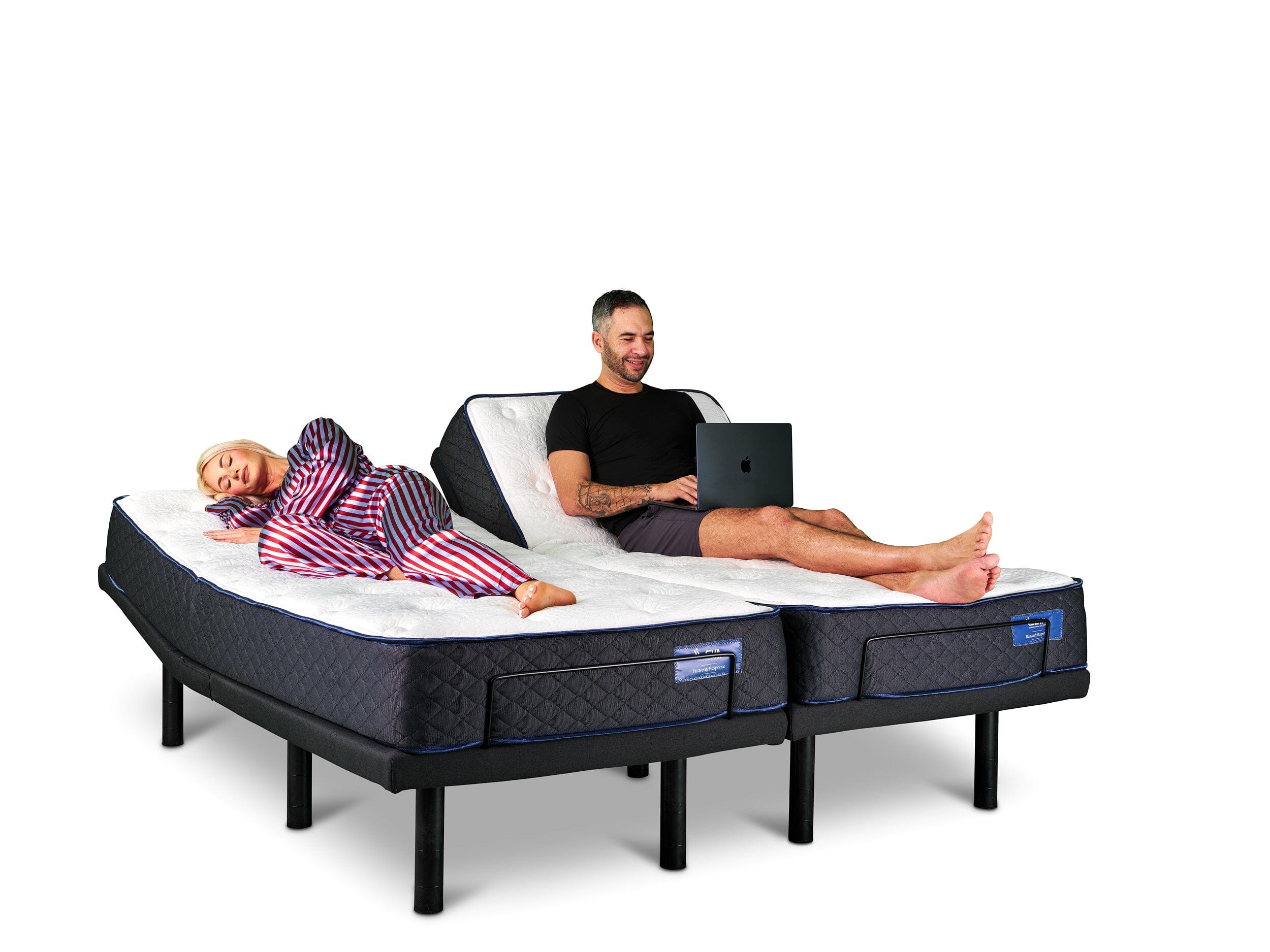
Split adjustable beds from Leva Sleep give couples independent controls, available in their La Jolla showroom or online.
1. Back and Joint Pain Relief with Zero-Gravity Support
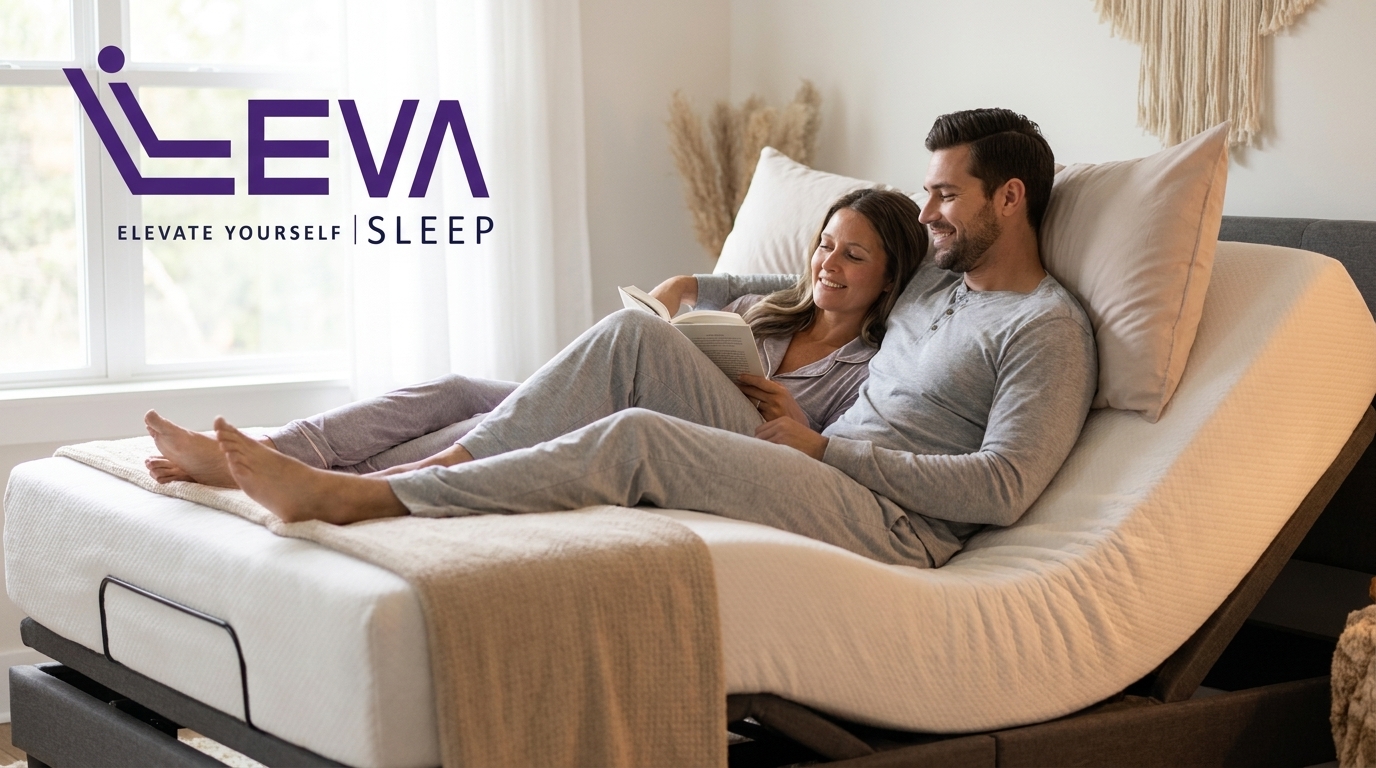
The zero-gravity position on adjustable beds eases back and joint pain by supporting a neutral spine. The zero-gravity preset position reduces pressure on the lower back and helps alleviate pain for sleepers with chronic lower back issues. Elevating both the head and legs creates a balanced posture that limits pressure points.
For pain relief, set the head at 15-30 degrees and the legs at 10-20 degrees. This arrangement spreads body weight across the mattress and reduces pressure on hips, shoulders, and the lumbar region. By minimizing these pressure points, the zero-gravity position also supports circulation, which particularly benefits seniors. The zero-gravity position reduces pressure on the lumbar spine and can improve circulation, offering benefits for seniors.
Modern adjustable beds address older concerns about loud motors. Leva Sleep uses whisper-quiet German motors that avoid disruptive sounds during position changes. With over 25,000 satisfied customers and eight years of experience, Leva Sleep has refined its systems to deliver therapeutic positioning while preserving sleep quality for both partners.
2. Reduced Snoring and Sleep Apnea with Head Elevation
Beyond pain relief, adjustable positioning also targets snoring and mild sleep apnea. Head elevation on adjustable beds offers a natural way to reduce snoring and related symptoms. Elevating the head of the bed may help reduce snoring by partially counteracting gravity’s pull on the tongue and throat tissues that narrow the airway. This position keeps the airways more open and reduces the vibrations that create snoring sounds.
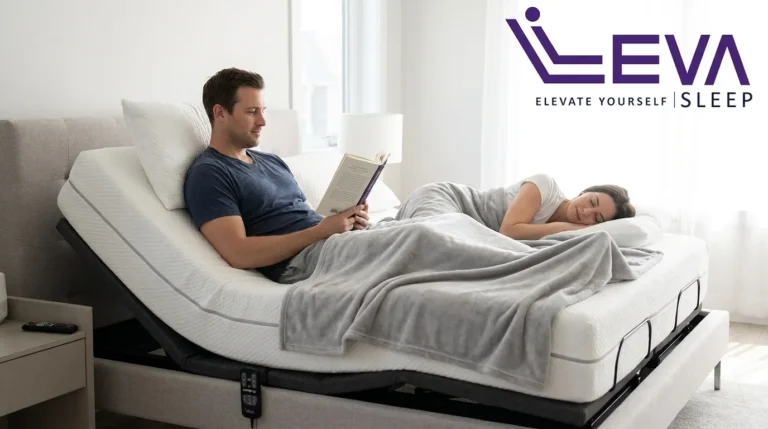
For snoring relief, raise the head section 20-45 degrees. This range helps keep the airway open while remaining comfortable for a full night of sleep. Adjustable beds help encourage side sleeping, a positional therapy that reduces snoring, for both partners.
Snoring relief also improves relationship quality. When partner snoring is properly treated, couples report better sleep quality, improved mood, more patience, greater intimacy, lower stress, and reduced health risks. Adjustable beds with anti-snore features can detect snoring and make small automatic adjustments that refine head position throughout the night.
3. Acid Reflux Relief with Targeted Upper Body Elevation
Gastroesophageal reflux disease (GERD) often disrupts sleep, especially when symptoms flare at night. Head elevation using an adjustable bed can help manage GERD symptoms through gravity-assisted positioning. This approach supports symptom control without adding extra pillows that shift overnight.
Head and upper body elevation in adjustable beds is a common medical recommendation for GERD. Elevating the upper body places the esophagus above the stomach and uses gravity to keep stomach contents from moving upward.
The ideal elevation for reflux relief usually falls around 15-20 degrees on most adjustable bases. Research on head-of-bed elevation supports its use for nighttime GERD to improve sleep quality. Unlike wedge pillows that can slide or feel unstable, adjustable beds maintain a steady angle all night.
4. Improved Circulation and Edema Relief with Leg Elevation
Leg elevation on adjustable beds supports circulation and helps reduce swelling. Adjustable bases that keep the legs elevated may help optimize circulation to reduce swelling from edema, which occurs most often in the feet and ankles. Elevation assists venous return, so blood moves back toward the heart more efficiently.
Adjustable bases can improve circulation and reduce leg swelling (edema), particularly for conditions like varicose veins and post-surgery recovery, through leg elevation. This support provides therapeutic benefits while still allowing comfortable, uninterrupted sleep.
Better circulation can also ease nocturia symptoms. Elevating the legs using adjustable beds may help balance fluid levels to alleviate nocturia (frequent nighttime urination). For couples where only one partner needs leg elevation, split adjustable bases allow independent leg positions without affecting the other side.
5. Split Adjustable Beds for Couples Who Sleep Differently
Split adjustable beds give couples a way to stay in the same bed while meeting different sleep needs. Sleep incompatibility often pushes partners toward separate bedrooms, yet split bases offer a shared alternative. Snoring-related sleep loss in couples leads to resentment, separate sleeping arrangements, reduced intimacy, arguments fueled by fatigue, and feeling dismissed. Independent controls help prevent these patterns.
Leva Sleep focuses on Split Queen and Split King setups and offers 15-20 adjustable models, compared with the 3-5 options at many standard retailers. Each partner can set their own head height, foot height, massage level, and firmness through individual app controls. This flexibility removes the need to compromise on a single flat position.
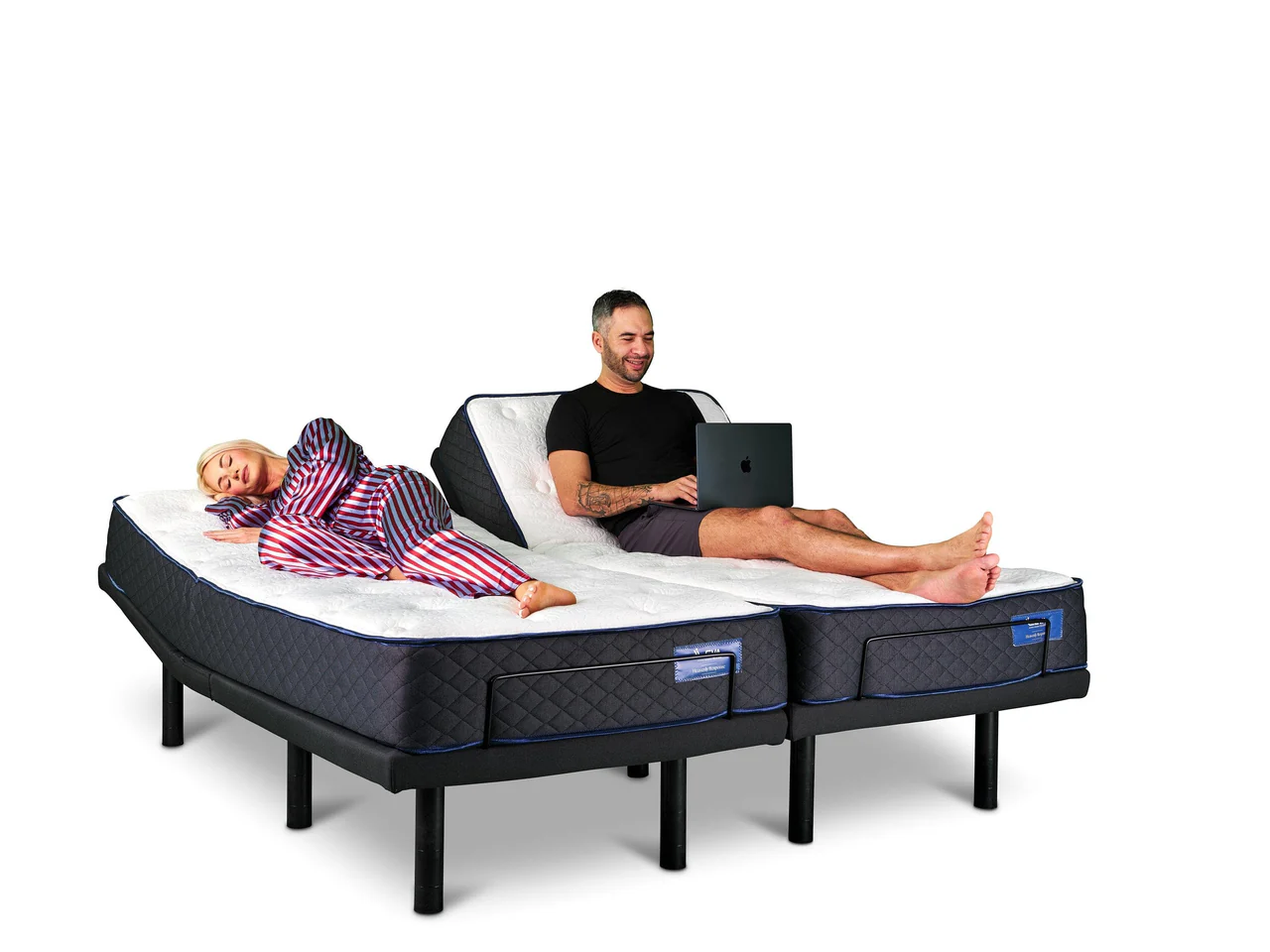
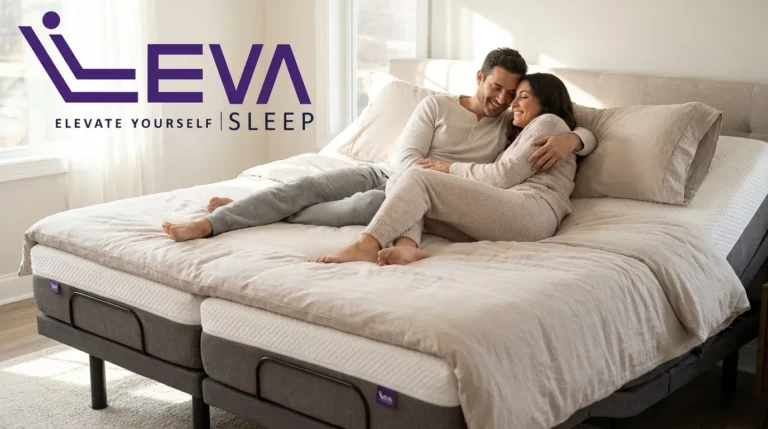
These systems also support emotional connection. Couples can stay close physically while still meeting individual health needs. One partner can elevate for reflux or back pain while the other remains flat or chooses a different firmness, avoiding the pressure to accept a one-size-fits-all surface.
6. Senior Mobility and Fall Prevention with Adjustable Bases
Adjustable beds support safer movement for seniors and people with mobility challenges. Adjustable bases aid senior mobility and reduce fall risk, which accounts for 85% of injury-related hospitalizations for Canadians over 65, by elevating to a seated position (45+ degrees) that eases getting in and out of bed.
The sit-up feature turns the bed into a chair-like position and reduces strain on joints and muscles during transitions. Adjustable leg heights can also aid seniors with mobility issues when getting in and out of bed. Height adjustments can match walkers, canes, or other mobility aids.
For seniors with arthritis or chronic joint pain, adjustable beds allow small changes in position throughout the night. Adjustable beds relieve arthritis and joint pain symptoms, which commonly flare at night, by enabling position adjustments to reduce pressure on sore areas. Leva Sleep’s app controls make these changes easy without physical effort.
7. Broader Digestive Comfort Beyond Acid Reflux
Adjustable beds also support digestion more broadly, beyond GERD-specific relief. Digestive discomfort after evening meals often interferes with falling and staying asleep. Gentle upper body elevation uses gravity to assist the digestive process and reduce pressure in the upper abdomen.
The ideal position for general digestive comfort usually raises the head and torso about 10-15 degrees. This mild incline supports natural gastric emptying while remaining comfortable for a full night. Couples with different digestive needs can use split bases so one partner elevates slightly while the other remains flat.
Leva Sleep’s precise motor controls allow small adjustments to find a comfortable angle for digestion. Quiet operation prevents noise from waking a partner, and app controls make it simple to adjust if discomfort appears during the night.
8. Deeper Sleep with Personalized Positions and Presets
Personalized sleep settings help people fall asleep faster and stay asleep longer. Adjustable beds allow control over position, firmness, massage, and sometimes temperature. This level of control reflects the reality that ideal sleep conditions differ from person to person.
Position presets make this personalization easy to repeat. Leva Sleep’s app-controlled systems store multiple presets so users can quickly switch between reading, watching television, and sleeping positions. Saved settings remove nightly guesswork and support consistent routines.
For couples, independent personalization prevents one partner from sacrificing comfort for the other. Each person can fine-tune position, massage, and firmness on their side. This approach creates a shared bed that still feels custom-built for each sleeper.
9. Personalized Temperature Control for Each Side of the Bed
One of the most impactful aspects of personalization involves temperature control. Temperature differences often cause conflict when one partner sleeps hot and the other sleeps cool. Split adjustable beds help by supporting separate temperature zones for each side. Leva Sleep systems can pair with heating and cooling pads that deliver targeted temperature control.
Elevation also influences temperature comfort. Slightly raising the head and legs improves airflow around the body and supports natural cooling. This passive airflow works alongside active heating and cooling systems.
Advanced temperature features include programmable schedules that follow natural body temperature changes. Settings can warm the bed before bedtime and then cool it during deeper sleep stages. Independent controls let each partner follow a different schedule while sharing the same bed.
Common Concerns About Adjustable Beds and Practical Solutions
Many people still associate adjustable beds with noisy motors, high prices, and clinical styling. Modern designs, especially from focused brands like Leva Sleep, address these concerns through better engineering and design. Whisper-quiet German motors remove the loud mechanical sounds that older models produced.
Cost concerns ease with Leva Sleep’s direct-to-consumer approach, which offers about 30-50% savings compared with traditional retail markups. Vertical integration and local assembly help control costs while maintaining quality. Long-term health benefits and better sleep often offset the initial purchase price.
Design has also evolved. Furniture-style frames and premium materials help adjustable beds blend into modern bedrooms. Leva Sleep systems emphasize both performance and appearance, so the bed supports health while still matching the room’s style.
Frequently Asked Questions
Do adjustable beds improve sleep quality?
Adjustable beds improve sleep quality for many people by supporting spinal alignment and reducing pressure points. They also allow positions that address conditions such as sleep apnea, acid reflux, and circulation problems. Custom positions often lead to deeper, more restorative sleep and fewer nighttime awakenings.
Are adjustable beds effective for snoring and sleep apnea?
Adjustable beds can reduce snoring and help with mild sleep apnea by elevating the head and keeping airways more open. A 20-45 degree head elevation range helps counter gravity’s pull on throat tissues and lowers the risk of airway narrowing. Anti-snore features that detect snoring and adjust head height automatically can further support breathing.
Can couples use adjustable beds safely and comfortably?
Split adjustable beds are built for couples and provide separate controls for each side. This setup lets partners manage individual health needs and comfort preferences without disturbing each other. Leva Sleep specializes in Split Queen and Split King systems that use quiet motors so position changes do not wake a partner.
What are the main disadvantages of adjustable beds?
Older adjustable beds often had noisy motors, higher prices, and a medical look. Modern models from focused manufacturers like Leva Sleep address these issues with quiet German motors, direct-to-consumer pricing that offers 30-50% savings, and furniture-quality designs that enhance bedroom decor.
How should I choose the right adjustable bed?
Key factors include motor quality, app controls, split options for couples, and brand expertise. Look for quiet operation, a wide range of positions, and companies that specialize in adjustable beds. Leva Sleep offers 15-20 models, compared with the 3-5 options at many general mattress retailers, which provides more choice and deeper product knowledge.
Conclusion: Restore Shared Sleep with Leva Sleep
These nine health benefits show how adjustable beds can reshape sleep quality and relationship dynamics for couples. Pain relief, better circulation, snoring reduction, digestive support, and personalized comfort work together to address common sleep disruptors at their source.
Leva Sleep’s specialized focus on adjustable sleep systems and proven track record position them as a strong choice for couples seeking better shared sleep. Their Split Queen and Split King configurations, whisper-quiet German motors, and robust app controls provide the tools needed to rebuild healthy, comfortable nights together.