Written by: Matthew Timmins, Founder and Managing Director, Leva Sleep
Key Takeaways
- Falling asleep between 10-11 PM reduces cardiovascular disease risk by 25%, according to the European Heart Journal study of over 100,000 adults.
- The 10-11 PM window maximizes growth hormone release during deep non-REM sleep, which supports tissue repair, muscle recovery, and metabolic health.
- Common barriers like snoring, back pain, and partner discomfort delay optimal bedtime; adjustable sleep systems enable independent positioning for couples.
- Consistent 10-11 PM bedtimes align circadian rhythms, enhance liver detoxification, and activate the brain’s glymphatic system for toxin clearance.
- Overcome sleep challenges with Leva Sleep’s adjustable bases featuring anti-snore technology and split configurations for personalized comfort.
The Science Behind 10-11 PM: Why This Window Matters for Adult Health
The 10-11 PM bedtime window aligns human circadian biology with the body’s most restorative sleep processes. The UK Biobank study of 103,712 adults found that those falling asleep between 10:00-10:59 PM had 25% lower cardiovascular disease risk compared to midnight sleepers and 24% lower risk than those sleeping before 10 PM. This protection stems from circadian rhythm synchronization that regulates blood pressure, heart rate, and metabolic function throughout the night.
The early sleep window also supports strong growth hormone production, which drives tissue repair and metabolic health. UC Berkeley researchers published findings in Cell showing that the largest human growth hormone pulse occurs in the first two to three hours after sleep onset during non-REM deep sleep. Approximately 70-80% of daily growth hormone secretion happens during deep slow-wave sleep, so an earlier bedtime helps you capture this powerful repair window.
The following data from the European Heart Journal study shows how different bedtime windows affect cardiovascular risk and highlights why the 10-11 PM window matters.
| Bedtime Window | Cardiovascular Risk Increase | Source |
|---|---|---|
| 10:00-10:59 PM | Baseline (lowest risk) | European Heart Journal |
| 11:00-11:59 PM | Higher risk | European Heart Journal |
| Before 10:00 PM | +24% higher risk | European Heart Journal |
| Midnight or later | +25% higher risk | European Heart Journal |
10 PM to 4 AM Sleep: Helpful but Not Always Enough
The 10 PM to 4 AM window provides six hours of sleep that captures many of the most restorative phases. Sleep experts identify 10 PM to 2 AM as the “golden hour” when growth hormone and melatonin secretion peaks, with the glymphatic system working 10 times more intensely to clear toxic proteins from the brain. Most adults still need 7-9 hours of sleep, so a 10 PM to 5-7 AM schedule usually provides more complete rest.
How Sleep Between 10 PM and 2 AM Maximizes Recovery
The 10 PM-2 AM window covers peak liver detoxification and sets up the rest of the night for recovery. Melatonin reaches its highest levels between 2 AM and 4 AM, which supports deep, stable sleep. This early growth hormone surge, as the UC Berkeley study demonstrated, is critical for muscle repair, fat metabolism, and bone density.
While the science clearly demonstrates the value of early bedtime, achieving this optimal window presents practical challenges for many couples.
Common Barriers to Achieving 10-11 PM Bedtime
Many couples struggle to reach the optimal bedtime window because of physical discomfort and partner conflicts. Snoring affects sleep quality for both partners, and back pain, hip discomfort, and temperature differences create additional challenges. Traditional flat mattresses force compromises that leave one or both partners uncomfortable. Bedtime often gets pushed later as couples search for relief.
Sleep irregularity compounds these problems and increases health risks. A study of 3,231 midlife adults found that irregular bedtimes doubled the risk of major adverse cardiac events compared to regular bedtimes among participants with below-median sleep duration (≤7 h 56 min). When couples cannot find comfortable positions together, they often delay sleep or move to separate sleeping arrangements, which disrupts routine even more.
How Adjustable Sleep Systems Enable 10-11 PM Rest
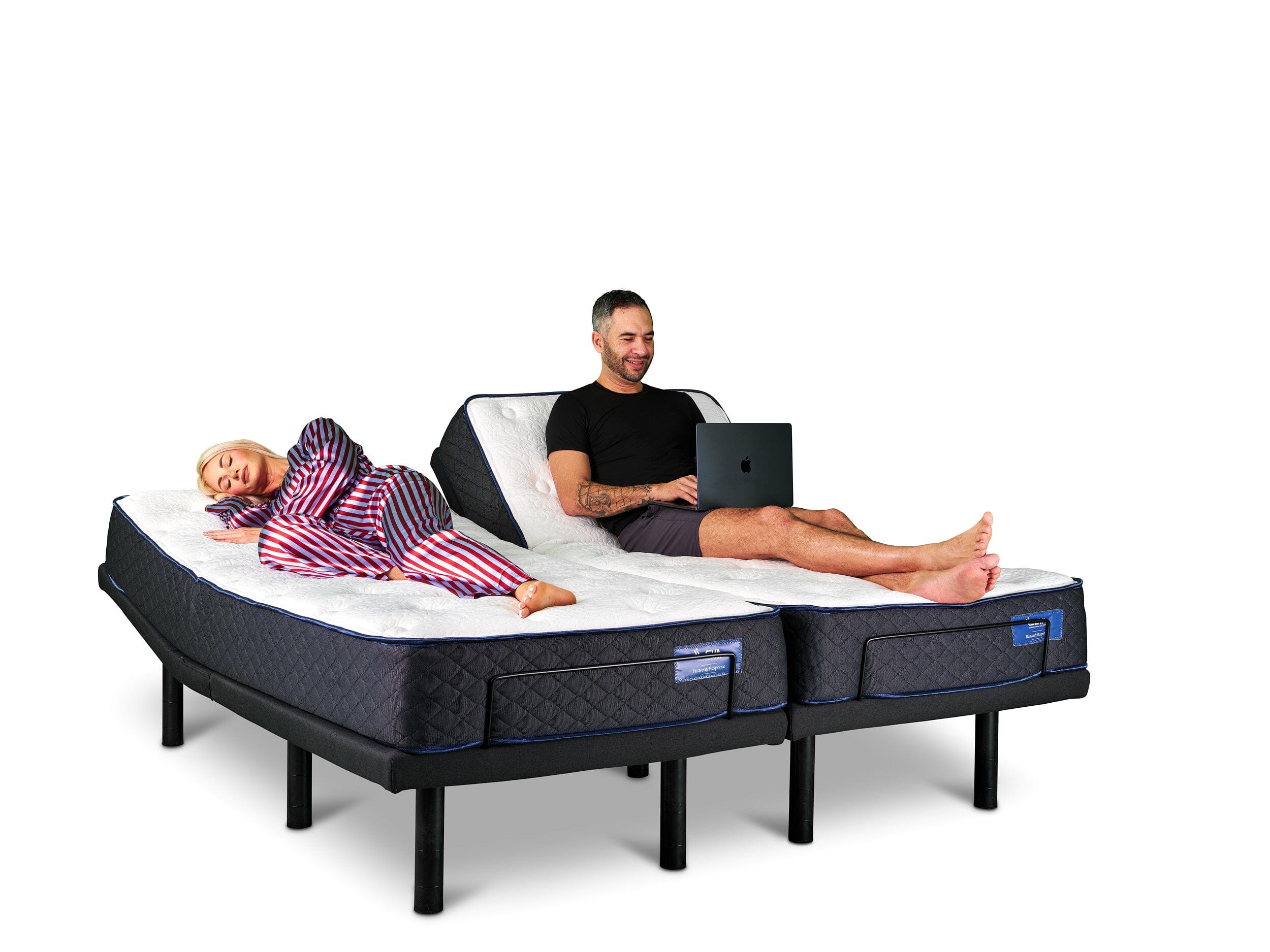
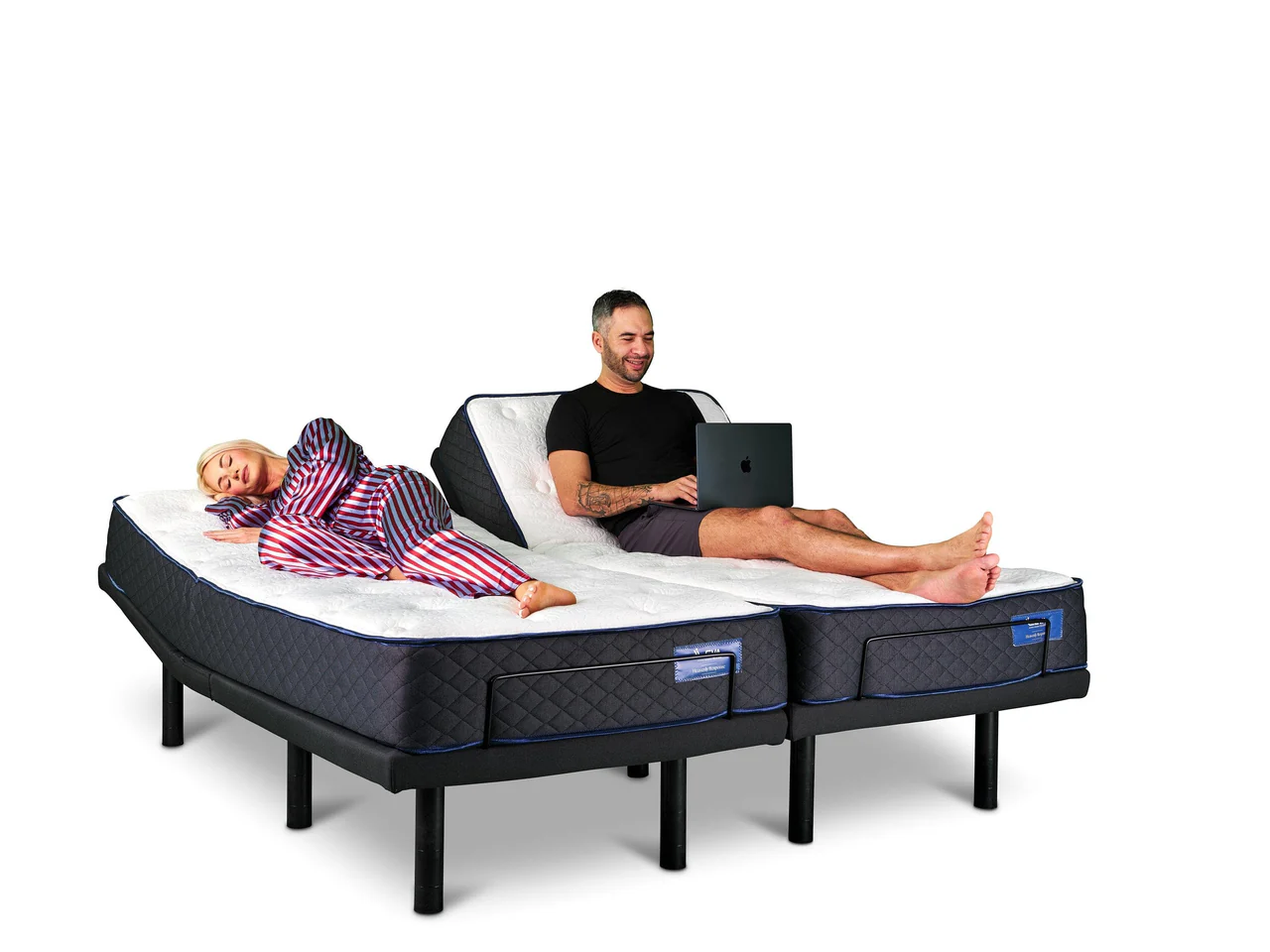
Adjustable sleep systems remove many of the obstacles that prevent an earlier bedtime by allowing personalized positioning for each partner. Split adjustable bases provide independent elevation controls, so one partner can reduce snoring through head elevation while the other finds lumbar support for back pain relief. Leva Sleep specializes in these solutions with 15-20 adjustable models compared to the 3-5 found at standard retailers, featuring whisper-quiet German motors and anti-snore technology that makes micro-adjustments throughout the night. See how split base configurations solve partner sleep conflicts and help both of you reach the 10-11 PM window.
Optimizing Sleep Routines for 10-11 PM Success
Consistent 10-11 PM bedtimes come from a mix of daily habits and a supportive sleep environment. Start by calculating backwards from your desired wake time and give yourself 7-9 hours for complete rest. To prepare your body for this earlier bedtime, dim lights two hours beforehand, which supports natural melatonin production and signals that sleep is coming. Once you have set your target bedtime, keep your schedule steady even on weekends to strengthen circadian rhythms and make the 10-11 PM window feel natural.
Positions and Technology for Deeper Sleep
Elevation and smart positioning improve sleep quality and support healthy hormone patterns. Consistent bedtime and wake-up times help align circadian rhythms with the growth hormone-release circuit, while alcohol near bedtime, excessive heat, and light fragment non-REM sleep and blunt the hormone surge. Leva Sleep’s adjustable systems provide precise positioning controls, integrated heating and cooling, and specialized bedding designed to move smoothly with elevation changes.
Technology features also help couples stay asleep once they reach bed on time. Unlike basic adjustable beds that create noise and disruption, Leva’s systems use whisper-quiet operation and seamless bedding integration to maintain comfort during position changes. Leva’s anti-snore mode detects breathing disruptions and makes subtle adjustments automatically, while app controls allow fine-tuning of positions to support deep, stable sleep. These features create a more restorative night than traditional flat beds or basic adjustable options that lack advanced positioning capabilities.
Research Evidence Supporting Early Bedtime Benefits
UC Berkeley’s groundbreaking Cell study mapped brain circuits controlling growth hormone release in real time, demonstrating that deep sleep and HGH release form a two-way feedback loop where growth hormone signals the locus coeruleus in the brainstem to regulate arousal and conclude the night’s repair phase. A 2021 study found that even a single night of poor sleep reduced muscle protein synthesis by 18%, which shows how quickly sleep quality affects recovery.
Leva Sleep’s 25,000+ customers and $50 million in sales show real-world success in helping couples sleep better together. Customer reports indicate deeper, more continuous sleep after transitioning to Split King configurations, with couples maintaining shared sleeping arrangements while meeting individual comfort needs. The 30-50% cost savings compared to competitors like Ghostbed and Saatva makes premium adjustable sleep technology accessible to more couples who want better health outcomes.
Frequently Asked Questions
What is the healthiest bedtime for heart health?
The healthiest bedtime for cardiovascular protection is between 10:00-10:59 PM. Research involving over 100,000 adults found this window reduces cardiovascular disease risk by 25% compared to sleeping at midnight or later, and 24% compared to sleeping before 10 PM. This timing aligns with natural circadian rhythms that regulate blood pressure, heart rate, and metabolic function throughout the night.
Can you achieve 10 PM bedtime with a snoring partner?
Yes, adjustable sleep systems make this realistic through elevation and positioning controls. Leva Sleep’s anti-snore technology detects breathing disruptions and makes automatic micro-adjustments to head elevation, often reducing or eliminating snoring without disturbing the partner. Split bases allow independent positioning so one partner can elevate for breathing improvement while the other maintains their preferred position.
What’s the best sleep position for back pain relief?
Slight elevation of both the head and legs reduces pressure on the spine and improves alignment. Adjustable bases allow precise positioning to relieve pressure points in the hips, shoulders, and lower back. Leva Sleep’s lumbar support features provide targeted relief for the lower back region, and the ability to adjust throughout the night helps prevent stiffness from staying in one position too long.
How does Leva Sleep compare to Sleep Number?
Leva Sleep focuses exclusively on adjustable sleep systems with 15-20 models, while Sleep Number offers a broader product mix. Leva provides quieter German motors, Split Queen options that Sleep Number does not offer, and deep expertise in adjustable bed technology. The white-glove delivery and setup service ensures proper installation and education, and partnerships with premium brands like Airloom and Tempur-Pedic provide mattress options designed specifically for adjustable bases.
Is Split Queen worth the investment for couples?
Split Queen offers personalized comfort in a space-saving configuration that works well for smaller bedrooms. Each partner gets independent control over elevation, firmness, and positioning while still sharing a bed. For couples with different comfort needs or medical requirements, Split Queen delivers separate adjustability without requiring a larger bedroom or the higher cost of a Split King system.
Transform Your Sleep Tonight
The 10-11 PM sleep window delivers meaningful health benefits through cardiovascular protection and strong growth hormone support, yet many couples need the right tools to reach this schedule consistently. Leva Sleep’s adjustable systems provide personalized positioning, quiet operation, and specialized features that help both partners fall asleep earlier and stay asleep longer. Explore Leva Sleep online or visit the La Jolla showroom to start protecting your heart and recovery with a 10-11 PM bedtime.