Written by: Matthew Timmins, Founder and Managing Director, Leva Sleep
Key Takeaways
- Most adults function best with 7–9 hours of consistent nightly sleep that includes 4–6 full 90-minute cycles and balanced deep and REM stages for physical and cognitive recovery.
- Chronotypes such as larks and owls need different bed and wake times, yet stable schedules across the week protect metabolic health and lower diabetes risk.
- The 10-3-2-1-0 rule supports a steady circadian rhythm: no caffeine 10 hours before bed, no food or alcohol 3 hours prior, no work 2 hours prior, no screens 1 hour prior, and zero snooze alarms.
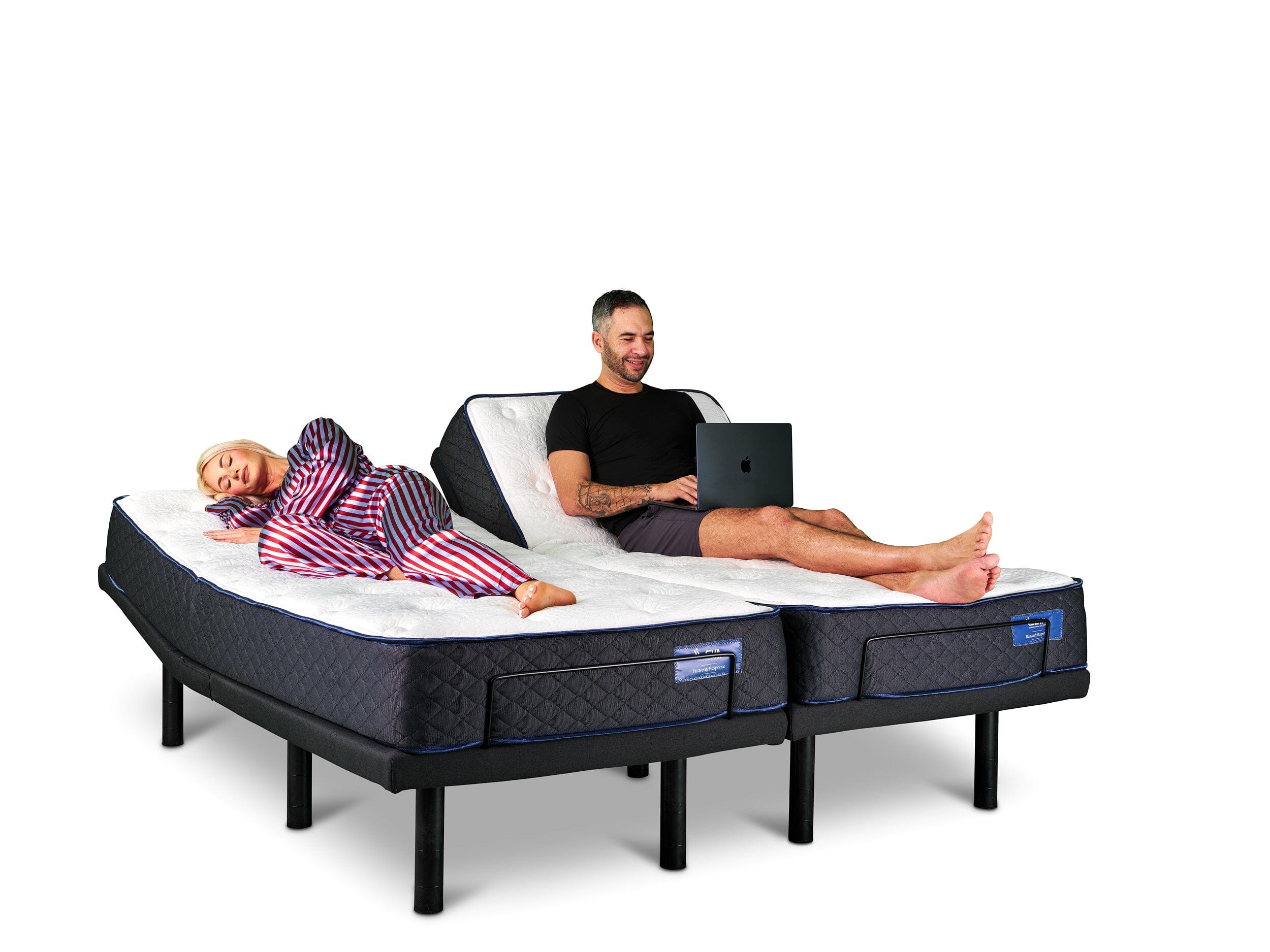
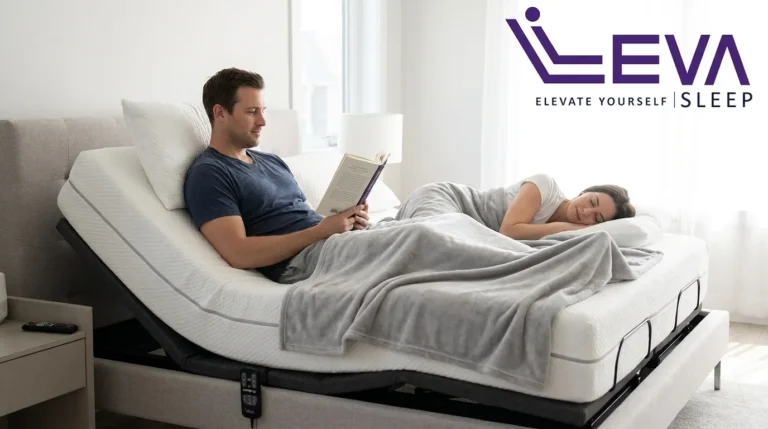
- Traditional flat beds often trigger snoring and force couples to compromise on comfort, while adjustable systems let each partner choose their own position without sleeping apart.
- Couples can apply these habits more easily with Leva Sleep’s split adjustable systems, waking with more energy and less conflict over sleep.
Healthiest Adult Sleep Pattern: Duration, Cycles, and Consistency
Healthy adult sleep usually means 7–9 hours each night with a stable bedtime and wake time, plus 4–6 full 90-minute cycles that include balanced deep and REM sleep. The National Sleep Foundation recommends that adults aged 18–64 aim for seven to nine hours of nightly sleep, while adults over age 65 need seven to eight hours.
Ideal Sleep Duration and Daily Timing by Chronotype
Sleep timing depends on individual chronotypes, which are natural sleep-wake preferences that shape ideal bedtimes and wake times. Early chronotypes, often called larks, tend to feel sleepy earlier in the evening, while late chronotypes, or owls, feel more alert later at night. A study of approximately 25,000 participants found that 7 hours and 18 minutes of weekday sleep per night is associated with the lowest insulin resistance and reduced type 2 diabetes risk.
Weekend “catch-up” sleep disrupts this healthy pattern by creating inconsistent sleep and wake times that confuse the body’s internal clock. Extra sleep on weekends does not compensate for insufficient weekday sleep and may worsen glucose metabolism in some individuals. For better metabolic health, consistency matters more than occasional duration changes.
The following table shows how different chronotypes can keep the same 8-hour duration while shifting timing to match their natural sleep-wake preferences.
| Chronotype | Example Bedtime | Example Wake Time | Sleep Duration |
|---|---|---|---|
| Early (Larks) | 10:00 PM | 6:00 AM | 8 hours |
| Late (Owls) | 12:00 AM | 8:00 AM | 8 hours |
| Intermediate | 11:00 PM | 7:00 AM | 8 hours |
How Deep, Light, and REM Sleep Work Together
A healthy sleep cycle includes several stages, and each stage supports different types of recovery. Light sleep in healthy adults typically accounts for 50% of total sleep time, with NREM stage 1 (N1) at about 5% and NREM stage 2 (N2) at about 45%. Light sleep helps the brain and body shift from wakefulness into deeper, more restorative phases.
From this light sleep foundation, the body then moves into the more restorative deep sleep stage. Deep sleep (NREM stage 3) typically comprises 10% to 20% of total sleep time in healthy adults, which equals roughly 105–120 minutes for adults aged 18–60 years who sleep 7–8 hours per Healthline. During deep sleep, the body repairs tissues, consolidates memories, and releases growth hormones that support physical recovery.
Healthy adults typically spend the recommended 20–25% of total sleep time in REM sleep, the stage that supports cognitive processing, emotional balance, and memory consolidation according to clinical guidance. REM sleep increases toward morning, so a consistent wake time helps the brain complete these final cycles.
The table below breaks down how these stages distribute across a typical 8-hour sleep period and shows the approximate durations to aim for in each phase.
| Sleep Stage | Percentage of Total Sleep | Primary Functions | Duration (8-hour sleep) |
|---|---|---|---|
| Light Sleep (N1/N2) | 50% | Transition, light restoration | 4 hours |
| Deep Sleep (N3) | 10-20% | Physical repair, growth hormone | 1-2 hours |
| REM Sleep | 20-25% | Memory, emotional processing | 2 hours |
Snoring, frequent movement, and uncomfortable positions can interrupt these stages and prevent the body from reaching healthy deep and REM percentages. Adjustable positioning supports open airways and better spinal alignment, which encourages longer stretches of uninterrupted, restorative sleep.
Evening Habits That Support a Stable Sleep Schedule
10-3-2-1-0 Rule and Practical Bedtime Planning
The 10-3-2-1-0 sleep rule offers a simple structure for evening routines: no caffeine 10 hours before bed, no food or alcohol 3 hours before bed, no work 2 hours before bed, no screens 1 hour before bed, and 0 snooze alarms in the morning.
The 10-hour caffeine cutoff reflects caffeine’s half-life of 1.5 to 9.5 hours, which varies by genetics, and 400 mg of caffeine 6 hours before bed reduced total sleep time by more than one hour. A noon cup of coffee containing 95 mg of caffeine can leave about 23 mg still active in the body at 10 p.m.
The 3-hour no food or alcohol rule limits digestion-related rises in core body temperature, and eating less than 1 hour before bedtime was associated with more time awake after sleep onset and lower sleep efficiency.
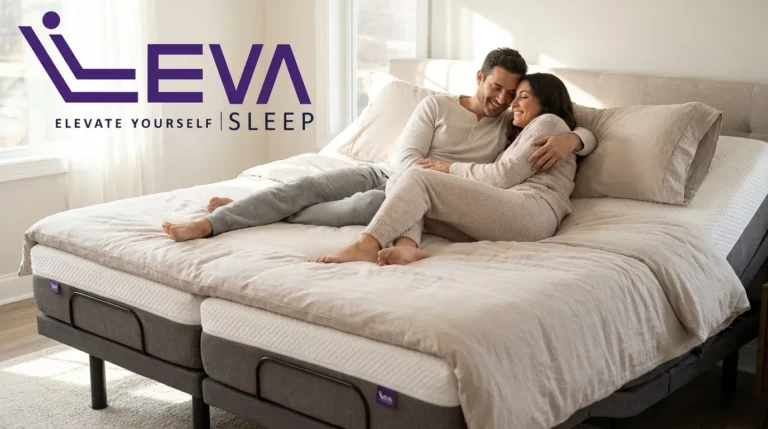
Couples who follow these habits together while still honoring individual positioning preferences with adjustable systems create a stronger foundation for healthy sleep. Anchoring your wake-up time is the single-most important step for regulating your circadian rhythm, and shared routines make that anchor easier to maintain.
| Time Before Bed | Avoid | Reason | Example (10 PM bedtime) |
|---|---|---|---|
| 10 hours | Caffeine | Half-life interference | Last coffee at 12 PM |
| 3 hours | Food/Alcohol | Digestion activation | Last meal at 7 PM |
| 2 hours | Work | Cortisol elevation | Work ends at 8 PM |
| 1 hour | Screens | Blue light/stimulation | Devices off at 9 PM |
Why Flat Beds Disrupt Healthy Sleep and How Adjustable Systems Help
Traditional flat beds often push couples into positions that break up their sleep cycles and reduce overall quality. When one partner snores, both may wake repeatedly, which lowers time spent in deep and REM stages. When partners differ in firmness preferences or have medical needs that require elevation, a flat surface cannot meet both sets of needs, so at least one person usually sacrifices comfort.
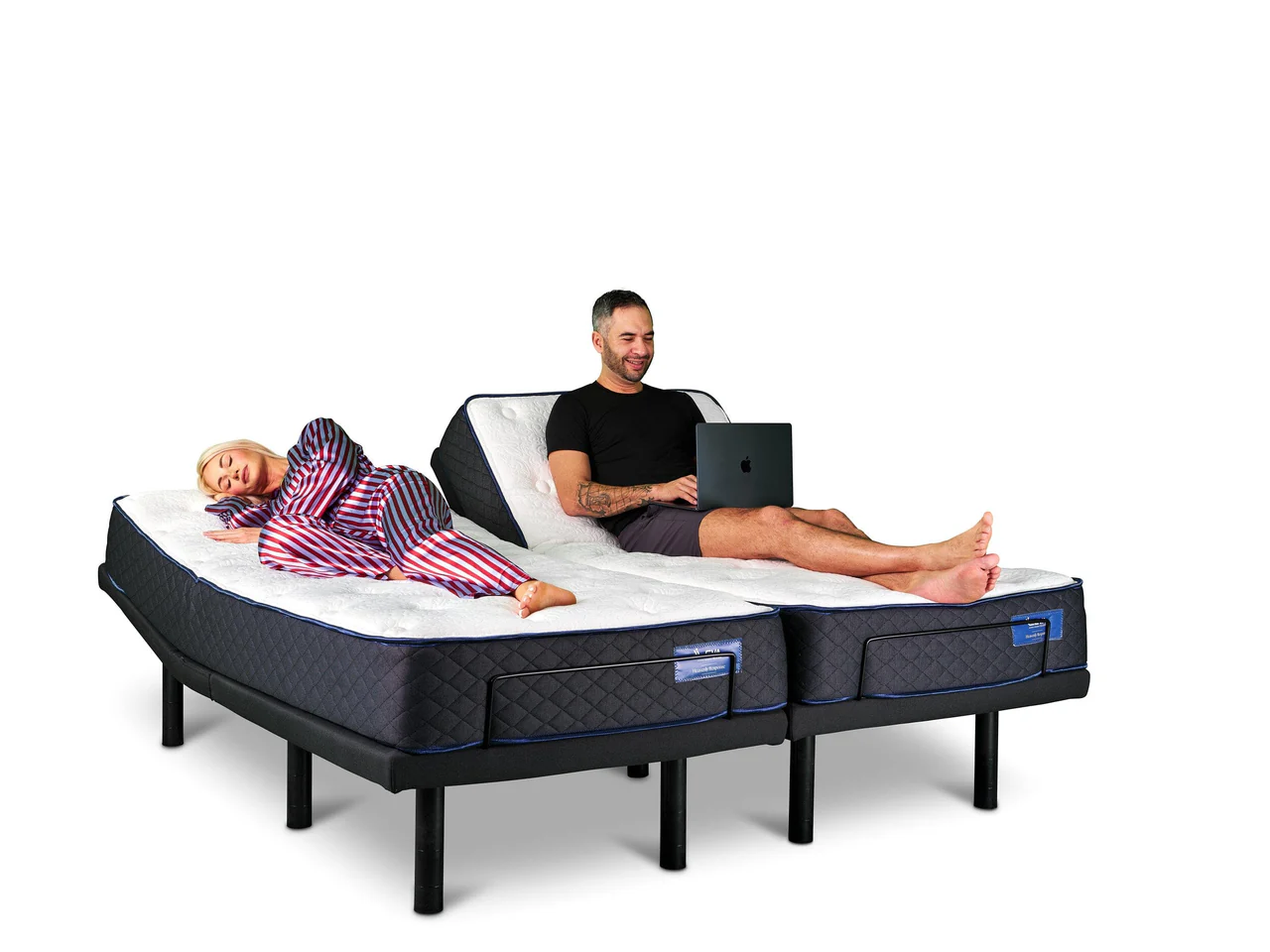
Adjustable sleep systems solve these shared-bed problems through independent positioning controls, quiet motors, and targeted features such as anti-snore elevation. Couples can see how these features compare across common bed types in the table below before deciding which setup best supports their sleep health. Discover how Leva Sleep’s adjustable systems make the healthiest sleep pattern achievable for couples and explore their options.
| Feature | Traditional Flat Beds | Basic Adjustable Beds | Leva Sleep Systems |
|---|---|---|---|
| Individual Customization | None | Limited | Split controls, app-based |
| Noise Level | Silent | Often disruptive | Quiet motors |
| Couple Compatibility | Compromise required | Basic split options | Independent positioning |
| Health Features | None | Basic elevation | Anti-snore, lumbar support |
Elevation can open airways and improve spinal alignment, which supports the deep sleep phases that drive physical recovery. Split adjustable systems help couples keep consistent schedules and personalized positions so they can reach healthy deep and REM percentages without disturbing each other’s rest.
Evidence, Real-World Results, and Emerging Sleep Technology
Research consistently shows that body position influences both the quality and duration of sleep cycles. Clinical guidance describes a balanced pattern of deep, light, and REM sleep as healthy for adults. Research confirms that achieving these balanced sleep stage percentages requires comfortable positioning that limits awakenings and supports natural breathing.
Real-world experience also highlights the impact of individualized positioning. Couples who previously lost sleep due to snoring often reach the recommended deep sleep percentages when one partner uses gentle head elevation. Shift workers use app-controlled presets to support non-traditional hours while still protecting their overall cycle structure.
Current sleep technology trends include AI-powered anti-snore detection that makes small automatic adjustments, integration with wearable devices for personalized positioning suggestions, and app-based sleep coaching that helps couples fine-tune their own patterns while sharing a bed.
Frequently Asked Questions
How much deep sleep do adults need?
Adults generally need about one quarter of their total sleep time in deep sleep, which equals roughly 105–120 minutes for someone who sleeps 7–8 hours. Deep sleep supports physical recovery, tissue repair, and growth hormone release. This percentage often decreases with age, so supportive positioning becomes even more valuable for older adults.
What is the best sleep pattern for couples with different preferences?
The best pattern for couples combines consistent nightly schedules with 7–9 hours of sleep and split adjustable systems that allow individual customization. Each partner can choose the position that supports their deep and REM sleep while the other partner does the same. This approach protects both partners’ health needs and reduces the pressure to consider a “sleep divorce.”
Can adjustable beds really improve sleep cycle quality?
Adjustable beds can improve sleep cycle quality by cutting down on disruptions that fragment the stages. Proper elevation can reduce snoring, improve airflow, and ease pressure points that trigger frequent position changes. With fewer awakenings, the body can complete more full cycles and reach the recommended deep and REM proportions.
How long does it take to establish a healthy sleep pattern?
Many adults can build a healthier pattern within 2–4 weeks of consistent practice. The most effective steps include keeping the same bedtime and wake time every day, including weekends, and improving the sleep environment with supportive positioning and habits such as the 10-3-2-1-0 method.
What should couples do if one partner’s sleep needs disrupt the other’s pattern?
Couples can protect both sets of needs by using split adjustable systems instead of sleeping in separate rooms. Snoring, temperature differences, and medical positioning requirements can be managed with independent controls that let each partner shape their own sleep environment while staying physically and emotionally connected.
Conclusion and Next Steps for Better Couple Sleep
The healthiest sleep pattern for adults, which includes consistent nightly duration and balanced deep and REM cycles, becomes realistic for couples when each person’s needs are met without compromise. Traditional flat beds often force partners to give up their ideal position, which disrupts the cycles that support both physical and mental recovery.
To experience how split adjustable systems can help you and your partner reach these healthy sleep percentages, visit Leva Sleep’s La Jolla showroom or explore their systems online. With over 25,000 satisfied customers and deep expertise in adjustable sleep solutions, Leva Sleep offers tailored setups that help couples build and maintain a healthier sleep pattern together.