Written by: Matthew Timmins, Founder and Managing Director, Leva Sleep
Key Takeaways
- Consistently poor sleep affects 1 in 3 adults and often worsens for couples due to snoring, different comfort needs, and medical issues.
- Top causes include poor sleep hygiene, stress, sleep apnea, chronic pain, uncomfortable environments, and partner-related disturbances.
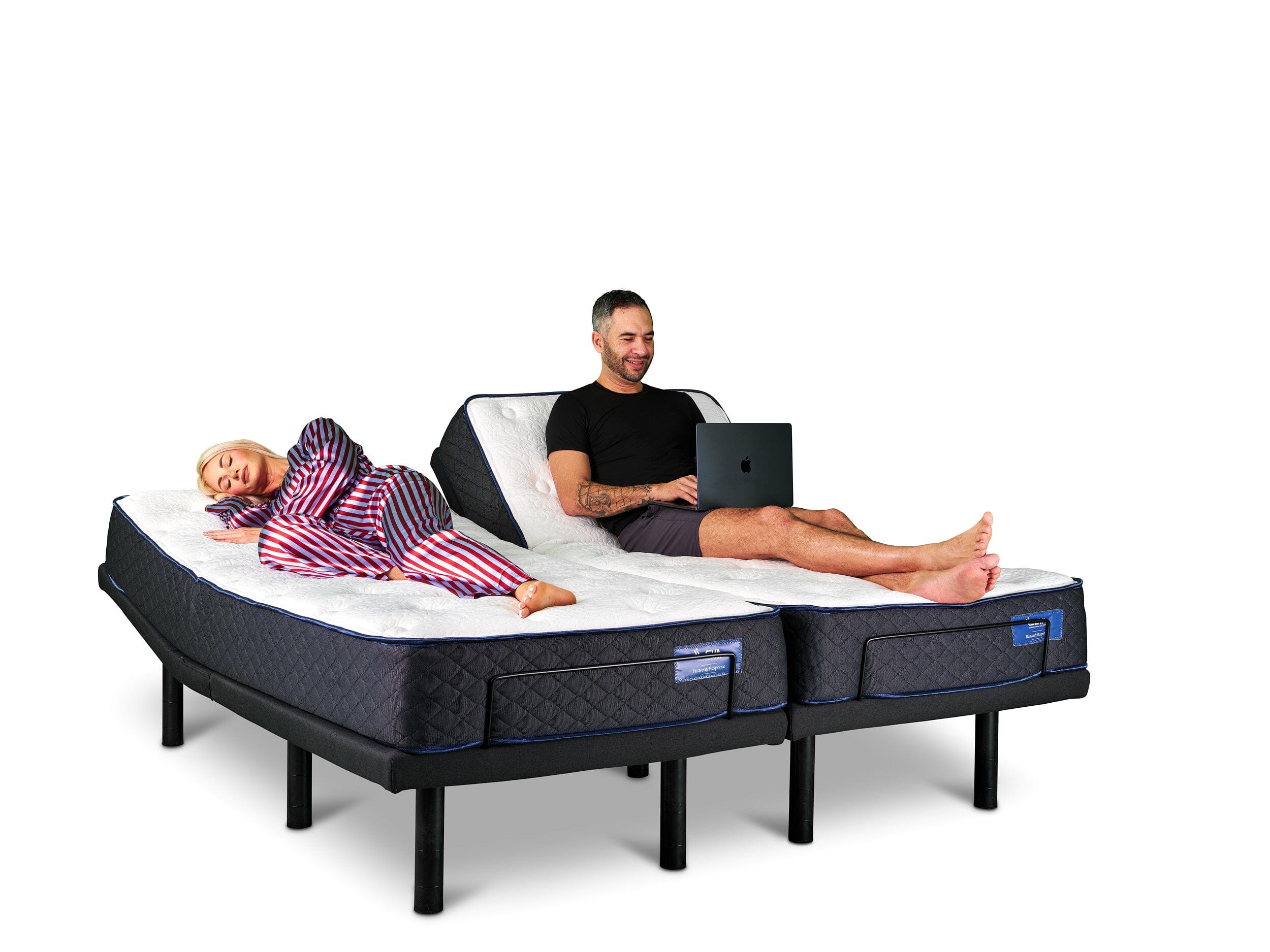
- Partner movement and snoring frequently lead to “sleep divorce,” while split adjustable bases let each person control their own side.
- Research shows adjustable positioning can reduce apnea symptoms, ease pain, support stress relief, and improve temperature comfort for both partners.
- Leva Sleep’s split adjustable systems with quiet motors and anti-snore technology help couples sleep well together, so you can start transforming your sleep today.
10 Main Causes of Consistently Poor Sleep
1. Poor Sleep Hygiene and Caffeine Consumption
Poor sleep hygiene includes habits that interfere with quality rest, and caffeine sits near the top of that list. A 2023 meta-analysis found that caffeine consumption reduces total sleep time by 45 minutes and sleep efficiency by 7%, while increasing light sleep and reducing deep, restorative sleep.
Evening caffeine makes these problems worse. A 200 mg dose in the evening increases sleep latency by 7 minutes, reduces sleep efficiency by 5%, and cuts sleep duration by 28 minutes in both older and younger adults. Screen exposure before bed adds another layer of disruption by suppressing natural melatonin production.
Behavior changes like cutting caffeine and screens help, but physical comfort also matters when you try to unwind. Programmable positioning through adjustable bases supports natural sleep onset by easing pressure points and promoting relaxed breathing. Quiet motors allow subtle adjustments without waking a partner, and app control removes the need for bright bedside lights when you change positions.
2. Stress, Anxiety, and Mental Health Factors
Stress and anxiety often create a feedback loop with poor sleep. A 2025 study of 392 physically active adults found that higher stress levels predicted poor sleep quality more strongly than coffee consumption, with clear negative correlations between stress and sleep outcomes.
Stress shows up at night as trouble falling asleep, frequent awakenings, and sleep that does not feel restorative. Racing thoughts and muscle tension keep the body from entering deeper sleep stages. Anxiety disorders intensify this pattern by maintaining a state of heightened arousal that clashes with restful sleep.
Adjustable positioning helps manage stress-related sleep issues by reducing physical tension. Slight head elevation can ease breathing and reduce the feeling of being “trapped” in bed that many anxious sleepers describe. Built-in massage features add gentle relaxation that supports a calmer transition into sleep.
3. Sleep Apnea and Snoring
Sleep apnea ranks among the most serious causes of consistently poor sleep. Obstructive sleep apnea causes repeated breathing pauses that fragment sleep and lead to daytime fatigue, brain fog, loud snoring, gasping, morning headaches, and high blood pressure.
Snoring disrupts sleep for both the person who snores and their partner, and many couples eventually sleep in separate rooms. Oxygen drops and repeated arousals prevent deep, restorative sleep and increase cardiovascular risk.
Head elevation offers a non-invasive way to open the airway and reduce apnea events. Building on this foundation, Leva’s upcoming anti-snore mode (planned for spring 2026) will add smart detection that triggers automatic micro-adjustments when snoring begins, often resolving the issue before it wakes either partner. By combining passive positioning with active intervention, this technology helps couples stay in the same bed while addressing breathing problems without masks or bulky medical devices.
4. Chronic Pain and Physical Discomfort
Chronic pain in the back, hips, shoulders, and joints commonly disrupts sleep. A flat mattress can lock the body into positions that worsen pressure points and misalign the spine, which increases pain and forces frequent tossing and turning.
Conditions such as arthritis, fibromyalgia, and lower back pain often intensify with long periods in one position. Poor sleep then heightens pain sensitivity, which further erodes sleep quality and creates a difficult cycle.
Adjustable bases break this cycle by allowing targeted positioning that reduces pressure on painful areas. Leva’s lumbar support features fine-tune lower back alignment, while head and foot elevation can improve circulation and ease joint strain. Small, quiet adjustments during the night help maintain comfort without fully waking you or your partner.
5. Uncomfortable Sleep Environment and Mattress Issues
Your sleep environment, including mattress comfort, room temperature, and partner preferences, strongly shapes sleep quality. Many couples struggle with different firmness needs, where one person prefers softer cushioning and the other needs firmer support.
The following comparison shows how Leva’s split adjustable systems solve core compatibility problems that flat beds and basic adjustable bases cannot handle effectively:
| Feature | Flat Bed | Adjustable Base | Leva Advantage |
|---|---|---|---|
| Customization | None | Basic elevation | Independent app controls |
| Noise Level | Silent | Often disruptive | Whisper-quiet German motors |
| Couple Compatibility | Compromise required | Limited split options | Full split queen/king systems |
Temperature adds another layer of complexity, since partners often run at different warmth levels. Poor air circulation around many mattresses traps heat and creates a stuffy, uncomfortable feel.
Leva Sleep addresses these environmental challenges with split adjustable systems that give each partner independent control over their side. Mattresses designed for adjustable bases stay supportive and comfortable even at higher elevations, and compatible bedding maintains a good fit while supporting better airflow and temperature balance.
6. Lifestyle Factors and Shift Work
Modern schedules often clash with natural sleep rhythms. Shift work, irregular hours, and heavy evening screen use disrupt circadian timing and push people toward chronic sleep debt. Circadian rhythm disorders, common among shift workers and night owls forced into early routines, create ongoing misalignment that turns caffeine into a coping tool rather than a fix.
Late workouts, heavy dinners close to bedtime, and inconsistent bedtimes make it harder for the body to settle into a predictable pattern. Social events and work demands often win out over sleep, which compounds the problem.
Adjustable sleep systems support people with irregular schedules by creating a consistently comfortable environment, even when sleep times vary. Programmable positions help signal the body that it is time to wind down, and personalized comfort settings offset some of the strain that lifestyle disruptions place on sleep.
7. Medications and Hormonal Changes
Many common medications, including antidepressants, blood pressure drugs, and steroids, can alter sleep architecture. Hormonal shifts during menopause, pregnancy, or thyroid imbalance add further challenges through temperature swings and physical discomfort.
Some medications reduce REM sleep or cause frequent awakenings. Others increase daytime drowsiness, which blurs the natural line between day and night. Hormonal changes can trigger night sweats, restless legs, or heightened anxiety that interferes with falling and staying asleep.
Leva’s adjustable systems help people manage these issues by improving comfort during hot flashes, easing pressure on sensitive areas, and providing gentle elevation that can support easier breathing with certain medications.
8. Medical Conditions and Autoimmune Disorders
Chronic medical conditions often sit in the background of poor sleep. Autoimmune disorders, diabetes, and cardiovascular disease can all disrupt normal sleep patterns. Rheumatoid arthritis, for example, causes inflammatory pain that often worsens at night, while diabetes can cause blood sugar swings that wake you up.
Autoimmune conditions frequently involve widespread inflammation that affects sleep depth and can trigger restless legs or increased pain sensitivity. Some cardiovascular issues require specific sleep positions to support circulation and reduce symptoms.
Adjustable bases accommodate these needs with positions that support blood flow, reduce inflammation-related discomfort, and match elevation guidance from healthcare providers. Gradual, quiet adjustments help manage symptoms while keeping partner sleep intact.
9. Temperature Dysregulation
Body temperature plays a central role in sleep quality, and even small shifts can affect how quickly you fall asleep and how often you wake. Couples frequently disagree on how warm or cool the bedroom should feel, which leaves at least one person uncomfortable.
Hormonal changes, medications, and medical conditions can all affect how each person regulates heat. Mattresses that trap warmth and rooms with poor ventilation make these issues worse.
Leva Sleep systems address temperature challenges with split configurations that support independent climate control. Compatible heating and cooling accessories allow each partner to fine-tune their side, while adjustable positioning improves airflow around the body.
10. Partner Sleep Disturbances
Partner-related disruptions such as movement, snoring, and mismatched schedules rank among the most common reasons couples sleep poorly. Coffee consumption has been associated with snoring, which shows how lifestyle choices can amplify partner disturbances.
Different sleep and wake times, restless legs, and conflicting comfort needs often force couples to choose between sharing a bed and getting enough rest. This “sleep divorce” trend can strain intimacy and emotional connection.
Leva’s split adjustable bases remove much of this conflict by giving each partner full control over their own side. The motor technology mentioned earlier keeps adjustments on one side from waking the other, and integrated anti-snore features target one of the most disruptive partner issues.
Why Adjustable Sleep Systems Are the Best Fix
Adjustable sleep systems offer a practical way to address many root causes of poor sleep at the same time. Instead of relying only on behavior changes, adjustable bases deliver immediate, customizable relief for physical discomfort, breathing challenges, and partner incompatibilities.
Leva Sleep focuses on split queen and king adjustable systems that let couples stay close while still tailoring comfort individually. US-made mattresses, purpose-built bedding, app control, and anti-snore technology work together as a complete sleep environment rather than a single product.
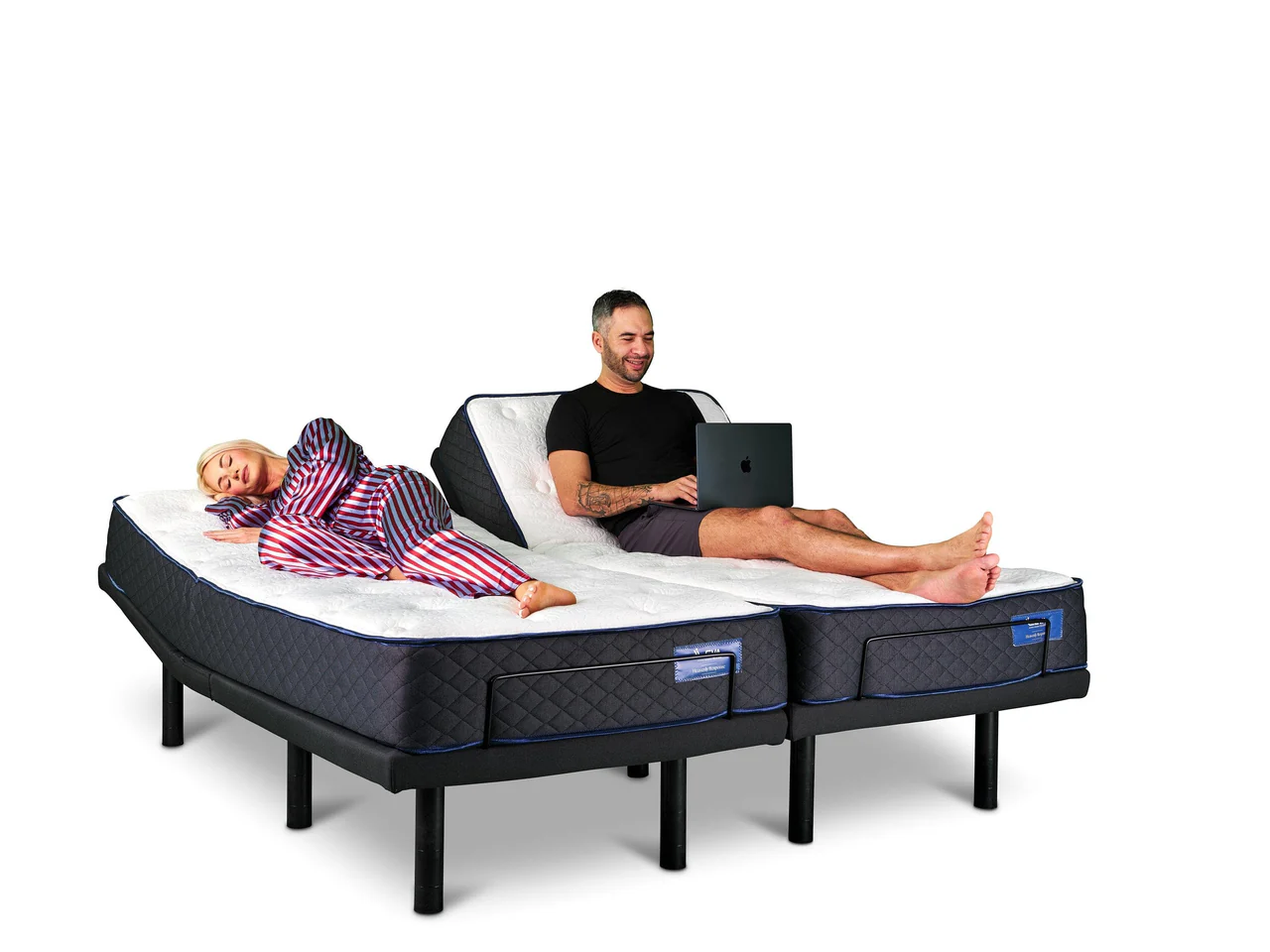
At 30–50% less cost than comparable luxury competitors, Leva delivers premium engineering through vertical integration and direct-to-consumer pricing. This eight-year track record has created thousands of satisfied customers who have transformed their sleep. The La Jolla showroom offers hands-on testing with 15–20 models, and white-glove delivery provides professional setup. Transform your sleep with Leva Sleep by visiting the La Jolla showroom or shopping online today to explore solutions for your specific sleep challenges.
Frequently Asked Questions
What causes consistent lack of sleep at night?
Consistent lack of sleep usually stems from several overlapping issues, such as poor sleep hygiene, stress, medical conditions like sleep apnea, chronic pain, and environmental problems. For couples, partner snoring, movement, and different comfort preferences often play a major role. Adjustable sleep systems address many of these factors at once by offering personalized positioning and independent controls for each person.
Can poor sleep affect heart rate variability (HRV)?
Poor sleep quality directly affects heart rate variability by disrupting the body’s recovery processes. Consistently poor sleep lowers HRV, which signals reduced cardiovascular resilience and slower recovery. Elevation positioning through adjustable bases can support better circulation and breathing, which may help HRV by improving overall sleep quality.
Does sleep apnea cause poor sleep quality?
Sleep apnea is a major driver of poor sleep quality because it causes repeated breathing interruptions that fragment sleep cycles and block restorative rest. Oxygen drops, frequent awakenings, and reduced deep sleep limit both physical and mental recovery. Adjustable bases help manage sleep apnea symptoms through head elevation that naturally opens the airway.
What autoimmune diseases cause insomnia?
Several autoimmune conditions contribute to insomnia, including rheumatoid arthritis, lupus, multiple sclerosis, and fibromyalgia. These illnesses cause inflammation, pain, and neurological symptoms that interfere with falling asleep and staying asleep. Inflammation can disrupt circadian rhythms and increase nighttime pain sensitivity, which makes comfortable, supportive positioning essential.
How do lifestyle factors contribute to consistently poor sleep?
Lifestyle factors such as irregular schedules, heavy caffeine use, shift work, and poor sleep hygiene create ongoing sleep disruption by clashing with natural circadian rhythms. Work stress, late-night screen exposure, and inconsistent bedtimes prevent the body from settling into a stable pattern. Adjustable sleep systems help offset these pressures by creating a comfortable, supportive environment regardless of timing or outside stress.
Conclusion
Knowing the main causes of consistently poor sleep helps couples move from generic tips to targeted solutions. The ten evidence-based causes above show how multiple factors often combine to create chronic sleep problems that affect health, energy, and relationships.
Leva Sleep’s specialized approach to adjustable sleep systems addresses these root causes through personalized positioning, partner independence, and integrated comfort features tailored for couples.
Stop tolerating poor sleep and start changing your nights with Leva Sleep by visiting the La Jolla showroom or shopping online today for a personalized split adjustable system that supports the deep, restorative rest you deserve.