
Written by: Matthew Timmins, Founder and Managing Director, Leva Sleep
Key Takeaways
- Medium-firm mattresses provide reliable spinal alignment and back pain relief for most sleepers, according to clinical studies in The Lancet.
- Firmness needs shift with sleep position and body weight, so your ideal feel depends on how you sleep and how much you weigh.
- Mattresses that feel too firm or too soft can trigger pressure points or a hammock effect; check spinal neutrality by testing the lumbar gap.
- Adjustable bases improve back pain relief with zero-gravity positioning, independent partner controls, and targeted lumbar support.
- Explore personalized back pain solutions with Leva Sleep’s adjustable systems at the La Jolla showroom or online.
Mattress Firmness Basics for Back Pain Relief
Mattress firmness follows a 1 to 10 scale, where 1 represents the softest surface and 10 the firmest. Medium-firm mattresses, around 6 out of 10, are the most popular choice, with 80% of sleepers preferring the 5-7 range. This preference aligns with clinical evidence that supports medium-firm surfaces for spinal health.
The science behind firmness focuses on spinal neutrality and pressure distribution. A randomized, double-blind trial published in The Lancet found that patients with chronic low back pain who slept on medium-firm mattresses had better outcomes for pain and disability than those on firm mattresses after 90 days. Medium-firm surfaces help maintain natural spinal curves while distributing body weight more evenly.
Common firmness myths persist despite scientific evidence. Many people assume firmer mattresses automatically provide better support. However, mattresses that feel overly firm can push the spine out of neutral alignment, especially for side sleepers, and create pressure points that contribute to back, neck, and shoulder pain. Very soft surfaces cause excessive sinkage and insufficient support, which also aggravates pain.
Body weight significantly influences how a mattress feels. Lighter individuals sink less deeply into a surface and often experience the same mattress as firmer. Heavier individuals sink more deeply and often experience the same mattress as softer. Your ideal firmness level therefore depends on both your sleep position and your weight.
Mattress Firmness Chart for Back Pain by Sleep Position & Weight
This chart shows how recommended firmness ranges change with sleep position and body weight. Notice how firmness generally increases as body weight increases within each position, and how stomach sleepers consistently need the firmest support across all weight categories.
| Sleep Position | Body Weight / Suggested Firmness Range (1-10) | Notes (Pain Type) |
|---|---|---|
| Back | <150lbs: 5-6, 150-250lbs: 6-7, >250lbs: 7-8 | Lumbar support key, elevation helps disc issues |
| Side | <150lbs: 4-5, 150-250lbs: 5-6, >250lbs: 6-7 | Hip and shoulder relief, pillow tilt beneficial |
| Stomach | <150lbs: 6-7, 150-250lbs: 7-8, >250lbs: 8-9 | Prevent lower back arching, firmest support needed |
Side Sleepers with Hip Pain
Side sleepers usually do best with a medium to medium-firm mattress in the 5-6 range, with lighter-weight side sleepers preferring as soft as 4 or even 3, and heavier-weight side sleepers going up to 7. A slightly softer surface lets hips and shoulders sink just enough to keep the spine straight. This balance reduces pressure points that often cause morning stiffness and hip pain.
Stomach Sleepers Needing Lumbar Support
Firm mattresses in the 8-9 range are crucial for stomach sleepers and many heavy individuals because they prevent hips and stomach from sinking, which is a key cause of lower back pain. This position demands the most support to avoid hyperextension of the lumbar spine.
Stomach sleepers who sometimes roll to their side often face a difficult tradeoff. The firm surface that protects their lower back while lying on their stomach can create sharp pressure points when they shift to their side. Static mattresses force this compromise, while adjustable systems can reduce it by allowing different positions and support levels through the night.
Soft vs Firm Mattress for Back Pain: What Science & Doctors Say
Clinical evidence consistently supports medium-firm mattresses for most people with back pain. Research published in Sleep Medicine Reviews found that mattress comfort and support are independently associated with morning back stiffness and daytime back pain levels, and that medium-firm mattresses were linked with the lowest rates of back pain across multiple body weight categories.
Dr. Boris Terebuh, Founder and Medical Director of the Regenerative Spine & Joint Center, recommends a mattress for low back pain that combines a firm support core with a soft or cushioned top layer. This design provides the spinal support your back needs while still allowing surface-level comfort and pressure relief for the hips and shoulders.
The firm mattress myth remains common despite clear drawbacks. Firm surfaces do prevent excessive sinking, yet they can also create pressure points and push the spine out of its natural curves. Very soft mattresses allow the heaviest part of the body, usually the torso, to sag into the bed and create a hammock effect that strains the muscles and discs of the lower back.
Many people discover their true firmness needs through trial periods and elevation adjustments rather than by choosing a single static surface. Small changes in angle or support often make a familiar mattress feel very different.
Why Adjustable Bases Improve Firmness Control for Back Pain
Adjustable bases solve problems that static mattresses cannot, especially for spinal alignment and partner compatibility. Adjustable beds can reduce back pain by using gravity and thoughtful design to maintain spinal alignment and reduce awkward angles that compress the lumbar region. This approach shifts the focus from chasing one perfect firmness level to creating better body positioning.
Zero-gravity positioning builds on this alignment benefit. The zero-gravity position, with slight elevation of the head and knees, reduces pressure on joints and improves circulation. Testing this position often shows whether your discomfort comes mainly from mattress firmness or from poor positioning.
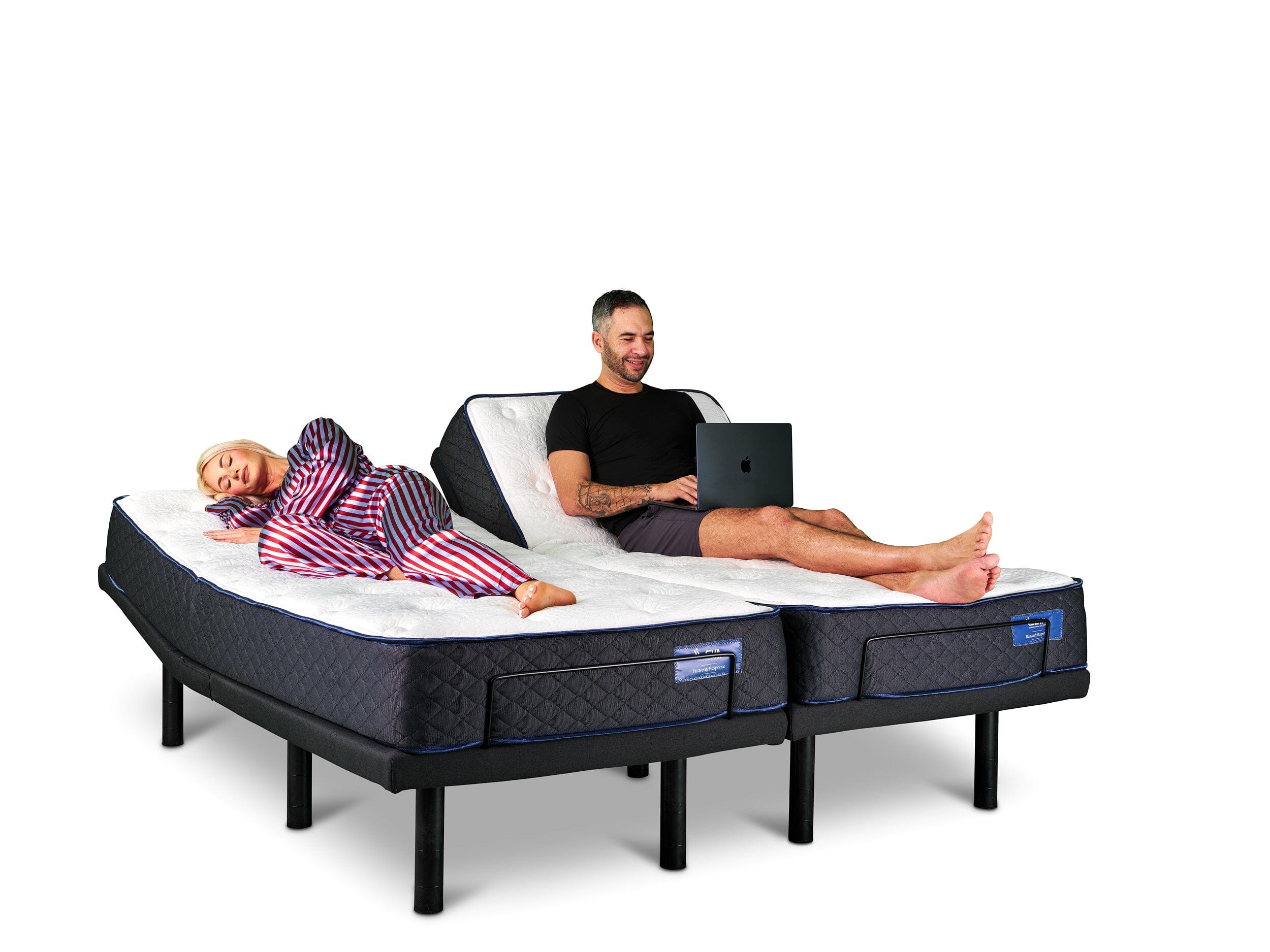
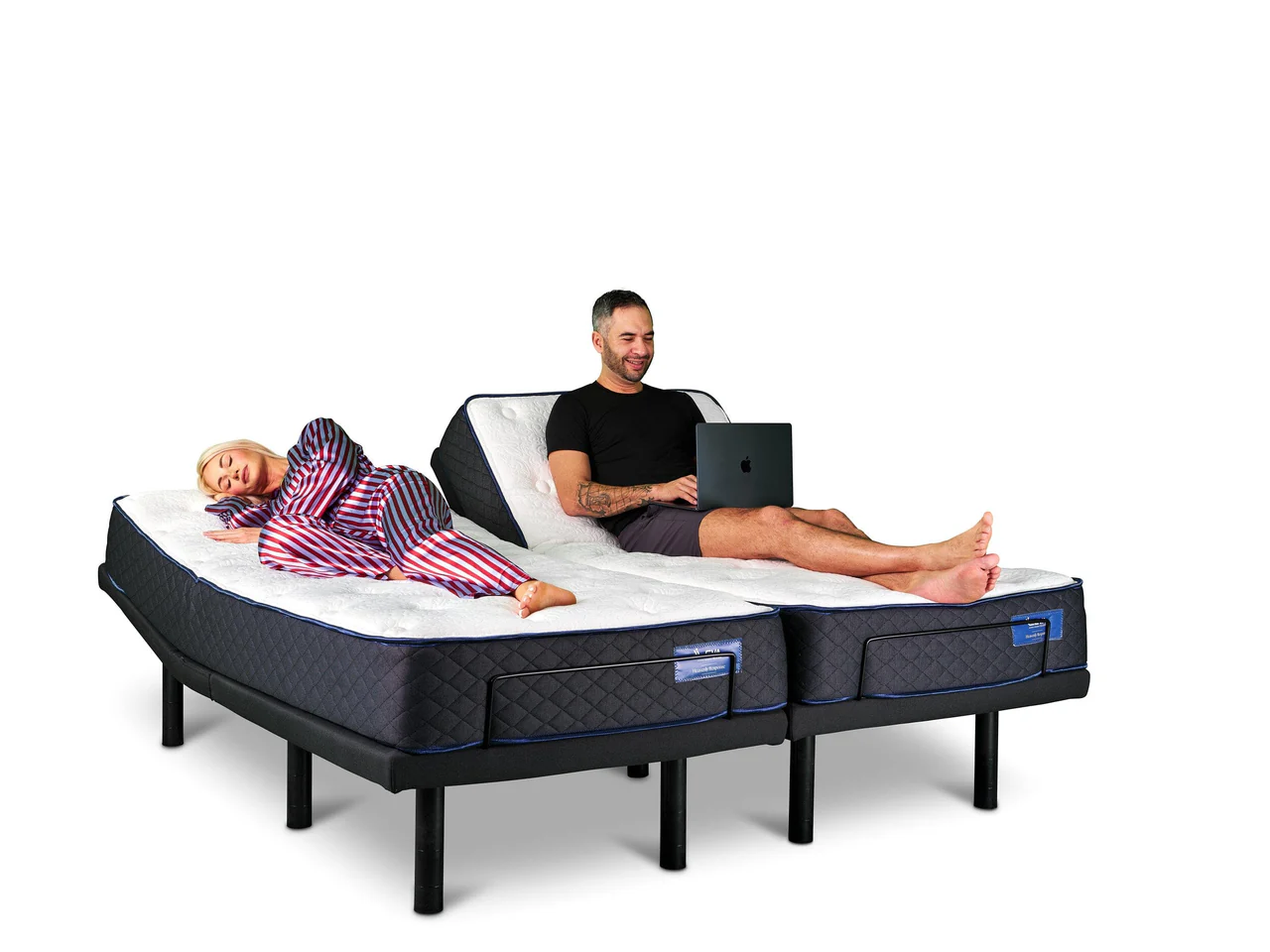
Leva Sleep’s split Queen and King configurations address these needs by giving each partner independent elevation, lumbar support, and positioning controls. These features help one person sleep flatter for back comfort while the other raises the head or knees for pressure relief. The systems use whisper-quiet German motors, app-controlled adjustments, and anti-snore positioning technology launching in 2026. They also pair smoothly with premium mattress brands like Airloom and Tempur-Pedic.
Leva Sleep has served more than 25,000 customers over eight years while focusing only on adjustable sleep systems. The company offers 15-20 adjustable models, compared with the 3-5 options at many standard retailers. Vertical integration keeps quality high with US-made components and local assembly while delivering luxury-level features at roughly 30-50% less cost than comparable competitors.
Experience Leva Sleep’s adjustable systems in person at the La Jolla showroom to test how dynamic positioning supports your back and relieves pressure.
How to Test & Choose Your Ideal Firmness at Home
Thoughtful testing at home or in a showroom gives a clearer picture than a quick sit or short trial. Lie on your back for at least 15 minutes in your usual sleep position and notice pressure points and spinal alignment. Check whether you can slide your hand under your lower back. A small gap suggests proper lumbar support, while no gap or a large gap suggests that you may need a different firmness.
For adjustable bases, start by testing the zero-gravity position with slight head and knee elevation. This position often reveals whether your discomfort comes from the mattress surface itself or from how your body is positioned. Many people find that gentle elevation makes a medium-firm surface feel more supportive and comfortable than a very firm flat mattress.
Partner compatibility also matters during testing. If each person needs a different position or firmness, split adjustable systems remove the need for constant compromise. Review warranty terms, trial periods, and return policies carefully, because your firmness preferences can change as your pain patterns and sleep positions evolve.
Leva Sleep Adjustable Systems for Personalized Back Pain Relief
Leva Sleep focuses exclusively on adjustable sleep systems, which creates a level of specialization that general mattress retailers rarely match. The company’s split Queen and King configurations support both individual comfort and couple compatibility, with independent controls for elevation, lumbar support, and massage functions on each side.
Compared with competitors such as Ghostbed or Sleep Number, Leva Sleep emphasizes whisper-quiet operation, precise engineering, and comprehensive white-glove delivery service. Partnerships with premium brands like Airloom, Tempur-Pedic, and Diamond Mattress help ensure strong mattress-base compatibility for consistent back pain relief.
Leva Sleep’s systems integrate advanced features that work together to improve your sleep position throughout the night. App-controlled positioning lets you fine-tune elevation angles for targeted lumbar support. Upcoming anti-snore technology will automatically adjust head position when it detects airway obstruction. Specialized bedding stays securely in place during these movements, unlike standard sheets that often bunch or pull on adjustable bases. This coordinated design is possible because Leva combines local assembly with a direct-to-consumer model that delivers luxury-level quality at significantly lower prices than traditional retail channels.
With more than $50 million in lifetime sales and over 25,000 satisfied customers, Leva Sleep has become a leading authority in adjustable sleep solutions for back pain and for couples who want personalized comfort without compromise.
Schedule your personalized consultation to find the adjustable system configuration that matches your firmness needs, sleep position, and back pain profile.
Frequently Asked Questions
Is it better to have a hard or soft mattress for back pain?
Medium-firm mattresses usually provide the most reliable balance for back pain relief, with enough support to hold alignment without harsh pressure points. The right firmness still depends on your sleep position, body weight, and specific pain patterns. Back sleepers often do well with medium-firm support around 6-7, side sleepers benefit from slightly softer surfaces around 5-6, and stomach sleepers usually need firmer support around 7-8. Adjustable bases can enhance any firmness level by adding elevation and customized positioning that static mattresses cannot provide.
What firmness is best for back pain?
The best firmness for back pain depends on your mix of sleep position, body weight, and pain type. Medium-firm surfaces in the 5-7 range work well for many people, yet the chart above shows how recommendations shift for side, back, and stomach sleepers at different weights. Use those ranges as starting points, then test and adjust until you find the feel that maintains spinal alignment while easing pressure on your hips and shoulders.
Do adjustable bases help back pain?
Adjustable bases can significantly ease back pain by allowing positions that maintain spinal alignment and reduce pressure on sensitive areas. Try the zero-gravity position, with slight elevation of the head and knees, to see whether it reduces lumbar pressure. Adjustable bases also allow customized lumbar support and small adjustments through the night, which helps address pain patterns that static mattresses cannot accommodate.
Is a firm mattress better for back pain?
A firm mattress is not automatically better for back pain. Firm surfaces limit sinking, but they can also create pressure points and push the spine out of its natural alignment, especially for side sleepers. Medium-firm mattresses show better outcomes in many clinical studies for back pain relief. The most effective approach combines solid support with enough cushioning for pressure relief, which is why many experts recommend a firm support core paired with a softer comfort layer.
How do I know if my mattress is causing my back pain?
Certain patterns suggest that your mattress may contribute to back pain. Common signs include waking with stiffness that improves as the day goes on, frequent tossing and turning to find a comfortable spot, and feeling more rested when you sleep on a different bed. An older mattress that is more than 7-8 years old, shows visible sagging, or forces you and your partner to compromise on comfort may no longer support your back properly. In these cases, an adjustable sleep system can provide better support and more flexible positioning for both partners.
Conclusion
Choosing the right mattress firmness for back pain starts with your sleep position, body weight, and pain patterns. Medium-firm surfaces help many people, yet the strongest long-term relief often comes from dynamic, adjustable systems that fine-tune positioning and support throughout the night. Leva Sleep’s split configurations and advanced features give couples a way to share a bed comfortably while still addressing individual therapeutic needs.
Explore Leva Sleep’s adjustable technology to discover how dynamic positioning can relieve your back pain and improve your nightly comfort.