Written by: Matthew Timmins, Founder and Managing Director, Leva Sleep
Key Takeaways for Quieter Nights
- Snoring affects 25-50% of adults. Watch for sleep apnea signs such as breathing pauses, gasping, or daytime sleepiness.
- Immediate home remedies include side-sleeping, elevating your head 4-6 inches, clearing nasal passages, avoiding alcohol, and losing weight if needed.
- Daily oral exercises and a sleep-friendly bedroom with humidifiers can further reduce snoring over time.
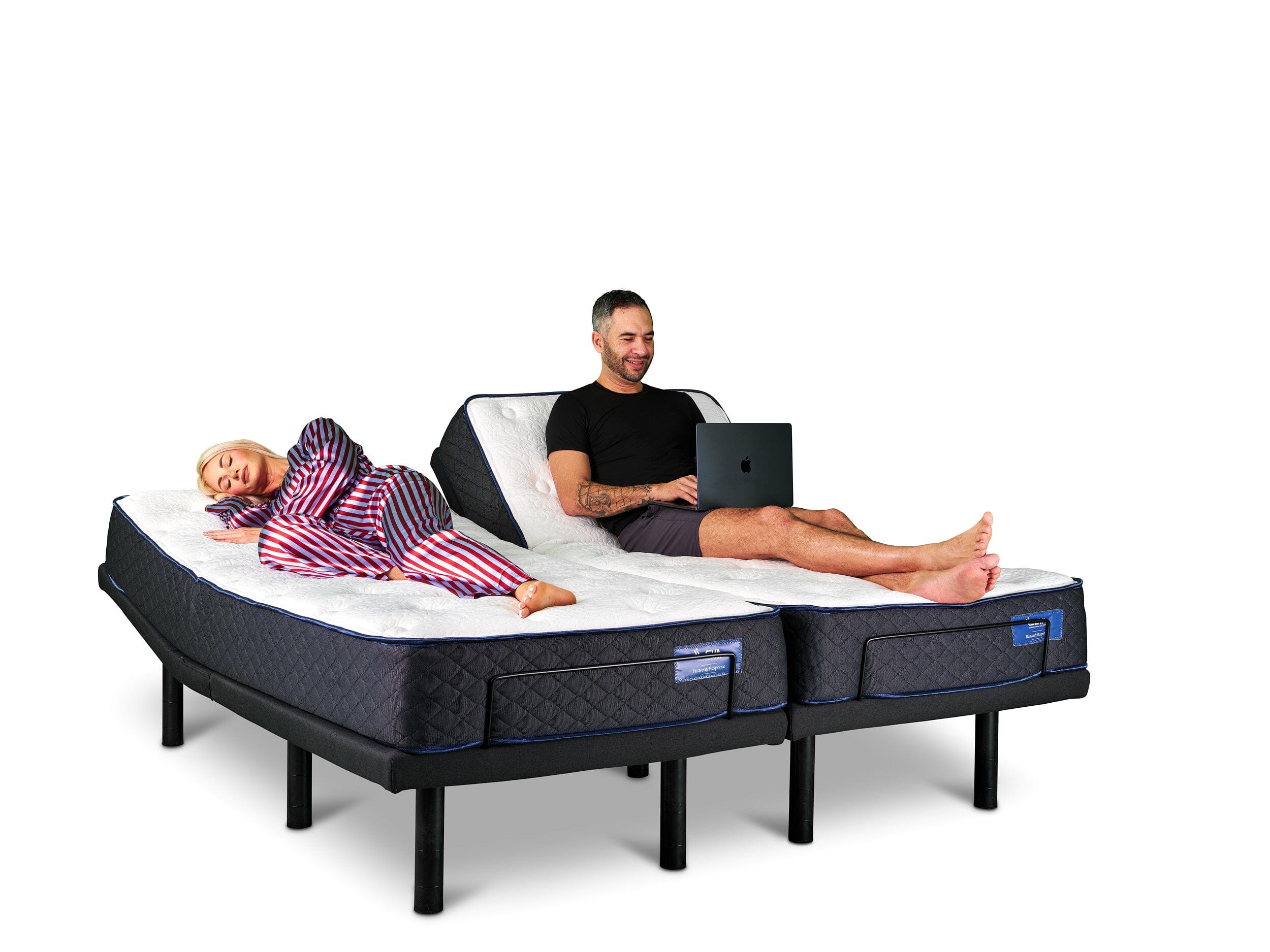
- Split adjustable beds with anti-snore technology let each partner choose their own position while reducing snoring long term.
- Explore Leva Sleep’s adjustable bases in person or online to find a setup that supports uninterrupted couple sleep.
When Snoring Signals a Medical Issue
Distinguish simple snoring from possible sleep apnea before relying only on home remedies. Red flags indicating obstructive sleep apnea rather than benign habitual snoring include witnessed breathing pauses, gasping or choking at night, excessive daytime sleepiness, morning headaches, high blood pressure, dry mouth or sore throat upon waking, difficulty concentrating or remembering, insomnia or restless sleep, and mood changes. If you experience any of these symptoms, consult a doctor for proper evaluation.
For simple snoring without these warning signs, the following strategies can provide significant relief, often within the first night of implementation. These seven steps move from quick position changes you can try tonight to lifestyle shifts that address underlying causes.
7 Steps to Help Stop Snoring Tonight
Step 1: Switch to Side-Sleeping
Side sleeping reduces snoring for many people compared to back sleeping. When you sleep on your back, gravity pulls your tongue and soft palate backward and narrows your airway. To stay on your side all night, place a pillow between your knees for comfort and use a body pillow to make rolling onto your back less likely.
Step 2: Elevate Your Head 4-6 Inches
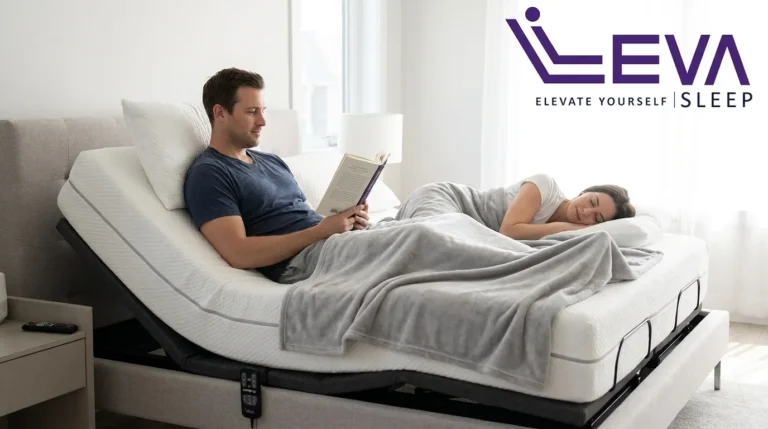
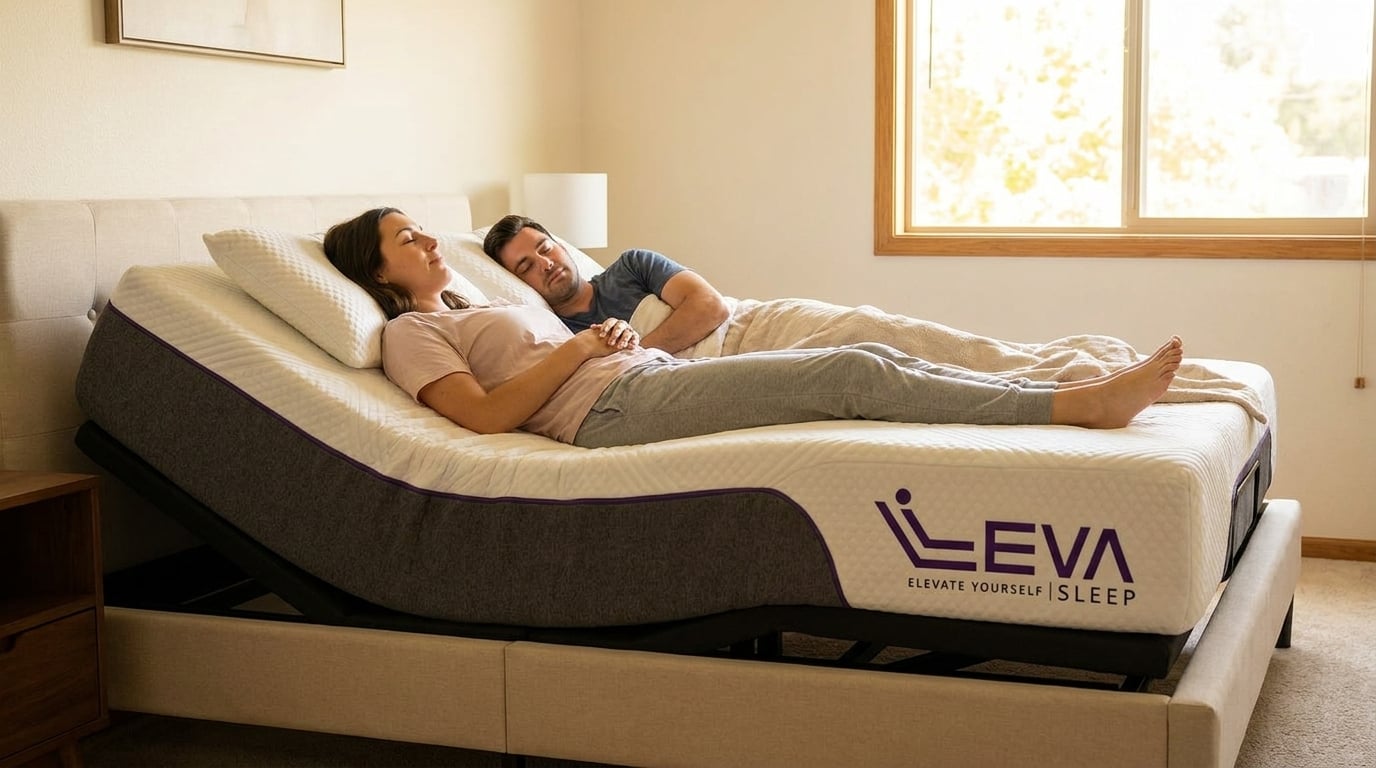
Elevating the head using a wedge pillow or bed blocks, rather than a higher pillow, can open the airway and reduce snoring by preventing the collapse of soft tissues in your throat. This simple change keeps your airway more stable while you sleep. However, wedge pillows can be uncomfortable for couples because they tilt the entire mattress surface and force your partner to sleep at an angle too. Adjustable beds solve this issue by allowing each person to choose their own elevation without affecting the other side.
Step 3: Clear Nasal Passages
Clearing nasal passages for stuffy nose or sinus issues via saline rinses with a neti pot before bed, nasal decongestants, nasal strips, allergy medications, or reducing dust mites and pet dander eases breathing and reduces snoring. Treating nasal congestion with a doctor-prescribed steroid nasal spray, nasal strips, or internal and external nasal dilators can widen nasal passages and reduce snoring. Choose the options that match your symptoms and follow medical guidance for any medications.
Step 4: Avoid Alcohol and Sedatives Before Bed
Avoiding alcohol before bed can minimize snoring because alcohol relaxes upper airway muscles and worsens breathing during sleep in a dose-dependent manner, especially for regular snorers. Avoiding alcohol, sleeping pills, and sedatives prevents relaxation of throat muscles that interferes with breathing and worsens snoring. Aim to stop drinking several hours before bedtime and speak with your doctor about any sedative medications.
Step 5: Lose Weight if Applicable
Losing even a small percentage of overall body weight can help reduce snoring in people with overweight or obesity by decreasing fatty tissue in the back of the throat. Excess weight around the neck area puts additional pressure on your airway during sleep and can increase snoring. Gradual, sustainable weight loss often brings noticeable improvements in both snoring and overall sleep quality.
Step 6: Practice Oral Exercises
Mouth exercises, or myofunctional therapy, strengthen tongue, soft palate, and throat muscles and may reduce snoring volume and frequency. Specific throat exercises, such as repeating vowels (a-e-i-o-u) for three minutes, sliding the tongue backward for three minutes, pursing lips for 30 seconds, jaw movements, uvula contractions, or singing, strengthen upper respiratory tract muscles and decrease snoring. Consistency matters, so treat these exercises like a short daily workout for your airway.
Step 7: Create a Sleep-Friendly Environment
Using a humidifier to keep bedroom air moist prevents irritation of nasal and throat membranes, thereby reducing snoring. For your partner, white noise machines or earplugs can help mask remaining snoring sounds while you work on long-term solutions. A cool, dark, quiet bedroom supports better sleep for both of you.
Troubleshooting Common Snoring Challenges
When Basic Methods Do Not Work
Consistent snoring after 1-2 weeks of these steps may signal the need for more advanced support. Inconsistent follow-through often explains why these methods seem ineffective, because position changes take time to become habits. Lifestyle adjustments such as weight loss or alcohol reduction also require steady effort before results appear.
Protecting Your Relationship While You Solve Snoring
Snoring can create significant tension between partners and may lead to resentment, sleep deprivation, and even relationship breakdown. Treat snoring as a shared challenge instead of blaming one person. Both partners need quality sleep, and a solution that works for both supports intimacy, patience, and connection.
Advanced Solution: Anti-Snore Adjustable Beds for Couples
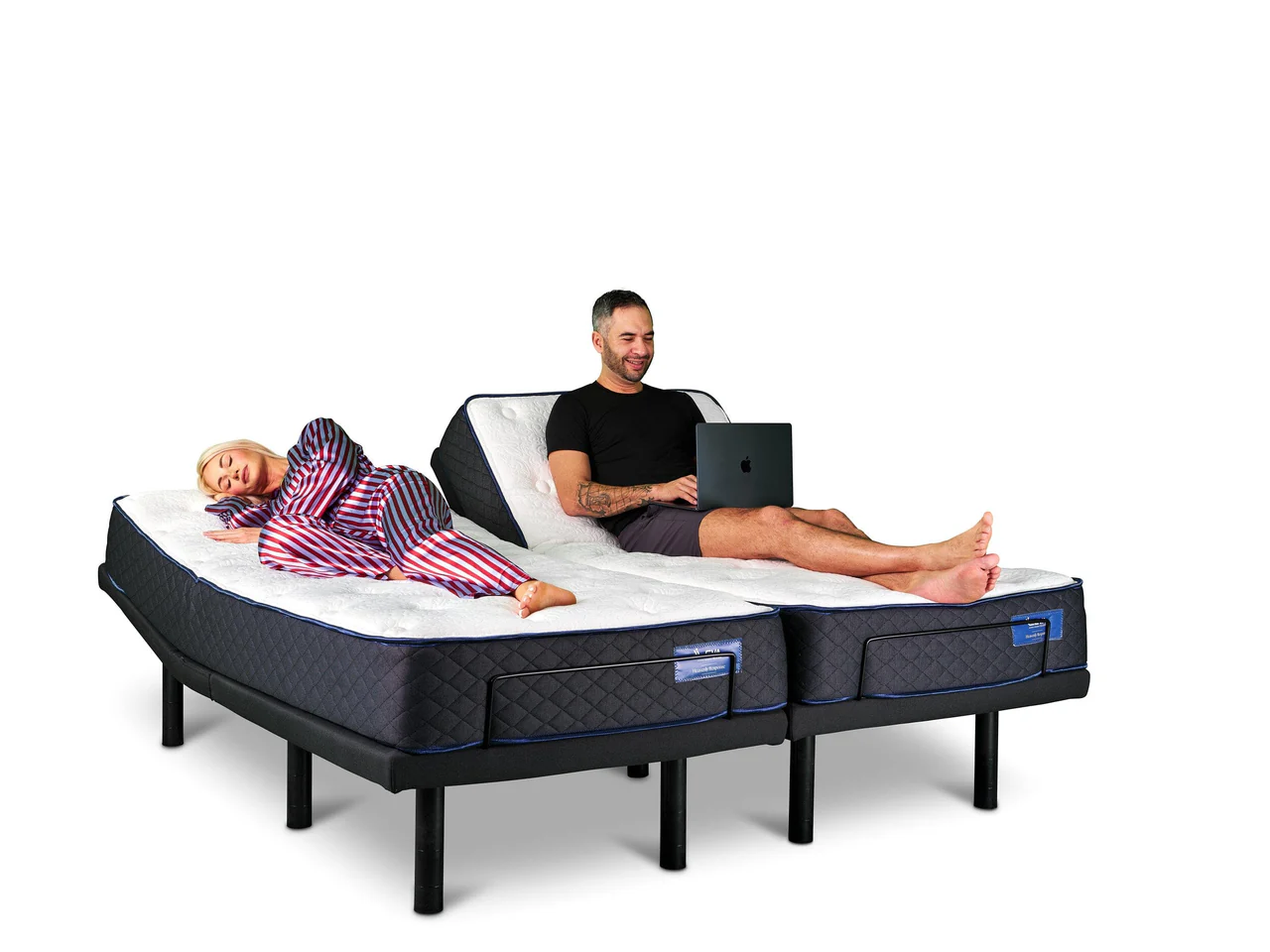
Split adjustable beds offer a comprehensive long-term approach for couples who need reliable snoring control. Automated positional therapy delivered through smart beds can reduce snoring frequency among mild to moderate snorers, and advanced systems often improve comfort at the same time.
Leva Sleep’s anti-snore technology automatically detects snoring and makes micro-adjustments to head elevation without disturbing your partner. The split Queen and King configurations allow each person to customize their sleep position independently, using whisper-quiet German motors controlled via smartphone app. With over 25,000 satisfied customers and 8 years of expertise, Leva Sleep provides these advanced systems at 30-50% less than comparable competitors like Sleep Number.
| Solution | Reported Effectiveness | Duration | Partner Impact |
|---|---|---|---|
| Nasal Strips | Temporary relief | Single night | None |
| Wedge Pillow | Moderate improvement | Ongoing use required | May affect partner comfort |
| Leva Anti-Snore Base | Significant reduction | Long-term solution | Independent control |
See how Leva’s anti-snore technology works at the La Jolla showroom or explore split adjustable bases online to experience what sleeping comfortably together again can feel like.
Tracking Progress and Staying Safe
Track your progress with a simple sleep diary or a smartphone app that monitors snoring frequency and intensity. Your partner’s feedback also matters because they can describe changes in snoring volume and their own sleep quality. Many people notice improvements within 1-2 weeks when they apply these strategies consistently.
Use elevation techniques gradually by starting with 2-3 inches and working up to 4-6 inches to protect your neck. If you feel discomfort, new pain, or worsening symptoms, stop the change and consult a healthcare provider.
Frequently Asked Questions
Does elevating the head really stop snoring?
Head elevation often provides one of the fastest ways to reduce snoring. Elevating your head 4-6 inches helps keep your airway open by preventing the tongue and soft palate from falling backward due to gravity. This position reduces vibration of soft tissues that creates snoring sounds. The most effective approach uses proper elevation tools such as wedge pillows or adjustable beds instead of stacked regular pillows, which can strain your neck and even worsen breathing.
What is the best bed setup for couples dealing with snoring?
Split Queen or King adjustable beds give couples a practical way to manage snoring while sharing a bed. These systems allow the snoring partner to elevate their head independently while the other partner stays flat or chooses a different angle. Leva Sleep’s split configurations include independent controls for each side, whisper-quiet motors that protect sleep, and advanced features like anti-snore detection that automatically adjusts positioning when snoring starts.
How does Leva Sleep compare to other adjustable bed brands?
Leva Sleep focuses exclusively on adjustable sleep systems and offers 15-20 different models, compared to the 3-5 typically found at general mattress retailers. Their systems feature German-engineered motors for silent operation, split configurations in both Queen and King sizes, and advanced technology such as app control and anti-snore modes. With 8 years of expertise and over 25,000 customers, Leva delivers premium quality at 30-50% less than competitors like Sleep Number, along with white-glove delivery and setup service.
Is an adjustable bed safe for someone with sleep apnea?
Adjustable beds can support sleep apnea treatment by helping maintain positions that keep airways more open. Many sleep specialists recommend elevation for patients with mild sleep apnea or those using CPAP therapy. Adjustable beds do not replace medical treatment for diagnosed sleep apnea, so always consult your sleep specialist before changing your sleep setup, especially if you currently use CPAP or other prescribed treatments.
Can lifestyle changes alone eliminate snoring completely?
Lifestyle changes such as weight loss, avoiding alcohol, and adjusting sleep position can significantly reduce snoring for many people, particularly in mild cases. Anatomical factors like narrow airways, enlarged tonsils, or nasal structure may still require additional interventions. Many people see the best results when they combine lifestyle changes with technology such as adjustable beds that maintain helpful positions throughout the night.
Conclusion: A Practical Path to Quieter, Shared Sleep
Reducing snoring without disturbing your partner usually requires both immediate habit changes and, in some cases, long-term technological support. Start with proven steps such as side-sleeping, head elevation, and nasal clearing to gain quick relief. For couples who want a lasting solution that lets both partners sleep comfortably in the same bed, split adjustable beds with anti-snore technology offer a thorough and convenient approach.
Ready to sleep together comfortably again? Visit Leva Sleep’s La Jolla showroom or shop online to find the adjustable bed system that fits your snoring and comfort needs.